• Skip to main content
  • Skip to primary sidebar
  • Skip to footer

LDSPMA

Empowering Latter-day Saints to spread light and truth by connecting them at the intersection of faith, creativity, and professional skill

  • Conference
    • The 2026 LDSPMA Annual Conference
    • Conference Registration
    • The 2026 LDSPMA Annual Conference Schedule
    • 2026 LDSPMA Anthology Submissions
    • Theme Contests
    • Exhibit, Advertise, or Sell at the LDSPMA Conference
    • Partner with LDSPMA
    • FAQs
    • Volunteer at the LDSPMA Conference
    • Past Conferences
      • 2025 Conference
        • Sessions
        • Workshops
        • Awards Gala
        • Internship Fair
        • LDSPMA’s Got (Secret) Talent!
      • 2024 Conference
        • Sessions
        • Workshops
        • ZIFF Networking Dinner
        • Schedule
  • Membership
    • Email Sign Up (Free)
    • LDSPMA NextGen
    • University Chapters
    • Facebook Group
    • NextGen Youth Facebook Group
  • Programs
    • Monthly Zoom Discussions (Free)
    • Mentoring Program
    • Master Classes (2026)
  • Podcast
    • Watch
    • Listen
      • Listen on Apple Podcasts
      • Listen on Spotify
      • Listen on Buzzsprout
    • Called to Create Conversations
  • Articles
    • All Articles
    • Faith & Mindset
      • Gospel Principles
      • Creativity
      • Productivity
    • Craft Skills
      • Writing
      • Media, Film & Theater
      • Podcasting & Speaking
      • Music
      • Fine Art
    • Professional Skills
      • Editing
      • Publishing
      • Business
      • Cultural Diversity
      • Marketing
    • Write for Us
  • Awards
    • 2026 Award Nominations
    • Praiseworthy Awards
    • Spark Awards
    • Lifetime Achievement Awards
    • Past Award Winners
    • Apply to Be an Awards Judge
  • About
    • Mission
      • LDSPMA in the Media
      • Success Stories
      • Viewpoint on LDSPMA
    • LDSPMA Leadership
    • Volunteers
      • Volunteer Year-Round
      • Volunteer at the LDSPMA Conference
      • Mali McKenzie Award Nominations
      • Apply to Be a Presenter
      • Apply to Be an Awards Judge
      • Resources for Current Volunteers
    • Policies
    • Contact US
  • Support LDSPMA
    • Donate
    • Volunteer
    • Partner with LDSPMA
    • Shop LDSPMA

Uncategorized

loading...

When Is Fair Use Fair?

August 19, 2026 By LDSPMA Leave a Comment

Writers love quotes, songs, and funny or inspirational images. What word-nerd doesn’t? We tape them on our mirrors, dashboards, and walls and post them to our websites. We like them to set the tone for our novels, start our nonfiction chapters off with inspiration and insight, and add authority to our own ideas. But many writers are never quite sure what’s safe to quote—how much, and in what contexts? Are there instances when you can safely borrow material that belongs to someone else without infringing on their copyright? And what happens if you do—accidentally, of course—infringe on someone’s copyright?

Well, it’s not pretty if you happen to use material from someone with deep pockets and powerful attorneys. Using quotes, songs, images, or others’ intellectual property cited, used, or paraphrased in your book (images may include cartoons, comics, photos, stock art, graphics, memes, charts/data, etc.)—without copyright-holder permission—can result in lawsuits that result in a loss of hundreds of thousands of dollars (or more, in some cases) and limit your brick-and-mortar store distribution opportunities.

While you should always seek official legal counsel (from an expert in intellectual property law) before you use quotes, scenes, songs, images, etc., in any of your for-profit/for-fundraising works, we can give you a simplified answer to the basic questions above and where you need to start looking to make sure you’re square with the law. There’s even a software out there to help you determine if your quoted material is likely to fall under fair use or not. If you’re still unsure about what you can fairly use after reading this article, the best practice is to follow the old adages, “better safe than sorry” and “when in doubt, go without,” as evidenced by the myriad court cases that have come about when folks thought  that they were doing it right. (Or you can call in a favor or write a check to that local lawyer and get the nitty-gritty answers to your questions.)

Public Domain

The doctrine of fair use addresses what can be copied: You can copy material to your heart’s content if it’s general public domain. This basically refers to material that is “outdated.” Any work published before 1927 is free game (as of 2023, when this was updated; each year after 2023 adds one year forward in time to the public domain cutoff, making more items published after 1927 accessible for use—depending on what year it is when you’re reading this), and any work after 1967 for which the copyright was not renewed is also free game. And some authors/artists have published works they want to share, which they have declared as public domain.

Outside of public domain, you can’t use others’ ideas as the crux of your own argument in nonfiction, but only as support, and it’s smart to avoid using more than a few lines (and, if you’re worried, get permission even then). In many cases, the copyright holder is happy to have their work shared more broadly and will grant permission with no strings attached. Just be aware that if you’re producing a for-profit work, you’re at risk of someone’s right to sue if you have no permission to use the quoted material/IP. Here is a handy reference defining public domain in its many arenas. And a critical resource for parsing out everything copyright related—for writers—is The Copyright Handbook by Stephen Fishman, JD.

For-Profit Works

Back in the day, fair use allowed one author to use another author’s work in creating their own work if the total amount borrowed was within reason, even if the borrowing author’s book sold thousands of copies. Today, every fair-use violation is examined on a case-by-case basis determined by the rule of thumb that fair use not diminish the “potential market for or value of the copyrighted work ”  (U.S. Code, Title 17, Section 107). According to the code, “There is no specific number of words, lines, or notes that may safely be taken without permission.” In sum, if you use someone else’s ideas in your book and then you make money on your book, the copyright holder might feel he/she were owed royalties/payments for the borrowed ideas—arguing that those ideas helped popularize your book in the first place. Acknowledging the source of the copyrighted material does not substitute for obtaining permission.

When Fair Use Is  Fair to Use

The above said, fair use is supposed to protect the advancement of the arts, sciences, scholarship, commentary and criticism, etc., so the principle generally allows quotation of excerpts in the following cases (when you are):

  • Writing news reports.
  • Doing a review or criticism.
  • Teaching (must be nonprofit, face-to-face).
  • Writing research (these must be “short passages”; refer to a journal’s style guide for specific guidelines).
  • Producing parody.

In general you will find that organizations and publishers have their own rules based on experience (including lawsuits), the advice of lawyers (who we hope keep up on policy changes), and codes of ethics. For example, the American Psychological Association (APA) declares that copyright holders define what they consider fair use and that the responsibility for getting permissions lies with the user (APA style, 6th ed., section 8.04, p. 233; see also sections 1.10 & 6.10).

Obtaining Permissions

Authors should demonstrate a reasonable due diligence, or take steps to satisfy the legal requirements, in using copyrighted material.

The first step in obtaining permission is, of course, to determine who the copyright holder is. This is usually a publisher or producer. Next, contact the copyright holder. Publishers, authors/artists often have a form on their websites where you can request permission to quote something by typing exactly what you’re quoting and in what context. After that, you may need to negotiate payment with the copyright holder (sometimes permission is granted freely, sometimes at a cost—and sometimes copyright holders don’t reply for months). Finally, be sure to get your permission statement in writing; email counts.  If you never hear back after several varied attempts to contact someone, keep the quoting to a minimum and make sure you aren’t using the idea as the crux of your argument (or that you’re using their idea in a way that sounds like it’s your own idea). Also, you’re safest to avoid using the quote in a compendium. And most importantly, make sure to keep records of your attempts to gain permission. As a reminder, please know that that there is no completely safe number of words or images you can use in a for-profit work without permission. If you do not have permission, you are risking the possibility of a lawsuit if the copyright holder feels motivated to pursue one. Bear this in mind in your attempts to stay within fair use.

Cautions for Violations We See Frequently

There are some fair-use violations we see frequently in the book-publishing world. The most common violations with quoted material are authors not properly citing sources for quotes and paraphrased material—and not getting permission to do so even when cited. A second problem we see often is when authors use others’ ideas as the foundation of their argument or point rather than as additional support for their own ideas. Or the author’s point seems to be merely a rephrasing of another author’s work with no original angle or purpose. In addition to those main problems the following items require some caution as well:

Songs and images:  Use caution in quoting lines from songs and such. Publishing houses are super careful about using even one line. Self-publishers take on a significant risk in quoting lyrics without permission. Permission to use lyrics is often granted by the copyright holder—with the expectation of payment or a percentage of the royalties you make. Use of lyrics does not generally come cheap. If you’re looking for permission, check out these organizations that represent composers, writers, and publishers and advocate for performing artists: ASCAP, BMI, and SESAC.

Images (cartoons, graphics, stock art, photos, comics, drawings, memes, etc.) are also often available when you’ve sought written permission or paid for usage rights. However, understand the limitations of your usage rights. The copyright holder may be fine if you use it on a blog, but not fine if you use it in a for-profit work (like a book, inside or on the cover). Or your rights may have limits—you can use the image at x price for up to so many copies sold, but then you’ll need to pay more for copies after that. Or there may be time limits or other boundaries on your usage. Make sure you are crystal clear on when, how, and for how long you may use the material, and get that permission in writing!

Quotes from LDS Authorities:  Since a portion of our authors publish in the local LDS market, a word to the wise for authors quoting LDS Church General Authorities, or any material found on LDS.org: The Church is extremely careful about accuracy in quoting and attribution (and, additionally, doesn’t want quotes from Church authorities to be mistaken as an endorsement of any particular book), and consequently there is no fair use as far as the Church is concerned; anything ever uttered by a General Authority and anything ever printed in a Church-owned publication (like the Ensign ) is owned by the Church, and you have to get permission from them to use it—even if it’s just a phrase or a sentence. The Church is most concerned with authors quoting current authorities, and possibly somewhat less vigilant about very short quotes from long-deceased authorities (keep them under 200 words); however, the Church still prefers authors get permission for any quotes. Lastly, when it comes to quoting scripture, the scriptures themselves now fall under a renewed copyright and are not public domain (unless you are quoting from a version published before 1923 or simply quoting the King James Bible); this copyright protects footnotes, the Bible Dictionary, headings, and maps (and any other modern additions to the standard works). Additionally, distributors that can help get your book into brick-and-mortar LDS stores generally will not accept titles that have not gone through Church approval (if you include quotes, images, songs, etc., from Church-owned materials).

If you want to use Church-owned material, you have to fill out forms and formally request permission; you can do this through the Intellectual Property Office. This includes listing every scripture/quote you’d like to use and their page number, in addition to turning in the manuscript/book for review of the context around your quote. Know that it can sometimes take up to 45 days to get a reply, though many authors have reported a faster response time; so plan as far out as possible in order to avoid delays in publication.

(As a final reminder, this fair-use discussion applies to for-profit works; if you are publishing a book and selling it, that’s a for-profit work.)

Do This Now

  • Run your proposed use of the copyrighted material through a fair-use evaluation tool, which can help you determine if you are abiding by fair use. As of this posting, it’s totally free (and extremely helpful). Please note, however, that this tool is used as an educational resource and not as a substitute for legal counsel.
  • To get a sample of a permission letter and to learn even more about fair use, check out this incredible resource from Jane Friedman.
  • Get a copy of The Copyright Handbook by Stephen Fishman, JD.
  • Be sure to go through your upcoming work with a fine-tooth comb for any quoted material you intend to use; start working on getting permissions now  so that your work doesn’t get put on hold while waiting for permissions. If this seems like a tedious prospect in addition to everything else you’ve got to do, you can hire a personal assistant to do the grunt work!

Sometimes great wordsmiths say something in a way no one else can. It’s nice to be able to use their insight, but make sure it stays their  insight. Enjoy your quotes, but choose wisely as to what you share in your for-profit works.

Resources:

  • For more in-depth information about fair use, check out Stanford’s information on fair use and the U.S. Copyright Office’s article here.
  • Read this article by publishing attorney and literary agent, Joseph Perry. Have more questions for your project? Contact us for a direct referral to Mr. Perry.

This article was written by Michele Preisendorf with Angela Eschler and was republished with permission from Eschler Editing.

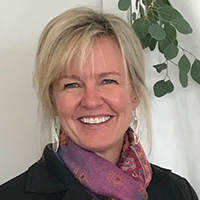
Headshot of Michele Preisendorf

Michele Preisendorf

Senior Editor, Eschler Editing

Michele earned her BA in English from Brigham Young University in 2002 and has worked as a freelance editor for several publishers over the last twenty years, helping hundreds of authors polish their prose and get their messages published. She’s been with Eschler Editing since its inception and has worked as an editorial-production manager and instructor for those wishing to improve their editorial skills. One of the things she loves most about her work is perfecting prose in a way that readers are able to focus on the message and not even realize they’re reading!

    Filed Under: Articles, Craft Skills, Creativity, Faith & Mindset, Fine Art, Media, Film & Theater, Music, Professional Skills, Publishing, Uncategorized, Writing Tagged With: copyright, derivative works, fair use, Inspiration, intellectual property, legal, media, stories, Writing

    When Your Brain Needs a Vacation

    August 7, 2026 By LDSPMA Leave a Comment

    Vacations are lovely things—and we all want one. Even if you don’t think you do, you do. But even on a holiday excursion, it can be hard to get our brains to unplug. I just spent a week in Hawaii, and while many wonderful things happened, there were also some stressful and frustrating moments. I felt like my brain could use a break from my vacation!

    Sometimes we just need a mini-vacation for our minds—no airfare or luggage required. As someone who struggles with OCD, anxiety, and depression, I’ve learned a few tricks to help me decompress. Here are five ways to give your brain a reset:

    Take a Break from Screens

    We all have small screens in our pockets or purses at almost any given moment. Many of us work in front of screens—I’m staring at three as I write this. Airports and restaurants have them everywhere. Even cars have screens nowadays. We’re surrounded by them. These devices can help with virtually everything, but they can also be detrimental to our health. Studies have shown that excessive screen use can interfere with both brain function and sleep. 

    It can be helpful to take breaks from all those screens. What does this look like? Maybe it means ignoring social media for a day … or a week. Perhaps it’s leaving your phone in the other room while you work or spending a day outside. Maybe it means taking your family for an evening bike ride instead of sitting together while everyone looks at individual gadgets and the TV plays in the background. Find a way to unplug.

    Take a Reading Day

    When I was in college, right before finals week, we scheduled “reading days”—time set aside to study and prep for exams. I always wished those days were actual reading days, so I sometimes took a day to read a book purely for pleasure. It may sound lazy, but taking a break from rigorous study can be good for your mental health. One of the best ways to recharge your brain is to get lost in a good book. I’d recommend choosing a physical copy or putting your phone in airplane mode while reading or listening on your device to avoid distractions.

    Reading lets you experience the world through other points of view and empathize with people you may never meet. And, you know, sometimes it allows you to fly with dragons or speak to penguins. Reading is magical. 

    I’ve found taking an occasional reading day can be super beneficial for my work. I return to my desk more invigorated, with new ideas swimming through my brain. So visit a bookstore or your local library, choose a book that draws you in, and spend the day reading. 

    Try a New Art Medium

    I’ve written about this before, but one way to break out of a creative rut and reset your mind is to experiment with different art mediums. There are tons of super cute crafting kits for beginners. You could make a favorite character from yarn or clay, or try a paint-by-numbers project. Choose something low-key and stress-free.

    You can even put on some music or an audiobook for a soothing soundscape while you work.

    Meditate

    I’ll be honest: I have yet to master the Jedi way of sitting down and communing with the Force. I took a meditation class in college and spent half the class napping and the other half dreaming up stories. Meditation is supposed to slow your mind so you can more fully connect with the world around you, but my thoughts rush too fast. For many people who struggle with mental health issues, this restlessness is common. One approach doesn’t work for everyone. 

    I’ve found two types of meditation that work for me. The first is imagery meditation. If you’re a writer or an artist, you probably already do something similar. Begin by picturing a scene, perhaps on a beach where the waves crash and recede along the shore. Now imagine a boat approaching the shore. Who’s on the boat? Maybe it’s a friendly fisherman who wants to chat about your life. Maybe he takes you on a boat ride. Imagine the ocean lapping against the hull of the boat, the sun sparkling against the waves, and dolphins leaping out of the water. Just sit with the image for a few moments, taking a few deep breaths and letting the story play out. This is imagery meditation. It’s the only “traditional” type of meditation I can do.

    I also do yoga. Yoga focuses on breath and movement. Because you’re moving your body, it is easier to stay in the moment. There are tons of beginner yoga videos online that will recharge your brain and benefit your body.

    Visit a Favorite Nature Spot

    If you’ve spent any amount of time on the internet, you may have heard the saying “go outside and touch grass.” This advice has merit. Sometimes we need to reconnect with reality. I highly recommend finding a local nature spot. Perhaps it’s a nearby park. Maybe your neighborhood has a walking trail, or there’s a lake near your home. Maybe you’re one of those lucky souls who lives close to the ocean. Find a place where you can just breathe and “nature bathe.”

    My husband and I often take walks around a local duck pond. It may not be the quietest spot, but seeing geese and ducks glide across the surface calms my soul. Find a place where you can “touch grass,” reconnect with the natural world, and give your brain a break from the artificial glow that constantly surrounds you.

    We only have one brain. It’s up to us to keep it functioning effectively. As creators, everything we do requires brainpower; we need to care for our most essential creative tool. Sometimes our brains just need a little vacation to give them a reset. If life’s been stressing you out, try using one of these methods to give your brain a break! 

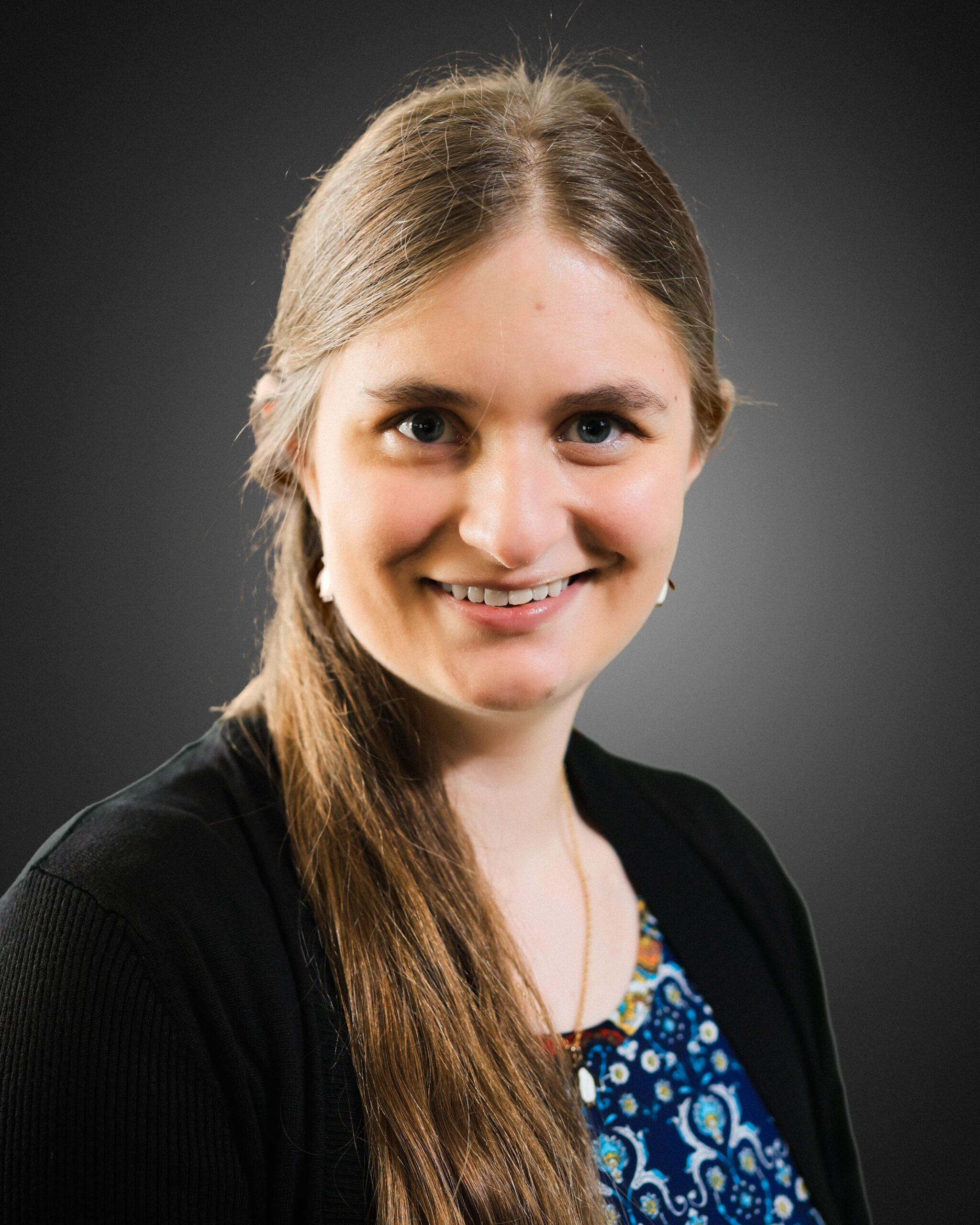
    A headshot of KaTrina Jackson.

    KaTrina Jackson

    Author, Editor

    KaTrina Jackson loves penguins, chocolate, and piano music, and spends much of each day trying to fit those loves in around her jobs as a freelance editor and a project manager for Eschler Editing. She graduated with a degree in editing and publishing from Brigham Young University. She’s a member of three different writing groups, attends and teaches at multiple writing conferences, has volunteered with LDSPMA since 2021, and recently published her first novel. When she’s not writing, editing, or reading, she can be found practicing yoga, teaching piano lessons, or watching Disney movies while working on a cross-stitch project. She and her husband live in Olathe, Kansas.

      Filed Under: Articles, Creativity, Faith & Mindset, Productivity, Uncategorized Tagged With: brain, Creativity, meditation, mind, mindset, recharge, recovery, relaxation, rest, self care, vacation, wellness

      Zoom Discussion: June 16, 2026: From Promptings to Profits

      May 25, 2026 By Marie Leslie Leave a Comment

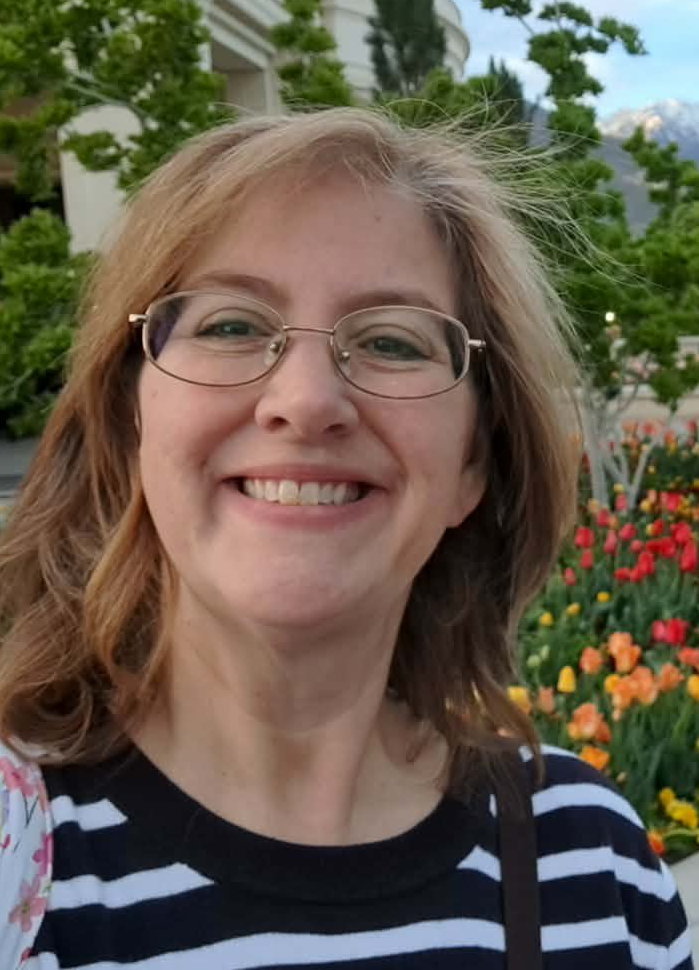
      portrait of Heidi Prigmore

      with Heidi Prigmore

      Tuesday, June 16, 2026, 7 pm Mountain Daylight time

      view the recording

      From Promptings to Profits: Navigating the Journey of Making and Marketing Art

      Do you love creating art but struggle to turn it into something more than a hobby? If you feel a desire to create but aren’t sure of your next steps, I can certainly relate. Wouldn’t it be wonderful to have a mentor provide clear guidance on exactly what to do?

      In this session, I will share five real-life tips that have helped me on my own journey from creating art to successfully sharing and profiting from it. 

      About Heidi: For over 3 decades Heidi  has professionally shared her creative work through story illustrations, textiles, graphic design, and teaching. Recently, she has focused her practice on cut paper art, a medium she views as a playful, vibrant, boundless form of folk art. Growing up in a variety of locations instilled in her a deep appreciation for many different cultures. This background continues to influence her perspective and creative work. Heidi finds great joy in sharing the gospel while helping others discover their own artistic talents. Heidi loves spending time in nature and being with her family.  

      view the recording

      Filed Under: Monthly Zoom Discussion, Uncategorized Tagged With: art, artist, business tips

      How to Approach Feedback on Your Writing

      April 19, 2026 By LDSPMA Leave a Comment

      Receiving edits from an editor, beta reader, or even a friend can be both exciting and daunting. It’s natural to feel a mix of emotions: nervousness to see what your reviewer thought about your manuscript, eagerness to dive into revisions, or apprehension about the work ahead. 

      Feedback can come in multiple forms. If it’s feedback from a beta reader, it might be a few paragraphs long and gloss over a handful of portions of your manuscript. If it’s from a copyeditor, you might get a style sheet and an entire manuscript’s worth of punctuation and grammar corrections. If it’s from a developmental editor, you’ll likely receive an editorial letter and pages of notes. No matter what kind of feedback you get, the following tips will help you interpret it and form a plan to revise your manuscript.

      Remember That Revisions Are Normal

      Going through feedback can be overwhelming. After all, you just handed off your book baby to a stranger! Receiving feedback that requires you to adjust a paragraph here and there may feel relatively easy, but it is another matter entirely to hear a suggestion that, if implemented, will require hours of planning and rewriting. Just take a breather and remind yourself that revisions are a normal step in the writing process.

      Recognize that feedback is not a critique of your writing abilities but a constructive assessment aimed at elevating your manuscript to its fullest potential. Every successful manuscript has been revised. It’s even safe to say that most manuscripts have gone through a plethora of revisions. Your manuscript is no different. Embrace the opportunity to learn and grow from the insights provided.

      Consider Others’ Perspectives

      Whether your reviewer is a professional in the publishing industry or a neighbor down the road, it’s important to consider his or her feedback, even if it differs from your own. One of the most valuable aspects of getting your manuscript reviewed is that there is distance between the novel and the reviewer. Unlike the writer of the manuscript, reviewers can look over the manuscript with fresh eyes. This means your reviewers are in a position to provide outside and objective insights that you as the creator may not be able to see. Their feedback will also reflect what other readers would notice as they read your book for the first time.

      Remember, reviewers provide feedback based on their expertise and experience. Editors have been specifically trained to learn how to make your manuscript successful. They bring a wealth of knowledge about what makes a story engaging and marketable to your target audience. Beta readers are avid readers who will recognize themes you should include in your novel. And perhaps a friend will give you some great pointers.

      No matter who your reviewers are, they will bring value to your manuscript.  It’s important to appreciate their time and effort and truly consider their feedback.

      Seek Clarity

      If you’re unsure about any aspect of the feedback, don’t hesitate to ask for clarification. When reaching out to your reviewer, be specific about the areas of the feedback that are unclear or require further explanation. This might involve asking for examples, elaboration on certain points, or additional context to better grasp the reviewer’s perspective.

      Once you clearly understand the feedback, you may want to brainstorm with the reviewer. Or perhaps you have implemented more changes and want his or her perspective on your next draft. Ask your reviewer if you can share new ideas with him or her based on his or her feedback. Going in a new direction with your manuscript or implementing a big change is scary, and receiving additional feedback and validation from another person so intimately acquainted with your work can be extremely motivating, spurring you to tackle the revision with a sense of purpose and confidence.

      Most reviewers are happy to provide more insight or look over your manuscript again. After all, they’re now invested in your story too. However, it is a good idea to check with reviewers to see when or if they have time to give more feedback. And if working with professionals, make sure to review your contract to see how many revisions are covered or if you will need to schedule and pay for a new round.

      Know What Your Feedback Will Look Like

      There are multiple kinds of feedback, and depending on what that feedback is will determine how you will implement it into your next draft. Let’s talk about a few kinds of revisions.

      Developmental Editing: Editors will indicate which big-picture aspects of your story need the most attention. They will provide detailed explanations of existing issues and how they can be changed. You may receive an editorial letter with a list of items to address or you may receive a document with comments in it or both. No matter what format the feedback comes in, it is important to read and digest all the feedback before you start revising. This way, you can get a clear picture of the reviewer’s overall assessment of your novel. From there, you can determine what changes you need to make and in what order they should be done. Then, you can start rewriting, cutting scenes, or shifting paragraphs around.

      Line Editing: Editors will use Track Changes, which is a feature in electronic documents that allows reviewers to track the changes they make so the writer can see what the reviewers do versus their original work. You will be able to accept or reject these changes in the document. If the changes are simple, like changing a word here and there, you can accept or reject them as you read them. But if the suggested changes affect the manuscript as a whole, it’s a good idea to read all the way through the document before accepting or rejecting changes.

      Copyediting: Editors also use Track Changes to make edits to the technical elements of your manuscript, such as punctuation, grammar, and stylistic consistency. Again, you will accept or reject these changes directly in the document. But since these are all changes that affect presentation and not the book overall, you can accept or reject them as you read.

      Proofreading: When editors look over your typeset document, they will either leave comments directly in the document that note the errors they’ve found, or they will send you an additional document containing a list that indicates the page, paragraph, and line of the error. If you typeset the document yourself, you can use these edits to update your document. If you hired a typesetter, forward this feedback on to the typesetter, and he or she will make sure the feedback is incorporated.

      It’s also important to note that there are no industry-standard ways to give feedback. So it may be smart to ask your editor what format he or she uses or to tell a beta reader that you prefer to review feedback in a specific format. Having proactive conversations like these can prepare you for the feedback you will receive.

      Choose Which Feedback to Implement

      Not all feedback needs to be accepted. In fact, you can choose to accept or reject whatever feedback you like. (This may not be true if you have a contract with a publishing firm. So make sure to double-check that.) However, even though you can choose how to shape your manuscript, it is important to consider the reviewer’s expertise and your publishing goals when deciding which revisions to implement.

      Consider the type of edit done. For example, copyediting adheres to established rules and industry standards, meaning these revisions should typically always be accepted. Developmental edits, on the other hand, may involve significant changes to plot, story structure, or character development, which means they are open to interpretation and should be weighed carefully.

      Next, think about what pros and cons come with accepting or rejecting feedback. For example, if your editor advises reducing the word count to meet industry standards, you can choose not to, but be aware that it may be more difficult to get your book traditionally published. On the other hand, if one out of ten of your beta readers has a negative reaction to a certain character and suggests changes to improve that character, you might not need to implement his or her feedback. But if the majority of your beta readers have a negative reaction to that character, implementing their feedback and changing that character may be in your best interest.

      When looking over feedback, you should also think about your reviewer’s background. Does your reviewer have any credentials that would make their feedback more credible? Is your reviewer familiar with the publishing industry and giving suggestions that will make your manuscript more successful in a particular genre? Or is his or her feedback based on personal preference? For example, let’s say your manuscript focuses on a particular culture, and your reviewer has given you feedback suggesting you make changes to the description of that culture. You should evaluate your reviewer’s expertise in this area. Is he or she making this suggestion because he or she wants the story to be more familiar to him or her? Or is he or she a sensitivity reader who is familiar with the culture? If the former, you most likely don’t need to implement the feedback; if the latter, you probably should.

      It’s also important to remember that your story is uniquely yours. If the feedback you receive doesn’t sit well with you, you do not have to incorporate it into your next draft. For instance, let’s say your story is about two sisters growing up on a potato farm in Idaho. Your reviewer suggests making your characters a brother and sister instead of two sisters. Your reviewer may have a list of good reasons behind this change, and these changes may make your book more marketable. However, you may choose not to accept this suggestion because you have tension with your own brother, which would make it difficult to write about a brother and sister in the manuscript. Or perhaps you’ve been envisioning this book being about two sisters for decades and simply can’t part with that idea. Either way, it’s also important to stay true to your own vision for your manuscript.

      Deciding which feedback to implement is a lot of work. Make sure to evaluate each recommendation in light of your creative vision and narrative goals while also accounting for your reviewers’ expertise and industry standards.

      Remember, the editorial process is a collaboration aimed at elevating your work to its fullest potential. Every piece of feedback is a valuable opportunity to enhance your writing skills and bring your manuscript closer to publication. By balancing your writing goals with constructive feedback, you can navigate the editing process and feel great about the story you put out into the world.

      This article was written by and republished with permission from Ever Editing.

      Filed Under: Articles, Craft Skills, Creativity, Editing, Productivity, Professional Skills, Uncategorized, Writing Tagged With: Author, critique, Editing, editors, feedback, improvement, Publishing, revision, writers, Writing

      Zoom Discussion: April 23, 2026: “The Power of Free – Grow Your Audience with Lead Magnets”

      April 14, 2026 By Marie Leslie Leave a Comment

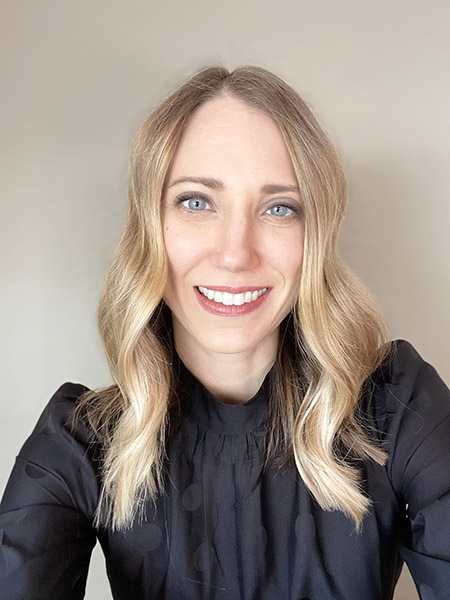
      Casey Cline portrait

      with Casey Cline

      Thursday, April 23, 2026, 12 pm (Noon) Mountain Daylight time

      View Recording

      The Power of Free – Grow Your Audience with Lead Magnets

      What to create, why it works, and how to deliver it with BookFunnel

      You’re creating incredible work, but how do you turn casual interest into a lasting audience?

      Whether you’re an author, artist, composer, or any other kind of creative, this practical session will teach you the what, why, and how of using free lead magnets like sample chapters, bonus scenes, sheet music, song files, art print files, etc. to grow your creative following.

      Discover possible lead magnets for your creative field, why they are one of the most powerful tools for attracting your ideal audience, and how to seamlessly and professionally deliver your content using BookFunnel.

      By the end, you’ll have the know-how to create and distribute an irresistible lead magnet that builds meaningful, lasting connections with your audience.

      Bio:

      Casey Cline collects hobbies and pursuits as quickly as she reads books. She likes to believe her degrees and licenses in business, law, and real estate aren’t entirely incongruous with writing historical stories about the ultimate adventure in life—love. Casey lives in Nebraska with her husband, two daughters, and three cats. She currently serves as LDSPMA’s Vice-President.

      Join LDSPMA and Casey Cline for this informative discussion.

      View Recording

      View Casey’s Slides: https://canva.link/jvth0vphzza84w3

      View the Bookfunnel Webinars on YouTube: https://www.youtube.com/playlist?list=PLMgkKFCbvgvJ-sqcsaW2XmNuEi-kRGqiT

      Bookfunnel’s blog post about including new media: https://blog.bookfunnel.com/2026/more-than-books-introducing-multimedia-uploads/

      Links: Casey Cline’s website: https://caseycline.com/

      Filed Under: Monthly Zoom Discussion, Uncategorized Tagged With: author business, book marketing, business tips

      Margaret Blair Young and the Power of Stories that Matter

      March 31, 2026 By LDSPMA Leave a Comment

      In a small town in the Democratic Republic of the Congo, a man stares at a hand-bound book in disbelief. Inside are the pages of his own story.

      “I’ve been poor my whole life,” he says. “I’ve been cheated out of a lot of things. But look, there’s a book about me.”

      For filmmaker and former Brigham Young University creative writing professor Margaret Blair Young, moments like this emphasize the power of storytelling. Throughout her career, Young has used stories to restore voices that history has overlooked—stories that heal, foster understanding, and illuminate faith.

      Young’s work documenting the history of Black members of The Church of Jesus Christ of Latter-day Saints began in 1998. “I had written quite a few books,” she recalls, “but I wanted to do something that really mattered.”

      After praying for guidance and receiving a blessing from her husband that confirmed her spiritual promptings, she latched onto this idea: “Why don’t I write stories of Black Mormon pioneers?”

      Soon afterward, she met Darius Gray under what she calls “pretty miraculous circumstances.” Gray is a journalist, businessman, and expert in Black Latter-day Saint history. He’s been actively engaged in human rights and civil rights causes for decades.

      “I actually had a cassette tape recording of him in my purse because I had ordered it while doing research,” Young recalls.

      When the two connected, Young had already written about one hundred pages. After reading the manuscript, Gray recognized the importance of the work. He looked over it and said, “Let’s do this together.”

      Young and Gray delved into history and wrote a trilogy of novels, Standing on the Promises, about the lives of early Black Latter-day Saints. When the pair began, these stories were largely undocumented. Even after publication, they continued to uncover new information that corrected earlier assumptions.

      “It’s a history that wasn’t terribly well known,” Young explains, likening the research required to that of three PhD dissertations.

      Confronting Racism in Church History

      Young’s work led to the documentary Nobody Knows: The Untold Story of Black Mormons, which explores the experiences of Black Church members before and after the 1978 revelation extending priesthood and temple blessings to all worthy male members.

      “We could say things that Church leaders couldn’t necessarily say and really hit the complexities and the depths of the issues head on.”

      Before the documentary’s release, Young and her collaborators showed it to the Church History Department and several General Authorities. The project was well received.

      Young’s determination to address such complexities stems from personal experience. She first confronted racism directly at fourteen when her seminary teacher used a racial slur in class.

      “I had a really visceral reaction to it.” She dropped out of seminary because of the incident. “That kind of [intensified] my own realization that we had a problem we needed to deal with.”

      Sharing Jane Manning James’s Story

      Young turned to creative work to confront the problem. She wrote the play I Am Jane about early pioneer Jane Manning James. When it was performed in Springville, Utah, around 2001, the production sold out and drew audiences from across the state. Many said they’d needed to hear Jane’s story, especially her petitions to President John Taylor asking about temple blessings. Young’s play captures the spirit of Jane’s appeal: If this was truly the “fullness of times,” and the promises to Abraham meant all people could be blessed, where was her blessing?

      Jane’s faith and courage invited audiences to open their hearts and recognize Christ in every person they encounter.

      In October 2020, President Russell M. Nelson called on members to “lead out in abandoning attitudes and actions of prejudice.” For Young, that work begins with recognizing when conversations are built on racist assumptions or when history is minimized or ignored.

      Meaningful change, she believes, begins within individuals. Too often, conversations about racism end quickly, dismissed with a clever comment or meme. Real growth begins with humility and willingness to examine one’s own heart. The point is not condemnation but to allow God to reveal attitudes that might otherwise remain invisible.

      “Ask the Lord to help you discern where [racist views] are and how you can clear them out.”

      For Young, confronting prejudice is not separate from faith. It’s a central part of it. Latter-day Saints have a unique foundation for combating racism in the Book of Mormon, which repeatedly emphasizes unity and equality.

      “There were no ‘ites’ among them. That should be the foundation for everything we do.”

      A New Calling In the Congo

      Young’s work eventually expanded beyond American history. “Darius was… the one who told me a whole lot about Africa.”

      At the time, she and her husband were serving in an MTC branch where missionaries were learning to speak French. Through those missionaries—many of whom were preparing to serve in Africa—she began corresponding with individuals in the Democratic Republic of the Congo.

      “Cinema had died about forty years ago in the Congo,” she explains. Government corruption and economic collapse left once-beautiful areas abandoned and in ruins. Yet she believes film offers a path toward renewal. “Cinema allows us to present new narratives.”

      At first, Young thought they would be “making a movie that happened to be set in the Congo, but was maybe filmed somewhere else.” Instead, they discovered they were meant to support a Congolese team in reviving the country’s cinema industry.

      Following the Work

      Young realized that individualized storytelling could bring even more meaning to the community. When the team traveled to a remote town, the Congolese film director discovered his great-aunt living there. His mother had lost her own mother in childbirth, and this aunt had cared for her.

      His great-aunt wept throughout their meeting. Because they spoke different languages, a translator helped them communicate. The following year, the team returned with his mother so the two could reunite.

      Experiences like these confirm the stories of the Congolese people are waiting to be told. Young believes these stories carry a sacred weight, revealing the true character of a nation often portrayed only as a tragedy. She feels called to help share a broader vision of the Congo—one that reveals its beauty and reminds people that its citizens are “our brothers and sisters,” and that “we should strive to have ‘no ‘ites’ among us in our hearts.”

      Young’s team collected oral histories from residents eager to share their experiences.

      “We would bind the books using whatever materials they could find—cardboard, fabric…” With a generator powering the printer, Young helped students produce books featuring their own photographs.

      The long-term vision was to create a library made up entirely of local stories. Many had lived through the devastating war that ended in 2003. “Some of the stories are horrifying, but they matter.”

      Finding Her Path

      Looking back, Young does not describe her path as carefully planned. She says it unfolded simply by being willing to begin.

      “I don’t know that you’d want to follow the way I do things because I’m a little bit crazy,” she laughs. But her approach has always been rooted in openness, paying attention to ideas that feel meaningful, and acting on them before the full path is visible.

      “If you’re not moving, not much will happen.” Her advice is to pray about what kind of work might bring good into the world, then begin. “Be open to anything. Trust that when you start doing something that is truly meant to edify and bring greater light into the world, it will be sustained.”

      For Young, the work has always been about helping people see one another more clearly and remembering that every life holds a story worth telling.

      This article is based on a Called to Create podcast aired season 1, episode 11. To hear the full podcast, click here.

      Filed Under: Articles, Called to Create Conversations, Creativity, Cultural Diversity, Faith & Mindset, Gospel Principles, Professional Skills, Uncategorized Tagged With: Black Latter-day Saints, Called to Create Conversations, church history, diversity, faith and creativity, film, inclusion, inspriation in creativity, stories, Writing

      Why and How to Recognize AI Writing

      February 28, 2026 By LDSPMA 1 Comment

      Can you really spot AI writing? Here are the subtle clues to look for.

      One of the biggest topics being debated in the writing world is how to approach or handle AI in writing. On one hand, AI can be an incredibly helpful tool for authors. It can help brainstorm, organize research, spark ideas, explore alternative verbiage, help you remember how to use a certain phrase—all things that most people agree can boost the writing process in a great way. 

      On the other hand, there are many fears about AI writing becoming a replacement for real writing—whether that means writers relying on AI or AI replacing humans altogether. 

      The key is to use AI responsibly and not let it replace your own voice. Readers can tell when AI has been used too freely, even if they don’t immediately recognize what’s off. When people copy and paste whole paragraphs of AI-generated content, that’s when inaccuracies, fabricated sources, awkward phrasing, or overly formal styles are noticeable. 

      Why Should Writers Learn to Recognize AI Writing?

      Why is it important for writers and readers to recognize AI writing? Here are a few reasons:

      To Stop Misinformation

      AI can and has spread inaccurate facts and information in the publishing industry.

      Imagine following a top summer reading list published by multiple newspapers only to realize that 10 of the 15 books were just made up by AI and, worst of all, were attributed to real authors. That actually happened in May 2025 in newspapers like the Chicago Sun-Times and The Philadelphia Inquirer. Notably, the fake reading list was published just two months after the Chicago Sun-Times had announced that 20% of its staff had accepted buyouts as the paper dealt “with fiscal hardship.” Naturally, subscribers were outraged, and the situation sparked debates online about publishing standards and credibility in a time when AI is being used more and more.

      Now imagine browsing books on Amazon, finding an intriguing one with numerous positive reviews, only to realize the reviews seem to be written by AI. And maybe the book itself is AI-generated. That is all too common now.

      AI-written “companion” books (summaries, workbooks, and guides of legitimate books) are also becoming a widespread problem on Amazon. These low-quality books are designed to piggyback on the success of new, human-written books by using nearly identical titles and the original author’s own name. By the time these books are caught and taken down, damage has already been done in the form of stolen sales, ruined reputations, and confused readers.

      Recognizing AI writing helps writers judge the trustworthiness of certain sources and ensure the accuracy of references. This is especially important for authors of nonfiction books.

      Generative AI chatbots are designed to be very agreeable, and their responses to prompts sound very authoritative and convincing, even when they are completely wrong. Many writers—or, unfortunately, their readers—are finding that AI boldly cites sources that don’t exist, attributes fake quotes to characters, or proclaims wrong details as truth. Authors, reporters, and lawyers who have relied on AI to assist them in writing have taken public hits to their reputations for publishing incorrect information. Learning to spot AI writing can help authors choose credible and real sources. 

      To Protect the Revision Process

      Some authors have paid for beta reading services only to discover later that the “feedback” was produced entirely by AI. The so-called beta readers confidently referenced sentences and ideas that didn’t exist anywhere in the manuscript, leaving the authors with wasted time and money, not to mention reduced confidence in the revision process.

      Being aware of AI writing could help authors—especially those self-publishing—put safeguards in place to find beta readers who won’t use AI and to spot AI-generated feedback.

      Some ways authors can carefully vet beta readers include reading detailed client reviews instead of relying on five-star ratings, utilizing reputable author circles for recommendations, and exchanging a small sample at first. Authors can also request examples of the reviewer’s work, use AI content detectors (imperfect as they currently are) as a preliminary screening tool, and request to pay for services after the feedback is received. For more on this topic, see 7 Ways Writers Can Prevent Beta Readers From Submitting AI-Generated Feedback.

      Occasionally checking out publishing forums, such as r/selfpublish, is a great way to stay informed on recent trends and pitfalls in the publishing industry.

      To Preserve Creative Writing

      From deciding to engage with a lengthy post on Reddit to picking a book, readers want to read content that is original, nuanced, relatable, and real. Aka, the kind of content that comes from lived experience.

      Almost every piece of published creative writing comes with an unspoken agreement between writer and reader: that it is written by another person. We care that care has been put into the media we consume and become invested in.

      AI can suggest ideas, but it struggles to form cohesive storylines or maintain consistent character and plot threads. Writers who can see these shortcomings can better appreciate the skill they bring to their own work.

      How Can Writers Recognize AI Writing?

      When it comes to AI writing, there are no hard and fast methods to determine if a piece of text is, in fact, AI. AI-detection software is getting better, but so is AI. The only indisputable way to tell if someone is using AI models, like ChatGPT, Copilot, and Gemini, in their writing is if they forget to cut out their prompt.

      But the more AI-generated content is used in online discourse, social media, emails, and even creative works, the better we are getting at identifying it. This is because people are wired to recognize faulty patterns, inconsistent tones, and unnatural expressions. That’s why the concept of the uncanny valley—when something looks or sounds almost human, but feels slightly off—is a thing we pick up on fast.

      You can also identify multiple clues found in AI writing patterns that indicate the writing likely wasn’t written by a human. If you see a few of these clues in what you’re reading, be wary of the source.

      First Clue: A Dramatic Change

      The best clue might ultimately be familiarity. If a person’s writing style shifts dramatically within the same piece of content, or if they use more complex vocabulary or grammatical phrases than usual, it stands out. A sudden shift in tone, style, verbiage, etc., is something to take note of.

      Second Clue: Frequent Em Dashes

      A common attribute of AI-generated writing is its frequent use of em dashes. It is no surprise that AI favors em dashes, since AI models are trained on real human writing. And writers love em dashes!

      Em dashes are some of the most versatile punctuation—they can function like a colon, semicolon, parentheses, or even comma. Those of us who love to write probably use em dashes on an hourly basis; however, the general public does not—especially on social media.

      Because em dashes are easily identifiable, a piece of informal content like social media posts or articles that are filled with them may be an early indicator that AI was used, because humans likely wouldn’t use em dashes in these contexts as much.

      Third Clue: Overly Formal and Structured

      Remember the structured paragraph essay format you were taught in school? Introduction (broad overview and thesis statement), body paragraphs (supporting details and transition phrases), and conclusion (restatement of introduction). That structure was designed to teach students how to organize their thoughts clearly and is still used in professional reports, proposals, and academic-adjacent writing. But in everyday situations, few people write this way. AI, on the other hand, often does.

      AI tends to default to professional or academic language. It favors grammatically perfect sentences with predictable connectors like “furthermore,” “in addition,” or “it’s not x but y.” While these phrases aren’t wrong, their overuse can make the writing feel stiff, robotic, and overly polished. The issue is when this formula shows up in places where writing is usually more flexible, like emails, social media, casual articles, or creative writing. The rigid structure of the formula throws the casual tone off.

      In short, if the writing feels like it came out of a textbook or a standardized test—especially in places where a looser or more conversational tone would make sense—it might be AI.

      Fourth Clue: Surface-Level Substance

      AI-generated writing tends to lack substance. This is partly because AI is trained to predict what sounds plausible or typical, not what’s nuanced or new. As a result, its writing often resembles marketing copy: agreeable and inoffensive. But unlike marketing copy, which is typically concise and snappy, AI-generated writing tends to be verbose and overly relies on metaphors to explain simple concepts. You’ll notice familiar buzzwords, vague clichés, and an overall upbeat tone that avoids conflict or complexity.

      In sum, it’s writing that wants to please everyone.

      Fifth Clue: No Mistakes/Too Perfect

      We’ve all encountered the red or blue lines that show up under our misspelled words or incorrectly formatted phrases. And what are the programs that mark our mistakes powered by? AI. So it makes sense that AI-generated writing rarely contains typos, misspellings, or incorrect grammar.

      But flawless grammar and punctuation just isn’t part of the writing process, especially in early drafts. And flawless content is often not the goal in the first place. People bend grammar to sound more natural or to make a point or to simply be creative. We start messy and then revise. We leave a sentence fragment for emphasis. AI can’t make those intentional deviations effectively.

      So, when you encounter flawless and overly professional or stiff text on places like social media, that may be an indication of AI.

      Authors can use AI to support their work, but they must do so responsibly—for their readers and themselves.

      These are all helpful clues—but that’s all they are. Even when several signs point toward AI, there’s still plenty of room for doubt. Writers who use em dashes and ensure their writing is error-free shouldn’t feel afraid that their work will be confused with AI. Unless you have hard evidence, it’s best to assume the writing came from a human.

      Make AI a tool, not a replacement. At the end of the day, readers love, value, cherish, connect with, and pay for books written by humans.

      This article was written by Amy Guan and was republished with permission from Ever Editing.

      A headshot of Amy Guan

      Amy Guan

      Co-Owner and Managing Partner, Ever Editing

      I edit because I love it. I love plotting outlines, treading through unfamiliar topics, and discovering misplaced modifiers. Editing is an adventure, and I wouldn’t give it up for anything. I love playing video games (open world only), eating whatever my husband grabs from the clearance section at Asian Mart, and being taken on walks by my two big dogs. I have a BA in English and a minor in editing.

        Filed Under: Articles, Craft Skills, Creativity, Faith & Mindset, Productivity, Professional Skills, Publishing, Uncategorized, Writing Tagged With: AI, artifical intelligence, Publishing, research, Writing

        How “Save the Cat” Can Save Your Story – Part Four

        September 20, 2024 By LDSPMA Leave a Comment

        • How “Save the Cat” Can Save Your Story – Part One
        • How “Save the Cat” Can Save Your Story – Part Two
        • How “Save the Cat” Can Save Your Story – Part Three

        So, your hero has accepted the call, and the adventure is officially underway. Welcome to Act 2: the wild and crazy rollercoaster of your story! Now the real fun—or maybe the real trouble—begins. Let’s dive in!

        Beat 7: B-Story

        Every hero needs a sidekick, mentor, or love interest to help them navigate their new world. This supporting character might bring a different perspective to the narrative, provide comic relief, or even become an antagonist. The B-story character adds depth to your main character and creates opportunities for conflict and growth. They also provide an excellent character foil, reflecting qualities or abilities the hero needs to embrace to complete their developmental arc.

        For example, Ron and Hermione are Harry’s sidekicks (Harry Potter), Peeta is Katniss’s love interest (The Hunger Games), and Bumble Bee is Seth’s mentor (Transformers).

        Sometimes, the main character meets the B-story character earlier in the story, but they either aren’t close to each other, dislike one another, or aren’t active in each other’s worlds.

        Beat 8: Fun and Games

        Here’s where the rubber meets the road—your character grows, learns the ropes, and faces challenges. Think of Fun and Games as a series of adventures, obstacles, and triumphs where your character develops new skills and learns the rules of their upside-down world.

        This setup to the midpoint is a long beat—25% of your novel. The clock stops temporarily, and the stakes take a back seat. Your main character’s problems don’t disappear, but they aren’t urgent.

        In The Hunger Games, Katniss practices her weapon skills and performs for the crowd as the “Girl on Fire.” The Games haven’t started, but she tries to gain favor with the audience in hopes that they’ll send gifts to help her survive.

        In Harry Potter, Harry and his friends explore the world of Hogwarts with all its funny, odd, and sometimes questionable magical features. They also attend classes where they learn to brew potions and cast spells to help them survive later in the book.

        See how it works?

        Beat 9: The Midpoint

        The midpoint is the halfway point of your novel that sets the tone for the events to follow. This single-scene beat is the moment when your character realizes that circumstances aren’t as they seem, the stakes are raised, and things get real. Think of it as the climax of Act 2 that leads into the final push toward the climax of your story.

        A literal clock or bomb is often used in this beat to trigger the reader’s sense of urgency.

        Act 2 is where your story truly takes shape. It’s a playground for character development, plot twists, and world-building. Understanding these key elements will help you create a compelling story that keeps your readers hooked.

        Quit thinking of the middle of your novel as the messy section because challenges and surprises make for pure awesomeness! With these plot-mapping tips, you’ll be equipped to craft a compelling and well-paced middle in no time!

        Next, we’ll tackle the second half of Act 2, where everything is darkest before the dawn!

        A headshot of Ali Cross.

        Ali Cross

        Ali Cross is a USA Today bestselling author, motivational speaker, and story development coach who loves to help writers level up both professionally and personally. A happiness enthusiast and believer in hope and magic, Ali’s a sucker for underdogs, redemption stories, and happily-ever-afters. She explores the concept of joy and where it can be found in her YouTube show and podcast, Write4Joy. She lives in Utah with her hacker husband where they collaborate on stories, artificial intelligence, and their plan for virtual world domination.
        Find Ali at her website or @thealicross online.

          Filed Under: Uncategorized

          • Page 1
          • Page 2
          • Go to Next Page »

          Primary Sidebar

          Write for Us

          Would you like to see your article featured here on LDSPMA?

          We are currently seeking article submissions. Learn what you need to know and submit your article here. 

          Recent Articles

          A green chalkboard, featuring the word COPYRIGHT in capital letters, surrounded by related keywords such as "licensing," "ownership," "media," "legal," etc.

          When Is Fair Use Fair?

          “Sometimes great wordsmiths say something in a way no one else can . . . Enjoy your quotes, but choose wisely as to what you share in your for-profit works.” -Michele Preisendorf

          A man sits on the forest floor in a meditative pose.

          When Your Brain Needs a Vacation

          “As creators, everything we do requires brainpower; we need to care for our most essential creative tool.” -KaTrina Jackson

          A woman reading a book while standing between two shelves full of books in a library or bookstore.

          3 Ways to Research the Genre You’re Writing

          “Successful writers know their readers … And successful writers write books that fulfill their readers’ wants while also adding unique and thrilling angles.” -Christina Crosland

          Search the Articles Archive

          Article Topics

          Recent Podcast Episodes

          Footer

          • Email
          • Facebook
          • Instagram
          • LinkedIn
          • YouTube

          Shop the LDSPMA Store

          Support LDSPMA with branded merch, including shirts, hats, water bottles, notebooks, stickers and more! Every purchase helps fund LDSPMA programs.

          Shop Now!

          Copyright © 2026 LDSPMA. All Rights Reserved. LDSPMA is not endorsed by nor affiliated with The Church of Jesus Christ of Latter-day Saints.