• Skip to main content
  • Skip to primary sidebar
  • Skip to footer

LDSPMA

Empowering Latter-day Saints to spread light and truth by connecting them at the intersection of faith, creativity, and professional skill

  • Conference
    • The 2026 LDSPMA Annual Conference
    • Conference Registration
    • 2026 LDSPMA Anthology Submissions
    • Theme Contests
    • Exhibit, Advertise, or Sell at the LDSPMA Conference
    • Sponsor
    • FAQs
    • Volunteer at the LDSPMA Conference
    • Past Conferences
      • 2025 Conference
        • Sessions
        • Workshops
        • Awards Gala
        • Internship Fair
        • LDSPMA’s Got (Secret) Talent!
      • 2024 Conference
        • Sessions
        • Workshops
        • ZIFF Networking Dinner
        • Schedule
  • Membership
    • Email Sign Up (Free)
    • LDSPMA NextGen
    • University Chapters
    • Facebook Group
  • Programs
    • Mentoring Program
    • Monthly Zoom Discussions (Free)
    • Master Classes (2026)
  • Podcast
    • Watch
    • Listen
      • Listen on Apple Podcasts
      • Listen on Spotify
      • Listen on Buzzsprout
    • Called to Create Conversations
  • Articles
    • All Articles
    • Faith & Mindset
      • Gospel Principles
      • Creativity
      • Productivity
    • Craft Skills
      • Writing
      • Media, Film & Theater
      • Podcasting & Speaking
      • Music
      • Fine Art
    • Professional Skills
      • Editing
      • Publishing
      • Business
      • Cultural Diversity
      • Marketing
  • Awards
    • 2026 Award Nominations
    • Praiseworthy Awards
    • Spark Awards
    • Lifetime Achievement Awards
    • Past Award Winners
    • Apply to Be an Awards Judge
    • Mali McKenzie Award
  • About
    • Mission
      • LDSPMA in the Media
      • Success Stories
      • Viewpoint on LDSPMA
    • LDSPMA Leadership
    • Volunteers
      • Volunteer Year-Round
      • Volunteer at the LDSPMA Conference
      • Mali McKenzie Award Nominations
      • Apply to Be a Presenter
      • Apply to Be an Awards Judge
      • Resources for Current Volunteers
    • Policies
    • Contact US
  • Support LDSPMA
    • Donate
    • Volunteer
    • Sponsor
    • Shop LDSPMA

authors

Author Voice: Why AI Can’t Replace It

June 26, 2026 By LDSPMA Leave a Comment

Let’s talk about artificial intelligence (AI) and writing. It seems like every other day, there’s a new tool that promises to make writing faster, easier, and maybe even . . . automatic? It’s easy to see how many writers are pulled toward AI. Some people may even ask writers: Why spend days or months putting blood, sweat, and tears into something that AI can do in seconds?

Here’s the thing: No matter how impressive AI gets, it will never compare to the unique voice, experience, and, well, humanity that each writer brings to their work.

It’s true that AI can assist writers in getting through tricky passages and overcoming writer’s block. In later tips in this series about AI, we will discuss the benefits of using AI in your writing in greater detail. But in this article, we’ll focus on what AI can’t replace—your voice!

Voice vs. Style

Writing voice and style are two concepts that are often confused or conflated. There is a difference between the concepts, so let’s break them down:

Voice: The writer’s innate opinions, attitudes, and experiences.

Style: The writer’s word choices, sentence structures, and mechanical—or grammatical—patterns.

Tiffany Yates Martin, an established editor with over twenty years of professional experience, has a beautiful description of voice on her website Fox Print Editorial:

“Author voice, though, comes from the truest, most authentic heart of you. Your voice began to be formed even before you were born, and it has been shaped increment by increment by every single circumstance and element of your life since: where you were raised, by whom, how, in what circumstances; your socioeconomic level, your education, your frames of reference and your experiences; your personality, sensibilities, values, and passions.

“It can be affected by age and perspective, state of mind and mood. It encompasses your vocabulary, your phrasing and rhythm, your diction and word choice, your verbal tics and habits. It’s reflected in the speed at which you communicate, the way in which you find and express your thoughts, whether you are direct or circuitous, literal or figurative, humorous or serious, and every permutation of all the above.”

(Yates Martin, Tiffany. “What Is Author Voice and How Do You Find Yours,” Fox Print Editorial, October 8, 2024, https://foxprinteditorial.com/2023/08/10/what-is-author-voice-and-how-do-you-find-yours.)

Yates’s beautiful description of voice shows just how personal and unique it is. Voice reflects the soul of a writer—their innate perspective and personality—while style is the way ideas are expressed on the page with words.

Some writers have a writing style that is elaborate and embellished—meaning they love crafting long sentences full of imagery and metaphor. Other writers write short, punchy sentences. Some writers enjoy breaking conventional grammar rules, such as sentence fragments, run-on sentences, or omitting punctuation, and others write in sarcastic or mocking styles.

A writer’s style may adapt to suit different genres, tones, or audiences, but their voice remains a consistent reflection of their unique personality and perspective. And while AI can mimic certain writing styles by replicating patterns and techniques, it lacks its own innate personality, or voice.

Voice Is Personal

The stories you tell—whether they are fictional or not—are uniquely your own. No AI, no matter how advanced, can replicate the intricacies of your lived experience. Your life, your choices, and your perspective are shaped by countless factors: your upbringing, culture, relationships, failures, and triumphs. These experiences color the way you see the world and inform the stories you tell.

AI may be able to mimic style and structure, but it can’t capture the one thing that makes each writer unique—their individual way of writing stories and depicting complex human feelings. AI, by nature, uses algorithms to predict what should come next based on existing data, so its output often reads as generic.

Because voice is so uniquely human, we are good at picking up its subtle nuances in the things we read without realizing it. Consider the uncanny valley phenomenon, which is when a “computer-generated figure or humanoid robot bearing a near-identical resemblance to a human being arouses a sense of unease or revulsion in the person viewing it.” (“Uncanny Valley,” Oxford English Dictionary, accessed December 2024, https://www.oed.com/dictionary/uncanny-valley_n?tab=meaning_and_use.)

For example,  observe AI-generated photos of people that look extremely realistic—until you look closer and see hands with unnatural fingers or mouths with too many teeth. Similarly to this phenomenon, AI tools like ChatGPT can produce material mimicking different writing styles, but they can’t perfectly embody any author’s voice—or cultivate their own.

Below are three comparable passages from stories that each carry themes of nostalgia, permanent loss, and a painful sense of longing:

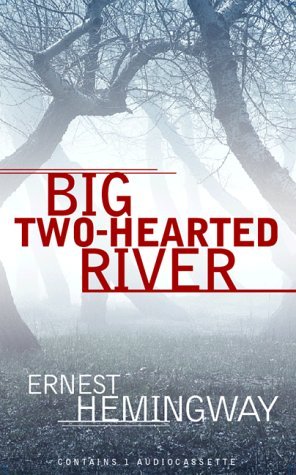
1. “Nick looked down into the pool from the bridge. It was a hot day. A kingfisher flew up the stream. It was a long time since Nick had looked into a stream and seen trout. They were very satisfactory. As the shadow of the kingfisher moved up the stream, a big trout shot upstream in a long angle, only his shadow marking the angle, then lost his shadow as he came through the surface of the water, caught the sun, and then, as he went back into the stream under the surface, his shadow seemed to float down the stream with the current, unresisting, to his post under the bridge where he tightened facing up into the current.

“Nick’s heart tightened as the trout moved. He felt all the old feeling.” 

(Hemingway, Ernest. Big Two-Hearted River. Scribner, 1925.)

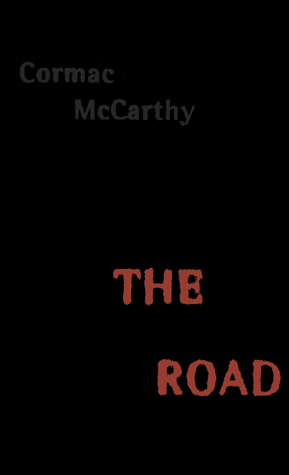
2. “Once there were brook trout in the streams in the mountains. You could see them standing in the amber current where the white edges of their fins wimpled softly in the flow. They smelled of moss in your hand. Polished and muscular and torsional. On their backs were vermiculate patterns that were maps of the world in its becoming. Maps and mazes. Of a thing which could not be put back. Not be made right again. In the deep glens where they lived all things were older than man and they hummed of mystery.” 

(Cormac McCarthy, The Road. Alfred A. Knopf, 2006.)

3. “The trout dart through the clear, cold stream, their silver bodies flickering like fleeting memories beneath the surface. Time here seems to slow, as though the current itself carries echoes of a forgotten summer. Now, the current feels quieter, the air heavier with the weight of things that are no longer. Each ripple in the water seems to stir an old ache, a quiet sorrow that lingers in the spaces between the rocks, where the trout swim without ever looking back. The stream, once so full of life and laughter, now whispers only of what’s been lost.”

(ChatGPT. Prompt: “Write a paragraph about trout in a stream with these feelings: nostalgia, loss, and longing.”)

The differences between these three passages highlight the profound gap between human writing and AI-generated text, particularly when it comes to voice, authenticity, and emotional resonance.

Ernest Hemingway’s Big Two-Hearted River is marked by his distinctive, restrained style and voice that speaks volumes in what it leaves unsaid. The description of the trout’s shadow—rising, catching the sun, and then floating back into the current—reflects not just the fish’s physical movement but also Nick’s transient grasp of peace and the inescapable pull of memory. When Nick’s heart tightens, the reader feels the weight of his unspoken longing.

In contrast, Cormac McCarthy’s voice in The Road is lush and poetic, and he evokes awe and reverence for the natural world. His description of the trout doesn’t just show us fish in a stream—it turns them into symbols of something much bigger, something lost that can never be recovered. With lines like “vermiculate patterns . . . maps of the world in its becoming,” McCarthy transforms the details of the trout into a meditation on time and the fragility of existence—a product of a philosophical mind engaging with the world.

The AI-generated passage, while technically fine and polished, lacks the depth and authenticity of the human-authored examples. Descriptions like “their silver bodies flickering like fleeting memories” and “the air heavier with the weight of things that are no longer” attempt to evoke emotion but instead come across as formulaic and generic as if the AI is trying to fit some template of sentimentality. The passage feels like a compilation of poetic tropes, strung together without the lived experience or unique worldview that imbues an author’s voice with sincerity. As a result, the passage reads as imitative and hollow.

Voice Is Experiential

Writers draw from their personal histories—moments of joy, loss, struggle, and triumph—which shape how they perceive the world and how they choose to express it. Each character, scene, and narrative choice is made up of trinkets of the writer’s own life journey.

AI, while impressive in its ability to mimic writing styles, lacks this experiential foundation. It can replicate the mechanics of storytelling, but it cannot draw from a lived history. AI doesn’t know what it feels like to experience love or loss, to face the challenge of a difficult decision, or to observe the world with the nuance of human perception. As a result, AI-generated novels often lack the depth and emotional resonance that comes from the lived experiences of a human writer. It may produce coherent narratives, but without the personal imprint of a real life, the voice it generates remains hollow and detached.

Compare the following excerpts:

1. “Soldiers carry the weight of their weapons, tools of survival and destruction, each one a constant reminder of their purpose and the danger that lurks. Their packs are heavy with rations, medical supplies, and gear—necessary burdens that ground them in the brutal present, yet leave little room for escape. Tucked deep within, they carry the ghosts of past battles, the memories of comrades lost, and the quiet longing for home, all bound in the recesses of their minds. The weight of duty is palpable in every step, as they march forward, burdened by both the physical and emotional tolls of war.”

(ChatGPT. Prompt: “Write a paragraph about what soldiers carry in war.”)

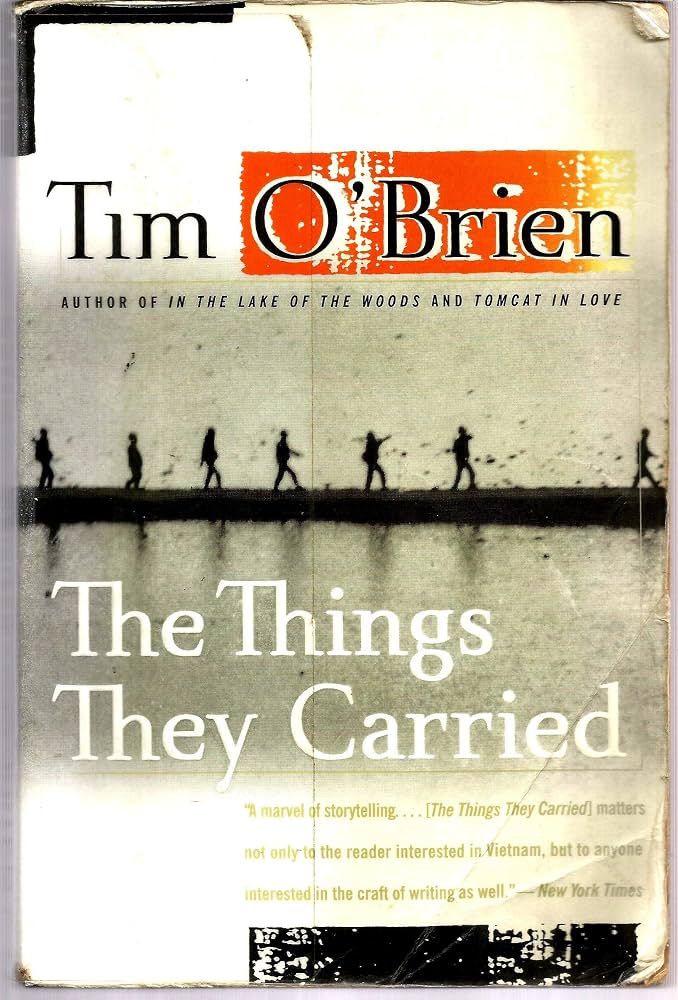
“They took up what others could no longer bear. Often, they carried each other, the wounded or weak. They carried infections. They carried chess sets, basketballs, Vietnamese-English dictionaries, insignia of rank, Bronze Stars and Purple Hearts, plastic cards imprinted with the Code of Conduct. They carried diseases, among them malaria and dysentery. They carried lice and ringworm and leeches and paddy algae and various rots and molds. They carried the land itself—Vietnam, the place, the soil—a powdery orange-red dust that covered their boots and fatigues and faces. They carried the sky. The whole atmosphere, they carried it, the humidity, the monsoons, the stink of fungus and decay, all of it, they carried gravity.”

(O’Brien, Tim. The Things They Carried. Broadway, 1998.)

Severe trauma and war are examples of things that AI has never experienced and will never experience. For all of ChatGPT’s flowery language, its paragraph above rings incredibly hollow when compared to O’Brien’s excerpt, which draws from his lived experience of serving in the Vietnam war. O’Brien is not using generalizations to speak for every soldier who fought in Vietnam, and he is not even trying to recount every factual detail of his experience. Instead, he speaks about his personal perceptions and feelings developed through his experiences.

There are a huge number of life experiences—emotions felt, moments lived, and connections formed—that are uniquely human. Drawing from these experiences when writing connects writers with readers, even if they haven’t been through the same things, because they reflect the emotions and connections we all share. This connection is something AI may attempt but will likely never replicate.

Voice Is Cultural

Writers also draw from cultural and social dynamics—the gestures, tone, slang, vernacular, and unsaid meanings that make up human interaction. These nuances, shaped by culture, society, and history, enrich a writer’s voice, allowing it to capture the complexities of emotion and experience in ways that resonate with readers.

AI, though skilled at mimicking writing styles, lacks the ability to truly understand or engage with the social intricacies that define human communication. While it can replicate language patterns or historical references, it cannot grasp the deeper layers of meaning embedded in these elements.

In our interconnected and plugged-in modern culture, communication is becoming increasingly fluid. Slang, internet culture, and memes are playful, ever-evolving forms of communication that reflect shared humor, generational trends, and cultural moments. These quirks of language serve as social identity markers—the traits, symbols, and language that help people express who they are and where they come from.

Writers understand how these identity markers operate within communities and use them in novels to create authentic dialogue, relatable characters, and vivid settings. Identity markers in writing can be incredibly subtle. A character’s hesitation before choosing a word might reveal their insecurity or the unspoken weight of their relationship with the person they’re speaking to. The use of the word “demure” might suggest not just modesty but “mindfulness,” “very respectful,” and “not doing too much” to Gen Z readers. A passing mention of the smell of rented bowling shoes could evoke an entire childhood for a reader without being explicitly tied to any narrative arc. These subtleties—rooted in how humans assign meaning to the smallest interactions and details—give writing a depth and resonance that AI may struggle to replicate.

Voice is Irreplaceable

AI can copy certain styles, but it can’t capture you. Your unique way of putting things and the little surprises that come with it? That’s your voice, and that’s something only a real, live person can bring.

So, if you ever feel discouraged by the speed or apparent efficiency of AI, remember this: Your voice matters more than anything a machine could ever produce. Your stories, your emotions, your creativity—they are irreplaceable. Lean into your humanity, trust your unique perspective, and remember that the world is waiting for what only you can write. In the end, no machine can tell your story like you can.

This article was written by Amy Guan and was republished with permission from Ever Editing.

A headshot of Amy Guan

Amy Guan

Co-Owner and Managing Partner, Ever Editing

I edit because I love it. I love plotting outlines, treading through unfamiliar topics, and discovering misplaced modifiers. Editing is an adventure, and I wouldn’t give it up for anything. I love playing video games (open world only), eating whatever my husband grabs from the clearance section at Asian Mart, and being taken on walks by my two big dogs. I have a BA in English and a minor in editing.

    Filed Under: Articles, Craft Skills, Creativity, Cultural Diversity, Faith & Mindset, Professional Skills, Publishing, Writing Tagged With: AI, authors, culture, identity, style, voice, writers, Writing

    Releasing Your Inner Poet: Five Steps to Writing A Poem

    May 29, 2026 By LDSPMA 1 Comment

    Poetry is a beautiful form of expression that captures a range of human experiences. People might think poetry is a dying art. But believe it or not, you hear poetry every day. Catchy Disney songs? Poetry. The newest Taylor Swift hit? Poetry. K-Pop Demon Hunters power ballads? Poetry. Even the country music you despise? You guessed it. Poetry.

    Poetry doesn’t need to be set to music, though. Sometimes the words themselves are pure magic. If you’re a writer of any genre—fantasy, memoir, self-help, sci-fi, literary fiction—poetic elements can help sharpen details and hone imagery.

    But how do you do this? Do you just write, “Roses are red, violets are blue, poetry is awful, skip to my Lou?”

    I mean, you could. That is technically a poem.

    But if you want to practice writing meaningful poetry to improve your craft, I, as a published poet and professional poetry editor, recommend the following five steps.

    1. Observe the world around you.

    There are ideas everywhere; you just have to look for them. Most of my poems are inspired by things I’ve noticed or experienced throughout the day. The key is to set aside distractions and pay attention to your surroundings.

    To start, consider your location. As I write this, I’m sitting in my office, surrounded by knick-knacks, pictures, and mementos that inspire and comfort me. These include a mini anvil, a resin penguin princess (complete with a tiara), a lighthouse music box, dolphin figurines, uplifting quotes, and commissioned art.

    Through my window, a big tree is waving its green leaves in the wind. Snippets of sky peek between the roof of our apartment building and the great leafy tree. I spy the top of a building across the street. The sun’s rays warm my skin as my fingers dance across the keys. I hear the calming strains of jazzy piano from my favorite instrumental playlist and the whir of a ceiling fan. And I feel the gentle breeze from that same fan.

    Now you try. Pause where you are and observe the world around you. Write down what you see, what you hear, and what you feel. Don’t judge, just let the world be whatever it is and be present in the moment.

    2. Find one specific image or sense.

    Make a list of your observations. You could write a poem about everything, but it’s much easier (and creates stronger poetry) if you focus on one specific image.

    Here are a few examples from the exercise above:

    • The sun on my skin.
    • The gently waving tree leaves.
    • The icy sparkles of the penguin princess’s crown.
    • The gentle cadence of the fan in harmony with the jazzy piano.

    All these examples evoke a specific image, sound, or feeling. Your inspiration doesn’t have to be fancy. Just pick one thing from your list.

    3. Practice different forms.

    I’ve talked to many writers who’ve said, “I’m not a poet! I don’t know how to rhyme!”

    Poems don’t have to rhyme. Yes, rhyming is a feature of many poems (and some poets excel at it, like Dr. Seuss), but you don’t have to. I’ve published poems that rhyme and poems that don’t. Just find the form that fits the subject matter.

    Some poetic forms are quite complicated, like Shakespearean sonnets in iambic pentameter. Some are much simpler, such as the rhyming quatrain of an ABCB stanza (Emily Dickinson’s preferred form). Free verse, a common form of modern poetry, doesn’t conform to a particular format. However, to strengthen your descriptive muscles, I recommend following the advice of my poetry professor, who encouraged us to use a structured form. The constraints force your brain to think more creatively than just throwing any random words down.

    One of my favorite poetry forms is haiku, the Japanese poem written in a 5-7-5 syllable pattern. I love haiku because it’s simple and great for practice. It’s also versatile. I’ve written longer poems in renga (sequential haikus) format because the theme didn’t fit into just one verse.

    Traditionally, a haiku is about nature, but you can use the 5-7-5 syllable structure to talk about anything. Here are two examples from the above list…

    • The feel of the sun on my skin:

    Sunshine sparkles bright—

    rays warm my world-weary hands,

    filling me with peace.

    • The icy sparkles of the penguin princess’s crown:

    A royal penguin;

    her crown of ice gleams like gems,

    a mark of her rank.

    Your turn! Pick one of your images/senses and try writing a haiku. It’s okay if it takes some time to find the right number of syllables. No one masters poetry instantly. Relax and play around. You might be surprised by what ends up fitting the syllable structure.

    4. Read your poems aloud!

    Many beginning poets miss this step. As a poetry editor, I read the poems multiple times before I make a single edit, looking primarily at meter and rhyme. Sometimes poets think a word fits the meter when it doesn’t. If the line reads off, it’s likely because one of the words has too many syllables or the final word doesn’t fit the rhyme scheme (if there is one).

    For example, in the penguin princess haiku above, I originally wrote “her crown of ice sparkles like gems,” which is 8 syllables instead of 7.

    5. Revise as many times as necessary.

    Once you’ve read your poem aloud a few times, you can tweak it as needed. Be sure to examine every word and syllable on the page. You might find a word that fits the 5-7-5 structure better, as I found “gleam” to fit better than “sparkles.” Or, you might find a more perfect rhyme versus an imperfect rhyme (when/again instead of rain/again—English is weird like that).

    The lovely thing about poetry is that it’s easy to cross words out and give it another go, especially with something as short as a haiku. Don’t be afraid to try again. Poems are little snapshots of memory. Like a photograph, they don’t have to be perfect—they just need to capture the essence of what you felt in that moment.

    If you’re a budding writer—or an experienced one—looking for ways to deepen imagery or strengthen your character’s emotions and senses, try practicing these steps and creating your own poetry. Who knows? Maybe you’ll discover, like so many before you, you’ve been a poet all along and just didn’t know it… until now.

    May the powers of poetry be with you. Go forth and create!

    A headshot of KaTrina Jackson.

    KaTrina Jackson

    Author, Editor

    KaTrina Jackson loves penguins, chocolate, and piano music, and spends much of each day trying to fit those loves in around her jobs as a freelance editor and a project manager for Eschler Editing. She graduated with a degree in editing and publishing from Brigham Young University. She’s a member of three different writing groups, attends and teaches at multiple writing conferences, has volunteered with LDSPMA since 2021, and recently published her first novel. When she’s not writing, editing, or reading, she can be found practicing yoga, teaching piano lessons, or watching Disney movies while working on a cross-stitch project. She and her husband live in Olathe, Kansas.

      Filed Under: Articles, Craft Skills, Creativity, Faith & Mindset, Music, Writing Tagged With: authors, Creativity, haiku, lyrics, poetry, Writing, writing craft

      Networking and Pitching to Agents (Even When You’re Scared to Death)

      February 16, 2026 By LDSPMA Leave a Comment

      I have the world’s greatest critique group. Not only are the members super smart and talented, they are fun to be with. So why is it that every Thursday night I have to convince myself to get up and go to writers’ group? They don’t even care if I show up in my pajamas, so that can’t be it! The answer is, I’m a huge introvert. I love my down time, hidden in my room, not having to worry about socializing with anyone but Lizzy Bennet and Mr. Darcy, Katniss and Peeta, or my favorite characters of the week (which this week happen to be Anna and St. Clair!). If you’re an introvert like me, you know this feeling. Maybe that’s why we choose to be writers. We don’t get distracted by parties and events, and we’re fine staying home on a Friday night to type away. Writing appears to be a very on-your-own type of career.

      Until you finish your novel and actually want to get noticed.

      Susan Cain, author of Quiet: The Power of Introverts in a World That Can’t Stop Talking, had this same awakening after she finished her book. In an interview on Marie TV, Cain, a proclaimed introvert, said: “I spent seven years happily writing a book in splendid solitude and since then my life has been all about being public.”

      I’m sure there are hundreds of writers out there who would love that type of a “problem,” but for those of us who walk into a room and look for the nearest exits and the quietest corners, it can be a scary thing. Especially when you’re at a con or writing event and you not only need to talk to perfect strangers, but you also have to get them to want to read YOUR book.

      Never fear! Whether you are planning on pitching or just want to network confidently, we’re here with five great tips to keep in mind as you set out to your next con.

      1. Listen to Me.

      Many times, we look at our introverted personalities as a barrier, when actually they can be an advantage. One thing that introverts are usually great at is listening. Just because we’re quiet doesn’t mean we don’t know what’s going on. Listening to others—especially to an agent or presenter—can benefit your career greatly. Half the reason you’re at this particular con is to learn—so don’t be afraid to soak in all the advice you can. You’re sure to find great writing tips. Remember: Agents have hundreds of people who want to talk to them. When you take the time to listen to what the agents really want, you’re sure to be ahead when it comes to the pitching game.

      2. Pitch Perfect.

      If you’ve been listening, you’ll know the right time to bring out your pitch. But when that right time arrives, what should you say? On the introduction page of her website, Cain says, “I like to think before I speak.” This is another great introvert trait. Use it. Nothing is worse than being put on the spot. Knowing what your book is about doesn’t count. Even if you’re the most extroverted person out there, when you’re standing in front of your dream agent, anxiety will kick in and it’ll be nearly impossible to sum up your book in one brilliant sentence. Think about what you’re going to say. Plan out exactly how you want to present your book and yourself before you even leave the house! If this sounds as daunting as actually having to share it with someone, check out this article on writing pitches by our in-house expert Elena Johnson.

      3. Don’t Overdo It.

      Depending on which convention you’re attending, you may have the opportunity to talk to several of the presenters and pitch to several agents. If this makes you want to go back to your room and crawl under the covers, then don’t force yourself to do it. Cain advocates having a quota system. Tell yourself you’re going to network with one, two, or three people. Pick a number you feel comfortable with and stick to it. Wouldn’t you rather give one really great pitch or have one meaningful conversation on improving your skills than stress about having to live through five or ten mediocre ones?

      4. Agents: Big Bad Wolves or Fairy Godmothers?

      Agents are people too, and some of them are as introverted as you are. One member of our writing community, a solid introvert, wrote this after his first-ever pitch session: “This was going to be my first time actually interacting, in person, with actual agents. I follow some agents on Twitter, subscribe to some of their blogs, and read what others say about their experiences, but this was going to be my first pitch. Needless to say, I was extremely nervous—to the point I was worrying over how I should greet them. Did I go with the ‘Hi,’ the ‘Hello,’ or the ‘Nice to meet you’? I think I finally settled on ‘Hi’; it was all a blur. So what happened? All the agents were extremely friendly, open, willing to let me ask questions, responsive to my comments in their classes, and basically made me and the other aspiring authors feel at ease. Some people see agents as the big bad gatekeeping wolves, but for me they are now gracious fairy godmothers doing their best to create happily-ever-afters.”

      Don’t be afraid to look for a kindred spirit among the agents and pitch to that person. He or she may, after all, make your wishes come true.

      5. This, Too, Shall Pass.

      Just because you’re at a con, you don’t have to spend all your time pitching. But if you’re there, chances are you love your book enough to give it a shot. So do it. Make the pitch. According to Cain, we can act out of character for work we really love. But we should do it mindfully and then restore afterward. If you’ve practiced your pitch and set your quota, then you’ll be all right. Make the pitch. Break the shell, then give yourself a break. As Marie Forleo, who interviewed Cain and is, herself, often overwhelmed by being in the world spotlight, says, “When it’s time to fly, don’t deny.” Go ahead and let yourself restore when you need to.

      Trying to convince someone else that your book is the greatest thing since sliced bread can be hard and scary. But it doesn’t have to be. So stop trying to talk yourself into it and get the skills to feel confident. Follow these steps and you, too, “can shake the world in a gentle way.” We believe in you!

      Do This Now

      1. Write your pitch. Check out our How-to Guide.
      2. Start seeing your introversion as an asset to your career and learn how you can be successful without changing yourself. Check out the Susan Cain interview on Marie TV.
      3. Believe in yourself just the way you are. You don’t have to be swinging from the chandeliers to get noticed at a con.

      This article was written by Sabine Berlin and was republished with permission from Eschler Editing.

      A headshot of Sabine Berlin.

      Sabine Berlin

      Editor

      Sabine Berlin is a senior editor at Eschler Editing, where she has worked for over twelve years to help writers bring their stories to life. She is the co-publisher of Mad Cat, the young adult imprint of Roan and Weatherford Publishing. Sabine has also successfully self-published (Oh My Oppa!) and traditionally published (And the Sky Full of Stars). 

        Filed Under: Articles, Business, Marketing, Professional Skills, Publishing Tagged With: agents, authors, conventions, introverts, pitching, Publishing, Writer, Writing

        Writing with Faith: An Interview with LDS Author Gale Sears

        November 27, 2025 By Kami Pehrson Leave a Comment

        Gale Sears’ path to becoming an acclaimed LDS historical fiction author began with writing screenplays. She earned a bachelor’s degree in playwriting from BYU and a master’s degree in theater from the University of Minnesota. For decades, Gale’s creative life revolved around the stage—acting, directing, and crafting stories for live audiences.

        “I didn’t start writing novels until I was almost 50,” she shares, yet storytelling had always been part of her nature. “When I was about seven or eight years old, just after I’d learned about words, we had a little shed out in our backyard in Lake Tahoe, where I grew up. It was a magical place. I’d go out there with paper and pencil and write stories.”

        Exploring Different Genres

        The transition from playwriting to novel writing came naturally. “I had a story in my head that I thought would be a very cool play, but it was kind of epic, and it didn’t fit the genre,” Gale explains. “So, I started jotting down thoughts and a skeletal outline of chapters for a book, which I’d never thought of before because my mind always thought in terms of plays. I had to learn a different writing process because plays are composed of dialogue, but novels must include descriptions of place and setting.”

        That story became Autumn Sky, the first book in a trilogy published by Covenant Communications.

        Writing as a Divine Calling

        For Gale, writing is a sacred practice, centered on divine guidance. “I pray constantly. I have no ego when I’m writing my books. I believe that EGO stands for Edging God Out, and I’m not ever going to do that. When I dedicate my work and consecrate it to His purposes, I must include Him in the process.”

        The Spirit guides Gale throughout her process. “It’s as if I’m walking along and all of a sudden, I stumble, and something makes me pause. I stop and say, ‘Okay, something’s wrong here. Either I’m pushing it too much, or I’m not telling the right story, or I’m not going in the right direction.’ That’s how I know.”

        The Power of Research

        This spiritual foundation shapes every aspect of Gale’s work, especially her research approach. She is tenacious about accuracy. “If you’re going to write historical fiction, it needs to be true to the history,” she emphasizes.

        For The Silence of God, which explores communism and Christianity in revolutionary Russia, she immersed herself in Russian history and communist theory. “I wanted to tell the story of what a society looks like when they rip God out of their lives,” she explains. She thought she’d have to create a fictional Orthodox Christian family—until she experienced what she calls a “God wink.”

        “I thought to myself, I’m never going to find an LDS Russian family back in that time,” she recalls. “Well, I was at the Church History Library and found this article about the Lindelof family—the one and only LDS family in Russia during the Bolshevik Revolution.” This moment of divine serendipity became central to the novel.

        For Letters in the Jade Dragon Box, set in China under Mao Tse-Tung, she studied Chinese culture and government systems. The book juxtaposes Mao’s communist regime with the gospel as experienced by early Latter-day Saints in Hong Kong.

        Belonging to Heaven draws from George Q. Cannon’s actual journal entries about his mission to Hawaii, exploring his relationship with Jonathan Napela, one of the first Hawaiian converts to the Church.

        Her novella, Brilliant, required research into autism, Indian culture, mathematics, and Eastern philosophy to authentically portray its protagonist—a young autistic college professor from India. Gale met with Indian families and individuals who understand autism and reviewed autobiographies to ensure accuracy.

        But Gale doesn’t just rely on books. She travels to the locations she writes about—Italy, Russia, Hawaii—with her husband, George, acting as photographer and videographer. She interviews people from the cultures she depicts and visits ethnic markets.

        “I’ll go up to people and say, ‘Do you have a minute? Can we talk about Indian food?’ or whatever I need to learn,” Gale explains. “Most of the time, people are gracious and thrilled to help.”

        “It’s so important in historical fiction that readers feel as though they’re there,” she says. Whether it’s the food her characters eat, the clothes they wear, or the streets they walk, Gale ensures every sensory detail rings true. Each book ends with an extensive bibliography and notes explaining the historical context. “I stick to the facts as much as possible, but if I need to deviate because of the story, I let readers know.”

        Blending Faith and Story

        When depicting conversations about faith, Gale uses a subtle touch. “I want to tell the story of God’s Saints in a way that all my readers can appreciate, and weave in Christ’s teachings without beating people over the head with the gospel.”

        For example, in The Silence of God, the LDS character Agnes discusses the law of consecration with her Bolshevik friend, Natasha, while chopping cabbage for borscht. The exchange feels natural rather than preachy. “You can push doctrinal discussions too far to where readers feel like they’re in a Sunday school room, or you can just put a little flavor of it,” Gale explains. “You have to honor your readers and trust that they’re smart enough to interpret the story through their own lens.”

        This approach has connected with readers beyond the LDS community. “I have a lot of readers who are not LDS who appreciate the structure of the story and how I involve Christ in it,” she says. Universal themes of faith, courage, sacrifice, and family resonate across religious boundaries.

        Writing Process and Craft

        Despite her theatrical background’s emphasis on structure, Gale describes herself as “pretty much a pantser.” However, she acknowledges the value of structure, particularly in historical fiction, where “the journey has to go through certain historical processes.”

        “Normally, I start with a character,” she explains. “Then I ask, ‘What is this character’s journey?’ With historical fiction, that journey is kind of mapped out for me.”

        Character development comes through revelatory moments. In Letters in the Jade Dragon Box, the protagonist, Chen Wen-Shan, receives a box from her grandfather containing paintings and letters. This catalyst unfolds her family’s story under Mao’s regime.

        Advice for Aspiring Writers

        For young LDS creators and writers, Gale offers perspective gained from her unique journey:

        • Don’t worry about starting late or about success, fame, or money. Just stay true to the story you’re called to tell.
        • Focus on impact, not numbers. If your book only touches 10 people, that’s wonderful. If it only touches your family and they love it, that’s wonderful too. Remember, it’s a success just to get your story down on paper…Well done, you!
        • Remember the importance of the individual reader’s testimony. You’re planting a gospel seed, and you may not see it grow, but someday the Lord will use it. Eternity is long.
        • Write stories that inspire. For example, if you’re writing fantasy, you can still include the quest for good against evil. Your character’s struggles and triumph can encourage and lift a young person who’s questioning their abilities and whether life is worth the effort.
        • Consecrate your work. “When I dedicate my books to the Lord, I say, ‘Lord, take this little offering that I’m making and do with it what you want.’ I might not have a huge readership, but that’s not my path, and I don’t really mind.”    

        A Legacy of Faith

        Gale’s work now extends beyond novels. Her children’s book, Christmas for a Dollar, based on her father’s experiences during the Great Depression after losing his mother and contracting polio, has been adapted into a Christmas movie.

        No matter what form her writing takes, Gale ensures it is an act of discipleship. She reminds fellow writers that life is a tapestry, and we’re only seeing the back side. In seasons of trial, the threads look tangled. But eventually, God will turn that tapestry around, and we will see His divine design. Until then, authors can help readers through difficult times by writing good stories that show them there is light ahead.

        “These stories, these people’s lives—what a blessing it is for me to be able to share them,” Gale reflects. “And hopefully, prayerfully, the stories will resonate with someone and help them and strengthen them. That’s what I want.” 

        Headshot of Kami Pehrson.

        Kami Pehrson

        Kami Pehrson lives with her husband and five teenage children in Stansbury Park, Utah. She recently finished her master’s degree in English and creative writing and has written three novels—but is still trying to figure out what to do with them. She loves editing, reading, and playing word games on her phone. She also enjoys listening to audiobooks while half-heartedly doing Pilates in the living room.


          Filed Under: Articles, Creativity, Faith & Mindset Tagged With: authors, interview, research, Writing

          7 Ways To Help Readers Discover Your Books

          May 12, 2021 By LDSPMA 1 Comment

          By Karlene Browning

          When you publish your first book, you aren’t just putting a story out there. You are launching a brand and an identity that will travel with you over the course of your writing career. If you do it right, it will help lead readers to you in a natural and organic fashion. If you do it wrong, it will confuse readers and they will get lost on their way to finding you.

          While each of these tips has its own set of pros and cons, whys and wherefores, rules, and reasons to break the rules, this tip list will help your readers find YOU when they’re looking for a good book to read.

          1. Pick your name

          As your brand, your name needs to be unique enough to differentiate you from other authors with similar names. Do a Google search. If you happen to share a name with another author or a famous person, consider adding an initial, using a middle name, or using a less common pen name.

          When a reader finds an author they like, they will Google the name on the cover of the book. You want them to find you online wherever you are. Whether you’re Jane Doe, Jane S. Doe, or Jane Smith Doe, that is your brand and you need to use it on every book cover and on all your online author accounts.

          2. Claim your name

          Before your name is set in stone, make sure you can get it as a .com, a Google ID and gmail address, and on the social media platforms you prefer. You want identifiable and consistent name branding across as many platforms as possible.

          Here again, Google is your friend. If the .com is taken, adjust your name until you find a variation that you’re comfortable with, then grab the URL and social media account names as fast as you can. Even if you aren’t quite ready to publish, get them NOW!

          3. Avoid too many pen names

          There are several valid and legitimate reasons for having multiple pen names. Just know that for each name, you start all over from scratch to build a brand and platform. You’ll need a website, social media accounts, and emails for each one. Is it worth it?

          In most cases, differentiating genres is not a good reason to create a new pen name. Readers usually find you through the genre they like best. If they like you, they will give your other genres a try. A good website will let them know what to expect in each genre.

          The only time it truly serves you to use a second (or third) name is if one area of writing would offend established readers or damage your reputation. For example, if you write both Middle Grade and soft porn, use a pen name. Or if you write academic papers on quantum physics and Regency Romance, use a pen name or your academic peers will snicker behind your back.

          4. Get a website

          You need an online presence with a permanent URL and an easily searchable website or blog. (Facebook and Twitter are add-ons, not adequate author sites.) Unless you know you are only going to write one book, your URL should be your name (see tips 1 & 2), not your book title. Not only will a website help people find you, but it gives them something to link to when they want to share your books with their friends.

          While you can start with a free site, I recommend a hosted domain as soon as possible. Free sites can change policies or close down at any time. At the very least, point that URL from tip #2 to your free blog, and use that URL on business cards and book bios.

          5. Post your books on your site

          You would think this is one of those “duh” statements, but you would be surprised at how many author sites and blogs I go to that have absolutely no mention of their books. At all.

          Somewhere on your site, you need a tab or button that says BOOKS. A simple list of each book and/or series in suggested reading order is the minimum. Ideally, each book would have its own page with a large cover image, title, release date, publisher, ISBN #, genre category, description, and links to where the books can be purchased. Keep this information current!

          6. You need an About Page

          Readers want to know who you are, not just what you write. A good website always has an About page with a photo, a short professional bio that bloggers and news media can use, and perhaps a longer bio just for fun. It also needs to include links to all of your active social media sites and a way to contact you.

          Your photo should be a nice image that will clearly identify you everywhere. Use this same image on your Amazon, GoodReads, Facebook, Twitter, and all profiles where you are acting as your author identity. Even if you’re camera shy, you can come up with something.

          This isn’t to say you can’t change it up sometimes or use more casual photos on social media. The goal is to have your readers recognize you, no matter where they find you.

          7. Email

          You MUST have a way for people to contact you. I can’t tell you how many times I’ve tried to reach an author for an interview, presentation, or tell them they’ve won an award, only to discover there is no way to contact them.

          As to the email address itself, no self-respecting author would use missfancypants@whatever.com. If at all possible, it should be your name as it appears on your books, JaneDoe@whatever.com.

          These seven simple tips will make it easier for readers, new and old, to find your newest releases.

          Karlene Browning is a publisher, editor, typesetter, and book designer at www.Inksplasher.com

          Filed Under: Articles, Marketing, Professional Skills, Publishing Tagged With: authors, book, book marketing, Karlene Browning, Latter-day Saint Publishing and Media Association, LDS, LDSPMA, social media tips, writers

          Announcing the Praiseworthy Awards for Emerging Authors!

          April 21, 2021 By Nicole Bay Leave a Comment

          By Katie Wiscombe, LDSPMA Awards Committee Member   

          How are you like the following people: Gerald Lund, Sarah Eden, or even Brandon Sanderson? I’m sure most of you would say you are nothing like these amazing Latter-day Saint authors. But really, you would be wrong. You probably have several things in common, but I’m looking for just one. Any guesses? No? Well, let me tell you.

          You are like these creators simply because they, too, were once unknown authors with the drive, discipline, and talent to take that first step. The first step for you can be right here. If your dreams are tied up in telling the stories rolling around in your head, you’re in the right place. Let me explain.

          In conjunction with our annual Latter-day Saint Publishing & Media Association conference held in October, we offer an opportunity for previously unpublished authors to submit their work to the Praiseworthy Award for Emerging Authors contest. This is a writing contest specifically for members of The Church of Jesus Christ of Latter-day Saints who are unpublished and unagented. And this opportunity has a wonderful prize waiting at the finish line for the winners: feedback from the industry professionals at Eschler Editing! What?! Truly, the chance to have a professional in the field help you on your way is worth that first step.

          The Details

          Now for a little housekeeping. We open for submissions for all genres on May 1, 2021. Fiction submissions are due by June 1, 2021. Nonfiction submissions are DUE by June 15, 2021. 

          You are welcome to submit up to 2,500 words from any genre and on any topic you would like. Picture books to epic fantasy. Romance to memoir. Historical fiction or nonfiction. Poetry or essays. Do you have a manuscript on how to make goat cheese? Or maybe you have a more serious subject matter that needs to be heard. Send it over.  The sky’s the limit. All you need to do is click here for additional information on submitting your manuscript.

          Winners

          Winners will be announced at the conference in October. Besides the feedback from Eschler Editing, all winners and honorable mentions will receive a certificate and a digital badge to post on their social media pages or website. 

          The Invitation

          I hope you follow that voice in your head that encourages you to take that first step. It’s not impossible to think that you could someday be in the same place as those incredible authors above. Nelson Mandela shared some inspired insight on the subject when he said, “It always seems impossible until it’s done.” So what are you waiting for? Dust off your manuscript, click the link, and submit your 2,500 words. Impossible no more–you just got it done. One step closer to your dream becoming a reality. 

          We can’t wait to hear your stories!

          Filed Under: Articles, LDSPMA News Tagged With: authors, Brandon Sanderson, Eschler Editing, essays, fantasy books, fiction writer, Gerald Lund, Katie Wiscombe, Latter-day Saint Publishing and Media Association, LDS, LDSPMA, LDSPMA annual conference, memoir, nonfiction writer, picture books, poetry, Praiseworthy Awards, romance books, Sarah Eden

          Primary Sidebar

          Write for Us

          Would you like to see your article featured here on LDSPMA?

          We are currently seeking article submissions. Learn what you need to know and submit your article here. 

          Recent Articles

          A young boy ponders what to write, notebook and pencil in hand.

          Author Voice: Why AI Can’t Replace It

          “Author voice … comes from the truest, most authentic heart of you. Your voice began to be formed even before you were born, and it has been shaped increment by increment by every single circumstance and element of your life since…” -Tiffany Yates Martin

          Four people attempt to get two vehicles out of deep mud in a forested area.

          Getting Unstuck from a Creative Rut

          “Personally, I don’t believe in writer’s block. I’m always able to put words on a page, even if they aren’t very good words. But, having struggled with motivation for certain projects, I do believe in creative ruts.” -KaTrina Jackson

          Releasing Your Inner Poet: Five Steps to Writing A Poem

          “If you’re a budding writer—or an experienced one—looking for ways to deepen imagery or strengthen your character’s emotions and senses, try creating your own poetry… Maybe you’ll discover you’ve been a poet all along and just didn’t know it.” -KaTrina Jackson

          Search the Articles Archive

          Article Topics

          Recent Podcast Episodes

          Footer

          • Email
          • Facebook
          • Instagram
          • LinkedIn
          • YouTube

          Shop the LDSPMA Store

          Support LDSPMA with branded merch, including shirts, hats, water bottles, notebooks, stickers and more! Every purchase helps fund LDSPMA programs.

          Shop Now!

          Copyright © 2026 LDSPMA. All Rights Reserved. LDSPMA is not endorsed by nor affiliated with The Church of Jesus Christ of Latter-day Saints.