• Skip to main content
  • Skip to primary sidebar
  • Skip to footer

LDSPMA

Empowering Latter-day Saints to spread light and truth by connecting them at the intersection of faith, creativity, and professional skill

  • Conference
    • The 2026 LDSPMA Annual Conference
    • Conference Registration
    • The 2026 LDSPMA Annual Conference Schedule
    • Conference Recordings
    • Instruments in God’s Hands
    • Theme Contests
    • Exhibit, Advertise, or Sell at the LDSPMA Conference
    • Partner with LDSPMA
    • FAQs
    • Volunteer at the LDSPMA Conference
    • Past Conferences
      • 2025 Conference
        • Sessions
        • Workshops
        • Awards Gala
        • Internship Fair
        • LDSPMA’s Got (Secret) Talent!
      • 2024 Conference
        • Sessions
        • Workshops
        • ZIFF Networking Dinner
        • Schedule
  • Membership
    • Email Sign Up (Free)
    • LDSPMA NextGen
    • University Chapters
    • Facebook Group
    • NextGen Youth Facebook Group
  • Programs
    • Monthly Zoom Discussions (Free)
    • Mentoring Program
    • Master Classes (2026)
  • Podcast
    • Watch
    • Listen
      • Listen on Apple Podcasts
      • Listen on Spotify
      • Listen on Buzzsprout
    • Called to Create Conversations
  • Articles
    • All Articles
    • Faith & Mindset
      • Gospel Principles
      • Creativity
      • Productivity
    • Craft Skills
      • Writing
      • Media, Film & Theater
      • Podcasting & Speaking
      • Music
      • Fine Art
    • Professional Skills
      • Editing
      • Publishing
      • Business
      • Cultural Diversity
      • Marketing
    • Write for Us
  • Awards
    • 2026 Award Nominations
    • Praiseworthy Awards
    • Spark Awards
    • Lifetime Achievement Awards
    • Past Award Winners
    • Apply to Be an Awards Judge
  • About
    • Mission
      • LDSPMA in the Media
      • Success Stories
      • Viewpoint on LDSPMA
    • LDSPMA Leadership
    • Volunteers
      • Volunteer Year-Round
      • Volunteer at the LDSPMA Conference
      • Mali McKenzie Award Nominations
      • Apply to Be a Presenter
      • Apply to Be an Awards Judge
      • Resources for Current Volunteers
    • Policies
    • Contact US
  • Support LDSPMA
    • Donate
    • Volunteer
    • Partner with LDSPMA
    • Shop LDSPMA

Editing

Delivering—and Receiving—Negative Feedback in a Constructive Way

October 1, 2026 By LDSPMA Leave a Comment

Constructive feedback (often seen in the writer’s head as negative feedback) is a hard pill to swallow. Nobody wants to be told the story they’ve devoted hours, months, even years toward isn’t perfect. On the other hand, most people don’t like telling someone their writing has problems. If you try too hard to spare someone’s feelings, you could be doing them a disservice, and yet if you completely crush their hopes and dreams, you may be denying others the chance to read a story that could have gone from okay to great based on your feedback. So what’s a reader to do? It’s all about the give and take. We spoke to some of the awesome editors here at Eschler Editing and compiled this list to help make your next critique session a little more successful.

How to Take Feedback

You’ve already made yourself vulnerable by putting your work out there for someone else to read. But what do you do when the shining praise you were hoping for comes back as a red-ink massacre? Getting negative feedback is never fun, but most of the time it’s the best way to take your writing to the next level. Here are five steps to help you take feedback like a pro:

  1. Chocolate cake. No, seriously. Being told your baby isn’t good enough hurts. It’s okay to wallow in a little chocolate cake to help you get through that.
  2. Okay, now that you’ve had your cake, it’s time to turn off your emotional brain and be a computer. Become Vulcan. Don’t assume that just because someone said something isn’t working they think you should never write again. Look at the advice in a logical manner.
  3. Give yourself 10 percent veto rights. Plan on taking at least 90 percent of feedback constructively, but feel free to allow yourself 10 percent you get to hold strong to (see tip 5 for exclusions to this rule). You don’t have to change every single thing someone tells you to, but you are definitely too close to your story to not give feedback serious consideration.
  4. Look at who’s giving you the feedback. Have you ever watched a cringe-worthy singer on a competition show proclaim they’ve been told how wonderful they are? They probably aren’t lying. If you have only ever gotten positive feedback and then someone comes forward and tells you your story has problems, your first inclination might be to dismiss that advice. But before you do, look to see where previous positive feedback has come from. If the only people who have read your story are your mom and best friend, you may have to consider that they might have been trying to spare your feelings or are just as close to your work as you are.
  5. If you’ve hired an editor, communicate clearly what kind of editing service you’re expecting. Make sure they understand whether you want a copyedit or a developmental edit. Once you’ve been given feedback, decide if there is something to this advice. If you have paid a professional to edit your story, know that they are going to give you their best advice to fix it. They are not just looking for things to tear you down. Additionally, if you send your story out to a group of people and you get a comment more than once, that’s a good sign there really is a problem, and you need to accept it and be proactive in coming up with a solution.

How to Give Feedback

Now that you know how to take feedback like a pro, it’s time to practice giving it. If you’ve asked for feedback from another writer, they are most likely going to ask for yours. Here are our five best tips to make negative feedback a positive experience:

  1. What are they looking for? Before you critique or edit a manuscript, ask the author what they hope to gain from your feedback. Maybe they have edited it to the ground and now all they care about are periods and commas. Maybe they want to find places where they can cut out words and not kill the story. Maybe they just want you to tell them what you liked. Knowing what they expect can be helpful as you begin to edit.
  2. Think “sandwich.” No, this isn’t just here to counter the effects of the chocolate cake! It’s important to not only give them negative (although potentially useful) feedback. Instead, try to sandwich it between two positive comments. Always start with something positive that you see in their writing or story before you tell them what they need to fix, and then give them a positive benefit on why taking your advice will make their story stronger (i.e., I really like X character and his role in the story. I would love to see him come out of his shell and really stand up for himself against his boss. I can really see him becoming a memorable character with this sort of growth arc applied to him). You need to sell them on it.
  3. Explain your editing style in a brief tutorial and how they can use it to strengthen their book. I edit like Orson Scott Card taught me by asking three questions: “Huh?” “Yeah, right!” and “So what?” (Huh?=I don’t understand what is going on, or I’m confused about what you are trying to say; Yeah, right!=I don’t believe this in the context of the world this book takes place in; So what?=I am unsure why this information is relevant to the story, or I’m losing interest in the story.) These are the things I look for when going through a manuscript, but if you only saw those things without any context, they might seem a little harsh. I always make sure my manuscript edits are accompanied by a style guide so the author can get into my frame of mind when reading the edits. Other editors may have a different style (such as color-coding, explanatory notes, or asking a lot of focused questions the author must address).
  4. Don’t just tell them it’s wrong or doesn’t work. There’s a fine line here. If someone has asked or paid you to edit something, they probably don’t see the problems themselves and are hoping for feedback on how to fix things. Try to offer helpful suggestions when you can. However, you also don’t want to make their story yours. If you tell them exactly what they need to do to fix every little thing, in the end, who really wrote the story? I like to find a middle ground. Sometimes I expand on why things didn’t work and give possible solutions. Sometimes I just say this isn’t working for these reasons, and rather than offer solutions, I offer to brainstorm with the author; this allows them to ask questions and get my take on things they may agree with but are unsure how to fix.
  5. Make sure they know when something is a personal opinion/preference versus an industry-accepted convention that will stop publishers or agents from picking the book up or that will be a turnoff to that genre’s readers. If they’re starting their first chapter with backstory, you can cite several articles on why this should not be done. If their main character uses the word “fetch” way too much, that’s opinion. It’s okay to have opinions, but you should always let the author know what may keep them from getting published versus what just really annoyed you (keeping in mind that if it annoys you, it might annoy another reader at some point).

Feedback is important. It’s how an author learns and grows. Even best-selling authors seek feedback to make their manuscripts stronger. They say you can’t edit your own story—and that’s absolutely true. Having another set of eyes (or five sets) is imperative to your writing. Don’t think of negative feedback as a sign you should quit but as a powerful tool that can help you become a more effective writer. Feedback is an asset for the person on the receiving end. If you remember to give feedback with kindness and sincerity and accept it without being defensive, you just may find your writing career reaching new heights.

Do This Now

  • Write down two or three ways you would like to hear constructive feedback so you can help your readers know what you’re looking for.
  • Decide you’re going to look at feedback as something meant to help, not harm.
  • Find some beta readers and editors whose opinions you trust.

We would like to thank Sabine Berlin, Sandra Larsen, and our friends at Ever Editing for allowing us to share this article with you. To read the other great articles they’ve written, click here.

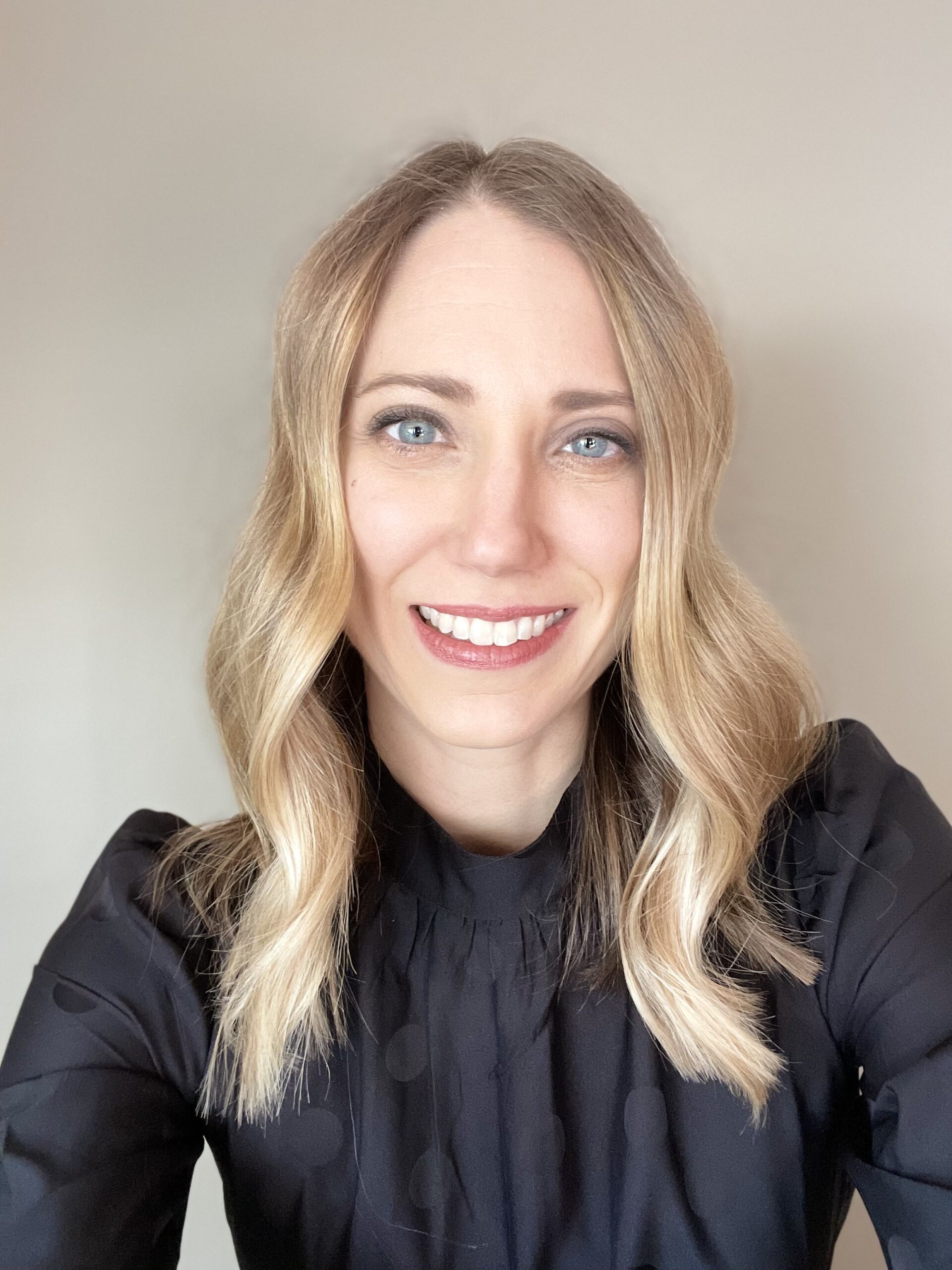
Headshot of Sabine Berlin

Sabine Berlin

Editor

Sabine Berlin is an avid reader of everything from Asimov to Zusak. She has a degree in history, writes YA fiction, and was selected to attend Orson Scott Card’s Literary Bootcamp, where she studied writing and critiquing. She edits full-time for a local university and has worked with Eschler Editing since 2012. She invites you to visit her blog.
    Headshot of Sandra Larsen

    Sandra Larsen

    Editor

    Sandra Larsen is an intern at Eschler Editing. She graduated from UVU with a bachelor’s degree in English and has spent the last decade or so raising four lively children. Sandi is thrilled by the opportunity to join the Eschler Editing team. She has a passion for reading any book she can get her hands on and especially loves discussing books with others. She is learning a great deal about the editing and publishing world and is grateful for any and all experiences she will continue to have.

      Filed Under: Articles, Craft Skills, Editing, Professional Skills, Publishing, Uncategorized, Writing Tagged With: Author, beta readers, criticism, Editing, Editor, feedback, improvement, Writer, Writing, writing groups

      Zoom Discussion: May 21, 2026: The Self-Edit: From Rough to Ready in 10 Rounds or Less

      May 1, 2026 By Marie Leslie Leave a Comment

      author Danielle Thorne
      with Danielle Thorne

      Thursday, May 21, 2026, 7 pm Mountain Daylight time

      View the Recording

      The Self-Edit: From Rough to Ready in 10 Rounds or Less

      You reached “The End.” Now the real work begins. Step into the editing ring with confidence and transform your first draft into a polished manuscript. This workshop is designed for novice and intermediate writers unsure of where to start or what matters most when it comes to revisions. Whether you’re indie or trad, this class will help you create a step-by-step routine to prepare your book for publication and make it a contender.

      Bio: Danielle Thorne is a Publishers Weekly bestselling author of inspirational small town romance with Harlequin’s Love Inspired Books and also writes historical romance and YA non-fiction. A graduate of BYU-Idaho, she’s devoted over twenty-five years to wordcraft and publishing. Danielle lives south of Atlanta, Georgia, with family, friends, and a few cats. When not reading or writing, she enjoys a good documentary or a long walk in the woods.

      Danielle’s website: www.daniellethorne.com

      View the recording

      Filed Under: Monthly Zoom Discussion Tagged With: author business, book writing, Editing, revisions

      How to Approach Feedback on Your Writing

      April 19, 2026 By LDSPMA Leave a Comment

      Receiving edits from an editor, beta reader, or even a friend can be both exciting and daunting. It’s natural to feel a mix of emotions: nervousness to see what your reviewer thought about your manuscript, eagerness to dive into revisions, or apprehension about the work ahead. 

      Feedback can come in multiple forms. If it’s feedback from a beta reader, it might be a few paragraphs long and gloss over a handful of portions of your manuscript. If it’s from a copyeditor, you might get a style sheet and an entire manuscript’s worth of punctuation and grammar corrections. If it’s from a developmental editor, you’ll likely receive an editorial letter and pages of notes. No matter what kind of feedback you get, the following tips will help you interpret it and form a plan to revise your manuscript.

      Remember That Revisions Are Normal

      Going through feedback can be overwhelming. After all, you just handed off your book baby to a stranger! Receiving feedback that requires you to adjust a paragraph here and there may feel relatively easy, but it is another matter entirely to hear a suggestion that, if implemented, will require hours of planning and rewriting. Just take a breather and remind yourself that revisions are a normal step in the writing process.

      Recognize that feedback is not a critique of your writing abilities but a constructive assessment aimed at elevating your manuscript to its fullest potential. Every successful manuscript has been revised. It’s even safe to say that most manuscripts have gone through a plethora of revisions. Your manuscript is no different. Embrace the opportunity to learn and grow from the insights provided.

      Consider Others’ Perspectives

      Whether your reviewer is a professional in the publishing industry or a neighbor down the road, it’s important to consider his or her feedback, even if it differs from your own. One of the most valuable aspects of getting your manuscript reviewed is that there is distance between the novel and the reviewer. Unlike the writer of the manuscript, reviewers can look over the manuscript with fresh eyes. This means your reviewers are in a position to provide outside and objective insights that you as the creator may not be able to see. Their feedback will also reflect what other readers would notice as they read your book for the first time.

      Remember, reviewers provide feedback based on their expertise and experience. Editors have been specifically trained to learn how to make your manuscript successful. They bring a wealth of knowledge about what makes a story engaging and marketable to your target audience. Beta readers are avid readers who will recognize themes you should include in your novel. And perhaps a friend will give you some great pointers.

      No matter who your reviewers are, they will bring value to your manuscript.  It’s important to appreciate their time and effort and truly consider their feedback.

      Seek Clarity

      If you’re unsure about any aspect of the feedback, don’t hesitate to ask for clarification. When reaching out to your reviewer, be specific about the areas of the feedback that are unclear or require further explanation. This might involve asking for examples, elaboration on certain points, or additional context to better grasp the reviewer’s perspective.

      Once you clearly understand the feedback, you may want to brainstorm with the reviewer. Or perhaps you have implemented more changes and want his or her perspective on your next draft. Ask your reviewer if you can share new ideas with him or her based on his or her feedback. Going in a new direction with your manuscript or implementing a big change is scary, and receiving additional feedback and validation from another person so intimately acquainted with your work can be extremely motivating, spurring you to tackle the revision with a sense of purpose and confidence.

      Most reviewers are happy to provide more insight or look over your manuscript again. After all, they’re now invested in your story too. However, it is a good idea to check with reviewers to see when or if they have time to give more feedback. And if working with professionals, make sure to review your contract to see how many revisions are covered or if you will need to schedule and pay for a new round.

      Know What Your Feedback Will Look Like

      There are multiple kinds of feedback, and depending on what that feedback is will determine how you will implement it into your next draft. Let’s talk about a few kinds of revisions.

      Developmental Editing: Editors will indicate which big-picture aspects of your story need the most attention. They will provide detailed explanations of existing issues and how they can be changed. You may receive an editorial letter with a list of items to address or you may receive a document with comments in it or both. No matter what format the feedback comes in, it is important to read and digest all the feedback before you start revising. This way, you can get a clear picture of the reviewer’s overall assessment of your novel. From there, you can determine what changes you need to make and in what order they should be done. Then, you can start rewriting, cutting scenes, or shifting paragraphs around.

      Line Editing: Editors will use Track Changes, which is a feature in electronic documents that allows reviewers to track the changes they make so the writer can see what the reviewers do versus their original work. You will be able to accept or reject these changes in the document. If the changes are simple, like changing a word here and there, you can accept or reject them as you read them. But if the suggested changes affect the manuscript as a whole, it’s a good idea to read all the way through the document before accepting or rejecting changes.

      Copyediting: Editors also use Track Changes to make edits to the technical elements of your manuscript, such as punctuation, grammar, and stylistic consistency. Again, you will accept or reject these changes directly in the document. But since these are all changes that affect presentation and not the book overall, you can accept or reject them as you read.

      Proofreading: When editors look over your typeset document, they will either leave comments directly in the document that note the errors they’ve found, or they will send you an additional document containing a list that indicates the page, paragraph, and line of the error. If you typeset the document yourself, you can use these edits to update your document. If you hired a typesetter, forward this feedback on to the typesetter, and he or she will make sure the feedback is incorporated.

      It’s also important to note that there are no industry-standard ways to give feedback. So it may be smart to ask your editor what format he or she uses or to tell a beta reader that you prefer to review feedback in a specific format. Having proactive conversations like these can prepare you for the feedback you will receive.

      Choose Which Feedback to Implement

      Not all feedback needs to be accepted. In fact, you can choose to accept or reject whatever feedback you like. (This may not be true if you have a contract with a publishing firm. So make sure to double-check that.) However, even though you can choose how to shape your manuscript, it is important to consider the reviewer’s expertise and your publishing goals when deciding which revisions to implement.

      Consider the type of edit done. For example, copyediting adheres to established rules and industry standards, meaning these revisions should typically always be accepted. Developmental edits, on the other hand, may involve significant changes to plot, story structure, or character development, which means they are open to interpretation and should be weighed carefully.

      Next, think about what pros and cons come with accepting or rejecting feedback. For example, if your editor advises reducing the word count to meet industry standards, you can choose not to, but be aware that it may be more difficult to get your book traditionally published. On the other hand, if one out of ten of your beta readers has a negative reaction to a certain character and suggests changes to improve that character, you might not need to implement his or her feedback. But if the majority of your beta readers have a negative reaction to that character, implementing their feedback and changing that character may be in your best interest.

      When looking over feedback, you should also think about your reviewer’s background. Does your reviewer have any credentials that would make their feedback more credible? Is your reviewer familiar with the publishing industry and giving suggestions that will make your manuscript more successful in a particular genre? Or is his or her feedback based on personal preference? For example, let’s say your manuscript focuses on a particular culture, and your reviewer has given you feedback suggesting you make changes to the description of that culture. You should evaluate your reviewer’s expertise in this area. Is he or she making this suggestion because he or she wants the story to be more familiar to him or her? Or is he or she a sensitivity reader who is familiar with the culture? If the former, you most likely don’t need to implement the feedback; if the latter, you probably should.

      It’s also important to remember that your story is uniquely yours. If the feedback you receive doesn’t sit well with you, you do not have to incorporate it into your next draft. For instance, let’s say your story is about two sisters growing up on a potato farm in Idaho. Your reviewer suggests making your characters a brother and sister instead of two sisters. Your reviewer may have a list of good reasons behind this change, and these changes may make your book more marketable. However, you may choose not to accept this suggestion because you have tension with your own brother, which would make it difficult to write about a brother and sister in the manuscript. Or perhaps you’ve been envisioning this book being about two sisters for decades and simply can’t part with that idea. Either way, it’s also important to stay true to your own vision for your manuscript.

      Deciding which feedback to implement is a lot of work. Make sure to evaluate each recommendation in light of your creative vision and narrative goals while also accounting for your reviewers’ expertise and industry standards.

      Remember, the editorial process is a collaboration aimed at elevating your work to its fullest potential. Every piece of feedback is a valuable opportunity to enhance your writing skills and bring your manuscript closer to publication. By balancing your writing goals with constructive feedback, you can navigate the editing process and feel great about the story you put out into the world.

      This article was written by and republished with permission from Ever Editing.

      Filed Under: Articles, Craft Skills, Creativity, Editing, Productivity, Professional Skills, Uncategorized, Writing Tagged With: Author, critique, Editing, editors, feedback, improvement, Publishing, revision, writers, Writing

      How I Learned Not to Loathe Revisions

      June 12, 2025 By LDSPMA Leave a Comment

      We’ve all been there. We just put the finishing touches on our creative piece. After hours of work (and perhaps a few tears), we submit it to a professional for review. Often, we receive feedback that requires considerable revision and makes us question whether we should be engaging in this work at all.

      I write historical romance novels, so this feedback usually comes in the form of substantial content edits from an editor. Unfortunately, I haven’t had the best mindset when it comes to editing my work. In fact, the word I often associate with editing is “loathing.”

      My first novel will be published by a small publisher this September. The first thing I wanted to do when I received the content edits? Cry. I had already hired a developmental editor and made significant changes based on her feedback and input from other readers. I even rewrote the entire ending! And still more edits? 

      I know, I know. I should be open to feedback that helps me grow and improve as a writer. But still, I couldn’t get my brain on board with that idea until I applied a few simple principles to my thought process. You might already be familiar with them because they align with the counsel we receive in the gospel. Here are a few simple ways I’ve found to shift my mindset and develop a healthier attitude toward feedback.

      Recognize the True Potential in My Work

      At least fifty—that’s the number of “no’s” I received from agents and editors when querying my manuscript for almost a year. I didn’t handle the rejection well. Remember those tears mentioned above? Yes, there were lots during this phase.

      I had the idea for my novel for more than a decade, but I put off writing it until three summers ago. My degrees and licenses in business and law don’t exactly translate to writing love stories, but I couldn’t ignore the prompting to embark on this creative journey. My work is not what I’d consider gospel centered. I write clean historical romances that don’t typically include characters with a faith arc. I like to call them “kissing books.”

      So, why did every attempt to put that work out into the world lead to a dead end? Even now, despite a contract with a small publisher (the only one who said “yes” instead of “no”), these doubts still manifest themselves. Why isn’t anyone buying or rating my self-published novella? Why do I have fewer than 200 followers on my social media accounts after eighteen months of effort? Why did 2% of my newsletter subscribers unsubscribe after my latest message? The list goes on.

      When “numbers” and “quantities” start niggling at my mind, it helps to view my work’s potential the way Heavenly Father views us—with an eternal perspective.

      Focusing on the quality of connections I make in this industry realigns my perspective. Reaching one person with my writing is far more important than earning ninety-nine likes on my latest Instagram post.

      Removing the “worldly lens” when valuing my work helps me recommit to this creative calling, especially when critiques (and the doubts that accompany them) follow.

      Speak with My Heavenly Father

      After I received the content edits for my first book, I tried to sit and write part of my current book. No words flowed. It was my worst attempt at writing. I doubted each word, erased more than I wrote, and ended up frustrated, discouraged, and dejected—never a good combination, especially when trying to create.

      This pity party lasted far longer than I care to admit. But I had a deadline to meet, so after hoisting myself up by my bootstraps, I decided to act on a thought that had come during the wallowing—pray.

      Perhaps it’s even more embarrassing to admit that I hadn’t really prayed much in my writing career. Again, these are just kissing books. Why would I need inspiration about romantic interactions like brushing hands and flushing cheeks?

      I gave prayer a go, however, because the idea wouldn’t leave me alone. Did I mention I was stubborn, too? I prayed each time I sat down to edit. I prayed to be open to the editor’s comments and recommendations. I prayed for guidance and inspiration as I selected the right words and phrases while rewriting. I prayed that I would complete tasks by the deadlines. And I prayed for help with my other responsibilities, including being a wife and mom of two, holding down a part-time job, and managing other volunteer roles, such as serving as one of the new vice presidents of LDSPMA.

      I’m not suddenly spitting out a masterpiece akin to Jane Austen’s work or tripling my word count, but I can set aside the emotions telling me my work isn’t good enough. I’ve also overcome the feeling of overwhelm that plagued me during the rewriting process. I meet my deadlines, too (I even met one five days early!).

      Most importantly, prayer changed my perspective. I now see revision as a way to ensure that my work is the best it can be. I feel the loving support of Heavenly Father, even if the process isn’t easy.

      Strive to Do Better Each Day

      Through what other process do we try to improve little by little and day by day? Repentance. We are often counseled that repentance should be a joyful process. While I still pray to find true joy in editing, I can safely say I’ve made it to the “not loathing” stage. I see the true potential in my work by speaking with Heavenly Father through prayer.

      And the best part? I can strive to elevate the gift Heavenly Father has given me every day, even after receiving feedback that requires yet another rewrite. I hope that you, too, continue to strive for true joy in your creative journey.

      Headshot of Casey Cline

      Casey Cline

      Casey Cline collects hobbies and pursuits as quickly as she reads books. She likes to believe her degrees and licenses in business, law, and real estate aren’t entirely incongruous with writing historical stories about the ultimate adventure in life—love. Casey is one of the vice presidents of the Latter-day Saints in Publishing Media and the Arts organization and is a member of the Nebraska Writers Guild. She lives in Nebraska with her husband, two daughters, and three cats. You can connect with her at www.caseycline.com.


        Filed Under: Articles, Craft Skills, Editing, Writing Tagged With: Editing, revisions, Writing

        Why You Don’t Want to Get Your Book Done Quickly

        April 4, 2025 By LDSPMA Leave a Comment

        As a coach, speaker, or business owner, you may have heard that being a bestselling author gives you credibility. After all, having a book helps you:

        • Get more speaking gigs
        • Have another revenue stream to support that platform (from online royalties or selling books at the back of the room after a speaking event)
        • Expand your audience tenfold through a lower-priced product (made available worldwide through online stores and libraries)
        • Increase your opportunities to pitch to media and do interviews on radio, TV, podcasts, etc.
        • Connect with clients and potential business partners by showing your expertise (and don’t forget: you can use your book as a gift!)

        Strategies for Fast Book Production

        So, how do you get a book out there quickly? There are lots of ways to approach this process.

        • Pick only one small, focused problem and offer the solution for it in fewer than 10,000 words.
        • Compile all of your blogs, PowerPoint presentations, etc., and roughly organize them around a few key ideas.
        • Turn your signature speech into a book.
        • Get together with other like-minded professionals and do a themed compilation book on your individual stories or on how you each solved a problem.

        But stop a moment.

        What Haven’t You Heard?

        While I’m all for helping authors self-publish and build their platforms with quickly produced books, I have learned a thing or two coming from “behind the curtain” of traditional publishing that I think most new authors learn only in hindsight.

        Traditional publishers understand the long-term results of good branding.

        They won’t take a book that isn’t really compelling in each of these areas:

        • Well organized; each fresh idea builds momentum gracefully and powerfully, convincing the reader of the value and truth of the ideas being proposed (avoiding redundancy, confusing paragraphs, muddy arguments, etc.)
        • Full of emotionally impactful stories that concretely support the ideas the author is developing
        • A strong, unique hook that can get both media and a bookshelf browser’s attention despite all the competition from similar products
        • Good writing—not just mechanically clean writing (with correct grammar, punctuation, spelling, and lack of typos), but prose that captures the stories and ideas with powerful verbs, word economy, precision, and strong voice/compelling style

        A publisher wants to make the deepest possible emotional impact on the broadest possible audience: impressed, moved, excited readers mean repeat buyers for future books, converted clients for the author (which means a bigger platform for future books), and excellent reviews and interview requests (which drive book sales). Publishers don’t want to rely on one-time marketing strategies to sell a single book in the short term. They are investing in something; they want long-term buying conversion to that author’s brand.

        The quality of the book—from its well-edited guts to its cover to the marketing copy on the back (and even the type of paper it’s printed on)—is a publisher’s best chance to convey the brand experience that will convert readers.

        Compromise for the Solution

        So, yes, you can jump on the bandwagon and quickly slap your book together, have only one or two other people give you their thoughts, and hire a proofreader to find the typos (which is different from the type of editor who deals with the items in the good-branding list above, FYI).

        And you can even sell a lot of books at the back of the room and pay for the kind of marketing that will make it a best seller in some Amazon category. But what’s after that? If someone attends your speech and then buys your signature-speech book, what increased value did you give them? Will they be that interested in the next thing you produce, or will they write you off as a one-hit wonder?

        If you want to use your book to grow your business long-term, the smoothest path to success is to have a clear, firm, and impressive book-branding experience in place from the get-go. It will give them more value, more interest in you, and more loyalty as converted clients (and it will be more convincing to any business partners you’re courting). With a higher-quality book, you’ll truly convey the expertise you have.

        Do Now

        It’s never too late to up-level your branding. If you’ve already published a quick book, don’t sweat it. Let it continue to produce what results it can while you consider if you could take it to the next level. If you’re thinking maybe you should redo the cover or the marketing copy, find a professional in the book industry to help you. Find a good developmental editor (and a deep-line editor) to give you that professional edge. That’s the beauty of self-publishing, after all—you control everything.

        If you’re still developing your book, how do you incorporate the lessons of traditional publishing into your plan for quickly producing your book?

        • Get your content together quickly and, by all means, team up with the marketing power of other professionals if that makes sense for you; but in traditional publishing (where quality equals long-term success), that’s called a draft. It’s not what you go to press with.
        • Get lots of feedback—not from close friends, your mom, or a single mentor. Use whatever networks you have (including social media and/or the audience for any online courses you’ve created) to refine your ideas by beta testing them to see what gets engagement and interest. (You’ll want to find readers who are actually facing the problem for which you’re providing a solution.)
        • Hire a professional developmental editor—don’t just get a copyedit or proofread; these latter services are both types of professional editing, but they are final steps. A developmental editor is trained in developing ideas, making sure your book is well organized, and in helping the audience connect with your voice—in short, his/her job is to make sure the market you want to speak to is going to understand your message and be moved by it. If you’re writing a memoir (or a narrative-driven inspirational/how-to), find out if your nonfiction editor also has extensive training in story structure, thematic through-lines, character development, and so on.
        • When you go to self-publish, hire individuals or teams that have experience in the traditional publishing industry so you can apply that experience to producing a quality book—one that will look as good as what the traditional industry produces. For instance, you want a team who knows what makes a good cover and why. Is the marketing copy actually marketable (has a good hook, covers reader pain points and desires, is well-worded), or is it just a general summary of your content? Does the vendor insist your cover, tagline, and image tell a cohesive genre story and hook your ideal target market? (Most won’t.)

        Sound Like This May Take a While? 

        Actually, we’re talking about adding just a couple of months to your timeline if you bring in professionals to help. In the grand scheme of things, adding two to three months to your release date isn’t much of a bump in the publish-quickly road. (If you have a pressing deadline that’s non-negotiable, just get what you have out and then up-level as soon as you can after that; you want the best version of your book available for bigger audiences as your business grows.)

        If speed is your priority, or you’re really starved for time, you can even give your content to a ghostwriter who can spin gold from it, capture your voice, and have it all done within a couple of months.

        Spun gold—that’s the kind of book that’ll have your readers coming back for more. That’s the kind of book a traditional publisher may consider picking up after you’ve made a self-pubbed success of it. That’s the kind of book that can be your legacy.

        In short? Get it done fast, but get it done right.

        This article was written by Angela Eschler and was republished in this condensed form with permission from Eschler Editing. To read the full version, click here.

        Filed Under: Articles, Craft Skills, Professional Skills, Publishing, Writing Tagged With: Editing, marketing, self-publishing

        How to Master the Apostrophe

        January 10, 2025 By LDSPMA Leave a Comment

        Apostrophes are one of the most diverse punctuation marks in the English language. They can be used and placed in various ways to change the meaning of a sentence. You’ll want to make sure you’re using them correctly, so that your writing reads clearly. In this article, we’ll outline simple rules that will bring confidence and accuracy to your apostrophe use in the future.

        This is an apostrophe: ’ It is also known as the right single quotation mark.

        This looks like an apostrophe but is not: ‘ It is the left single quotation mark, which can’t be interchanged with an apostrophe.

        Apostrophes are used for three main reasons: signifying possessives, replacing missing letters or numbers, and—rarely—to form plurals.

        1. Signifying Possessives

        This is the most complicated use of the apostrophe. Possessives have a handful of nuances based on singular or plural form and, in some cases, the pronunciation of the individual word. But don’t let that scare you. We’ll lay out some simple rules you can follow so you’ll get this down in no time.

        Singular Possessive

        This is the easy one. To show that a singular person, place, or thing possesses something or someone else, add an apostrophe and an s to the end of the noun.

        The cat’s paws were as pristine as a white carpet.

        A student’s book was in the street.

        My toddler’s red balloon sailed into the sky.

        The same rule applies to singular nouns that end in s. Add both the apostrophe and the s at the end of the word.

        James’s dog chases Chris’s ball.

        Arkansas’s capital has a booming industry.

        Agnes’s report said that her crocus’s petals were as vibrant as ever.

        Note: Not every style guide agrees on the treatment of singular nouns as possessives. For example, in the Associated Press (AP) style, the noun being proper or common will determine whether to use an apostrophe or the apostrophe s. However, the majority of style guides, including Chicago style (CMOS), American Psychological Association style (APA), and Modern Language Association style (MLA), agree with the rule above.

        Plural Possessive

        Most plural words in the English language end in s or es to show more than one person, place, or thing. For those plural possessives, add only the apostrophe after the end of the word.

        The knives’ sharpness made even the most experienced chefs take precaution.

        My sisters’ shoes always look pristine.

        The boxes’ angles interested the children.

        For plural nouns that don’t end in s or es, we revert back to the original rule. Add an apostrophe and an s.

        The children’s toys were sprawled across the room.

        The mice’s tails whipped behind them as they ran.

        The women’s discussion enlightened each member of the room.

        There are a handful of words in English that end in s both when they are singular and plural. Examples are leggings and politics. For these kinds of words, just add an apostrophe like you would for plural words ending in s, even if they are used in a singular sense.

        The headquarters’ main office had cubicles.

        The crossroads’ intersections both needed to be cleared of debris.

        The tweezers’ prongs were sharper than necessary.

        Similarly, words that have a plural form ending in s but are singular in meaning, like United States, follow the same rule of adding only an apostrophe.

        Beverly Hills’ homes are some of the most expensive in the country.

        Longwood Gardens’ woodlands contain over 100 floral species.

        Portland Academy of Writers’ meetings are extensive and informative.

        Joint Possession

        When a noun is owned by two or more people, this is called joint possession. The placement of the apostrophe (or apostrophes) in joint possession will change the meaning of the sentence. If two or more people own the same item, only one apostrophe is used with the last written owner’s name. If two or more people own separate but similar items, apostrophes are used with each written owner’s name.

        For example, if we wanted to talk about dogs that were owned by both Jim and Pam, we would write, “Jim and Pam’s dogs.” The apostrophe is placed only after Pam’s name to show that Jim and Pam own the same dogs. If we wanted to talk about dogs that were owned separately, some by Jim and some by Pam, we would write, “Jim’s and Pam’s dogs.” The apostrophes after both names signify that Jim and Pam do not own the same dogs but have their own set of dogs.

        Chancy, Noah, and Clara’s parents celebrated their 28th anniversary.

        (Chancy, Noah, and Clara all have the same parents.)

        Emma’s, Anthony’s, and Sawyer’s parents shop at the same grocery store.

        (Emma, Anthony, and Sawyer all have different parents.)

        Halley and Stuart’s bakery is located on the corner.

        (Halley and Stuart own the same bakery.)

        Josie’s and Caleb’s bakeries are across the street from each other.

        (Josie and Caleb own two separate bakeries.)

        Last Names Ending in S

        Here’s a little bonus section for you. Sometimes last names that end in s can make the plural and the possessive complicated. But if you follow the rules stated above, you can figure out the correct way to write each last name in each situation.

        Let’s say the last name is Leavitt. If we want to talk about one Leavitt (singular) in the possessive form, we would add an apostrophe and an s. “Sophie Leavitt’s nails were painted red.”

        If we want to talk about all the people in the Leavitt family (plural), it would be Leavitts. Now, let’s add the possessive form with the plural. Like we mentioned above, for plurals already ending in s, simply add an apostrophe. “The Leavitts’ car is brand new.” Simple enough, right?

        Here’s where the confusion comes in. What if the last name ends in s already? Let’s take the last name Roberts, for example. In the singular possessive form, we would say, “Ignacio Roberts’s house is the quaintest on the block.” Making that last name plural, it’s Robertses. Now, follow the same rule for a plural noun already ending in s: add only an apostrophe. “The Robertses’ cat dashed under our porch.”

        2. Replacing Missing Letters or Numbers

        Sometimes apostrophes stand in for letters or numbers. These are called contractions. For example, in the contraction don’t the apostrophe stands in for the missing o in the phrase do not. Here are more examples:

        won’t for will not

        ’twas for it was

        gov’t for government

        rock ’n’ roll for rock and roll

        cookin’ for cooking

        Apostrophes standing in for numerals have less variations. They are mainly used to signify the year. So, instead of 1994, we could use an apostrophe to replace the numbers 19 and simply write ’94.

        3. Forming Plurals

        This is the least common use of the apostrophe. In fact, it’s pretty rare. An apostrophe can show the plural form only when adding an s or es would make the meaning ambiguous.

        For example, if we’re talking about lowercase letters of the alphabet in the plural form, it would be confusing to read “The teacher wrote xes on the chalkboard.” The reader may not know if the teacher wrote more than one x or xes. Instead, to be very clear, we would use an apostrophe. “The teacher wrote x’s on the chalkboard.” This applies to lowercase letters, but capital letters are pluralized by adding only s. (“She got all As on her report card.”)

        You may also see this same usage being applied to numbers, but it’s not as common. (“The algorithm required we use only 0’s and 1’s.”)

        Apostrophes are diverse, but you can master them if you review the guidelines outlined above. The more you practice using apostrophes, the more confident you’ll be that you’re applying them correctly. To learn more about apostrophes, you can read the Chicago Manual of Style, sections 7.5–30 and 5.20. And if you’re ever confused, you can always refer back to this article.

        We would like to thank Breanna Call and our friends at Ever Editing for allowing us to share this article with you. To read the other great articles they’ve written, click here.

        Filed Under: Articles, Craft Skills, Writing Tagged With: Editing, grammar, punctuation, Writing

        10 Writing Tips to Make Your Writing Glisten 

        September 6, 2024 By Kami Pehrson 1 Comment

        I’ve always been the bookish sort, hanging out with imaginary characters in the library while my peers went out to recess, reading about adventures instead of going on them, and scanning the dictionary for sophisticated zingers to wield in future (and unlikely) debates. It wasn’t that I didn’t have many friends—though that is also true—but I believed I had a firm grasp of language arts from a young age. However, it wasn’t until I set out to write a novel that I discovered I’d been making some rookie mistakes. Through my study of the craft, suggestions from editors, and earning an MA in English and creative writing, I’ve compiled a list of tips you might find helpful. While no one wants their artistic endeavors stifled by dos and don’ts, incorporating these suggestions to align with your style will make your writing more effective, engaging, and concise. 

        • Eliminate Adverbs 
          Stephen King once told me to cut out all my adverbs. Well, he didn’t tell me this personally, but I did listen to him narrate his audiobook On Writing, so it felt like he was speaking to me. This advice confused me at first. Why wouldn’t I want to use a million modifiers to clear up any ambiguity a lone verb might create in the reader’s mind? Well, because adverbs can be condescending and lazy. Strong verbs provide narrative context to allow the reader to grasp your meaning without relying on a plethora of -ly words. Readers are intuitive; go ahead and trust them. Use adverbs as you would cayenne pepper—just enough to give your writing a kick. (I learned this the hard way in writing and cooking—sorry, family). 
        • Choose Your Dialogue Tags Carefully 
          I loved assigning a clever tag to each dialogue line in my stories. One character would “exclaim,” the next would “shout,” and another “declare.” However, these expressive tags distract from the dialogue and narrative flow. Stick to simple tags like “said” or “asked,” but even these aren’t entirely invisible. Mix them with action beats, internal thoughts, sensory details, and body language. If dialogue can be understood without a tag, don’t use one. Don’t reiterate a character’s emotion with a redundant tag. Also, be wary of onomatopoeic words like “grunt,” “snort,” “groan,” or “guffaw”—these sounds are hard to make while speaking. 
        • Avoid Clichés 
          The adage “All that glitters is not gold” is as true now as when Shakespeare coined the phrase, but overuse of expressions degrades their literary impact. In dialogue, common idioms can reflect a character’s voice, background, or personality, but avoid them in narrative and descriptive passages. Don’t say, “Listening to him talk was like watching paint dry.” There are countless other boring things in the world. Create something original to complete the metaphor and make your writing stand out. 
        • Eliminate or Change Repetitive Words and Ideas 
          I try to avoid overusing my favorite words when writing. However, searching for a synonym in the middle of a writing session can slow down creative flow, and in my case, lead to deep dives into etymological rabbit holes and distractions like word games and quizzes on the dictionary app. Instead, wait until the revision process and use your word processor’s “find” feature to search for words you tend to repeat. Then delete them or think of alternatives.
        • Ground Your Characters and Set the Stage 
          Even if readers can reasonably assume the scene takes place in a particular city or country, let them know where the characters are at the start of the narrative. Don’t let your characters float in a void for the first few paragraphs. Provide enough description to ground readers, but be careful not to overdo it. Each aspect of the character’s environment should serve a purpose, like carefully chosen decorations in a room. Include enough key pieces and furniture to make the setting feel real, and avoid littering it with unnecessary details that distract from your purpose.  
        • Be Specific 
          Words like “there,” “that,” “those,” “it,” “this,” “here,” and “which,” along with other vague pronouns, can slip into sentences when you’re not looking. While these pronouns might be convenient placeholders in a first draft, carefully examine them during editing. Pronouns are necessary and effective when their antecedents are clear, and they help avoid repetition of nouns. However, when their reference is unclear, they can confuse readers and weaken the impact of your writing. Specific language clarifies your meaning and helps readers form a complete mental image of the scene. 
        • Avoid Heavy-Handed Dialect 
          Overwrought vernacular can cause readers to stumble over dialogue, pull them out of the story, and frustrate them. Avoid phonetically spelling words to make a character seem ignorant or foreign. Misspelling words to mimic pronunciation can make the text challenging to read and disrupt the narrative. Plus, it’s easy to get it wrong unless you’re very familiar with the region or social group you’re trying to represent. The goal is to enhance the narrative, not create barriers between your story and the audience. I once tried to write all my dialogue in Early Modern English because my book was set in the 17th century. Alas! My readers grew tired of slogging through all the “forsooths” and “prithees.” I left some archaisms in because what fun would it be to remove them all? As my linguistics teacher advised, “Remain true to your characters and their language, but don’t sacrifice clarity.” Use dialect sparingly to give a subtle flavor of a character’s education, background, and regional origin.  
        • Limit Adjectives 
          Oh, how I love delightful, beautiful, intrepid adjectives. Why else would I spend my childhood reading the dictionary but to stuff my prose full of sharp-witted, erudite, and droll descriptive words? Are adjectives your darlings too? Kill them. They cling to a sentence like barnacles and drag down the narrative. Scrape off adjectives that don’t serve a purpose before they sink your story. Keep only those that sharpen the image or add essential information. 
        • Get Rid of Filter Words 
          Perception verbs like “feel,” “hear,” “see,” “realize,” “watch,” “notice,” and “wonder” clutter up the story, create distance between the reader and the narrative, and dilute the story’s immediacy. For example, instead of “I saw the car drive by,” you could say, “The car drove by.” Immerse the reader in the action and setting by showing instead of telling. For example, instead of “She felt nervous,” you might say, “She clasped her trembling hands in her lap.” Let the reader experience the story through the POV character, not filtered through an extra layer of interpretation. 
        • Use Active Voice Instead of Passive Voice 
          Look for words like “had,” “were,” “was,” “have been,” and other “to be” verb forms followed by the past participle of the main verb. For instance, instead of saying, “The food was eaten by me,” opt for the more direct, active version: “I ate the food.” Replace weak “to be” verb forms with stronger verbs. Using the active voice whenever possible will make your sentences more engaging and precise. 

        Apply or Disregard These Suggestions as You See Fit! 
        Don’t be afraid to write for fear of “breaking” a rule. The key lesson I’ve learned is to put your ideas down on paper, then go back later and make your writing glisten.


        Happy writing and revising! 

        Headshot of Kami Pehrson.

        Kami Pehrson

        Kami Pehrson lives with her husband and five teenage children in Stansbury Park, Utah. She recently finished her master’s degree in English and creative writing and has written three novels—but is still trying to figure out what to do with them. She loves editing, reading, and playing word games on her phone. She also enjoys listening to audiobooks while half-heartedly doing Pilates in the living room.

          Filed Under: Articles, Craft Skills, Writing Tagged With: Editing, revising, Writing

          LDSPMA Member Spotlight: Cathy Lim!

          August 1, 2022 By Trina Boice Leave a Comment

          Cathy Lim lives in Hoover, Alabama.

          What are some names of the books or other media you have created?
          RatedReads.com is my web creation; I love books and words, and I love to share suggestions with others. Rated Reads is unlike the many other book review websites out there in that I give ratings to books for content: “none” or “mild” for fairly clean books, and “moderate” and “high” for those with more profanity, sexual content or violence. It has almost 2,000 reviews now. I’ve also written all kinds of articles over the past few decades about lots of topics; one set I’m really proud of is a series about plastic surgery for KSL.com.
          What inspired you to become a creator of media?
          I went into journalism in college because I love being able to learn and write about … everything! What I was particularly passionate about right from the start was editing. I’ve primarily done copy editing over the years, and it allows me not just to “fix errors” but to really bring out the best in someone else’s work. Sure, I do clean up copy so their stories and characters can shine, and I often suggest better phrasing or words so their ideas are expressed just as they intend. It’s a collaborative process that results in the best creation.
          What has been the highlight of your career so far?
          After 30 years in the journalism/writing/editing business, it’s really hard to pick one thing. I’d say I’ve enjoyed most working for LDS Living and with Deseret Digital Media as a copy editor because I get to collaborate on producing inspiring and uplifting articles. I’ve met wonderful people. Moving more into editing book manuscripts has been something I have wanted to do for a long time, and I’ve enjoyed working with the authors I’ve edited for so far. I’m liking the trajectory of my career.
          What was the best advice you’ve ever been given in your creative journey?
          Love what you do and do what you love.
          What advice do you have for someone just starting out in your field?
          Don’t be afraid to show how passionate you are about something. You don’t have to always present yourself in a dry, professional manner. Show that spark of excitement and passion you have for what you do and the job you may hope to have.
          What keeps you inspired in your daily creative work?
          I think just reading and learning keep my brain active and my creative juices flowing. I get excited by learning new things and reading something that’s really imaginative, well-written, or thought-provoking. That stimulates me to go out there and similarly create.
          What would you like others to know about you or your creative process?
          Words are currency. Using precisely the right word is a passion of mine. I love how we have tens of thousands of words at our disposal. I love the thesaurus. It’s a wonderful tool. I’ll sometimes sit and stew for five or ten minutes over something I’m writing or editing, clicking through options in the online thesaurus, pondering and searching for the exact word I know is out there to express a thought, an intent. Synonyms don’t often mean words are exactly alike; they have shades of meaning, and I won’t settle for the wrong one.
          In what ways do you feel you have been able to be a voice for good in your creative pursuits?
          I think my book review website, Rated Reads, is a particular force for good. It provides crucial information to thousands of readers (and parents of readers) If we’re seeking after works that are virtuous, lovely, or of good report or praiseworthy, it helps to have pertinent information about the millions of books that are available at our fingertips. Some, it’s pretty easy to tell we won’t find content that’s of good report, but others … it’s a complete mystery until we get into the pages and run into things we’d rather not find. My site is a great service.

          You can learn more about Rated Reads at https://ratedreads.com

          Cathy’s copy-editing site is at https://cathycarmodelim.com

          Filed Under: Member Spotlight Tagged With: book editing, book editor, book reviews, copy editing, copy editor, Editing, journalism, LDSPMA, LDSPMA Member Spotlight, Rated Reads

          • Page 1
          • Page 2
          • Go to Next Page »

          Primary Sidebar

          Write for Us

          Would you like to see your article featured here on LDSPMA?

          We are currently seeking article submissions. Learn what you need to know and submit your article here. 

          Recent Articles

          Delivering—and Receiving—Negative Feedback in a Constructive Way

          “If you remember to give feedback with kindness and sincerity and accept it without being defensive, you just may find your writing career reaching new heights.” -Sabine Berlin

          Catching Up to AI

          “Once we better understand that a loving, interested God created us in His image for a powerful, eternal purpose with a vast—mostly untapped—potential, we will realize that AI should be neither feared nor abused.” -Michael House

          A headshot of author Melody J. Williams

          Melody J. Williams: Finding Light Through Writing

          “Write your stories. They matter. They’re important. Your thoughts matter. It makes a difference. Someone will relate—someone who needs to hear what you have to give.” -Melody J. Williams

          Search the Articles Archive

          Article Topics

          Recent Podcast Episodes

          Footer

          • Email
          • Facebook
          • Instagram
          • LinkedIn
          • YouTube

          Shop the LDSPMA Store

          Support LDSPMA with branded merch, including shirts, hats, water bottles, notebooks, stickers and more! Every purchase helps fund LDSPMA programs.

          Shop Now!

          Copyright © 2026 LDSPMA. All Rights Reserved. LDSPMA is not endorsed by nor affiliated with The Church of Jesus Christ of Latter-day Saints.