• Skip to main content
  • Skip to primary sidebar
  • Skip to footer

LDSPMA

Empowering Latter-day Saints to spread light and truth by connecting them at the intersection of faith, creativity, and professional skill

  • Conference
    • The 2026 LDSPMA Annual Conference
    • Conference Registration
    • 2026 LDSPMA Anthology Submissions
    • Theme Contests
    • Exhibit, Advertise, or Sell at the LDSPMA Conference
    • Sponsor
    • FAQs
    • Volunteer at the LDSPMA Conference
    • Past Conferences
      • 2025 Conference
        • Sessions
        • Workshops
        • Awards Gala
        • Internship Fair
        • LDSPMA’s Got (Secret) Talent!
      • 2024 Conference
        • Sessions
        • Workshops
        • ZIFF Networking Dinner
        • Schedule
  • Membership
    • Email Sign Up (Free)
    • LDSPMA NextGen
    • University Chapters
    • Facebook Group
  • Programs
    • Digital Summit
    • Mentoring Program
    • Monthly Zoom Discussions (Free)
    • Master Classes (2026)
  • Podcast
    • Watch
    • Listen
      • Listen on Apple Podcasts
      • Listen on Spotify
      • Listen on Buzzsprout
    • Called to Create Conversations
  • Articles
    • All Articles
    • Faith & Mindset
      • Gospel Principles
      • Creativity
      • Productivity
    • Craft Skills
      • Writing
      • Media, Film & Theater
      • Podcasting & Speaking
      • Music
      • Fine Art
    • Professional Skills
      • Editing
      • Publishing
      • Business
      • Cultural Diversity
      • Marketing
  • Awards
    • 2026 Award Nominations
    • Praiseworthy Awards
    • Spark Awards
    • Lifetime Achievement Awards
    • Past Award Winners
    • Apply to Be an Awards Judge
  • About
    • Mission
      • LDSPMA in the Media
      • Success Stories
      • Viewpoint on LDSPMA
    • LDSPMA Leadership
    • Volunteers
      • Volunteer Year-Round
      • Volunteer at the LDSPMA Conference
      • Apply to Be a Presenter
      • Apply to Be an Awards Judge
      • Resources for Current Volunteers
    • Policies
    • Contact US
  • Support LDSPMA
    • Donate
    • Volunteer
    • Sponsor

Productivity

loading...

When Life Says NO: How to Recover from Major Unexpected Events

April 30, 2026 By LDSPMA Leave a Comment

No one expects surgery to sneak up on them, much less a major abdominal surgery that leaves them incapacitated for a month, but that’s exactly what happened to me on March 3rd, 2026.

It started with mild abdominal pain that worsened over the course of a few days until I couldn’t sleep. I headed to the ER, where they found that my large intestine had twisted over itself. This condition would need immediate surgical correction, or the consequences would be severe.

Between health issues, my father’s passing, and job loss, my life has been filled with unexpected happenings of late. I didn’t wish for this kind of adventure, but this surgery taught me to slow down when life says no. My recovery took far longer than I anticipated, but once I’d been thrust into it, there wasn’t much I could do but rest, re-prioritize, and rejuvenate my soul and body as best I could.

Here are some suggestions that helped me in my recovery and might help you, too.

Prioritize What’s Important

One of the biggest challenges during my recovery was that suddenly, I couldn’t do everything I wanted to do. My surgery resulted in an eight-inch incision on my abdomen. Moving, much less standing and sitting, caused great pain. So I had to learn to say no. Working as a freelancer, I hate saying no to anyone. I want to work on any and all projects that come my way because I never know when things will come again.

But when your ability to function is limited, you must slow down. This means learning to let go of the things you can’t do. Whether that’s a project, a service opportunity, or an outing with a friend, just calmly explain your situation. Most people are very understanding, especially when unforeseen circumstances arise. Saying no can be painful, especially if you’re an overachiever like me. But it’s better to ration your energy than keep going until you burn out. Prioritize your recovery. Everything else can wait.

Take Time to Rest

As you rearrange your priorities, make sure to place rest at the top of the list. And I mean actual sleep: closing the eyelids and nodding off to dreamland. In the initial days after returning home, I slept more than I could have imagined. My surgery taught me rest is the best thing to help the body and brain reset and recover.

Even after you start to feel normal—or mostly normal—you still need to take breaks. I’m not in as much physical pain as before, but I’m still taking naps when needed. Major events take time to recover from, and that is totally normal. Don’t push yourself to jump back into regular activities before you’re ready.

Spend Time with Those You Love

As you get back on your feet, make sure to spend time with the people who matter most. For me, the biggest comfort of my hospital stay was the visitors who came to check on me. Even simple text messages comforted my weary soul.

Studies show that despite the technological advances we enjoy in our modern world, people are lonelier than ever. We need to spend time connecting with those we love because connection helps us feel less alone and boosts our mood, which helps us recover.

Make sure you don’t overdo it. If spending time with friends feels utterly exhausting, it’s okay to let them know and take a break. Do things at your own pace. Just don’t shut out the people who care for you, especially when you’re hurting or grieving. People need people, even if that’s only one visit a week.

Ask for Help

Along with spending time with those you love, don’t be afraid to ask for help. Neither my husband nor I like asking people for help—we were raised to be independent and self-sufficient. But after my surgery, we realized we couldn’t do everything on our own. My energy was entirely focused on feeling better, while my husband focused on work. I had to set aside my stubbornness and ask for what I needed. Friends brought us food and helped us clean our apartment.

Mosiah 2:18 reads “… when ye are in the service of your fellow beings, ye are only in the service of your God.” Give others a chance to serve God by serving you when you need it most.

Give Yourself Grace

Above all, be patient with yourself. Recovery doesn’t happen overnight, and especially after unexpected losses, the grief will last a while. Don’t put pressure on yourself to have everything back to normal as quickly as possible. Healing takes not only time, but also the Savior’s help. Give yourself grace by taking life one day at a time and giving some of that time to Him.

Life is meant to be full of twists and turns (sometimes literally), for it is through experience that we grow. Life might say no in a variety of ways, but there are things we can do to not only recover from the unexpected, but gain from it. It may not be pleasant or easy, but sometimes life saying no turns out to be life-changing; it helps us become who God always meant for us to be.

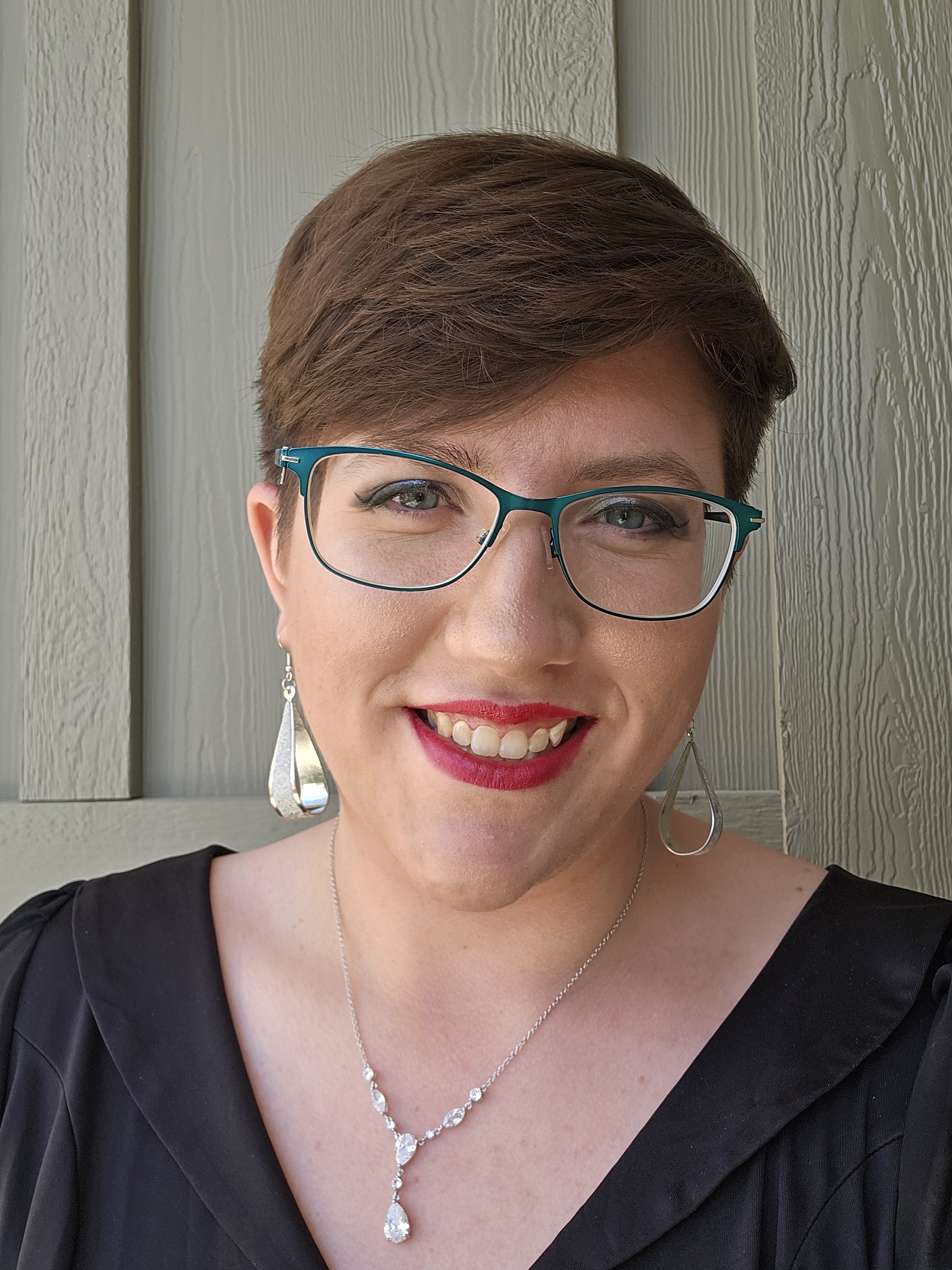
Headshot of KaTrina Jackson

KaTrina Jackson

Author, Editor

KaTrina Jackson loves penguins, chocolate, and piano music, and spends much of each day trying to fit those loves in around her jobs as a freelance editor and a project manager for Eschler Editing. She graduated with a degree in editing and publishing from Brigham Young University. She’s a member of three different writing groups, attends and teaches at multiple writing conferences, has volunteered with LDSPMA since 2021, and recently published her first novel. When she’s not writing, editing, or reading, she can be found practicing yoga, teaching piano lessons, or watching Disney movies while working on a cross-stitch project. She and her husband live in Olathe, Kansas.

    Filed Under: Articles, Faith & Mindset, Productivity Tagged With: burn out, emergencies, grief, healing, recovery, rest, self care, unexpected events

    How to Approach Feedback on Your Writing

    April 19, 2026 By LDSPMA Leave a Comment

    Receiving edits from an editor, beta reader, or even a friend can be both exciting and daunting. It’s natural to feel a mix of emotions: nervousness to see what your reviewer thought about your manuscript, eagerness to dive into revisions, or apprehension about the work ahead. 

    Feedback can come in multiple forms. If it’s feedback from a beta reader, it might be a few paragraphs long and gloss over a handful of portions of your manuscript. If it’s from a copyeditor, you might get a style sheet and an entire manuscript’s worth of punctuation and grammar corrections. If it’s from a developmental editor, you’ll likely receive an editorial letter and pages of notes. No matter what kind of feedback you get, the following tips will help you interpret it and form a plan to revise your manuscript.

    Remember That Revisions Are Normal

    Going through feedback can be overwhelming. After all, you just handed off your book baby to a stranger! Receiving feedback that requires you to adjust a paragraph here and there may feel relatively easy, but it is another matter entirely to hear a suggestion that, if implemented, will require hours of planning and rewriting. Just take a breather and remind yourself that revisions are a normal step in the writing process.

    Recognize that feedback is not a critique of your writing abilities but a constructive assessment aimed at elevating your manuscript to its fullest potential. Every successful manuscript has been revised. It’s even safe to say that most manuscripts have gone through a plethora of revisions. Your manuscript is no different. Embrace the opportunity to learn and grow from the insights provided.

    Consider Others’ Perspectives

    Whether your reviewer is a professional in the publishing industry or a neighbor down the road, it’s important to consider his or her feedback, even if it differs from your own. One of the most valuable aspects of getting your manuscript reviewed is that there is distance between the novel and the reviewer. Unlike the writer of the manuscript, reviewers can look over the manuscript with fresh eyes. This means your reviewers are in a position to provide outside and objective insights that you as the creator may not be able to see. Their feedback will also reflect what other readers would notice as they read your book for the first time.

    Remember, reviewers provide feedback based on their expertise and experience. Editors have been specifically trained to learn how to make your manuscript successful. They bring a wealth of knowledge about what makes a story engaging and marketable to your target audience. Beta readers are avid readers who will recognize themes you should include in your novel. And perhaps a friend will give you some great pointers.

    No matter who your reviewers are, they will bring value to your manuscript.  It’s important to appreciate their time and effort and truly consider their feedback.

    Seek Clarity

    If you’re unsure about any aspect of the feedback, don’t hesitate to ask for clarification. When reaching out to your reviewer, be specific about the areas of the feedback that are unclear or require further explanation. This might involve asking for examples, elaboration on certain points, or additional context to better grasp the reviewer’s perspective.

    Once you clearly understand the feedback, you may want to brainstorm with the reviewer. Or perhaps you have implemented more changes and want his or her perspective on your next draft. Ask your reviewer if you can share new ideas with him or her based on his or her feedback. Going in a new direction with your manuscript or implementing a big change is scary, and receiving additional feedback and validation from another person so intimately acquainted with your work can be extremely motivating, spurring you to tackle the revision with a sense of purpose and confidence.

    Most reviewers are happy to provide more insight or look over your manuscript again. After all, they’re now invested in your story too. However, it is a good idea to check with reviewers to see when or if they have time to give more feedback. And if working with professionals, make sure to review your contract to see how many revisions are covered or if you will need to schedule and pay for a new round.

    Know What Your Feedback Will Look Like

    There are multiple kinds of feedback, and depending on what that feedback is will determine how you will implement it into your next draft. Let’s talk about a few kinds of revisions.

    Developmental Editing: Editors will indicate which big-picture aspects of your story need the most attention. They will provide detailed explanations of existing issues and how they can be changed. You may receive an editorial letter with a list of items to address or you may receive a document with comments in it or both. No matter what format the feedback comes in, it is important to read and digest all the feedback before you start revising. This way, you can get a clear picture of the reviewer’s overall assessment of your novel. From there, you can determine what changes you need to make and in what order they should be done. Then, you can start rewriting, cutting scenes, or shifting paragraphs around.

    Line Editing: Editors will use Track Changes, which is a feature in electronic documents that allows reviewers to track the changes they make so the writer can see what the reviewers do versus their original work. You will be able to accept or reject these changes in the document. If the changes are simple, like changing a word here and there, you can accept or reject them as you read them. But if the suggested changes affect the manuscript as a whole, it’s a good idea to read all the way through the document before accepting or rejecting changes.

    Copyediting: Editors also use Track Changes to make edits to the technical elements of your manuscript, such as punctuation, grammar, and stylistic consistency. Again, you will accept or reject these changes directly in the document. But since these are all changes that affect presentation and not the book overall, you can accept or reject them as you read.

    Proofreading: When editors look over your typeset document, they will either leave comments directly in the document that note the errors they’ve found, or they will send you an additional document containing a list that indicates the page, paragraph, and line of the error. If you typeset the document yourself, you can use these edits to update your document. If you hired a typesetter, forward this feedback on to the typesetter, and he or she will make sure the feedback is incorporated.

    It’s also important to note that there are no industry-standard ways to give feedback. So it may be smart to ask your editor what format he or she uses or to tell a beta reader that you prefer to review feedback in a specific format. Having proactive conversations like these can prepare you for the feedback you will receive.

    Choose Which Feedback to Implement

    Not all feedback needs to be accepted. In fact, you can choose to accept or reject whatever feedback you like. (This may not be true if you have a contract with a publishing firm. So make sure to double-check that.) However, even though you can choose how to shape your manuscript, it is important to consider the reviewer’s expertise and your publishing goals when deciding which revisions to implement.

    Consider the type of edit done. For example, copyediting adheres to established rules and industry standards, meaning these revisions should typically always be accepted. Developmental edits, on the other hand, may involve significant changes to plot, story structure, or character development, which means they are open to interpretation and should be weighed carefully.

    Next, think about what pros and cons come with accepting or rejecting feedback. For example, if your editor advises reducing the word count to meet industry standards, you can choose not to, but be aware that it may be more difficult to get your book traditionally published. On the other hand, if one out of ten of your beta readers has a negative reaction to a certain character and suggests changes to improve that character, you might not need to implement his or her feedback. But if the majority of your beta readers have a negative reaction to that character, implementing their feedback and changing that character may be in your best interest.

    When looking over feedback, you should also think about your reviewer’s background. Does your reviewer have any credentials that would make their feedback more credible? Is your reviewer familiar with the publishing industry and giving suggestions that will make your manuscript more successful in a particular genre? Or is his or her feedback based on personal preference? For example, let’s say your manuscript focuses on a particular culture, and your reviewer has given you feedback suggesting you make changes to the description of that culture. You should evaluate your reviewer’s expertise in this area. Is he or she making this suggestion because he or she wants the story to be more familiar to him or her? Or is he or she a sensitivity reader who is familiar with the culture? If the former, you most likely don’t need to implement the feedback; if the latter, you probably should.

    It’s also important to remember that your story is uniquely yours. If the feedback you receive doesn’t sit well with you, you do not have to incorporate it into your next draft. For instance, let’s say your story is about two sisters growing up on a potato farm in Idaho. Your reviewer suggests making your characters a brother and sister instead of two sisters. Your reviewer may have a list of good reasons behind this change, and these changes may make your book more marketable. However, you may choose not to accept this suggestion because you have tension with your own brother, which would make it difficult to write about a brother and sister in the manuscript. Or perhaps you’ve been envisioning this book being about two sisters for decades and simply can’t part with that idea. Either way, it’s also important to stay true to your own vision for your manuscript.

    Deciding which feedback to implement is a lot of work. Make sure to evaluate each recommendation in light of your creative vision and narrative goals while also accounting for your reviewers’ expertise and industry standards.

    Remember, the editorial process is a collaboration aimed at elevating your work to its fullest potential. Every piece of feedback is a valuable opportunity to enhance your writing skills and bring your manuscript closer to publication. By balancing your writing goals with constructive feedback, you can navigate the editing process and feel great about the story you put out into the world.

    This article was written by and republished with permission from Ever Editing.

    Filed Under: Articles, Craft Skills, Creativity, Editing, Productivity, Professional Skills, Uncategorized, Writing Tagged With: Author, critique, Editing, editors, feedback, improvement, Publishing, revision, writers, Writing

    Why and How to Recognize AI Writing

    February 28, 2026 By LDSPMA 1 Comment

    Can you really spot AI writing? Here are the subtle clues to look for.

    One of the biggest topics being debated in the writing world is how to approach or handle AI in writing. On one hand, AI can be an incredibly helpful tool for authors. It can help brainstorm, organize research, spark ideas, explore alternative verbiage, help you remember how to use a certain phrase—all things that most people agree can boost the writing process in a great way. 

    On the other hand, there are many fears about AI writing becoming a replacement for real writing—whether that means writers relying on AI or AI replacing humans altogether. 

    The key is to use AI responsibly and not let it replace your own voice. Readers can tell when AI has been used too freely, even if they don’t immediately recognize what’s off. When people copy and paste whole paragraphs of AI-generated content, that’s when inaccuracies, fabricated sources, awkward phrasing, or overly formal styles are noticeable. 

    Why Should Writers Learn to Recognize AI Writing?

    Why is it important for writers and readers to recognize AI writing? Here are a few reasons:

    To Stop Misinformation

    AI can and has spread inaccurate facts and information in the publishing industry.

    Imagine following a top summer reading list published by multiple newspapers only to realize that 10 of the 15 books were just made up by AI and, worst of all, were attributed to real authors. That actually happened in May 2025 in newspapers like the Chicago Sun-Times and The Philadelphia Inquirer. Notably, the fake reading list was published just two months after the Chicago Sun-Times had announced that 20% of its staff had accepted buyouts as the paper dealt “with fiscal hardship.” Naturally, subscribers were outraged, and the situation sparked debates online about publishing standards and credibility in a time when AI is being used more and more.

    Now imagine browsing books on Amazon, finding an intriguing one with numerous positive reviews, only to realize the reviews seem to be written by AI. And maybe the book itself is AI-generated. That is all too common now.

    AI-written “companion” books (summaries, workbooks, and guides of legitimate books) are also becoming a widespread problem on Amazon. These low-quality books are designed to piggyback on the success of new, human-written books by using nearly identical titles and the original author’s own name. By the time these books are caught and taken down, damage has already been done in the form of stolen sales, ruined reputations, and confused readers.

    Recognizing AI writing helps writers judge the trustworthiness of certain sources and ensure the accuracy of references. This is especially important for authors of nonfiction books.

    Generative AI chatbots are designed to be very agreeable, and their responses to prompts sound very authoritative and convincing, even when they are completely wrong. Many writers—or, unfortunately, their readers—are finding that AI boldly cites sources that don’t exist, attributes fake quotes to characters, or proclaims wrong details as truth. Authors, reporters, and lawyers who have relied on AI to assist them in writing have taken public hits to their reputations for publishing incorrect information. Learning to spot AI writing can help authors choose credible and real sources. 

    To Protect the Revision Process

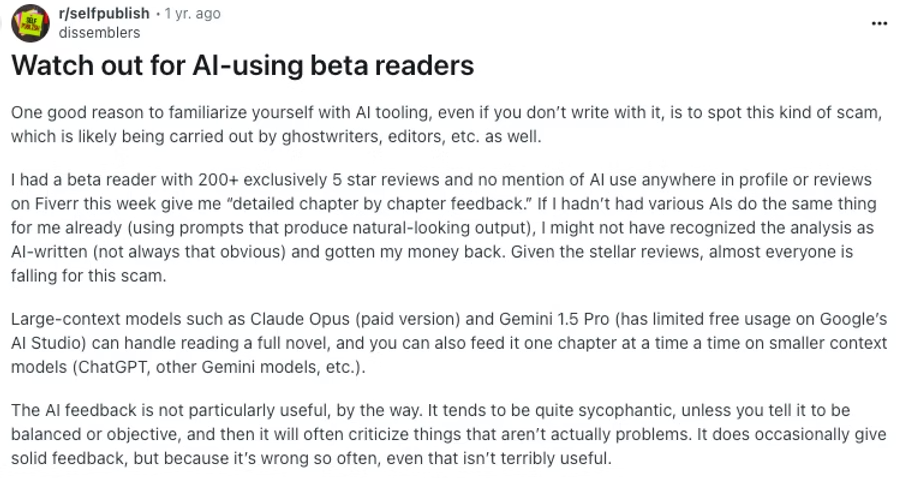
    Some authors have paid for beta reading services only to discover later that the “feedback” was produced entirely by AI. The so-called beta readers confidently referenced sentences and ideas that didn’t exist anywhere in the manuscript, leaving the authors with wasted time and money, not to mention reduced confidence in the revision process.

    Being aware of AI writing could help authors—especially those self-publishing—put safeguards in place to find beta readers who won’t use AI and to spot AI-generated feedback.

    Some ways authors can carefully vet beta readers include reading detailed client reviews instead of relying on five-star ratings, utilizing reputable author circles for recommendations, and exchanging a small sample at first. Authors can also request examples of the reviewer’s work, use AI content detectors (imperfect as they currently are) as a preliminary screening tool, and request to pay for services after the feedback is received. For more on this topic, see 7 Ways Writers Can Prevent Beta Readers From Submitting AI-Generated Feedback.

    Occasionally checking out publishing forums, such as r/selfpublish, is a great way to stay informed on recent trends and pitfalls in the publishing industry.

    To Preserve Creative Writing

    From deciding to engage with a lengthy post on Reddit to picking a book, readers want to read content that is original, nuanced, relatable, and real. Aka, the kind of content that comes from lived experience.

    Almost every piece of published creative writing comes with an unspoken agreement between writer and reader: that it is written by another person. We care that care has been put into the media we consume and become invested in.

    AI can suggest ideas, but it struggles to form cohesive storylines or maintain consistent character and plot threads. Writers who can see these shortcomings can better appreciate the skill they bring to their own work.

    How Can Writers Recognize AI Writing?

    When it comes to AI writing, there are no hard and fast methods to determine if a piece of text is, in fact, AI. AI-detection software is getting better, but so is AI. The only indisputable way to tell if someone is using AI models, like ChatGPT, Copilot, and Gemini, in their writing is if they forget to cut out their prompt.

    But the more AI-generated content is used in online discourse, social media, emails, and even creative works, the better we are getting at identifying it. This is because people are wired to recognize faulty patterns, inconsistent tones, and unnatural expressions. That’s why the concept of the uncanny valley—when something looks or sounds almost human, but feels slightly off—is a thing we pick up on fast.

    You can also identify multiple clues found in AI writing patterns that indicate the writing likely wasn’t written by a human. If you see a few of these clues in what you’re reading, be wary of the source.

    First Clue: A Dramatic Change

    The best clue might ultimately be familiarity. If a person’s writing style shifts dramatically within the same piece of content, or if they use more complex vocabulary or grammatical phrases than usual, it stands out. A sudden shift in tone, style, verbiage, etc., is something to take note of.

    Second Clue: Frequent Em Dashes

    A common attribute of AI-generated writing is its frequent use of em dashes. It is no surprise that AI favors em dashes, since AI models are trained on real human writing. And writers love em dashes!

    Em dashes are some of the most versatile punctuation—they can function like a colon, semicolon, parentheses, or even comma. Those of us who love to write probably use em dashes on an hourly basis; however, the general public does not—especially on social media.

    Because em dashes are easily identifiable, a piece of informal content like social media posts or articles that are filled with them may be an early indicator that AI was used, because humans likely wouldn’t use em dashes in these contexts as much.

    Third Clue: Overly Formal and Structured

    Remember the structured paragraph essay format you were taught in school? Introduction (broad overview and thesis statement), body paragraphs (supporting details and transition phrases), and conclusion (restatement of introduction). That structure was designed to teach students how to organize their thoughts clearly and is still used in professional reports, proposals, and academic-adjacent writing. But in everyday situations, few people write this way. AI, on the other hand, often does.

    AI tends to default to professional or academic language. It favors grammatically perfect sentences with predictable connectors like “furthermore,” “in addition,” or “it’s not x but y.” While these phrases aren’t wrong, their overuse can make the writing feel stiff, robotic, and overly polished. The issue is when this formula shows up in places where writing is usually more flexible, like emails, social media, casual articles, or creative writing. The rigid structure of the formula throws the casual tone off.

    In short, if the writing feels like it came out of a textbook or a standardized test—especially in places where a looser or more conversational tone would make sense—it might be AI.

    Fourth Clue: Surface-Level Substance

    AI-generated writing tends to lack substance. This is partly because AI is trained to predict what sounds plausible or typical, not what’s nuanced or new. As a result, its writing often resembles marketing copy: agreeable and inoffensive. But unlike marketing copy, which is typically concise and snappy, AI-generated writing tends to be verbose and overly relies on metaphors to explain simple concepts. You’ll notice familiar buzzwords, vague clichés, and an overall upbeat tone that avoids conflict or complexity.

    In sum, it’s writing that wants to please everyone.

    Fifth Clue: No Mistakes/Too Perfect

    We’ve all encountered the red or blue lines that show up under our misspelled words or incorrectly formatted phrases. And what are the programs that mark our mistakes powered by? AI. So it makes sense that AI-generated writing rarely contains typos, misspellings, or incorrect grammar.

    But flawless grammar and punctuation just isn’t part of the writing process, especially in early drafts. And flawless content is often not the goal in the first place. People bend grammar to sound more natural or to make a point or to simply be creative. We start messy and then revise. We leave a sentence fragment for emphasis. AI can’t make those intentional deviations effectively.

    So, when you encounter flawless and overly professional or stiff text on places like social media, that may be an indication of AI.

    Authors can use AI to support their work, but they must do so responsibly—for their readers and themselves.

    These are all helpful clues—but that’s all they are. Even when several signs point toward AI, there’s still plenty of room for doubt. Writers who use em dashes and ensure their writing is error-free shouldn’t feel afraid that their work will be confused with AI. Unless you have hard evidence, it’s best to assume the writing came from a human.

    Make AI a tool, not a replacement. At the end of the day, readers love, value, cherish, connect with, and pay for books written by humans.

    This article was written by Amy Guan and was republished with permission from Ever Editing.

    A headshot of Amy Guan

    Amy Guan

    Co-Owner and Managing Partner, Ever Editing

    I edit because I love it. I love plotting outlines, treading through unfamiliar topics, and discovering misplaced modifiers. Editing is an adventure, and I wouldn’t give it up for anything. I love playing video games (open world only), eating whatever my husband grabs from the clearance section at Asian Mart, and being taken on walks by my two big dogs. I have a BA in English and a minor in editing.

      Filed Under: Articles, Craft Skills, Creativity, Faith & Mindset, Productivity, Professional Skills, Publishing, Uncategorized, Writing Tagged With: AI, artifical intelligence, Publishing, research, Writing

      Working Through Creative Block

      January 8, 2026 By LDSPMA Leave a Comment

      Over the last few years, I’ve experienced a creative block in an unexpected place: my life.

      Can you get a creative block in life?

      Writer’s block is something I’m all too familiar with. Either I’d spend hours staring at a blank page, or I’d type and delete paragraphs in an attempt to figure out where the story was supposed to go, despite having a detailed outline. Other times, I’d already finished entire drafts of the same story and nothing had changed up to that point, so I really knew where it was supposed to go. Despite believing my story should be working, I couldn’t get it to budge.

      Fun fact about me: I’m extremely stubborn. When I think a problem has a reason and a solution, I will figure them out. I don’t just want to trudge through the situation and get past it. I want to understand why it’s happening, and I want the experience to be smoother the next time around, thanks to what I’ve learned.

      That said, I didn’t conquer my writer’s block until I figured out how to break through the creative block as it applies to life.

      There are times in life when I feel stuck. Maybe I have goals and a plan, but everything suddenly feels wrong anyway. I feel paralyzed and unable to move forward with anything. I struggle to decide what steps to take next, whether it’s about a job, school, parenting, or my writing career. Nothing makes sense, and I can’t understand why.

      Over the last couple of years, I have taken this uncertainty to God. With His help, I’ve worked through why I was experiencing this form of creative block, and since then, I’ve found that the process that got me through it helps me with other creative blocks as well. I’ll walk you through my process here.

      1. I examine what I believe to be true.

      The first thing I do is identify misconceptions about where I am. In list form, I write statements that highlight my beliefs about reality. Seeing the list in front of me helps me think through the process and feel out what’s not quite right.

      Here’s an example of a list I might make when trying to figure out what’s holding me back from moving forward in life:

      • I’m going to try to traditionally publish my novel.
      • I’m going to attend a family ward instead of a young single adult ward.
      • I’m going to wake up early to write and work out before work every day.
      • I’m going to drive my sister to work and pick her up every day, even though it may interfere with my work schedule.
      • I need to look for a new job.

      As I go over the list, I pay close attention to how I feel emotionally and spiritually. When I land on a statement that needs reconsideration, it feels as if I have struck a nerve. Whether it’s anxiety or a spiritual sense that something is wrong, it’s clear to me which “truth” is not fully true.

      2. I write why I believe this statement is true.

      Usually, the problem is not that the statement is fully false. Say the troublesome statement is, “I need to look for a new job.” Maybe I don’t actually “need” to do that. The problem might lie in my approach to that belief. To discover what the deeper issue is, I start listing out other mindsets and beliefs related to that statement, such as:

      • I need a new job in the next month.
      • I want a job in retail or event management.
      • I have to make at least $18/hour and get benefits.
      • I don’t want to work on Sundays.
      • I’m looking on Indeed.

      There’s often more than one perspective I need to reevaluate, so I don’t stop listing them until I feel I’ve spiritually considered everything that’s relevant.

      3. I consider alternatives to those statements.

      Each statement that feels significant gets its own bulleted list. As I brainstorm changes I could make to those mindsets or goals, eventually one or more options will feel right. Maybe it’s that I don’t need to rush to find a job. Or maybe I need to consider a career change. Maybe I’m undervaluing my time. Maybe I need to explore other platforms or reach out to my network. I consider multiple possibilities for each statement, and they often require more than one change.

      By the end of this process, I usually start to feel excited again. Things are beginning to make sense, even if the necessary changes aren’t what I’d hoped for. Since learning to apply this process to my creative block in life, I’ve also successfully used it to overcome writer’s block and other challenges. Once I begin implementing these changes, everything starts to flow in new ways.

      Creativity is one of the most divine traits we can access, and so I recognize obstacles as evidence of dissonance between my human limitations and an omniscient, all-powerful Father in Heaven. Being stuck doesn’t mean I’m failing. It only means I have more to learn and new ways to collaborate with the Divine. This process has provided me with so much clarity in moments of frustration. I would love to hear from you if you try it and find that it helps you achieve your own breakthroughs, no matter what types of blocks you encounter!

      A headshot of Mariah K. Porter.

      Mariah K. Porter

      Mariah K. Porter is a member of the LDSPMA and the author of Tomorrow I Will Make a List: Managing the Depressive Habit of Procrastination. In addition to her nonfiction, she has also written That Prince Guy, This Glass Heart, and These Extraordinary Thorns, which are fairy tale retellings. You can learn more about her here.

        Filed Under: Articles, Craft Skills, Creativity, Faith & Mindset, Productivity, Writing Tagged With: creative block, writers block

        To Creative Middle-Aged Sisters in the Working World

        April 18, 2025 By LDSPMA 1 Comment

        Middle-aged sisters, I see you.

        You spent your young adult years getting an education and your adult years raising a family. If you’re like me, you’re not the least bit sorry you did, but maybe now you’re not feeling prepared for the next stage of adulting. Don’t get me wrong. I’m not suggesting the work you did before wasn’t serious. It was.

        When children go to college, parents’ health is failing, and you have no idea how to re-enter a career that kept evolving after you left, you’re likely facing some new challenges. If your experience is anything like mine, you’re realizing the world wasn’t custom-made for you. It might’ve been a square-peg-in-a-round-hole situation in your twenties, but it’s another planet now.

        I can’t tell you how to solve it all—that will depend on your goals. But I want you to recognize the skills you’ve picked up along the way. Here are some suggestions that helped me.

        1. Say a Prayer, Study It Out, and Decide What Success Means to You

        I re-entered the working world part-time while my kids were in school. I was blessed with a great boss and a good office culture. Years later, I moved into more responsibility and received more hours.

        A few years after landing the highest-profile job of my life, I walked away. There were many reasons for that, but the two biggest were my desire to help my parents and to salvage my sanity. It was not easy trying to balance the needs of three generations. The decision to leave came after prayer and studying not just scriptures, but family budgets. The prayers brought me peace. The budget told me change was possible.

        I had the benefit of a supportive partner. I am so grateful for that. My experience raising a family on one income told me we could do it. When the children were small, I developed serious cooking and gardening skills. I didn’t know if we would have a lot of vacations and restaurant meals in our future, but we could still eat pasta in red sauce made from homegrown, vine-ripened tomatoes. We could enjoy the company of friends and ride our bikes through a lovely countryside.


        2. Stop Using Other People’s Yardsticks to Measure Your Progress

        I ended up starting my own business, leveraging contacts I already had. Soon, we were not feeling the pinch of a lost income anymore. I bought a new computer, spruced up the home office, paid my taxes, and took some trips. I was a solo entrepreneur for three years, and each year was more profitable than the one before.

        I remember being in a room with other volunteer judges at my daughter’s high school debate tournament. A couple of them talked about their own businesses. I knew they might scoff at my little solo enterprise. They were making a lot more money than I was. Then I asked myself if I was happy. The answer was a definite “yes!” My work was serving my life goals, not the other way around. I was giving my parents some badly needed support. I still had the flexibility to judge a debate tournament and support my daughter’s school. I was having the kind of day I used to dream of.

        Since then, my children have left the nest. My parents have passed on. Eventually, my biggest client (and former employer) wanted me to do some things that required a login—and a hire. I work for them now.

        I still love what I do, and I’m still not rich. I just feel like I am . . . most days.

        3. The Creative Life Might Need Some Boundaries Too

        I wrote a book, but I was disappointed by its sales, especially when I calculated the return on the hourly investment. (One of the consequences of running my own business: I started calculating the value of my time.) I had friends who were able to make the author life work, but the rewards were unpredictable.

        My first hurdle was getting over the feelings of failure. I couldn’t do everything I wanted with what I made as a novelist. My creative side contributed to my profession in public relations and marketing, and I wrote fiction in my off-hours. I comforted myself knowing that writing was a significant part of my work, and I was still being paid to do it.

        Even so, I denied myself some things with a creative goal in mind. In my head, a dream vacation, an arts-focused experience, and a pedicure at that mysterious downtown salon were all reserved for the day I signed a book contract.

        I realized I was holding my life hostage to things outside my control. I got the pedicure, started making vacation plans, and discovered that my love of writing still lived on. It is its own reward!

        4. Give Yourself Some Credit—Mom Skills Are Real

        Here is what I’d like to say to all the moms wondering where they fit in the working world: You’ve learned some valuable things. You just need to help the working world recognize them.

        If you’ve persuaded your children to help in the garden, you know how to delegate and motivate a team. If you’ve operated on one income, you know how to budget. If you raised more than one child, you know the dangers of favoritism and the beauty of recognizing and developing individual talent. If you’ve ever tried to sort out the mystery of how the figurine on the mantlepiece broke, you know some lie-detection skills. If you’ve dedicated yourself to the mom thing for decades, you’ve definitely built up a work ethic.

        So give yourself some credit. Give yourself a hug. Decide how you’ll measure success. Study your possibilities. Say a prayer.

        And if it’s what you want to do, get yourself out there.

        Headshot of JoLynne Lyon

        JoLynne J. Lyon

        JoLynne J. Lyon is a storyteller for hire who specializes in finding the art in everyday life, making complex subjects understandable to the average person, helping others identify authentic stories that resonate with a target audience, and providing professional words and photos across print, web, radio and social media. Read more of her work on her blog, Mountain Lyon Notes.


          Filed Under: Articles, Productivity Tagged With: career choice, working moms

          The Blessings of Involuntary Self-Employment

          October 31, 2024 By LDSPMA Leave a Comment

          I’ve been self-employed for over a year, mostly doing side gigs and odd jobs. At first, it was out of necessity. I found myself out of a job and had a hard time finding a new one. For months, I went back and forth between loving and resenting self-employment. The pay is low and inconsistent, there are no benefits, the schedule is chaotic, my career path seems uncertain, and I could go on. Every so often, I’d send out a mad flurry of resumes to every job I thought I could possibly be qualified for. I haven’t gotten any responses yet.

          It’s become clear that something specific is in the works for me. In the meantime, all I need to do is wait, prepare, and learn to love this phase of life, which has blessed me with opportunities to preserve and foster my spiritual and creative sides.

          Here are some lessons that have blessed me throughout my self-employment journey creatively and spiritually.

          It’s a Trial of Faith

          When I first became self-employed, my life was fear-based. I worked long hours and pushed myself too hard to pay my bills. Sometimes, that effort still wasn’t sufficient. I often had to take time off as I panicked and broke down over feeling stuck, as if nothing I did was enough. I couldn’t take breaks. As I saw it, if I had the opportunity to make money, I had no excuse not to be working. The nature of my work meant there was always opportunity. Not a waking minute passed when I wasn’t stressed about not doing enough.

          I’d been struggling to be active in church for years, and I was afraid to talk to Heavenly Father. Through a series of miracles big and small, I started to open back up to Him, and in turn, He helped me build my faith. I could take real breaks that didn’t involve stressing over the money I wasn’t making. Learning to leave my worries in God’s hands helped all aspects of my health, not just the spiritual.

          It’s Not About the Money

          It took me over a year to learn which goals and mindsets wouldn’t overwhelm me. I don’t always hit my goals, but it’s not because they are bad.

          I’ve been striving to live with spiritual conviction by utilizing my spiritual gifts, following promptings, and knowing at all times that I am exactly where I need to be, doing exactly what I need to be doing. This conviction leaves no room for regret or fear of failure. Living by faith has blessed my life tremendously.

          I often find myself on spiritual side quests as I follow my promptings. These endeavors take time away from the hours I would have worked, but I have never regretted following the Spirit. My faith has grown, I’ve seen blessings in my life and the lives I’ve touched, and somehow, I am always able to pay my bills.

          God Is in the Details

          Heavenly Father regularly uses my side gigs and odd jobs to teach me lessons and remind me He is present. Once while working for DoorDash, I was prompted to accept all food delivery orders that came through, even if I’d lose time or money by fulfilling them. As He instructed me to take on this challenge, He reminded me that I would serve others by offering my time—one of the few resources I had to give. He told me, “If all you ever shared only came from the excess you neither wanted nor needed, then where is your glory?” I am constantly overwhelmed by His wisdom, love, and all He teaches me.

          As I have taken the time to develop my relationship with God and do what He asks of me, I’ve been reminded that I am building myself and my future into something greater than I now comprehend. Though I’ve often felt like I’m failing or falling behind because I don’t have a career or substantial income, I have received many promised blessings. I see that the changes within myself are preparing me for a successful future.

          Reconnecting with my Inner Artist

          I’ve always wanted to be a full-time author. I don’t think that goal is next on my agenda, but writing has always been important to me. It turns out that it’s important to Heavenly Father, too. Some of the blessings included in this self-employed lifestyle are the opportunities to listen to music and belt out songs or to brainstorm plot and character development on the job. I often have plenty of physical and intellectual energy left to be creative when I’m done working for the day.

          For the most part, I’d put my writing on hold for years. Working a full-time job was very taxing for me, and before that, I’d been a full-time mom. However, in redeveloping my relationship with Heavenly Father this year, He began instructing me to write. He’s even helped me as I choose projects, themes, and plots. Now that I am dedicating my time to a novel, I feel spiritually guided as I write.

          There have been days and weeks when I was too busy, too overwhelmed, or even too focused on my spirituality to take the time to write. However, living with conviction means knowing there are times when Heavenly Father doesn’t want me to be doing anything else. It’s getting easier to schedule writing time without Him reminding me to make it happen. I can prioritize my novel because I no longer feel pressured to make money from writing. I realize that writing is a valuable use of my time.

          Here are some steps to help you apply these lessons:

          • Include God in the decision-making and build your faith by allowing Him to guide you through what you cannot control.
          • Experiment to learn what you can control and apply gospel truths to shift how you perceive and accomplish your goals.
          • Look for God’s hand in your life. He is everywhere. No part of your life is untouched by His influence, and you can find beauty and purpose in the struggles and pain. He wants you to learn, feel His love, and experience joy.
          • Know what you want and communicate your aspirations with Heavenly Father. Be willing to listen to what He says in response. If your desires are righteous, you may find He has already been working to get you where you want to be.
          • Learn the difference between what you want (e.g., a specific amount of money to pay bills) and what you need (e.g., peace), especially regarding something you feel spiritually called to do. We don’t always get exactly what we ask for, and we align our will with Heavenly Father’s by learning that difference.

          I can’t begin to describe everything I have learned this year thanks to the opportunity to rekindle my relationship with God while self-employed. I now know He loves me more than I can comprehend. What matters to me matters to Him, and I don’t need to worry as I put my faith in Him. The ends will be met, and the means don’t matter as much as my development along the way.

          A headshot of Mariah Newton.

          Mariah K. Porter

          Mariah K. Porter is a member of the LDSPMA and the author of Tomorrow I Will Make a List: Managing the Depressive Habit of Procrastination. In addition to her nonfiction, she has also written That Prince Guy, This Glass Heart, and These Extraordinary Thorns, which are fairy tale retellings. You can learn more about her here.


            Filed Under: Articles, Creativity, Faith & Mindset, Productivity Tagged With: gratitude

            Unlocking Creativity Amid Trauma: Finding Inspiration on Your Hardest Days

            August 9, 2024 By Kami Pehrson 1 Comment

            Five years ago, clinical psychologist, speaker, and bestselling author Dr. Christina Hibbert—Christi to her friends—filled her schedule with speaking engagements, therapy sessions, group coaching, and writing her fourth book. Her dedication to helping others “overcome, become, and flourish” arose from a deeply personal place, but her world flipped upside down when a mammogram revealed aggressive breast cancer. Though she’d faced loss, trauma, and mental health challenges throughout her life, Christi now faced cancer treatment—a double mastectomy, reconstruction, chemotherapy, and the many complications, additional surgeries, and eventual chronic illnesses that came as a result. “Just as it seemed I would finally take off in my family life and career, it felt like, instead, I crashed.”

            While it can seem impossible to be inspired, inventive, or to produce creative work while experiencing trauma, Dr. Hibbert has gleaned valuable insights from her ongoing journey. She reminds us in her bestselling book This Is How We Grow, “when life throws you in the mud, [you can choose to] plant yourself and grow.”

            Dr. Christina Hibbert

            Accept That Life Doesn’t Always Turn Out the Way You’d Hoped

            Though her mother had been a breast cancer survivor, somehow Christi never thought it would happen to her. But after her mammogram led to an ultrasound, followed by a biopsy, she says, “I knew I was going be diagnosed with cancer before I even had the biopsy. It wasn’t the answer I wanted, but it was my answer to my fervent prayer. I immediately felt God’s reply: ‘I’m sorry, but this is going to happen; but I am with you, and you have been prepared.'” Still, she believed she would beat cancer within three to six months and return to her busy yet rich life as a wife and mom of six, pursuing a career she felt was part of her divine purpose.

            Dr. Hibbert soon realized that there was no returning to the past. “I say now that there is only BC—Before Cancer—and AD—After Diagnosis. Everything has changed.” She experienced countless complications that led to fifteen total surgeries, her last being just seven months ago. “It’s been five years straight of diagnosis after diagnosis, treatment after treatment, nonstop. Though I’ve been working on healing all along, I have learned it’s near impossible to heal the trauma while you’re still being traumatized.” She continues, “I am finally in a place where I can learn and accept my new limitations and rebuild my body, mind, relationships, and life.”

            Mental health challenges that come with trauma can make it difficult to feel inspiration. Still, Christi advises, “Whenever we can, we should try to let it all go, fall apart, and be in the mess because that is the fertile ground where we can most learn and grow. We get the big life lessons and the nuggets of wisdom that we can share in whatever creative form we want. That’s what adds beauty to us—and the world—and heals all.”

            FEEL the Emotions and Do the Work to Heal

            “To me, FEEL means: ‘Freely Experience Emotions with Love,'” she teaches. “We must allow ourselves to experience our emotions fully, in our body and mind and heart, and love ourselves through.” Processing these feelings is crucial for healing and can provide a foundation for creative expression. Christi explains, “I never wanted to be a ‘breast cancer warrior’ or to be inspiring or strong. It’s not what I set out to do in my life. But I believe that I am a warrior because [it’s] about showing up, no matter what comes your way. If you’re showing up for yourself, it’s not just to go through whatever is physically or mentally happening, but also to feel all the emotions, deal with all the thoughts, and untangle the pile of trauma and grief.” She advises: “Go to therapy and do the work. These things are so hard, and nobody wants to do them. It’s just like having surgery; nobody wants to do that either, but it can help.”

            Stop Comparing Yourself to Others

            Focus on your own journey because everyone’s experiences and creative processes are unique. Christi shares, “It’s been really hard for me, seeing so many of my colleagues and friends going above and beyond in their home, family, and career lives—having their writing published, traveling, and things like that. I feel like I’m stuck, and I haven’t ‘done anything.’ But I have survived and worked hard. I’m still dealing with trauma and grief and the mixed feelings of cancer and death anniversaries, but I am slowly, day-by-day, healing.” Remember, your recovery, healing, and growth progress is just as valuable—if not more so—as any external achievement.

            Be Completely Honest and Authentic

            Facing your struggles head-on might be difficult, but it’s essential for growth. Having shared her entire breast cancer and chronic illness journey on her blog and social media, she says, “If there’s anything I’ve done especially well these past five years, it’s being completely open, authentic, honest, and just real. I let people see the real me: ‘This is me sad, this is me happy, and this is me in pain.’ I think that’s why so many people have connected with me and my story because everybody relates.” As she states, “To me, true strength is allowing ourselves to be vulnerable enough to be wherever we are, no matter how over- or underwhelming it may seem.” Vulnerably admitting and processing what you’re going through can enrich your creativity, inspire others, and foster healing and growth.

            Make Your Trauma Your Material

            Transforming your trauma into creative material can be a powerful way to process and express your experiences, making your creative work more personal and impactful. In This Is How We Grow, she writes about her two sisters’ tragic deaths, inheriting her two nephews and going from three to six kids practically overnight, postpartum depression, and other traumas she’s experienced. She says, “I have times where I tell myself, ‘This is my time to be in it—to just be knee-deep in the muck, putting one foot in front of the other.’ Later, I can plant myself in the mud and try to grow. When we’re stuck creatively because we’re having a hard time, if we are willing and brave enough to explore our trauma, whatever we’re going to share, create, or give to the world comes in our hardest times. The message you have for the world is in the mess.”

            Use Creative Self-Expression as a Means of Healing

            Christi advises: “Journal about your experiences. Even if you don’t like writing, recording your thoughts, feelings, and even dreams can be extremely beneficial for sorting through the trauma.” She also recommends talking about it. “Whether in therapy, with a trusted friend or family member, or even sharing publicly as I’ve done, speaking and sharing our stories is healing.” Christi also uses music as an important part of her recovery. “I’m working on a few songs about my experiences, and as I share them, even with my family, music is extremely powerful in healing me on all levels.” Amid her cancer and chronic illness treatments, she also started a podcast called Like a Watered Garden centered on the Church’s “Come Follow Me” program. She says, “I never would have thought I would make a podcast while I was still struggling to not feel sick. It made no sense at the time, but it’s strengthened my faith and testimony. It’s a different kind of creativity I could do with my spiritual side, even when my physical and mental/emotional sides were overwhelmed.”

            Get Creative with Your Creativity

            When we engage in creative activities of any type—familiar or new—we help ourselves cope, understand, and make sense of all we’ve endured. Experiment with various mediums to discover what best helps you express yourself and heal. Christi says, “I would hand letter words, write poetry, or draw about how I felt, and it brought me peace. There are so many ways we can engage our creativity, even when we don’t feel like creating or we’re unable to create in the ways we used to. Pressure, on top of trauma, makes it hard for us to perform.” Exploring new creative outlets with “a beginner’s mind,” as Christi puts it, can allow you to fully appreciate the activity and state of flow instead of viewing it as a chore.

            Dr. Hibbert’s personal experience with trauma has taught her valuable lessons about using creativity as a healing tool. While it can be frustrating to find inspiration in times of stress, Christi urges: “accept your experiences, be honest and authentic, use creativity to express yourself, experiment with different mediums, and avoid putting pressure on yourself. Following these steps can channel your toughest experiences into inspiration and creative expression that can not only heal you but so many others, too.”

            Headshot of Kami Pehrson.

            Kami Pehrson

            Kami Pehrson lives with her husband and five teenage children in Stansbury Park, Utah. She recently finished her master’s degree in English and creative writing and has written three novels—but is still trying to figure out what to do with them. She loves editing, reading, and playing word games on her phone. She also enjoys listening to audiobooks while half-heartedly doing Pilates in the living room.

              Filed Under: Articles, Creativity, Faith & Mindset, Productivity Tagged With: Creativity, healing, trauma

              Healthy Habits for Creatives

              September 21, 2023 By LDSPMA Leave a Comment

              I was once asked to write a Book of Mormon pageant for girls’ camp with less than a week’s notice. That gave me roughly three days to study and two days to write. Picture me, hunkered down at my early 90s-era computer, giving my all for the kingdom. Pressure writing brings out the best in me, but I couldn’t have accomplished this feat without power-eating an entire school of Swedish Fish and slugging down a six-pack of diet Pepsi.

              Fish is healthy, they say, but by the time I pushed print, I had more red dye swimming in me than was used on the set of Psycho. But there was no time for nutritional prudence—the sugar and caffeine provided the temporary scaffolding my word construction stood upon! If only they loaded Swedish Fish with a few omegas, lecithin, and a little protein.

              I admit to repeating this process on more than one deadline. However, I have learned a lot about “crutch foods,” why we lean on them, and which nutrients are helpful during these magnificent bursts of creative genius.

              Now I shall confess that I am a nutritional consultant and an author, which is some type of oxymoron—no healthy person would write books. To be serious, though, I know why people load up on junk, and I also know a better way. Writing presents a lot of physical inactivity while mentally running marathons and pumping literary iron. Buff brain ripples are a poor substitute for saggy abs. Instead of leaning on sugar and caffeine for mental acuity, try any of these healthier ideas.    

              Sugar vs. Protein

              If you are craving sugar, feed yourself protein. Protein will sustain your creative sprints much better. Easy food sources include cheeses of all sorts, hard-boiled eggs, yogurt, jerky, and protein shakes. Nuts and seeds are an excellent choice if you are a “muncher.” Protein will support you with the energy you require without nudging you one step closer to diabetes.    

              Vitamins and Herbs

              B vitamins stoke the nervous system with fuel. They are found in unrefined, unenriched grains, which disqualifies almost everything in a store-bought bag or box. Snack foods that are high in B vitamins include avocados, banana chips, dried plums, unsweetened coconut flakes, oat clusters, baked sweet potato fries, broccoli, kale chips, fresh garden peas—the list of wholesome choices goes on! If veggie snacking is your thing, try dipping veggies in hummus or guacamole. Peanut butter is also a fantastic source of B vitamins, as are most nuts.

              Foods rich in C vitamins are excellent for focus and re-energizing. Not only do they taste great, but they also provide important natural sugars and increase immune function. C vitamin-rich foods also clean the digestive tract. Fruits concentrated with natural blue and red pigments, such as blueberries, blackberries, raspberries, and strawberries, also aid in liver and gallbladder function by thinning bile, a process that prevents high blood fats and diabetes.

              In addition to choosing healthier foods, I recommend herbs and supplements such as ashwagandha and ginseng, vitamin B12, inositol, choline, and omega-3. Each of these things promotes better circulation, increased energy production, and sharp cognitive function. Don’t miss these synergistic essentials.    

              Essential Oils

              Essential oils are currently all the rage, and I do find them helpful. Whenever I’ve stared at the screen too long and I feel a headache coming on, I like dabbing peppermint on my forehead, and sometimes on my upper lip if I’m feeling drowsy because of eye fatigue. You can also dab a bit on the stinging muscles across your neck and shoulders. I like diffusing citrus oils, like lemon, lime, orange, or grapefruit because citrus oils are energizing. Lime is my personal favorite, so I dab it on my wrists and neck pulse points.

              High-frequency oils include frankincense, cedar, pine, and rose. These are beneficial in writing spiritual or inspirational topics and would have been a perfect companion for me to use while cranking out that pageant so long ago. High-frequency oils elevate thought and fine-tune focus.

              Frankincense is perhaps the most beneficial oil of all. The Wise Men gifted it to Baby Jesus for a reason. Frankincense is a tremendous anti-inflammatory agent, so it’s good for a sore back, twinging sciatic pain, a stiff neck, wrist pain, and hand pain. Imagine dabbing a little oil on sore knuckles or thumb joints and having it simultaneously fix the big knot at the top of your neck! Yes, oils can be so very beneficial to your head and brain, and it only takes fifteen seconds for quality oils to absorb through your skin. Sometimes the gentlest medicine packs the biggest punch.

              Breathing Exercises

              A great deal of a writer’s time is spent revising and editing. Here is a breathing exercise that is helpful to the lymphatic system. I call it the Exercise of Three. It doesn’t even require that much concentration to edit words and breathe at the same time, so most folks are good to start this exercise right away. First, inhale to the count of three seconds. Then, hold that breath for the count of six seconds, and finally exhale to the count of nine seconds.

              Our lymphatic systems are like sump pumps in the body. Sump pumps need to be primed, and my Exercise of Three acts as the primer. I recommend doing the exercise in sets of three at least three times per day. The lymphatic system must rid the body of unwanted sludge. Give it a fighting chance.

              Water

              Speaking of sludge, don’t forget to drink water! How much is enough? Take your body weight in pounds, mentally cut that number in half, and that’s how many ounces of water a person should drink in a day. Occasionally I have clients who whine about the fact that they hate water. They ask if they can drink Gatorade or Crystal Light instead. My question to them is always the same: “Would you scrub your tub with Gatorade?” It doesn’t matter what beverage is the favorite or the preferred. The human body still needs water, and all the more desperately if caffeinated or sugary beverages are consumed regularly.

              Take Breaks

              Stand up every twenty minutes and march in place for one minute, or march out to the kitchen for a drink of water and a nutrient-rich snack. Move your arms and legs to get blood pumping and good oxygen circulating everywhere. Before resuming your professional writer’s stance, stretch. Stretching is so beneficial to health in many ways.

              Become self-aware! These baby steps of healthier habits actually create a giant leap of progress, and that makes a brighter, more inspired writer. Just as sentences, paragraphs, and chapters are written one word, one sentence, and one paragraph at a time, your best self is created one healthy choice at a time.

              A headshot of June Marie Saxton.

              June Marie Saxton

              June Marie Saxton is a nutritional consultant and owner of Bear Necessities of Montpelier, a nutritional clinic and bookstore in Montpelier, Idaho. She enjoys all aspects of health and positive living. She and her husband, Mike, also own Saxton Ranch, celebrating the continuing legacy of rural living, the lifeblood of the west.

              Her time is best spent in support of her family and their many activities. In her not-so-spare time, she enjoys writing. Her titles include Dancing with the Moon, Beckon, Into the Second Springtime, Pirate Moon, Emerald Fire, Ball Baby, Veil of Azure Sequins, Mach 16, Diamonds of the Quarter, Improper Son, Tolliver, Haley at the Hop, Perfectly Pepper, The Doctor of Devonshire, Rose of Ravenswood, Saylor, and Roxy. You can learn more about her at her website.

                Filed Under: Articles, Creativity, Faith & Mindset, Productivity Tagged With: Exercise, Health

                • Page 1
                • Page 2
                • Page 3
                • Page 4
                • Go to Next Page »

                Primary Sidebar

                Write for Us

                Would you like to see your article featured here on LDSPMA?

                We are currently seeking article submissions. Learn what you need to know and submit your article here. 

                Recent Articles

                A closeup of a writer's hands, one holding a pen and the other holding a tissue.

                Writing: A Tool to Process Grief

                “I believe that we are each blessed with a creative gift not only to beautify the world and to uplift those around us, but as a method of releasing the hurts and the anxieties we feel because of our struggles.” -Tristi Pinkston

                A woman sleeps on a sofa, cocooned in a blanket

                When Life Says NO: How to Recover from Major Unexpected Events

                “It may not be pleasant or easy, but sometimes life’s challenges turn out to be life-changing, helping us become who God always meant for us to be.” -KaTrina Jackson

                Two women discuss a written manuscript.

                How to Approach Feedback on Your Writing

                “Feedback is not a critique of your writing abilities but a constructive assessment aimed at elevating your manuscript to its fullest potential.”

                Search the Articles Archive

                Article Topics

                Recent Podcast Episodes

                Footer

                • Email
                • Facebook
                • Instagram
                • LinkedIn
                • YouTube

                Copyright © 2026 LDSPMA. All Rights Reserved. LDSPMA is not endorsed by nor affiliated with The Church of Jesus Christ of Latter-day Saints.