• Skip to main content
  • Skip to primary sidebar
  • Skip to footer

LDSPMA

Empowering Latter-day Saints to spread light and truth by connecting them at the intersection of faith, creativity, and professional skill

  • Conference
    • The 2026 LDSPMA Annual Conference
    • Conference Registration
    • 2026 LDSPMA Anthology Submissions
    • Theme Contests
    • Exhibit, Advertise, or Sell at the LDSPMA Conference
    • Sponsor
    • FAQs
    • Volunteer at the LDSPMA Conference
    • Past Conferences
      • 2025 Conference
        • Sessions
        • Workshops
        • Awards Gala
        • Internship Fair
        • LDSPMA’s Got (Secret) Talent!
      • 2024 Conference
        • Sessions
        • Workshops
        • ZIFF Networking Dinner
        • Schedule
  • Membership
    • Email Sign Up (Free)
    • LDSPMA NextGen
    • University Chapters
    • Facebook Group
  • Programs
    • Mentoring Program
    • Monthly Zoom Discussions (Free)
    • Master Classes (2026)
  • Podcast
    • Watch
    • Listen
      • Listen on Apple Podcasts
      • Listen on Spotify
      • Listen on Buzzsprout
    • Called to Create Conversations
  • Articles
    • All Articles
    • Faith & Mindset
      • Gospel Principles
      • Creativity
      • Productivity
    • Craft Skills
      • Writing
      • Media, Film & Theater
      • Podcasting & Speaking
      • Music
      • Fine Art
    • Professional Skills
      • Editing
      • Publishing
      • Business
      • Cultural Diversity
      • Marketing
  • Awards
    • 2026 Award Nominations
    • Praiseworthy Awards
    • Spark Awards
    • Lifetime Achievement Awards
    • Past Award Winners
    • Apply to Be an Awards Judge
  • About
    • Mission
      • LDSPMA in the Media
      • Success Stories
      • Viewpoint on LDSPMA
    • LDSPMA Leadership
    • Volunteers
      • Volunteer Year-Round
      • Volunteer at the LDSPMA Conference
      • Apply to Be a Presenter
      • Apply to Be an Awards Judge
      • Resources for Current Volunteers
    • Policies
    • Contact US
  • Support LDSPMA
    • Donate
    • Volunteer
    • Sponsor
    • Shop LDSPMA

Creativity

Releasing Your Inner Poet: Five Steps to Writing A Poem

May 29, 2026 By LDSPMA 1 Comment

Poetry is a beautiful form of expression that captures a range of human experiences. People might think poetry is a dying art. But believe it or not, you hear poetry every day. Catchy Disney songs? Poetry. The newest Taylor Swift hit? Poetry. K-Pop Demon Hunters power ballads? Poetry. Even the country music you despise? You guessed it. Poetry.

Poetry doesn’t need to be set to music, though. Sometimes the words themselves are pure magic. If you’re a writer of any genre—fantasy, memoir, self-help, sci-fi, literary fiction—poetic elements can help sharpen details and hone imagery.

But how do you do this? Do you just write, “Roses are red, violets are blue, poetry is awful, skip to my Lou?”

I mean, you could. That is technically a poem.

But if you want to practice writing meaningful poetry to improve your craft, I, as a published poet and professional poetry editor, recommend the following five steps.

1. Observe the world around you.

There are ideas everywhere; you just have to look for them. Most of my poems are inspired by things I’ve noticed or experienced throughout the day. The key is to set aside distractions and pay attention to your surroundings.

To start, consider your location. As I write this, I’m sitting in my office, surrounded by knick-knacks, pictures, and mementos that inspire and comfort me. These include a mini anvil, a resin penguin princess (complete with a tiara), a lighthouse music box, dolphin figurines, uplifting quotes, and commissioned art.

Through my window, a big tree is waving its green leaves in the wind. Snippets of sky peek between the roof of our apartment building and the great leafy tree. I spy the top of a building across the street. The sun’s rays warm my skin as my fingers dance across the keys. I hear the calming strains of jazzy piano from my favorite instrumental playlist and the whir of a ceiling fan. And I feel the gentle breeze from that same fan.

Now you try. Pause where you are and observe the world around you. Write down what you see, what you hear, and what you feel. Don’t judge, just let the world be whatever it is and be present in the moment.

2. Find one specific image or sense.

Make a list of your observations. You could write a poem about everything, but it’s much easier (and creates stronger poetry) if you focus on one specific image.

Here are a few examples from the exercise above:

  • The sun on my skin.
  • The gently waving tree leaves.
  • The icy sparkles of the penguin princess’s crown.
  • The gentle cadence of the fan in harmony with the jazzy piano.

All these examples evoke a specific image, sound, or feeling. Your inspiration doesn’t have to be fancy. Just pick one thing from your list.

3. Practice different forms.

I’ve talked to many writers who’ve said, “I’m not a poet! I don’t know how to rhyme!”

Poems don’t have to rhyme. Yes, rhyming is a feature of many poems (and some poets excel at it, like Dr. Seuss), but you don’t have to. I’ve published poems that rhyme and poems that don’t. Just find the form that fits the subject matter.

Some poetic forms are quite complicated, like Shakespearean sonnets in iambic pentameter. Some are much simpler, such as the rhyming quatrain of an ABCB stanza (Emily Dickinson’s preferred form). Free verse, a common form of modern poetry, doesn’t conform to a particular format. However, to strengthen your descriptive muscles, I recommend following the advice of my poetry professor, who encouraged us to use a structured form. The constraints force your brain to think more creatively than just throwing any random words down.

One of my favorite poetry forms is haiku, the Japanese poem written in a 5-7-5 syllable pattern. I love haiku because it’s simple and great for practice. It’s also versatile. I’ve written longer poems in renga (sequential haikus) format because the theme didn’t fit into just one verse.

Traditionally, a haiku is about nature, but you can use the 5-7-5 syllable structure to talk about anything. Here are two examples from the above list…

  • The feel of the sun on my skin:

Sunshine sparkles bright—

rays warm my world-weary hands,

filling me with peace.

  • The icy sparkles of the penguin princess’s crown:

A royal penguin;

her crown of ice gleams like gems,

a mark of her rank.

Your turn! Pick one of your images/senses and try writing a haiku. It’s okay if it takes some time to find the right number of syllables. No one masters poetry instantly. Relax and play around. You might be surprised by what ends up fitting the syllable structure.

4. Read your poems aloud!

Many beginning poets miss this step. As a poetry editor, I read the poems multiple times before I make a single edit, looking primarily at meter and rhyme. Sometimes poets think a word fits the meter when it doesn’t. If the line reads off, it’s likely because one of the words has too many syllables or the final word doesn’t fit the rhyme scheme (if there is one).

For example, in the penguin princess haiku above, I originally wrote “her crown of ice sparkles like gems,” which is 8 syllables instead of 7.

5. Revise as many times as necessary.

Once you’ve read your poem aloud a few times, you can tweak it as needed. Be sure to examine every word and syllable on the page. You might find a word that fits the 5-7-5 structure better, as I found “gleam” to fit better than “sparkles.” Or, you might find a more perfect rhyme versus an imperfect rhyme (when/again instead of rain/again—English is weird like that).

The lovely thing about poetry is that it’s easy to cross words out and give it another go, especially with something as short as a haiku. Don’t be afraid to try again. Poems are little snapshots of memory. Like a photograph, they don’t have to be perfect—they just need to capture the essence of what you felt in that moment.

If you’re a budding writer—or an experienced one—looking for ways to deepen imagery or strengthen your character’s emotions and senses, try practicing these steps and creating your own poetry. Who knows? Maybe you’ll discover, like so many before you, you’ve been a poet all along and just didn’t know it… until now.

May the powers of poetry be with you. Go forth and create!

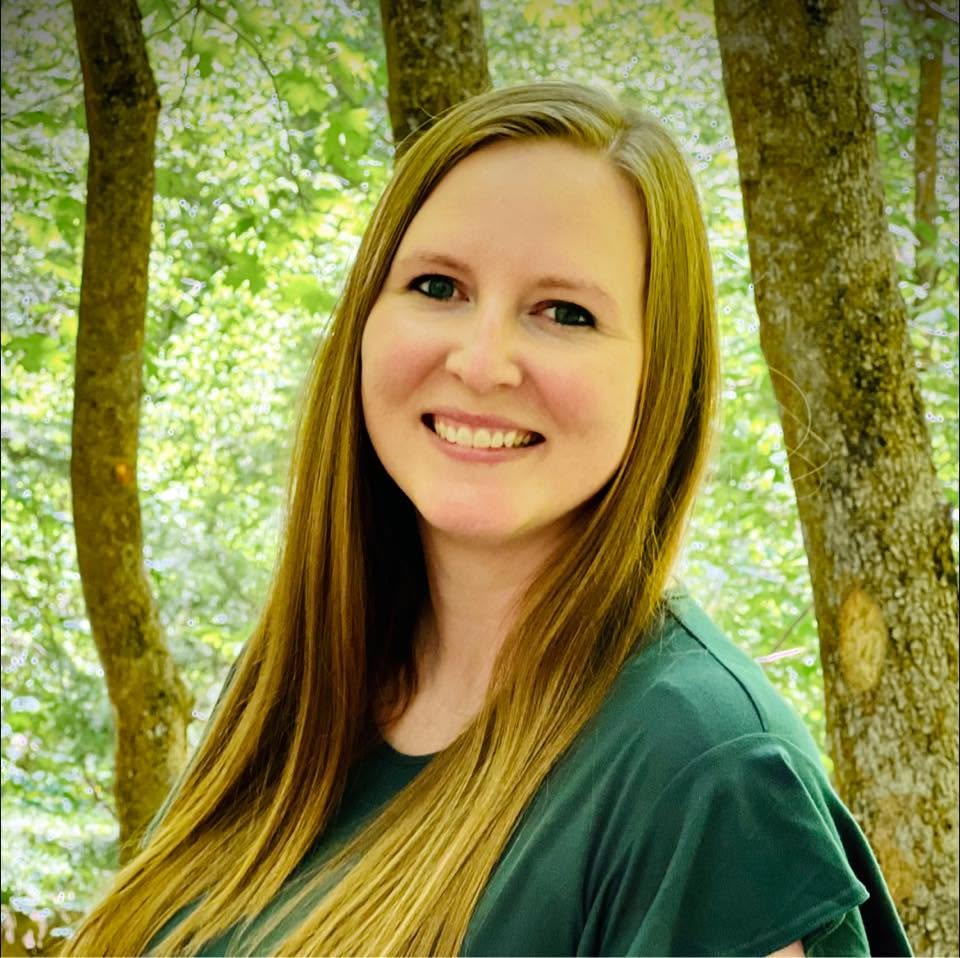
A headshot of KaTrina Jackson.

KaTrina Jackson

Author, Editor

KaTrina Jackson loves penguins, chocolate, and piano music, and spends much of each day trying to fit those loves in around her jobs as a freelance editor and a project manager for Eschler Editing. She graduated with a degree in editing and publishing from Brigham Young University. She’s a member of three different writing groups, attends and teaches at multiple writing conferences, has volunteered with LDSPMA since 2021, and recently published her first novel. When she’s not writing, editing, or reading, she can be found practicing yoga, teaching piano lessons, or watching Disney movies while working on a cross-stitch project. She and her husband live in Olathe, Kansas.

    Filed Under: Articles, Craft Skills, Creativity, Faith & Mindset, Music, Writing Tagged With: authors, Creativity, haiku, lyrics, poetry, Writing, writing craft

    Unlocking Creativity Amid Trauma: Finding Inspiration on Your Hardest Days

    August 9, 2024 By Kami Pehrson 1 Comment

    Five years ago, clinical psychologist, speaker, and bestselling author Dr. Christina Hibbert—Christi to her friends—filled her schedule with speaking engagements, therapy sessions, group coaching, and writing her fourth book. Her dedication to helping others “overcome, become, and flourish” arose from a deeply personal place, but her world flipped upside down when a mammogram revealed aggressive breast cancer. Though she’d faced loss, trauma, and mental health challenges throughout her life, Christi now faced cancer treatment—a double mastectomy, reconstruction, chemotherapy, and the many complications, additional surgeries, and eventual chronic illnesses that came as a result. “Just as it seemed I would finally take off in my family life and career, it felt like, instead, I crashed.”

    While it can seem impossible to be inspired, inventive, or to produce creative work while experiencing trauma, Dr. Hibbert has gleaned valuable insights from her ongoing journey. She reminds us in her bestselling book This Is How We Grow, “when life throws you in the mud, [you can choose to] plant yourself and grow.”

    Dr. Christina Hibbert

    Accept That Life Doesn’t Always Turn Out the Way You’d Hoped

    Though her mother had been a breast cancer survivor, somehow Christi never thought it would happen to her. But after her mammogram led to an ultrasound, followed by a biopsy, she says, “I knew I was going be diagnosed with cancer before I even had the biopsy. It wasn’t the answer I wanted, but it was my answer to my fervent prayer. I immediately felt God’s reply: ‘I’m sorry, but this is going to happen; but I am with you, and you have been prepared.'” Still, she believed she would beat cancer within three to six months and return to her busy yet rich life as a wife and mom of six, pursuing a career she felt was part of her divine purpose.

    Dr. Hibbert soon realized that there was no returning to the past. “I say now that there is only BC—Before Cancer—and AD—After Diagnosis. Everything has changed.” She experienced countless complications that led to fifteen total surgeries, her last being just seven months ago. “It’s been five years straight of diagnosis after diagnosis, treatment after treatment, nonstop. Though I’ve been working on healing all along, I have learned it’s near impossible to heal the trauma while you’re still being traumatized.” She continues, “I am finally in a place where I can learn and accept my new limitations and rebuild my body, mind, relationships, and life.”

    Mental health challenges that come with trauma can make it difficult to feel inspiration. Still, Christi advises, “Whenever we can, we should try to let it all go, fall apart, and be in the mess because that is the fertile ground where we can most learn and grow. We get the big life lessons and the nuggets of wisdom that we can share in whatever creative form we want. That’s what adds beauty to us—and the world—and heals all.”

    FEEL the Emotions and Do the Work to Heal

    “To me, FEEL means: ‘Freely Experience Emotions with Love,'” she teaches. “We must allow ourselves to experience our emotions fully, in our body and mind and heart, and love ourselves through.” Processing these feelings is crucial for healing and can provide a foundation for creative expression. Christi explains, “I never wanted to be a ‘breast cancer warrior’ or to be inspiring or strong. It’s not what I set out to do in my life. But I believe that I am a warrior because [it’s] about showing up, no matter what comes your way. If you’re showing up for yourself, it’s not just to go through whatever is physically or mentally happening, but also to feel all the emotions, deal with all the thoughts, and untangle the pile of trauma and grief.” She advises: “Go to therapy and do the work. These things are so hard, and nobody wants to do them. It’s just like having surgery; nobody wants to do that either, but it can help.”

    Stop Comparing Yourself to Others

    Focus on your own journey because everyone’s experiences and creative processes are unique. Christi shares, “It’s been really hard for me, seeing so many of my colleagues and friends going above and beyond in their home, family, and career lives—having their writing published, traveling, and things like that. I feel like I’m stuck, and I haven’t ‘done anything.’ But I have survived and worked hard. I’m still dealing with trauma and grief and the mixed feelings of cancer and death anniversaries, but I am slowly, day-by-day, healing.” Remember, your recovery, healing, and growth progress is just as valuable—if not more so—as any external achievement.

    Be Completely Honest and Authentic

    Facing your struggles head-on might be difficult, but it’s essential for growth. Having shared her entire breast cancer and chronic illness journey on her blog and social media, she says, “If there’s anything I’ve done especially well these past five years, it’s being completely open, authentic, honest, and just real. I let people see the real me: ‘This is me sad, this is me happy, and this is me in pain.’ I think that’s why so many people have connected with me and my story because everybody relates.” As she states, “To me, true strength is allowing ourselves to be vulnerable enough to be wherever we are, no matter how over- or underwhelming it may seem.” Vulnerably admitting and processing what you’re going through can enrich your creativity, inspire others, and foster healing and growth.

    Make Your Trauma Your Material

    Transforming your trauma into creative material can be a powerful way to process and express your experiences, making your creative work more personal and impactful. In This Is How We Grow, she writes about her two sisters’ tragic deaths, inheriting her two nephews and going from three to six kids practically overnight, postpartum depression, and other traumas she’s experienced. She says, “I have times where I tell myself, ‘This is my time to be in it—to just be knee-deep in the muck, putting one foot in front of the other.’ Later, I can plant myself in the mud and try to grow. When we’re stuck creatively because we’re having a hard time, if we are willing and brave enough to explore our trauma, whatever we’re going to share, create, or give to the world comes in our hardest times. The message you have for the world is in the mess.”

    Use Creative Self-Expression as a Means of Healing

    Christi advises: “Journal about your experiences. Even if you don’t like writing, recording your thoughts, feelings, and even dreams can be extremely beneficial for sorting through the trauma.” She also recommends talking about it. “Whether in therapy, with a trusted friend or family member, or even sharing publicly as I’ve done, speaking and sharing our stories is healing.” Christi also uses music as an important part of her recovery. “I’m working on a few songs about my experiences, and as I share them, even with my family, music is extremely powerful in healing me on all levels.” Amid her cancer and chronic illness treatments, she also started a podcast called Like a Watered Garden centered on the Church’s “Come Follow Me” program. She says, “I never would have thought I would make a podcast while I was still struggling to not feel sick. It made no sense at the time, but it’s strengthened my faith and testimony. It’s a different kind of creativity I could do with my spiritual side, even when my physical and mental/emotional sides were overwhelmed.”

    Get Creative with Your Creativity

    When we engage in creative activities of any type—familiar or new—we help ourselves cope, understand, and make sense of all we’ve endured. Experiment with various mediums to discover what best helps you express yourself and heal. Christi says, “I would hand letter words, write poetry, or draw about how I felt, and it brought me peace. There are so many ways we can engage our creativity, even when we don’t feel like creating or we’re unable to create in the ways we used to. Pressure, on top of trauma, makes it hard for us to perform.” Exploring new creative outlets with “a beginner’s mind,” as Christi puts it, can allow you to fully appreciate the activity and state of flow instead of viewing it as a chore.

    Dr. Hibbert’s personal experience with trauma has taught her valuable lessons about using creativity as a healing tool. While it can be frustrating to find inspiration in times of stress, Christi urges: “accept your experiences, be honest and authentic, use creativity to express yourself, experiment with different mediums, and avoid putting pressure on yourself. Following these steps can channel your toughest experiences into inspiration and creative expression that can not only heal you but so many others, too.”

    Headshot of Kami Pehrson.

    Kami Pehrson

    Kami Pehrson lives with her husband and five teenage children in Stansbury Park, Utah. She recently finished her master’s degree in English and creative writing and has written three novels—but is still trying to figure out what to do with them. She loves editing, reading, and playing word games on her phone. She also enjoys listening to audiobooks while half-heartedly doing Pilates in the living room.

      Filed Under: Articles, Creativity, Faith & Mindset, Productivity Tagged With: Creativity, healing, trauma

      Art Can Make You a Better Writer

      December 15, 2023 By LDSPMA Leave a Comment

      I am a visual learner. Images help me remember and understand things more thoroughly. Art has helped me become a better writer as well. Here are four ways to harness the creative power of art in your writing.

      Turn to Art for Mental Respite

      Art can inspire creativity by activating the part of your brain that is responsible for contemplation and daydreaming. Your brain isn’t designed to stay in work mode constantly. Giving your mind a break from structured assignments allows it to relax—it’s like a brain vacation. When my kids were small, they once sent me to my room for a time-out. It made for the best day ever! Sometimes your brain just needs a break.

      Reflect on Art to Inspire Your Writing

      Slow down and take time to analyze artwork or an interesting photo. Give yourself a moment to ponder about the details and reflect on your impressions. Doing this can lead to new ideas and give you insights that will spark your writing.

      A painting called Pirates by Ned Young, an artist from Brigham City, Utah, hangs on our living room wall. It depicts two young boys standing atop a haystack next to a barn. One boy holds a sword and wears an eye patch, while the other boy looks through a telescope. Beside them, a skull-and-crossbones flag waves on a pole. When I look at that painting, it takes me to a place in my childhood. I can smell the hay. I can feel the summer heat. It makes me wonder if cats live in the barn. Are the boys looking for a place to hide treasure, or are they escaping from hungry cannibals? I get all these impressions from a watercolor painted in Utah.

      Art isn’t just displayed in galleries—it’s all around us. You can find artistry in the way leaves overlap and create interesting compositions. Cloud formations are one of my favorite works of art. Look closely at a spider web or ripple patterns in the water. Find music in the sounds around you. Our Father in Heaven is the ultimate artist.

      If you make art appreciation part of your life, your observation skills will grow. Your ability to write accurate descriptions will improve as you increase your awareness of the world around you.

      Cultivate Empathy through Art

      Elevating your awareness of the creativity around you can increase empathy toward others. As you pay more attention to the subjects in art and how they are portrayed, you may notice details that evoke an emotional response. For example, The Child’s Bath by Mary Cassat holds a special place in my heart because it depicts a woman bathing a toddler, and it elicits feelings of comfort, love, and contentment.

      The Child’s Bath by Mary Cassat

      On the flip side, The Scream by Edvard Munch also reminds me of motherhood, particularly when my kids haven’t picked up their Legos, and I step on one.  

      The Scream by Edvard Munch

      Find Story Ideas in Art

      When you ask questions about what you’re seeing and why the artist portrayed the image in the way they did, it can kickstart your creativity. You can explore even further by inserting yourself into the picture and asking questions from a new perspective. What made the artist choose this subject? If you were the person in the painting, why are you in that setting? What is your story? Engage your senses as you ask these questions. What might you taste, smell, or hear in this situation? Use your enhanced focus to sharpen the way you write your descriptions.

      Take the opportunity for an art break, whether it’s enjoying a painting, a sculpture, or the intrinsic beauty of nature. Art will stimulate your mind, boost your creativity, and help you become a better writer.

      A headshot of Cathy Witbeck

      Cathy Witbeck

      Cathy Witbeck is a Canadian-born author-illustrator transplanted to the USA. She remembers writing and drawing ever since she could pick up a pencil. She did an especially lovely piece of artwork on the side of the septic tank with house paint at a very young age. Perhaps that’s when it was discovered that she was gifted, or maybe it’s why she was sent to the USA.
      She has five grown kids and one grown husband. When she isn’t writing and illustrating, she is chasing after grandkids intent on making their own artwork.

        Filed Under: Articles, Craft Skills, Fine Art, Writing Tagged With: art, Creativity, Inspiration

        Why Fiction Is as Precious to God as Nonfiction

        January 27, 2022 By Nicole Bay 3 Comments

        By Nicole Bay

        When I first began writing, I dabbled in YA fantasy, early readers, middle grade fiction, and picture books. I loved all these genres and the worlds I had created, but after a while, I started to wonder if I was spending my creative time wisely. I wondered if, rather than writing fantastical fiction, I ought to be researching and writing family history stories or writing nonfiction related to the gospel of Jesus Christ or the Restoration of the Church. I started questioning the value of what I was writing and the wisdom of taking time to write fiction that might be better spent using my talents to build the kingdom of God.

        I thought about it, worried about it, and prayed about it. My prayers were answered in several ways over the course of a few years.

        The Desire to Create Is God-Given

        In the October 2008 General Conference, President Dieter F. Uchtdorf shared an important thing we can do to feel God’s happiness—we can create. “The desire to create is one of the deepest yearnings of the human soul,” he said. He emphasized that as children of a creator, we have a desire to be like Him, to create something that did not exist before. This is something I have felt. Ever since I was little, I have known there was an artist inside me. I took classes and participated in activities that allowed me to learn principles of drawing, writing, sewing, and acting, and I basked in the inner glow that creating provided me. 

        The desire to create is one of the deepest yearnings of the human soul.

        Dieter F. Uchtdorf

        President Uchtdorf continued, “Creation brings deep satisfaction and fulfillment.” Even when I struggle to get just one sentence on the page, I feel better for having taken time to work on my art. And nothing beats the floating-on-clouds feeling of being able to type the words “The End” when I finish a draft of a new story. 

        Taking time to be creative has more benefits than just feeling good. President Uchtdorf added, “We develop ourselves and others when we take unorganized matter into our hands and mold it into something of beauty.” Over time I have realized that development of self and others isn’t just referring to the development of talents. This development is all about the sometimes life-changing effects our work can have on us and those who experience our art. Both parties can learn. Both can grow spiritually, intellectually, emotionally, and socially. And both can discover truth through art.

        “Out of the Best Books” Includes Fiction

        The Lord commands us to seek words of wisdom out of the best books so we can teach each other and strengthen each other’s faith (DC 88:118). Of course, He is referring largely to the standard works and inspired writings of members of the Church. The truths found here are the most important truths to develop a testimony of. 

        But there are also many, many other works that can build our faith and lead people to be better for having read or experienced them. As an avid reader growing up, I was touched by fiction and nonfiction stories of heroism, triumphing over trials, clever thinking, kindness, and forgiveness. I will not soon forget the moving themes woven throughout my favorite books of sacrifice and redemption, good versus evil, the power of love, or the huge effect that one person choosing to stand up for what is right can have on the world. And if those stories can resonate so strongly with me, might I not also be able to tell a story that inspires someone else?

        If fiction stories can resonate so strongly with me, might I not also be able to tell a story that inspires someone else?

        I hope so. Because I believe that the best books can do just that.

        God Cares about Your Creative Gifts

        I’m grateful for a commandment to seek out the best gifts and to develop my talents (D&C 46:7–33). My desire to create is a way that I can enrich my own life and bless the lives of others. 

        And because this is a gift that is important to me, it’s important to the Lord as well. Amulek advised us, “Cry unto him over the crops of your fields, that ye may prosper in them. Cry over the flocks of your fields, that they may increase” (Alma 34:24–25). Whether creating art is my hobby or my living, the Lord wants to bless me in my efforts, so I can pray for that guidance, and my work will be better for it. 

        Any Genre Can Be a Conduit of Light

        When Christ exhorted His listeners, “Let your light so shine before men, that they may see your good works, and glorify your Father which is in heaven” (Matt. 5:16), I believe He was talking about letting our testimonies shine through our actions and work. And that includes our creative work. My writing, whether nonfiction, fantasy, or humor, is a conduit for my testimony.

        I’m thankful for the divine desire to create, for the understanding that all can learn from the best books, for the knowledge that God wants to support me in my work, and for the calling to share my light through my work.


        Nicole Bay teaches linguistics and English language courses at BYU. She is also the Internships Coordinator for the Linguistics Department. She loves to write for children, especially when she can include fun facts about language and linguistics in the story. She spends her non-work time gaming with her family, reading, writing, doing New York Times crosswords, and volunteering for writing conferences. She currently serves as LDSPMA’s director of education.


        Recent Posts

        Releasing Your Inner Poet: Five Steps to Writing A Poem

        “If you’re a budding writer—or an experienced one—looking for ways to deepen imagery or strengthen your character’s emotions and senses, try creating your own poetry… Maybe you’ll discover you’ve been a poet all along and just didn’t know it.” -KaTrina Jackson

        Continue Reading Releasing Your Inner Poet: Five Steps to Writing A Poem

        A closeup of a writer's hands, one holding a pen and the other holding a tissue.
        Writing: A Tool to Process Grief

        “I believe that we are each blessed with a creative gift not only to beautify the world and to uplift those around us, but as a method of releasing the hurts and the anxieties we feel because of our struggles.” -Tristi Pinkston

        Continue Reading Writing: A Tool to Process Grief

        A woman sleeps on a sofa, cocooned in a blanket
        When Life Says NO: How to Recover from Major Unexpected Events

        “It may not be pleasant or easy, but sometimes life’s challenges turn out to be life-changing, helping us become who God always meant for us to be.” -KaTrina Jackson

        Continue Reading When Life Says NO: How to Recover from Major Unexpected Events

        Filed Under: Articles, Craft Skills, Faith & Mindset, Gospel Principles, Writing Tagged With: Creativity, fiction, gratitude, Nicole Bay, spirit of gratitude

        LDSPMA Member Spotlight: Mary Beesley

        November 27, 2021 By Spencer Skeen 1 Comment

        Mary Beesley lives in St. George, Utah.

        What are some names of the books or other media you have created?

        Dragon Blood and Wolf Pack are books 1 and 2 in the Draco Sang Trilogy, a YA fantasy series.
        To Unite a Realm is my adult fantasy.
        Betting on Love, is my romantic comedy.
        My next project is a women’s fiction piece.

        What inspired you to become a creator of media?

        When I found out I was going to have a fourth child, I got discouraged and overwhelmed. God inspired me to start writing stories. At first it was a place for me to be creative and decompress, then I fell in love with it. I took classes and worked hard to practice and improve. I write because I want to, and I’m good at it.

        What has been the highlight of your career so far?

        The first moment when I was reading my manuscript and I realized it was good, really good. It hit me that I’d finally found what I want to do with my talents and time. That sense of rightness and belonging has filled me up and fueled me through hard writing sessions and painful rejections.

        What was the best advice you’ve ever been given in your creative journey?

        Don’t give up. Take a rest, but don’t quit.

        What advice do you have for someone just starting out in your field?

        Be patient! With yourself and your work and your editors. Read a lot. Becoming a great writer takes time. Enjoy the journey because there is no finish line. Give yourself grace and trust your gut. Art is subjective, don’t let someone else’s negative option of your creation become your own. Your voice is unique and important. It will take time and effort and learning to be a good writer. Put in the work.

        What keeps you inspired in your daily creative work?

        Nature. Being out among the beauties and intricacies makes me want to create. Observing humanity. Reading books, essays, and poetry. And of course, writing. Writing begets writing.

        What would you like others to know about you or your creative process?

        My creativity is incredibly important to me, and I try to honor it. I respect my writing time by making sure to schedule it when my mind is most active and fresh. I own my art. I write from my heart and don’t force stories that don’t feel genuine or important. It’s hard work to write well, and I expect round and rounds of edits. The time at the keyboard is only a fraction of all that goes into a story. Thinking time is vital, and I don’t skimp on listening to the silence and going on walks.

        In what ways do you feel you have been able to be a voice for good in your creative pursuits?

        In all my books, I aim to show the light and hope amidst the darkness. There is pain and grief in every life. I try to be real about that place but show the rays of goodness and courage that are there to be found.

        If you want your spotlight to link to your website or any of your social media platforms, include the URLs here.

        https://www.marybeesley.com/

        https://www.instagram.com/marybeesleywriter/

        https://www.facebook.com/MaryBeesleyAuthor

        Filed Under: Member Spotlight Tagged With: adult fantasy, Author, Betting on Love, Creativity, Draco Sang Trilogy, Dragon Blood, Latter-day Saint Publishing and Media Association, LDSPMA Member Spotlight, Mary Beesley, romantic comedy, To Unite a Realm, Wolf Pack, YA fantasy

        Faith and Fear are Two Sides of the Same Coin: 3 Steps to Creating in Faith

        August 12, 2021 By LDSPMA Leave a Comment

        By Lauri Mackey   

        Both faith and fear are a belief in something unseen and yet to be experienced; why do we sometimes give fear more power than our faith?

        While there are several analogies we can use to prove this point, let’s focus on sharing our creative talents with others as members of LDSPMA—in whatever form that may take. For me, it is a love of the microphone in inspiring others with my words and a love of stringing words together into a poem, a blog, a book, my journal, or simply penning a letter to a friend.

        For you, that may also include creating music, editing someone else’s words in the form of a book or lyrics, or acting in front of the camera or catching the scene as the cameraman. 

        There is a certain amount of faith and fear that can be in constant battle with each other.

        Whatever your chosen form of media from publishing to podcasting, I believe there is a certain amount of faith and fear that can be in constant battle with each other. Faith is the moving force to propel us forward with our work and fear keeps us frozen in place or worse, moving backward.

        Let’s examine both for a minute, shall we? Where do faith and fear come from?

        Fear

        In 2 Timothy 1:7 it reads “For God hath not given us the spirit of fear; but of power, and of love, and of a sound mind.” Let’s be clear that we are not talking about a “fear of God” which is actually not to be afraid of our loving Heavenly Father, but is akin to “awe, worship, and reverence” of God as outlined in the Bible Dictionary. I therefore suggest that fear is most definitely not of God, but of the adversary to stop us in our tracks of not sharing our talents and gifts with others for fear of rejection, shame, guilt, or simply making a mistake.

        Faith

        But faith, faith is beautiful! Geeking out a bit more in the Bible Dictionary, let me share a few passages found under the definition of faith.

        • Faith is to hope for things which are not seen, but which are true.
        • Faith is kindled by hearing the testimony of those who have faith.
        • Faith is an action word.
        • Faith is a principle of power.
        • Faith is a gift.
        • Faith must be nurtured and sought after.
        • Where there is true faith there are miracles, visions, dreams, healings, and all the gifts of God.

        Just reading about faith makes me want to grab my pom-poms and cheer for you to rise up and be the best you can be in whatever your chosen field, but even I have that fear that can cause me to find a million excuses to not work on my book or blog today…the laundry needs to be done, I have errands to run, the dog ate my homework…

        How then can we choose faith over fear on sometimes a daily if not hourly basis?

        I’d like to suggest three powerful antidotes to your fear:

        First, motivation is not step one.

        Second, leveling up your support.

        Third, cultivate a green thumb.

        First: Motivation is Not Step One

        If you are waiting for motivation to hit you between the eyes, you are putting your life and your work on hold unnecessarily. Motivation is a powerful tool, but you will never keep it going if you don’t take the first step.

        The best example I can use is that of attending an awe-inspiring, motivating, rah-rah conference. It could have been an amazing podcast you listened to or a Time Out for Women event, or the latest LDSPMA conference. You go, you get inspired, you meet people in your field and chat with them, you take copious amounts of notes, and then rush home to do the work only to be waylaid yet again. What happened? You were completely fired up and then fizzled out after day one or week one. It’s because motivation is step two.

        Step one is action. Motivation is step two. But there is a third step you absolutely must take in order for this to work. The third step is momentum.

        You absolutely must take step one which then motivates you. You then create a cycle of action, motivation, action, motivation, action, motivation, which in turn creates momentum.

        Have you ever tried to move a large object uphill? You need a running start, maybe an extra person or two or three, and then momentum is created to get your large object up the hill. Without it you stay at the bottom of the hill simply staring at your large object and the large hill and never try.

        So who are those extra couple of people that helped you get the large object up the hill to create the momentum you needed? That brings us to our next item of support.

        Second: Leveling Up Your Support

        Jeffrey R Holland said it best: “Faith-filled life is not a stress-free life.”

        I believe that we are always going to have some sort of stress in our life. One of my favorite sayings lately is that “I don’t love drama, but it loves me.” I’m over here minding my own business when KAPLOWEE!! A friend is in distress, relatives are bickering, a sister I minister to has gotten offended once again and wants to tell you all the reasons she will never come to another church activity ever again…you get the idea.

        I understand that we can also create our own stress, but the point is that even if you’ve done everything you can to eliminate stress in your life, things happen. It’s life! It wasn’t meant to be smooth and if your life has been a cakewalk I truly want to visit with you and learn your secret as soon as possible.

        Stress comes in so many forms—physical stress, emotional stress, work stress, school stress, family stress, relationship stress, and yes, even church stress. Stress is something that in main stream media has become the enemy. It is wrapped up in a big ol’ ball of yuckiness that attacks at any given moment. Sometimes it sneaks up on you ever so slowly and sometimes it just smacks you in the face…right between the eyes. Let’s break down stress a little further.

        My motto has been “to clean a mess you have to make a mess.” 

        Have you ever cleaned out a closet, a drawer, or your file cabinet? You have to make a mess to clean a mess. It gets worse before it gets better, but downsize and get rid of you must.  Admittedly, I’m an organizational freakazoid. Whenever I start feeling overwhelmed and completely stressed out, my first line of defense is to take inventory, evaluate what I can possibly let go, and then manage my feeling of being overwhelmed.…I clean out a closet.

        Whatever is stressing you out, step back, take an inventory and see what you can let go. This is the first step in letting unnecessary stress go. Then step two would be to up-level your support to not only match your stress, but hopefully surpass it. Stress is ok. You heard me correctly.  Stress is ok, but it absolutely must be tempered with support. If your scales are not balanced between your state of being overwhelmed and your support, you are stressed.

        Sometimes the stress we are working with can be handled on our own through prayer, scripture study, talking it out with a friend or relative. But sometimes you need more than that. Anytime I’m feeling overwhelmed and I can’t seem to shake it I inevitably reach for one of two things—my therapist’s phone number, or someone specific to help me in whatever is the stressful problem. If it’s an emotional problem, yes, it’s the therapist, but if it’s a spiritual problem it may be my bishop. If it’s a problem with my book and I’ve hit a wall, I call my author friends.

        Stress may be our constant companion at times, but I believe with the right type and level of support, faith will win over fear every time. Grab those one or two or three people to help you push that large object up that even larger hill.

        Third: Cultivating a Green Thumb

        Faith starts as a seed…but just like a seed it takes time and cultivation to grow into something worthwhile. What does that mean for us in practical terms? Practice!

        Abraham Lincoln once said that “Discipline is choosing between what you want now and what you want most.” Discipline is all about practicing. It’s about choosing again, again, and again to work toward what you want most instead of what you want right now.

        What does [faith] mean for us in practical terms? Practice!

        Think about this with exercise. From the professional football player or ballerina to the mom wanting to gain strength back so that she can keep up with her toddler, discipline is needed to take the time and required effort to exercise to achieve your goal.

        Think about this with a musical instrument. When I interviewed Jenny Oaks Baker for my podcast, the thing that struck me most was the time commitment her parents had taught her growing up in playing the violin. She has lovingly passed on that trait to her children who now tour with her. Discipline is all about practicing.

        Admittedly, I was born with more of a black thumb than a green one. I’ve killed more plants than I can count—so sad. But I kept at it. I learned how to choose plants that were more hardy and could survive my black thumb issues. I employed people who knew how to take care of plants and asked for help. I’m happy to report that while I may have not gotten all the way to having a green thumb, it’s definitely more brown than black.

        Faith is the same. Perhaps you were born with a green thumb and I am so happy for you! But if you tend to lean more towards the black or brown thumb persuasion, there is hope! Don’t ever give up! Practice can and will support you in your journey towards more and more faith.

        Decide now to do what President Nelson in the April 2020 general conference challenged us to do when he said, “The Lord loves effort.” Discipline takes effort, and sometimes that effort includes a lot of hard work, but with our Heavenly Father, the Savior Jesus Christ, and the Holy Ghost by our sides, we can try a little harder.

        Faith and fear are two sides of the same coin: both are a belief in something unseen and yet to be experienced.

        Your gifts and talents in your chosen field are needed. My hope is that you can find some motivation in these words and plan right now to take that action step that will create your own motivation, and then momentum in giving faith all of the glory and power it deserves and kicking fear to the curb.


        Lauri Mackey, Positivity Crusader, is the proprietor of Lauri’s Lemonade Stand, a Positivity Podcast for Women and authoress of Positivity Happens, Creating Happiness and Finding Hope through The Art of Holiatry. Lauri is currently working on her next book and holding firesides throughout the Western United States with the goal of sharing hope, light, and love with others. Lauri’s unique background of struggle through experience has her shouting from the rooftops that if she can come through it, anyone can! 

        Links to Lauri’s work:

        Facebook @LaurisLemonadeStand

        Positivity Happens Book

        LLS Podcast on Apple Podcasts

        LLS Podcast on Spotify

        Lauri’s Lemonade Stand Website/Blog

        Filed Under: Articles, Faith & Mindset, Gospel Principles Tagged With: blog, Creativity, faith, fromyourownlife, Mackey

        Member Spotlight: Alan Sanderson!

        April 17, 2021 By Trina Boice Leave a Comment

        Dr. Alan Sanderson lives in Enoch, Utah.

        What are some names of the books or other media you have created?

        I have two main creative outlets:
        1) The Medicine and Faith blog, started in 2014, where I write from my perspective as a Church member and as a practicing neurologist, and
        2) My music website, started in 2017, where my family members and I post our recordings and collaborations, as well as tutorials and reviews of the software and hardware tools that we use in our home studios.

        What inspired you to become a creator of media?

        The Medicine and Faith blog was inspired by Elder Uchtdorf’s encouragement for Church members to share the gospel online. I was also influenced by Clayton Christensen’s book, The Power of Everyday Missionaries. But I think I have always been a creator. For as long as I can remember, I have wanted to make music, images, and stories.

        What has been the highlight of your career so far?

        Medicine is my career; writing and music are just hobbies. That said, it was an honor to receive a Praiseworthy Award at the 2018 LDSPMA conference.

        Image for The Queen of Public Transportation, a song by Tom and Alan Sanderson.
        What was the best advice you’ve ever been given in your creative journey?

        Have fun!

        What advice do you have for someone just starting out in your field?

        Creating is more fun when you are learning. Learn new skills, build your foundation, and be willing to try new things.

        What keeps you inspired in your daily creative work?

        The joy of creating, the satisfaction of improving my skills, the payoff of seeing or hearing the finished project as a real thing in the world. The thrill of good web traffic and comments is like a sugar rush—it doesn’t last long enough to get your next project done. Your primary motivations have to be intrinsic in order for them to be durable, especially when you are a hobbyist.

        What would you like others to know about you or your creative process?

        I work on projects intuitively, based on what interests and motivates me from day to day and week to week. I don’t hold myself to a timeline or a schedule, but I try to keep two–three projects going all of the time so that there is always something in the pipeline. Also I don’t worry much about whether other people will like my creations. If I can satisfy my audience of one (myself), then I’m happy.

        In what ways do you feel you have been able to be a voice for good in your creative pursuits?

        People comment to me pretty often that my music is uplifting or that they learned something from a blog post.

        Filed Under: Member Spotlight Tagged With: creative hobbies, Creativity, Dr. Alan Sanderson, LDS, LDSPMA Member Spotlight, Medicine and Faith blog, Medicine and Faith podcast, The Queen of Public Transportation, The Sanderson Band

        Seeking and Creating Praiseworthy Works

        April 7, 2021 By tfinch Leave a Comment

        By Ted Finch

        Our Thirteenth Article of Faith proclaims, “If there is anything virtuous, lovely, or of good report or praiseworthy, we seek after these things.” My original goal for this blog post was to share quotes from a handful of articles I’ve studied over the last few months that have had an impact on my growth as a creative person trying to figure out how to share my light through praiseworthy works.

        As I worked through several paragraphs, I started asking myself questions such as, “Why am I writing this?” and “Should I include this?” Finally, it dawned on me that I don’t need to write about what is in the articles themselves; rather, write about the idea that we have to work on our spiritual development and our artistic development in tandem. That is the moment the words started to flow.

        The Spiritual and Artistic in Tandem

        Artist James C. Christensen stressed the idea to many of his BYU students, “We cannot separate our spiritual development from our artistic development. We must work at both.” There is wonderful insight that comes when we involve God in our creative pursuits. Keeping our connection with the Spirit is key to receiving the guidance we need to grow spiritually and creatively. 

        Elder Bruce R. McConkie said that the “Spirit of Christ . . . is the medium of intelligence, that guides inventors, scientists, artists, composers, poets, authors . . . when they set their hands to do that which is for the benefit and blessing of their fellow men.”

        In 1995, President M. Russell Ballard stated at the Tuachan Mormon Arts Festival (later published in the July 1996 Ensign), “God’s purpose for the artist is to inspire. To give us visions of ourselves that we might not otherwise see, to make us better than we would have been.” 

        Think about that. Our purpose as creatives is to inspire ourselves and others to see the world differently—in a better way. We can be guided to create things that will benefit and bless the lives of others. 

        A hand holding out a candle. Sharing light, symbolic of creating and seeking praiseworthy works.
        A Call to Share Our Light

        In his speech, President Ballard stated, “This is the time, brothers and sisters to make our voices heard.” I think that call still rings true almost 21 years later. As we see more winds of commotion and confusion blow across the plains of the world, we must rise to the call to fill our quarters of the world with light and truth. 

        How do we do this? As creatives, we “express [ourselves] in universal symbols, images, sounds, and feelings.” We have the “unique opportunity to present [our] opinions, and perspectives on Eternity” through “universal symbols, images, sounds, and feelings” (Ballard, 1995).

        Now it’s time for you to discover how the Lord wants you to make your voice heard. It may be in the walls of your home, to your extended family, to your community, or to the world. You might share your praiseworthy stories, ideas, music, or other unique opinions from your perspective. Now is the time to share.

        Enjoy your journey. Bring others with you.

        ~~~~~~~~~~~~~~~~~~~~~~~~

        Author’s Note: I linked articles I cited in the article and have included a few others below to help start you on your path of creative discovery.

        “The Sweep the Earth as a Flood” talk by Elder David A. Bednar
        “The Arts and the Spirit of the Lord” speech by President Boyd K. Packer
        “Seeking after the Good in Art, Drama, Film, and Literature” essay by Travis T. Anderson

        ———————————————————————————–

        Ted Finch is a husband, father, disciple, and storyteller. He loves stories through novels, poetry, and film. Ted loves baking bread, fishing, and spending time outdoors. He is also passionate about creating learning experiences for audiences around the world.

        Twitter – @tedthewriter

        Instagram – @tedthewriter

        Website – tedthewriter.wixsite.com/home

        Filed Under: Articles, Faith & Mindset, Gospel Principles Tagged With: Articles of Faith, Creating, Creative, Creativity, good works, Inspiration, LDSPMA, Mormon, Praiseworthy, praiseworthy works, Ted Finch

        • Page 1
        • Page 2
        • Go to Next Page »

        Primary Sidebar

        Write for Us

        Would you like to see your article featured here on LDSPMA?

        We are currently seeking article submissions. Learn what you need to know and submit your article here. 

        Recent Articles

        Releasing Your Inner Poet: Five Steps to Writing A Poem

        “If you’re a budding writer—or an experienced one—looking for ways to deepen imagery or strengthen your character’s emotions and senses, try creating your own poetry… Maybe you’ll discover you’ve been a poet all along and just didn’t know it.” -KaTrina Jackson

        A closeup of a writer's hands, one holding a pen and the other holding a tissue.

        Writing: A Tool to Process Grief

        “I believe that we are each blessed with a creative gift not only to beautify the world and to uplift those around us, but as a method of releasing the hurts and the anxieties we feel because of our struggles.” -Tristi Pinkston

        A woman sleeps on a sofa, cocooned in a blanket

        When Life Says NO: How to Recover from Major Unexpected Events

        “It may not be pleasant or easy, but sometimes life’s challenges turn out to be life-changing, helping us become who God always meant for us to be.” -KaTrina Jackson

        Search the Articles Archive

        Article Topics

        Recent Podcast Episodes

        Footer

        • Email
        • Facebook
        • Instagram
        • LinkedIn
        • YouTube

        Shop the LDSPMA Store

        Support LDSPMA with branded merch, including shirts, hats, water bottles, notebooks, stickers and more! Every purchase helps fund LDSPMA programs.

        Shop Now!

        Copyright © 2026 LDSPMA. All Rights Reserved. LDSPMA is not endorsed by nor affiliated with The Church of Jesus Christ of Latter-day Saints.