• Skip to main content
  • Skip to primary sidebar
  • Skip to footer

LDSPMA

Empowering Latter-day Saints to spread light and truth by connecting them at the intersection of faith, creativity, and professional skill

  • Conference
    • The 2026 LDSPMA Annual Conference
    • Conference Registration
    • 2026 LDSPMA Anthology Submissions
    • Theme Contests
    • Exhibit, Advertise, or Sell at the LDSPMA Conference
    • Sponsor
    • FAQs
    • Volunteer at the LDSPMA Conference
    • Past Conferences
      • 2025 Conference
        • Sessions
        • Workshops
        • Awards Gala
        • Internship Fair
        • LDSPMA’s Got (Secret) Talent!
      • 2024 Conference
        • Sessions
        • Workshops
        • ZIFF Networking Dinner
        • Schedule
  • Membership
    • Email Sign Up (Free)
    • LDSPMA NextGen
    • University Chapters
    • Facebook Group
  • Programs
    • Digital Summit
    • Mentoring Program
    • Monthly Zoom Discussions (Free)
    • Master Classes (2026)
  • Podcast
    • Watch
    • Listen
      • Listen on Apple Podcasts
      • Listen on Spotify
      • Listen on Buzzsprout
    • Called to Create Conversations
  • Articles
    • All Articles
    • Faith & Mindset
      • Gospel Principles
      • Creativity
      • Productivity
    • Craft Skills
      • Writing
      • Media, Film & Theater
      • Podcasting & Speaking
      • Music
      • Fine Art
    • Professional Skills
      • Editing
      • Publishing
      • Business
      • Cultural Diversity
      • Marketing
  • Awards
    • 2026 Award Nominations
    • Praiseworthy Awards
    • Spark Awards
    • Lifetime Achievement Awards
    • Past Award Winners
    • Apply to Be an Awards Judge
  • About
    • Mission
      • LDSPMA in the Media
      • Success Stories
      • Viewpoint on LDSPMA
    • LDSPMA Leadership
    • Volunteers
      • Volunteer Year-Round
      • Volunteer at the LDSPMA Conference
      • Apply to Be a Presenter
      • Apply to Be an Awards Judge
      • Resources for Current Volunteers
    • Policies
    • Contact US
  • Support LDSPMA
    • Donate
    • Volunteer
    • Sponsor

healing

When Life Says NO: How to Recover from Major Unexpected Events

April 30, 2026 By LDSPMA Leave a Comment

No one expects surgery to sneak up on them, much less a major abdominal surgery that leaves them incapacitated for a month, but that’s exactly what happened to me on March 3rd, 2026.

It started with mild abdominal pain that worsened over the course of a few days until I couldn’t sleep. I headed to the ER, where they found that my large intestine had twisted over itself. This condition would need immediate surgical correction, or the consequences would be severe.

Between health issues, my father’s passing, and job loss, my life has been filled with unexpected happenings of late. I didn’t wish for this kind of adventure, but this surgery taught me to slow down when life says no. My recovery took far longer than I anticipated, but once I’d been thrust into it, there wasn’t much I could do but rest, re-prioritize, and rejuvenate my soul and body as best I could.

Here are some suggestions that helped me in my recovery and might help you, too.

Prioritize What’s Important

One of the biggest challenges during my recovery was that suddenly, I couldn’t do everything I wanted to do. My surgery resulted in an eight-inch incision on my abdomen. Moving, much less standing and sitting, caused great pain. So I had to learn to say no. Working as a freelancer, I hate saying no to anyone. I want to work on any and all projects that come my way because I never know when things will come again.

But when your ability to function is limited, you must slow down. This means learning to let go of the things you can’t do. Whether that’s a project, a service opportunity, or an outing with a friend, just calmly explain your situation. Most people are very understanding, especially when unforeseen circumstances arise. Saying no can be painful, especially if you’re an overachiever like me. But it’s better to ration your energy than keep going until you burn out. Prioritize your recovery. Everything else can wait.

Take Time to Rest

As you rearrange your priorities, make sure to place rest at the top of the list. And I mean actual sleep: closing the eyelids and nodding off to dreamland. In the initial days after returning home, I slept more than I could have imagined. My surgery taught me rest is the best thing to help the body and brain reset and recover.

Even after you start to feel normal—or mostly normal—you still need to take breaks. I’m not in as much physical pain as before, but I’m still taking naps when needed. Major events take time to recover from, and that is totally normal. Don’t push yourself to jump back into regular activities before you’re ready.

Spend Time with Those You Love

As you get back on your feet, make sure to spend time with the people who matter most. For me, the biggest comfort of my hospital stay was the visitors who came to check on me. Even simple text messages comforted my weary soul.

Studies show that despite the technological advances we enjoy in our modern world, people are lonelier than ever. We need to spend time connecting with those we love because connection helps us feel less alone and boosts our mood, which helps us recover.

Make sure you don’t overdo it. If spending time with friends feels utterly exhausting, it’s okay to let them know and take a break. Do things at your own pace. Just don’t shut out the people who care for you, especially when you’re hurting or grieving. People need people, even if that’s only one visit a week.

Ask for Help

Along with spending time with those you love, don’t be afraid to ask for help. Neither my husband nor I like asking people for help—we were raised to be independent and self-sufficient. But after my surgery, we realized we couldn’t do everything on our own. My energy was entirely focused on feeling better, while my husband focused on work. I had to set aside my stubbornness and ask for what I needed. Friends brought us food and helped us clean our apartment.

Mosiah 2:18 reads “… when ye are in the service of your fellow beings, ye are only in the service of your God.” Give others a chance to serve God by serving you when you need it most.

Give Yourself Grace

Above all, be patient with yourself. Recovery doesn’t happen overnight, and especially after unexpected losses, the grief will last a while. Don’t put pressure on yourself to have everything back to normal as quickly as possible. Healing takes not only time, but also the Savior’s help. Give yourself grace by taking life one day at a time and giving some of that time to Him.

Life is meant to be full of twists and turns (sometimes literally), for it is through experience that we grow. Life might say no in a variety of ways, but there are things we can do to not only recover from the unexpected, but gain from it. It may not be pleasant or easy, but sometimes life saying no turns out to be life-changing; it helps us become who God always meant for us to be.

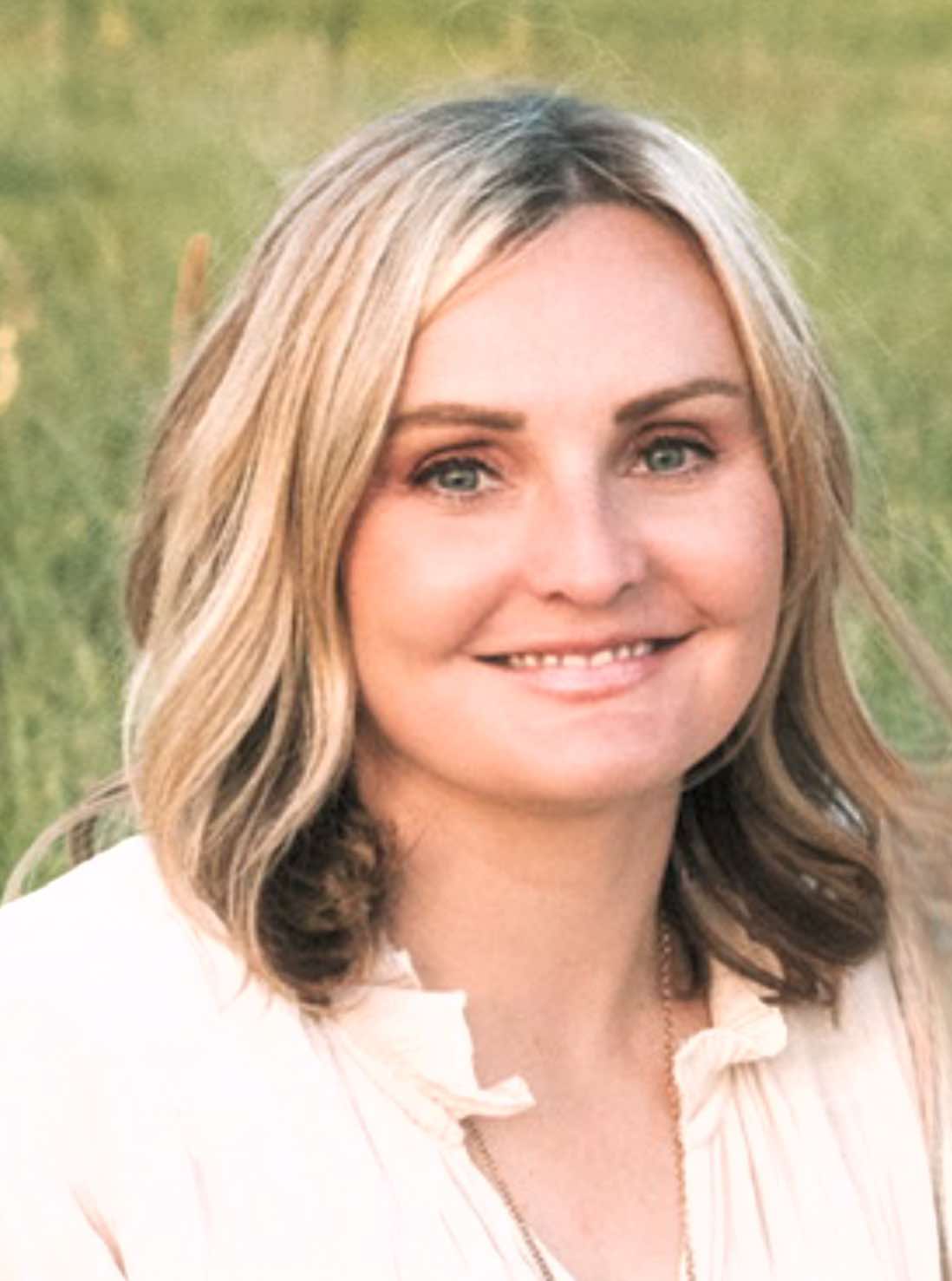
Headshot of KaTrina Jackson

KaTrina Jackson

Author, Editor

KaTrina Jackson loves penguins, chocolate, and piano music, and spends much of each day trying to fit those loves in around her jobs as a freelance editor and a project manager for Eschler Editing. She graduated with a degree in editing and publishing from Brigham Young University. She’s a member of three different writing groups, attends and teaches at multiple writing conferences, has volunteered with LDSPMA since 2021, and recently published her first novel. When she’s not writing, editing, or reading, she can be found practicing yoga, teaching piano lessons, or watching Disney movies while working on a cross-stitch project. She and her husband live in Olathe, Kansas.

    Filed Under: Articles, Faith & Mindset, Productivity Tagged With: burn out, emergencies, grief, healing, recovery, rest, self care, unexpected events

    Unlocking Creativity Amid Trauma: Finding Inspiration on Your Hardest Days

    August 9, 2024 By Kami Pehrson 1 Comment

    Five years ago, clinical psychologist, speaker, and bestselling author Dr. Christina Hibbert—Christi to her friends—filled her schedule with speaking engagements, therapy sessions, group coaching, and writing her fourth book. Her dedication to helping others “overcome, become, and flourish” arose from a deeply personal place, but her world flipped upside down when a mammogram revealed aggressive breast cancer. Though she’d faced loss, trauma, and mental health challenges throughout her life, Christi now faced cancer treatment—a double mastectomy, reconstruction, chemotherapy, and the many complications, additional surgeries, and eventual chronic illnesses that came as a result. “Just as it seemed I would finally take off in my family life and career, it felt like, instead, I crashed.”

    While it can seem impossible to be inspired, inventive, or to produce creative work while experiencing trauma, Dr. Hibbert has gleaned valuable insights from her ongoing journey. She reminds us in her bestselling book This Is How We Grow, “when life throws you in the mud, [you can choose to] plant yourself and grow.”

    Dr. Christina Hibbert

    Accept That Life Doesn’t Always Turn Out the Way You’d Hoped

    Though her mother had been a breast cancer survivor, somehow Christi never thought it would happen to her. But after her mammogram led to an ultrasound, followed by a biopsy, she says, “I knew I was going be diagnosed with cancer before I even had the biopsy. It wasn’t the answer I wanted, but it was my answer to my fervent prayer. I immediately felt God’s reply: ‘I’m sorry, but this is going to happen; but I am with you, and you have been prepared.'” Still, she believed she would beat cancer within three to six months and return to her busy yet rich life as a wife and mom of six, pursuing a career she felt was part of her divine purpose.

    Dr. Hibbert soon realized that there was no returning to the past. “I say now that there is only BC—Before Cancer—and AD—After Diagnosis. Everything has changed.” She experienced countless complications that led to fifteen total surgeries, her last being just seven months ago. “It’s been five years straight of diagnosis after diagnosis, treatment after treatment, nonstop. Though I’ve been working on healing all along, I have learned it’s near impossible to heal the trauma while you’re still being traumatized.” She continues, “I am finally in a place where I can learn and accept my new limitations and rebuild my body, mind, relationships, and life.”

    Mental health challenges that come with trauma can make it difficult to feel inspiration. Still, Christi advises, “Whenever we can, we should try to let it all go, fall apart, and be in the mess because that is the fertile ground where we can most learn and grow. We get the big life lessons and the nuggets of wisdom that we can share in whatever creative form we want. That’s what adds beauty to us—and the world—and heals all.”

    FEEL the Emotions and Do the Work to Heal

    “To me, FEEL means: ‘Freely Experience Emotions with Love,'” she teaches. “We must allow ourselves to experience our emotions fully, in our body and mind and heart, and love ourselves through.” Processing these feelings is crucial for healing and can provide a foundation for creative expression. Christi explains, “I never wanted to be a ‘breast cancer warrior’ or to be inspiring or strong. It’s not what I set out to do in my life. But I believe that I am a warrior because [it’s] about showing up, no matter what comes your way. If you’re showing up for yourself, it’s not just to go through whatever is physically or mentally happening, but also to feel all the emotions, deal with all the thoughts, and untangle the pile of trauma and grief.” She advises: “Go to therapy and do the work. These things are so hard, and nobody wants to do them. It’s just like having surgery; nobody wants to do that either, but it can help.”

    Stop Comparing Yourself to Others

    Focus on your own journey because everyone’s experiences and creative processes are unique. Christi shares, “It’s been really hard for me, seeing so many of my colleagues and friends going above and beyond in their home, family, and career lives—having their writing published, traveling, and things like that. I feel like I’m stuck, and I haven’t ‘done anything.’ But I have survived and worked hard. I’m still dealing with trauma and grief and the mixed feelings of cancer and death anniversaries, but I am slowly, day-by-day, healing.” Remember, your recovery, healing, and growth progress is just as valuable—if not more so—as any external achievement.

    Be Completely Honest and Authentic

    Facing your struggles head-on might be difficult, but it’s essential for growth. Having shared her entire breast cancer and chronic illness journey on her blog and social media, she says, “If there’s anything I’ve done especially well these past five years, it’s being completely open, authentic, honest, and just real. I let people see the real me: ‘This is me sad, this is me happy, and this is me in pain.’ I think that’s why so many people have connected with me and my story because everybody relates.” As she states, “To me, true strength is allowing ourselves to be vulnerable enough to be wherever we are, no matter how over- or underwhelming it may seem.” Vulnerably admitting and processing what you’re going through can enrich your creativity, inspire others, and foster healing and growth.

    Make Your Trauma Your Material

    Transforming your trauma into creative material can be a powerful way to process and express your experiences, making your creative work more personal and impactful. In This Is How We Grow, she writes about her two sisters’ tragic deaths, inheriting her two nephews and going from three to six kids practically overnight, postpartum depression, and other traumas she’s experienced. She says, “I have times where I tell myself, ‘This is my time to be in it—to just be knee-deep in the muck, putting one foot in front of the other.’ Later, I can plant myself in the mud and try to grow. When we’re stuck creatively because we’re having a hard time, if we are willing and brave enough to explore our trauma, whatever we’re going to share, create, or give to the world comes in our hardest times. The message you have for the world is in the mess.”

    Use Creative Self-Expression as a Means of Healing

    Christi advises: “Journal about your experiences. Even if you don’t like writing, recording your thoughts, feelings, and even dreams can be extremely beneficial for sorting through the trauma.” She also recommends talking about it. “Whether in therapy, with a trusted friend or family member, or even sharing publicly as I’ve done, speaking and sharing our stories is healing.” Christi also uses music as an important part of her recovery. “I’m working on a few songs about my experiences, and as I share them, even with my family, music is extremely powerful in healing me on all levels.” Amid her cancer and chronic illness treatments, she also started a podcast called Like a Watered Garden centered on the Church’s “Come Follow Me” program. She says, “I never would have thought I would make a podcast while I was still struggling to not feel sick. It made no sense at the time, but it’s strengthened my faith and testimony. It’s a different kind of creativity I could do with my spiritual side, even when my physical and mental/emotional sides were overwhelmed.”

    Get Creative with Your Creativity

    When we engage in creative activities of any type—familiar or new—we help ourselves cope, understand, and make sense of all we’ve endured. Experiment with various mediums to discover what best helps you express yourself and heal. Christi says, “I would hand letter words, write poetry, or draw about how I felt, and it brought me peace. There are so many ways we can engage our creativity, even when we don’t feel like creating or we’re unable to create in the ways we used to. Pressure, on top of trauma, makes it hard for us to perform.” Exploring new creative outlets with “a beginner’s mind,” as Christi puts it, can allow you to fully appreciate the activity and state of flow instead of viewing it as a chore.

    Dr. Hibbert’s personal experience with trauma has taught her valuable lessons about using creativity as a healing tool. While it can be frustrating to find inspiration in times of stress, Christi urges: “accept your experiences, be honest and authentic, use creativity to express yourself, experiment with different mediums, and avoid putting pressure on yourself. Following these steps can channel your toughest experiences into inspiration and creative expression that can not only heal you but so many others, too.”

    Headshot of Kami Pehrson.

    Kami Pehrson

    Kami Pehrson lives with her husband and five teenage children in Stansbury Park, Utah. She recently finished her master’s degree in English and creative writing and has written three novels—but is still trying to figure out what to do with them. She loves editing, reading, and playing word games on her phone. She also enjoys listening to audiobooks while half-heartedly doing Pilates in the living room.

      Filed Under: Articles, Creativity, Faith & Mindset, Productivity Tagged With: Creativity, healing, trauma

      Primary Sidebar

      Write for Us

      Would you like to see your article featured here on LDSPMA?

      We are currently seeking article submissions. Learn what you need to know and submit your article here. 

      Recent Articles

      A closeup of a writer's hands, one holding a pen and the other holding a tissue.

      Writing: A Tool to Process Grief

      “I believe that we are each blessed with a creative gift not only to beautify the world and to uplift those around us, but as a method of releasing the hurts and the anxieties we feel because of our struggles.” -Tristi Pinkston

      A woman sleeps on a sofa, cocooned in a blanket

      When Life Says NO: How to Recover from Major Unexpected Events

      “It may not be pleasant or easy, but sometimes life’s challenges turn out to be life-changing, helping us become who God always meant for us to be.” -KaTrina Jackson

      Two women discuss a written manuscript.

      How to Approach Feedback on Your Writing

      “Feedback is not a critique of your writing abilities but a constructive assessment aimed at elevating your manuscript to its fullest potential.”

      Search the Articles Archive

      Article Topics

      Recent Podcast Episodes

      Footer

      • Email
      • Facebook
      • Instagram
      • LinkedIn
      • YouTube

      Copyright © 2026 LDSPMA. All Rights Reserved. LDSPMA is not endorsed by nor affiliated with The Church of Jesus Christ of Latter-day Saints.