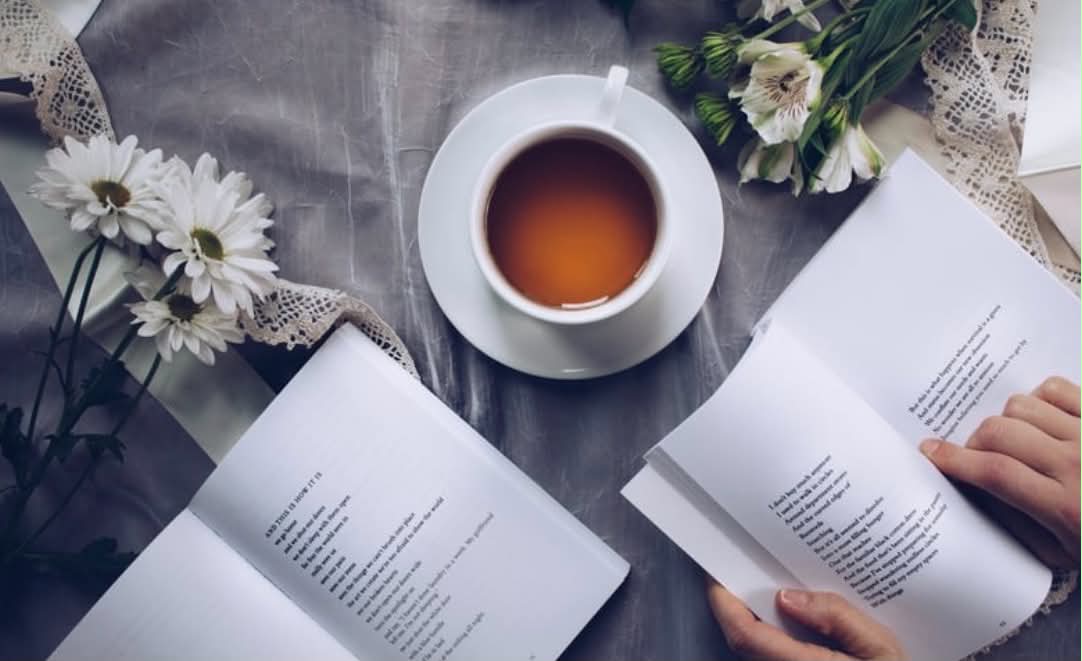
Poetry is a beautiful form of expression that captures a range of human experiences. People might think poetry is a dying art. But believe it or not, you hear poetry every day. Catchy Disney songs? Poetry. The newest Taylor Swift hit? Poetry. K-Pop Demon Hunters power ballads? Poetry. Even the country music you despise? You guessed it. Poetry.
Poetry doesn’t need to be set to music, though. Sometimes the words themselves are pure magic. If you’re a writer of any genre—fantasy, memoir, self-help, sci-fi, literary fiction—poetic elements can help sharpen details and hone imagery.
But how do you do this? Do you just write, “Roses are red, violets are blue, poetry is awful, skip to my Lou?”
I mean, you could. That is technically a poem.
But if you want to practice writing meaningful poetry to improve your craft, I, as a published poet and professional poetry editor, recommend the following five steps.
1. Observe the world around you.
There are ideas everywhere; you just have to look for them. Most of my poems are inspired by things I’ve noticed or experienced throughout the day. The key is to set aside distractions and pay attention to your surroundings.
To start, consider your location. As I write this, I’m sitting in my office, surrounded by knick-knacks, pictures, and mementos that inspire and comfort me. These include a mini anvil, a resin penguin princess (complete with a tiara), a lighthouse music box, dolphin figurines, uplifting quotes, and commissioned art.
Through my window, a big tree is waving its green leaves in the wind. Snippets of sky peek between the roof of our apartment building and the great leafy tree. I spy the top of a building across the street. The sun’s rays warm my skin as my fingers dance across the keys. I hear the calming strains of jazzy piano from my favorite instrumental playlist and the whir of a ceiling fan. And I feel the gentle breeze from that same fan.
Now you try. Pause where you are and observe the world around you. Write down what you see, what you hear, and what you feel. Don’t judge, just let the world be whatever it is and be present in the moment.
2. Find one specific image or sense.
Make a list of your observations. You could write a poem about everything, but it’s much easier (and creates stronger poetry) if you focus on one specific image.
Here are a few examples from the exercise above:
- The sun on my skin.
- The gently waving tree leaves.
- The icy sparkles of the penguin princess’s crown.
- The gentle cadence of the fan in harmony with the jazzy piano.
All these examples evoke a specific image, sound, or feeling. Your inspiration doesn’t have to be fancy. Just pick one thing from your list.
3. Practice different forms.
I’ve talked to many writers who’ve said, “I’m not a poet! I don’t know how to rhyme!”
Poems don’t have to rhyme. Yes, rhyming is a feature of many poems (and some poets excel at it, like Dr. Seuss), but you don’t have to. I’ve published poems that rhyme and poems that don’t. Just find the form that fits the subject matter.
Some poetic forms are quite complicated, like Shakespearean sonnets in iambic pentameter. Some are much simpler, such as the rhyming quatrain of an ABCB stanza (Emily Dickinson’s preferred form). Free verse, a common form of modern poetry, doesn’t conform to a particular format. However, to strengthen your descriptive muscles, I recommend following the advice of my poetry professor, who encouraged us to use a structured form. The constraints force your brain to think more creatively than just throwing any random words down.
One of my favorite poetry forms is haiku, the Japanese poem written in a 5-7-5 syllable pattern. I love haiku because it’s simple and great for practice. It’s also versatile. I’ve written longer poems in renga (sequential haikus) format because the theme didn’t fit into just one verse.
Traditionally, a haiku is about nature, but you can use the 5-7-5 syllable structure to talk about anything. Here are two examples from the above list…
- The feel of the sun on my skin:
Sunshine sparkles bright—
rays warm my world-weary hands,
filling me with peace.
- The icy sparkles of the penguin princess’s crown:
A royal penguin;
her crown of ice gleams like gems,
a mark of her rank.
Your turn! Pick one of your images/senses and try writing a haiku. It’s okay if it takes some time to find the right number of syllables. No one masters poetry instantly. Relax and play around. You might be surprised by what ends up fitting the syllable structure.
4. Read your poems aloud!
Many beginning poets miss this step. As a poetry editor, I read the poems multiple times before I make a single edit, looking primarily at meter and rhyme. Sometimes poets think a word fits the meter when it doesn’t. If the line reads off, it’s likely because one of the words has too many syllables or the final word doesn’t fit the rhyme scheme (if there is one).
For example, in the penguin princess haiku above, I originally wrote “her crown of ice sparkles like gems,” which is 8 syllables instead of 7.
5. Revise as many times as necessary.
Once you’ve read your poem aloud a few times, you can tweak it as needed. Be sure to examine every word and syllable on the page. You might find a word that fits the 5-7-5 structure better, as I found “gleam” to fit better than “sparkles.” Or, you might find a more perfect rhyme versus an imperfect rhyme (when/again instead of rain/again—English is weird like that).
The lovely thing about poetry is that it’s easy to cross words out and give it another go, especially with something as short as a haiku. Don’t be afraid to try again. Poems are little snapshots of memory. Like a photograph, they don’t have to be perfect—they just need to capture the essence of what you felt in that moment.
If you’re a budding writer—or an experienced one—looking for ways to deepen imagery or strengthen your character’s emotions and senses, try practicing these steps and creating your own poetry. Who knows? Maybe you’ll discover, like so many before you, you’ve been a poet all along and just didn’t know it… until now.
May the powers of poetry be with you. Go forth and create!

KaTrina Jackson
Author, Editor




Great article, KaTrina!
We had a book growing up that explained a bunch of different poetry forms (haikus, acrostics, ballads, tankas, etc.), and my mom would assign us to write a poem for each kind of form. It was a really good exercise!
It was so nice to read your article about poetry. I have attended a few different conferences and poetry is always missing. Not a money maker.
However, that is where I found my creative voice.
Thank you for your article!