• Skip to main content
  • Skip to primary sidebar
  • Skip to footer

LDSPMA

Empowering Latter-day Saints to spread light and truth by connecting them at the intersection of faith, creativity, and professional skill

  • Conference
    • The 2026 LDSPMA Annual Conference
    • Conference Registration
    • 2026 LDSPMA Anthology Submissions
    • Theme Contests
    • Exhibit, Advertise, or Sell at the LDSPMA Conference
    • Sponsor
    • FAQs
    • Volunteer at the LDSPMA Conference
    • Past Conferences
      • 2025 Conference
        • Sessions
        • Workshops
        • Awards Gala
        • Internship Fair
        • LDSPMA’s Got (Secret) Talent!
      • 2024 Conference
        • Sessions
        • Workshops
        • ZIFF Networking Dinner
        • Schedule
  • Membership
    • Email Sign Up (Free)
    • LDSPMA NextGen
    • University Chapters
    • Facebook Group
  • Programs
    • Digital Summit
    • Mentoring Program
    • Monthly Zoom Discussions (Free)
    • Master Classes (2026)
  • Podcast
    • Watch
    • Listen
      • Listen on Apple Podcasts
      • Listen on Spotify
      • Listen on Buzzsprout
    • Called to Create Conversations
  • Articles
    • All Articles
    • Faith & Mindset
      • Gospel Principles
      • Creativity
      • Productivity
    • Craft Skills
      • Writing
      • Media, Film & Theater
      • Podcasting & Speaking
      • Music
      • Fine Art
    • Professional Skills
      • Editing
      • Publishing
      • Business
      • Cultural Diversity
      • Marketing
  • Awards
    • 2026 Award Nominations
    • Praiseworthy Awards
    • Spark Awards
    • Lifetime Achievement Awards
    • Past Award Winners
    • Apply to Be an Awards Judge
  • About
    • Mission
      • LDSPMA in the Media
      • Success Stories
      • Viewpoint on LDSPMA
    • LDSPMA Leadership
    • Volunteers
      • Volunteer Year-Round
      • Volunteer at the LDSPMA Conference
      • Apply to Be a Presenter
      • Apply to Be an Awards Judge
      • Resources for Current Volunteers
    • Policies
    • Contact US
  • Support LDSPMA
    • Donate
    • Volunteer
    • Sponsor

fiction

Writing: A Tool to Process Grief

May 18, 2026 By LDSPMA Leave a Comment

Psychologists often recommend keeping a journal as a way to process thoughts and feelings, creating an outlet that can be shared or kept private. There’s something healing about pouring emotions onto a page. Sometimes this exercise is sufficient to help people process their feelings without any other therapy. At times, it aids the therapy they do undergo by helping them examine their deeper thoughts.

I’ve known all about that for years, but I didn’t realize writing fiction is also an excellent way to explore what I’ve been through.

For example, my parents divorced when I was a teenager. At the time, I chose to bury my feelings rather than work through them because my mother was relying on me for emotional support, and I believed I needed to stay strong and positive for her. Years later, I realized there were things holding me back. I knew it was time to revisit those feelings and give them a voice. I did so by writing a book titled Take My Advice. My main character was actually me. Everything she experienced was something I’d gone through myself. Of course, her story’s plot was fictional because my own life wasn’t exciting enough to write a book about, but everything relating to her parents’ divorce was based on my own thoughts and emotions as a confused and worried teen. Everything I’d wanted to say and everything I’d been afraid to feel ended up in that book. I won’t lie—it was painful, but it helped me understand myself better and recognize things I’d been reluctant to look at before. My feelings of betrayal, abandonment, and insecurity were finally allowed to rise to the surface, freeing me to begin healing from them. (Take My Advice by Tristi Pinkston, 2018.)

Another example came when I was a young mother. My father passed away in 2010, and that was a different kind of grief altogether. I helped coordinate some of his care during his final days, and I spent a lot of time with him then. Because I felt I’d lost him a bit during the divorce—only seeing him once or twice a week—losing him again seemed utterly unfair. I was able to take those feelings and work through my grief by writing a book about a girl who lost her father—this one less autobiographical, but her emotions were still mine. (Turning Pages by Tristi Pinkston, first edition 2012, second edition 2019.)

Although each of my stories contains aspects of myself in one way or another, these two books contain far more of “me” than any others. By having my characters voice something I’ve always wanted to say, I’m able to release some of those pent-up emotions in ways that feel constructive and healing, and that sort of vulnerability makes for a better story because it feels more authentic.

I’ve also found it cathartic to give those characters satisfying endings. I might not have everything figured out myself, but by helping my characters find their answers, I’ve experienced a sense of closure that gives me peace until I can reach that point.

Here are a few things I’ve learned as I took these painful experiences and made them into fiction:

  1. I need to give myself permission to write without restrictions or rules. The first draft is always the messiest because that’s where all the not-so-pretty feelings come out. I allow myself to say anything and everything I’ve been holding back, and it’s both painful and freeing. I don’t edit anything at this point; I just let the words flow until I’ve said everything I want to say.
  1. I’ve had to learn what to leave in and what to take out. A lot of that initial writing wasn’t needed for the book. In fact, much of it wasn’t appropriate to include. I’ve experienced things that were for me alone (such as answers to prayers and personal miracles) that I wouldn’t ever publish. Other things would have exposed me too much and made me even more vulnerable. By being selective about what to incorporate into the story, I can share what feels most valuable without giving too much of myself away. 
  1. I can use my fictional characters not only as the lens through which I see everything, but also as a shield so I can look at my own situation from a safe distance. Giving my thoughts and feelings to my characters allows me to analyze them, deciding which things I’m ready to let go of and which things still need some work to overcome.

Above all, during this process, I’ve learned that the Savior walks with us every step of the way, hoping that we will give our griefs and sorrows to Him and stop trying to carry everything ourselves. We simply aren’t strong enough for that, no matter how hard we try. That’s why He invites us to come unto Him to find rest.

I believe we are each blessed with a creative gift not only to beautify the world and uplift those around us, but as a method of releasing the hurts and the anxieties we feel because of our struggles. Writing is a gift I use to work through my trials, but it’s not the only medium available to us. Dancers, artists, singers, and many others use their own creative talents to strengthen their mental health and work through their own complicated emotions. I encourage each of you to explore ways to use your talents to release things that may be burdening you so that you can find healing.

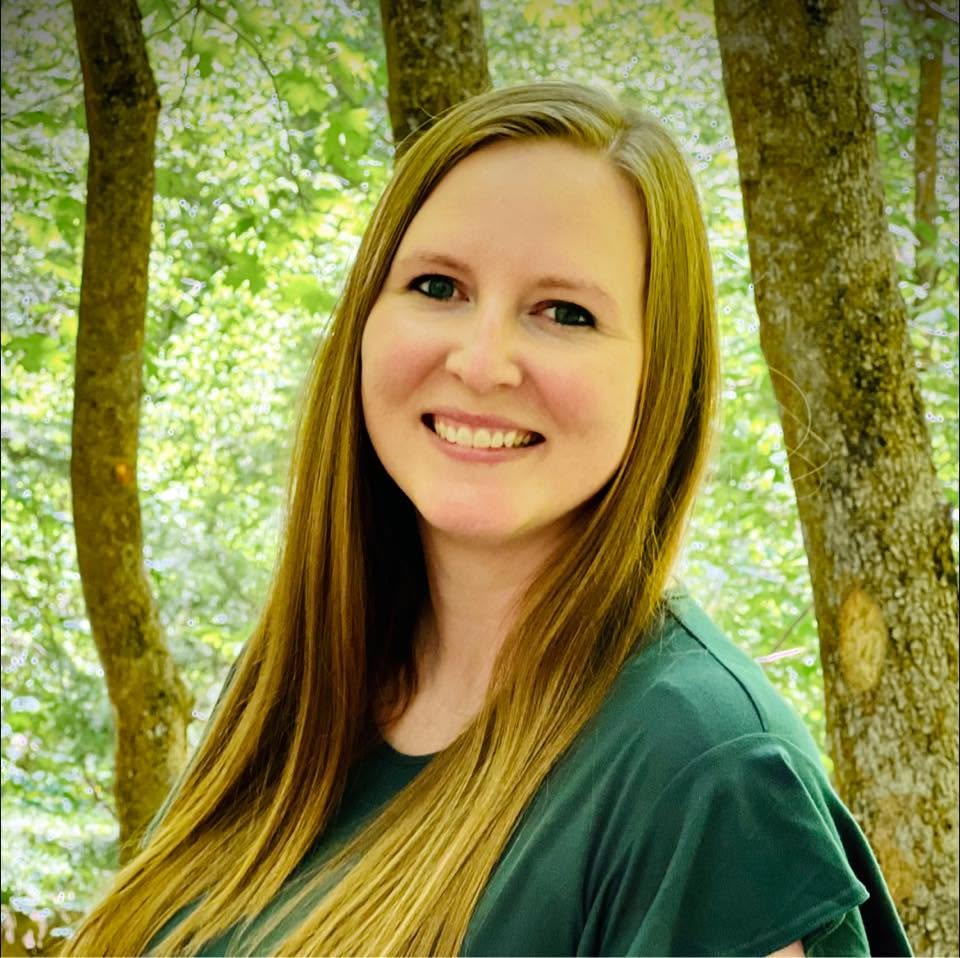
A headshot of Tristi Pinkston.

Tristi Pinkston

Tristi Pinkston is the mother of four, the wife of one, the author of one hundred and seventy-five, and the editor of oodles. She serves as the chairman of the board for the Bear Lake Arts Council and participates enthusiastically (if not with utmost skill) in their theatrical productions. She is currently the editor-in-chief for the resource library here on the LDSPMA website. You can learn more about her on her website.

    Filed Under: Articles, Craft Skills, Faith & Mindset, Writing Tagged With: Author, emotions, feelings, fiction, grief, therapy, trials, Writing

    Why Fiction Is as Precious to God as Nonfiction

    January 27, 2022 By nbay 3 Comments

    By Nicole Bay

    When I first began writing, I dabbled in YA fantasy, early readers, middle grade fiction, and picture books. I loved all these genres and the worlds I had created, but after a while, I started to wonder if I was spending my creative time wisely. I wondered if, rather than writing fantastical fiction, I ought to be researching and writing family history stories or writing nonfiction related to the gospel of Jesus Christ or the Restoration of the Church. I started questioning the value of what I was writing and the wisdom of taking time to write fiction that might be better spent using my talents to build the kingdom of God.

    I thought about it, worried about it, and prayed about it. My prayers were answered in several ways over the course of a few years.

    The Desire to Create Is God-Given

    In the October 2008 General Conference, President Dieter F. Uchtdorf shared an important thing we can do to feel God’s happiness—we can create. “The desire to create is one of the deepest yearnings of the human soul,” he said. He emphasized that as children of a creator, we have a desire to be like Him, to create something that did not exist before. This is something I have felt. Ever since I was little, I have known there was an artist inside me. I took classes and participated in activities that allowed me to learn principles of drawing, writing, sewing, and acting, and I basked in the inner glow that creating provided me. 

    The desire to create is one of the deepest yearnings of the human soul.

    Dieter F. Uchtdorf

    President Uchtdorf continued, “Creation brings deep satisfaction and fulfillment.” Even when I struggle to get just one sentence on the page, I feel better for having taken time to work on my art. And nothing beats the floating-on-clouds feeling of being able to type the words “The End” when I finish a draft of a new story. 

    Taking time to be creative has more benefits than just feeling good. President Uchtdorf added, “We develop ourselves and others when we take unorganized matter into our hands and mold it into something of beauty.” Over time I have realized that development of self and others isn’t just referring to the development of talents. This development is all about the sometimes life-changing effects our work can have on us and those who experience our art. Both parties can learn. Both can grow spiritually, intellectually, emotionally, and socially. And both can discover truth through art.

    “Out of the Best Books” Includes Fiction

    The Lord commands us to seek words of wisdom out of the best books so we can teach each other and strengthen each other’s faith (DC 88:118). Of course, He is referring largely to the standard works and inspired writings of members of the Church. The truths found here are the most important truths to develop a testimony of. 

    But there are also many, many other works that can build our faith and lead people to be better for having read or experienced them. As an avid reader growing up, I was touched by fiction and nonfiction stories of heroism, triumphing over trials, clever thinking, kindness, and forgiveness. I will not soon forget the moving themes woven throughout my favorite books of sacrifice and redemption, good versus evil, the power of love, or the huge effect that one person choosing to stand up for what is right can have on the world. And if those stories can resonate so strongly with me, might I not also be able to tell a story that inspires someone else?

    If fiction stories can resonate so strongly with me, might I not also be able to tell a story that inspires someone else?

    I hope so. Because I believe that the best books can do just that.

    God Cares about Your Creative Gifts

    I’m grateful for a commandment to seek out the best gifts and to develop my talents (D&C 46:7–33). My desire to create is a way that I can enrich my own life and bless the lives of others. 

    And because this is a gift that is important to me, it’s important to the Lord as well. Amulek advised us, “Cry unto him over the crops of your fields, that ye may prosper in them. Cry over the flocks of your fields, that they may increase” (Alma 34:24–25). Whether creating art is my hobby or my living, the Lord wants to bless me in my efforts, so I can pray for that guidance, and my work will be better for it. 

    Any Genre Can Be a Conduit of Light

    When Christ exhorted His listeners, “Let your light so shine before men, that they may see your good works, and glorify your Father which is in heaven” (Matt. 5:16), I believe He was talking about letting our testimonies shine through our actions and work. And that includes our creative work. My writing, whether nonfiction, fantasy, or humor, is a conduit for my testimony.

    I’m thankful for the divine desire to create, for the understanding that all can learn from the best books, for the knowledge that God wants to support me in my work, and for the calling to share my light through my work.


    Nicole Bay teaches linguistics and English language courses at BYU. She is also the Internships Coordinator for the Linguistics Department. She loves to write for children, especially when she can include fun facts about language and linguistics in the story. She spends her non-work time gaming with her family, reading, writing, doing New York Times crosswords, and volunteering for writing conferences. She currently serves as LDSPMA’s director of education.


    Recent Posts

    A closeup of a writer's hands, one holding a pen and the other holding a tissue.
    Writing: A Tool to Process Grief

    “I believe that we are each blessed with a creative gift not only to beautify the world and to uplift those around us, but as a method of releasing the hurts and the anxieties we feel because of our struggles.” -Tristi Pinkston

    Continue Reading Writing: A Tool to Process Grief

    A woman sleeps on a sofa, cocooned in a blanket
    When Life Says NO: How to Recover from Major Unexpected Events

    “It may not be pleasant or easy, but sometimes life’s challenges turn out to be life-changing, helping us become who God always meant for us to be.” -KaTrina Jackson

    Continue Reading When Life Says NO: How to Recover from Major Unexpected Events

    Two women discuss a written manuscript.
    How to Approach Feedback on Your Writing

    “Feedback is not a critique of your writing abilities but a constructive assessment aimed at elevating your manuscript to its fullest potential.”

    Continue Reading How to Approach Feedback on Your Writing

    Filed Under: Articles, Craft Skills, Faith & Mindset, Gospel Principles, Writing Tagged With: Creativity, fiction, gratitude, Nicole Bay, spirit of gratitude

    Primary Sidebar

    Write for Us

    Would you like to see your article featured here on LDSPMA?

    We are currently seeking article submissions. Learn what you need to know and submit your article here. 

    Recent Articles

    A closeup of a writer's hands, one holding a pen and the other holding a tissue.

    Writing: A Tool to Process Grief

    “I believe that we are each blessed with a creative gift not only to beautify the world and to uplift those around us, but as a method of releasing the hurts and the anxieties we feel because of our struggles.” -Tristi Pinkston

    A woman sleeps on a sofa, cocooned in a blanket

    When Life Says NO: How to Recover from Major Unexpected Events

    “It may not be pleasant or easy, but sometimes life’s challenges turn out to be life-changing, helping us become who God always meant for us to be.” -KaTrina Jackson

    Two women discuss a written manuscript.

    How to Approach Feedback on Your Writing

    “Feedback is not a critique of your writing abilities but a constructive assessment aimed at elevating your manuscript to its fullest potential.”

    Search the Articles Archive

    Article Topics

    Recent Podcast Episodes

    Footer

    • Email
    • Facebook
    • Instagram
    • LinkedIn
    • YouTube

    Copyright © 2026 LDSPMA. All Rights Reserved. LDSPMA is not endorsed by nor affiliated with The Church of Jesus Christ of Latter-day Saints.