• Skip to main content
  • Skip to primary sidebar
  • Skip to footer

LDSPMA

Empowering Latter-day Saints to spread light and truth by connecting them at the intersection of faith, creativity, and professional skill

  • Conference
    • The 2026 LDSPMA Annual Conference
    • Conference Registration
    • 2026 LDSPMA Anthology Submissions
    • Theme Contests
    • Exhibit, Advertise, or Sell at the LDSPMA Conference
    • Sponsor
    • FAQs
    • Volunteer at the LDSPMA Conference
    • Past Conferences
      • 2025 Conference
        • Sessions
        • Workshops
        • Awards Gala
        • Internship Fair
        • LDSPMA’s Got (Secret) Talent!
      • 2024 Conference
        • Sessions
        • Workshops
        • ZIFF Networking Dinner
        • Schedule
  • Membership
    • Email Sign Up (Free)
    • LDSPMA NextGen
    • University Chapters
    • Facebook Group
  • Programs
    • Mentoring Program
    • Monthly Zoom Discussions (Free)
    • Master Classes (2026)
  • Podcast
    • Watch
    • Listen
      • Listen on Apple Podcasts
      • Listen on Spotify
      • Listen on Buzzsprout
    • Called to Create Conversations
  • Articles
    • All Articles
    • Faith & Mindset
      • Gospel Principles
      • Creativity
      • Productivity
    • Craft Skills
      • Writing
      • Media, Film & Theater
      • Podcasting & Speaking
      • Music
      • Fine Art
    • Professional Skills
      • Editing
      • Publishing
      • Business
      • Cultural Diversity
      • Marketing
  • Awards
    • 2026 Award Nominations
    • Praiseworthy Awards
    • Spark Awards
    • Lifetime Achievement Awards
    • Past Award Winners
    • Apply to Be an Awards Judge
    • Mali McKenzie Award
  • About
    • Mission
      • LDSPMA in the Media
      • Success Stories
      • Viewpoint on LDSPMA
    • LDSPMA Leadership
    • Volunteers
      • Volunteer Year-Round
      • Volunteer at the LDSPMA Conference
      • Mali McKenzie Award Nominations
      • Apply to Be a Presenter
      • Apply to Be an Awards Judge
      • Resources for Current Volunteers
    • Policies
    • Contact US
  • Support LDSPMA
    • Donate
    • Volunteer
    • Sponsor
    • Shop LDSPMA

LDSPMA

What’s More Important: The Actor or the Show?

March 22, 2025 By LDSPMA Leave a Comment

Today’s article is courtesy of Rebecca Burnham of Summit Stages. You can learn more about this innovative organization by clicking here.

One of the things I find most challenging about building beloved community through musical theatre is the apparent conflict that inevitably arises between the interests of the show and the needs of the individual.

I don’t think it’s possible to put on a play that builds community unless you are intentional about prioritizing the people over the product. For example, if the product were the primary goal, auditions would be extremely competitive and only the very best actors would get cast. But if you’re building community, you’re going to give some parts to people who didn’t really shine in auditions but you know they need to be there and they have growth potential. You’re going to take a chance on actors from marginalized backgrounds who need extra, offstage support. You might put an exceptionally talented actor in a supportive role, where they can be an anchor for the entire cast. And then, when the crunch is on and a member of the cast is struggling in a way that may compromise your production, you are going to wonder if it’s time to prioritize the production over a specific individual.

This happened to me recently and I made the wrong decision. Grace got in the way before I could act, then I got another opportunity to choose better. And the results were beautiful. I want to tell you about it and what I’ve learned.

There Is a Way to Meet Everybody’s Needs

Among the community-building decisions we made when we cast Fiddler on the Roof was to include in our ensemble an AuDHD boy who is a newcomer to the stage. It was obvious in auditions that this was important to him, and it was equally apparent that he would need a little extra help to succeed. We put him in a role that we thought would come almost naturally to him, and we expected we’d be able to give him the extra help he needed. But we didn’t realize how big of a task we’d signed up for.

It wasn’t just his needs that were greater than we’d anticipated. So were the demands of this particular play, which is 1.5 times as long as a standard 2-hour show. Neither my co-director nor I were super familiar with the play (we’d signed onto the job with the understanding that we were doing a different show). The musical tracks provided by the licensor did not match any of the Broadway soundtracks, and we had to create our own rehearsal tracks in order to figure out choreography. We were working as hard as we could just to map choreography and pre-block the scenes before rehearsals, and then to smooth out the glitches during our run-throughs. There was so much going on with our cast of 51 that we just did not find time to work one-on-one with the boy in the ensemble that we’d known would need extra help. We saw some silliness onstage and heard reports about impulsive behavior offstage that needed to be managed. But we had some exceptional actors who were helping out with the offstage behaviors, so we directed the boy to tone down the onstage behavior and thought we had it covered.

Halfway through our run, it became evident that the problem was getting worse instead of better. We’d gotten to the point that we were worried about being able to provide a safe environment for our actors and the equipment, and we were at our wits’ end. My co-director and I held a quick consultation. We’d tried talking to him multiple times. So had the actress working directly with him. Obviously, it wasn’t connecting. We decided that for the sake of the show and the rest of our cast, he needed a firm talking to, some actual modeling of exactly what we needed from him, and an ultimatum to straighten up or withdraw from the production. We went to take him aside, but we couldn’t find him. He’d already left the building.

It was maybe twenty minutes later when I got a text from his mom, asking for help to recover an item he’d forgotten at the theatre. It suddenly came to me that I should tell her about the struggle we were having and ask for her ideas. She understood exactly what I was concerned about. She explained what was going on in terms of her son’s development and his meds. Then she offered to come backstage and run him through some breathing and grounding exercises that could help him cope. She even taught those exercises to the adult actress who works most closely with him so she could provide that support when the mom wasn’t able to be there.​

Our next performance was almost flawless. I was so proud of the entire cast and crew, and especially of the boy who was now performing his part just like we’d envisioned it and honoring the space that other actors needed. And I was so, so grateful that we’d been forestalled from giving him the talking-to that would not have fixed the problem, but would have more likely ruined his experience and undermined his relationship with theatre.

Here are my takeaways:

  • I believe the economy of heaven is win-win. I believe it’s a myth that sometimes the individual has to be sacrificed in the interest of the production or the community. I believe that if we keep digging, we will be led to a solution that meets the needs of both. I want to clarify that sometimes, that solution may ask a lot of the individual and/or of the community, and achieving it will depend on everybody’s willingness. But if we’re all willing, we can find a way to meet everybody’s needs.
  • If we can’t find a way to meet everybody’s needs, it’s time to broaden the collaborative circle. There is somebody out there with exactly the expertise or insight we need. So, instead of sacrificing the individual or the community, I’m going to trust heaven to help me find them.
  • Next time, I plan to have a member of the production whose whole job is to identify individual needs and care for the community offstage. Stage directors can do a lot to impact cast culture, but they have too much on their plate to give due attention to the specific needs of the individuals and the community. So, if the driving purpose of my work in musical theatre is to build beloved community, I need a community director who can give their full attention to that.

Summit Stages aims to build a kinder, brighter world… one musical at a time. We’re going to do this in a way that thoroughly entertains and provides funds for our creators to achieve their dreams. But we aren’t all about the money or the entertainment. We’re about impacting lives and communities for good. 

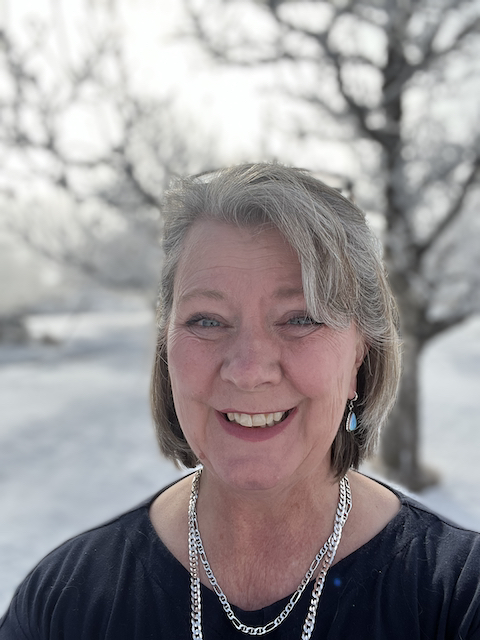
Headshot of Rebecca Burnham

Rebecca Burnham

Rebecca Burnham writes a weekly newsletter about music and theatre that build Zion at SummitStages.org, where she is gathering a collaborative community of creators, producers, performers and playgoers to fill the world with musical theatre that lifts and unites. Her passion for the stage includes acting, directing, producing, and writing musicals which have been performed on various Canadian stages. A reforming veteran of the culture wars (as journalist, award-winning columnist, and pro-family activist), she’s now on a mission to build peace through connection across our divides and the skilful staging of shared stories.

    Filed Under: Articles, Craft Skills, Media, Film & Theater Tagged With: building community, unity

    Time Management Skills: Creating a Life of Order

    March 7, 2025 By LDSPMA Leave a Comment

    With the new year just underway, many creatives may be thinking of how they can improve in 2025. For some, that resolution may be to manage their time better.

    As a self-employed content creator, I know firsthand how hard time management can be. Time is a limited resource, and it can be easy to feel overwhelmed by the number of tasks and to-dos. But time management doesn’t have to be a mighty dragon to fear.

    Here are some lessons I’ve learned on my time-management journey that can help you on your quest.

    Put God First

    God is in the details. He will help us know where to focus our efforts if we put Him first. This definitely isn’t easy, as distractions run rampant, but if you make time for God, He’ll help you accomplish what matters most.

    I grab my scriptures first thing in the morning instead of my phone. I may not always have time for in-depth scripture study, but I try to read at least a chapter if I can, a verse at the bare minimum. I have friends who read a chapter of the Book of Mormon before they do any work. Others kneel in their offices and say a prayer. However you decide to do it, spending time with Him helps make the rest of the day easier.

    As President Benson said, “Men and women who turn their lives over to God will discover that He can make a lot more out of their lives than they can. He can deepen their joys, expand their vision, quicken their minds, strengthen their muscles, lift their spirits, multiply their blessings, increase their opportunities, comfort their souls, . . . and pour out peace” (Ensign December 1988, 4)

    Putting God first will ultimately help you face your day with confidence and assurance that He is with you.

    Prioritize

    Once you’ve sat down with the Lord, it’s time to look at your to-do list. What is the most urgent thing that needs to get done today? Is it to send one specific email? Plan a meeting? Work on that editing, writing, or creative project that’s due soon?

    Brian Tracy coined the phrase “eat the frog” as a cure for procrastination. “Eat the frog” means that the thing you’re most dreading is the thing you should do first. That frog might be a sticky email you don’t want to write, a massive project that’s taking too long, or a phone call you keep putting off. These frogs might be things that take more energy, brain power, or negotiation skills, which makes them daunting. But when you eat them first, you’ll get a boost of dopamine from accomplishing a hard task that will see you through the rest of your day. Your plate will be lighter once the frog is gone.

    As part of prioritizing, it is also important to identify tasks that are not urgent. Things come up—they always do. It might be a last-minute doctor’s visit, a chat with a friend, or a child needing cuddles. You’ll find that your lower priorities will get shuffled around from day to day. Every day has different needs. Eat the frog first so that if the less-urgent things need to get dropped, they can.

    Do Things When You’re Motivated

    Some days, you may not feel like getting out of bed, much less working. Other days, you may have mental or physical health challenges that make work appear as demanding as climbing Mt. Everest. I’ve had days when I’ve stared at my pile of to-dos and felt completely unmotivated to do any work due to the weather, my health, or my emotional state. It’s okay to take occasional break days for your mental or physical health.

    But when the motivation comes fast and thick, that’s the time to work. When I’m motivated, I get more done than just the frog—I clear my inbox, send emails that I’ve been neglecting, and get more chapters written or edited. These days make up for the break days when I need to reset.

    Sometimes all you have to do to get motivated is start with one small task, such as scheduling a Facebook post or drafting an email. Whatever that small task might be, if you set a timer for ten minutes and just start, you’ll often find that more motivation will come.

    Use What Works for You

    There are a bazillion apps, tools, and tricks that can help you manage your time. The number of available options can be intimidating. But all you need to do is find what works for you. Maybe try an online website like Asana or Zoho to help you organize your tasks. Maybe use pen-and-paper planners. Or maybe experiment with a combination of both online and offline tools.

    I’ve fallen in love with sticky notes and paper planners. There’s something oddly satisfying about checking things off. While the piles of sticky notes on my desk seem excessive some days, for me, sticky notes are easy to organize. I simply keep what is necessary in a specific place, and I discard what isn’t necessary at the end of the day.

    Consistency is key; you’ll use what you like, so find what works for you.

    Find Accountability Partners

    Another helpful resource is accountability partners. Video-calling a friend while you work can actually be tremendously motivating.

    Last fall, I was struggling revising one of my books. Between my jobs and other life concerns, revising just wasn’t happening. It spiraled to the point where I wasn’t sure I’d ever finish the book. A friend suggested finding an accountability partner, so I reached out to several friends and scheduled hour-long sessions to write together. To my surprise, weekly writing sessions helped me stay motivated, and I finished up my revisions. I still meet with several of them every week to work on projects because having someone right there on a video call makes it a lot harder to procrastinate!

    LDSPMA is a great way to find friends to encourage you in your pursuits. If you want to find an accountability partner, our social media is a great place to start.

    Give Yourself Grace

    Time management is tricky, especially when you oversee your own schedule. Trust me, I’ve been there. Procrastination is very real, and it can be difficult to overcome. Sometimes we’re going to fall short. And that’s okay.

    The trick is to keep trying. And rely on the Lord when you fall short. Repentance simply means change, which includes changing our habits. None of us are perfect; we’re all trying to be a little better each day.

    As you work on taming the time management dragon, remember that you can do anything you set your mind to. You may struggle from time to time, but that’s okay. Don’t give up. Time management, like anything, is a skill. And it can be mastered—one day at a time.

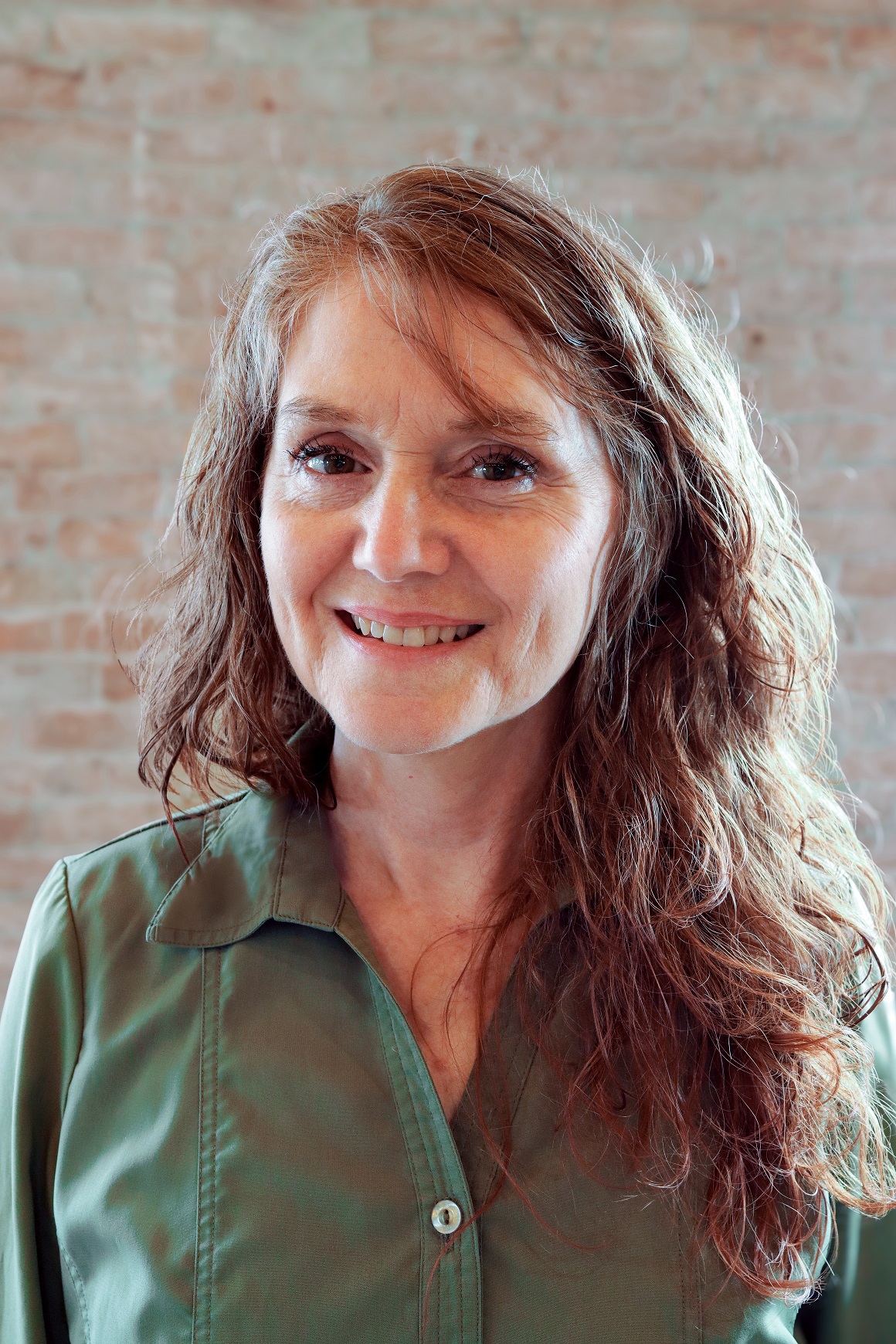
    Headshot of KaTrina Jackson

    KaTrina Jackson

    KaTrina Jackson loves penguins, cross-stitching, chocolate, and piano music, and spends much of each day trying to fit those loves in around her jobs as a freelance editor and as a project manager for Eschler Editing. She graduated with a degree in editing and publishing from Brigham Young University because she couldn’t get enough stories in her life. She’s also a member of three different writing groups, attends and teaches at multiple writing conferences yearly, volunteers with LDSPMA and has since 2021, and is currently working on publishing her first novel. When she’s not writing, editing, or reading, she can be found practicing yoga, teaching piano lessons or performing with her husband, or watching Disney movies while working on a cross-stitch project. She and her husband live in Olathe, Kansas.


      Filed Under: Articles, Professional Skills Tagged With: organization, time management

      How to Find Your Golden Idea

      February 21, 2025 By LDSPMA Leave a Comment

      One of my favorite quotes comes from business magnate Richard Branson: “The best businesses are built by solving a real problem that people have.” A great place to start is to ponder on this statement and let it brew in your creative mind until you’ve formed a list of problems. Then you can brainstorm potential solutions. Some solutions may ease the problem while others temporarily numb it. The idea that comes closest to completely and permanently fixing the problem is the golden foundation on which to build your business.

      I had a problem effectively keeping a journal while serving an LDS mission in the Philippines. I was having great experiences, but on some days I couldn’t find the motivation, time, or even willingness to record them in my journal. It felt like a very mundane task, so I found ways to make it more fun. I decided to break up my records into several different journals. In one I would record memories about my companions so I wouldn’t forget the small details that made them unique. In another journal, I would dedicate a few pages to each transfer, highlighting the best moments from that area. A tradition on my mission was to give notes and pictures to other missionaries when they went home. I had nowhere to store all these wonderful and creative cards, so I kept a third journal where I would glue or staple them onto the pages. Though it was a lot to store, I soon found joy in journaling. It even became something I looked forward to every day. Fast forward a few years after my mission and I had my idea: to create a journal for missionaries that would allow them to do everything I did all in a single journal.

      Identify Your (Small and Specific) Audience

      Now that you have a potential solution to a problem, you have a business idea. It’s time to figure out who this idea best serves. It may be tempting to assume that the bigger your market, the better, but there’s actually power in starting with a smaller and more specific audience. According to We Can Track, conversion rates for niche e-commerce sites are 29% higher than broad markets, and niche websites experience 53% more user engagement than general topic sites. The more specific your audience, the easier it will be to speak to them and learn from them.

      I asked, Is there real demand for my business/product idea? Before going all in, it’s important to know what the demand level looks like. I wanted to know if other returned missionaries struggled with journaling while they were in the field. How many of them even purchased a journal for their mission? How satisfied were they with their journal? What would make my audience more satisfied?

      Once Identified, Master Your Audience

      You can never know too much about your audience. The better you understand them, the better you’ll be able to serve them. Here are some strategies:

      • Create surveys. Post these surveys on social media groups and send them to friends and anyone else in your small and specific audience. Be prepared to provide an incentive for them to take these surveys. My first survey got me thirty responses. With my second survey, I offered two $10 gift cards to two random participants, and the $20 investment got me over 250 responses. The incentive drove people who took the survey to ask their friends and family to take it as well. Be sure to include questions to verify how well each respondent fits into your audience. I knew to value the answers of respondents who served missions and purchased a journal more than those who didn’t serve missions or didn’t prioritize purchasing a journal, and I couldn’t have distinguished that if I hadn’t asked.
      • Make a focus group. Once I had a sample of my product, I wanted to see my audience’s reaction. The feedback was brutal, but I knew as long as I was growing in knowledge of who my audience was and what they wanted, I was winning. This data taught me to take myself out of the equation and focus on what my audience cared about. The two focus groups I used provided me with the additional information I needed to make a more refined version of my product that my audience overwhelmingly approved. A business or product idea often begins with what you want it to be, but it should then progress and develop into what your audience wants it to be.

      Once Mastered, Build Your Audience

      You don’t have to wait for your business to be off the ground before building an audience. If your business is a landscaping service, try starting a social media page with beautiful before-and-after landscaping photos. If your business is selling a product to an LDS audience, try starting a blog centered on topics that the audience may find engaging. This way, come launch time, you’ve already built a community that you can continue to nurture—hopefully for years to come!

      Build Your Idea and Find a Supplier

      Using the data learned from your audience, begin the building process. I used tools to design journal pages and components such as Adobe, Canva, and other sites to find template inspirations.

      Do your due diligence in finding a good manufacturer. A popular platform that I prefer to use is Alibaba. After speaking with over fifty manufacturers on the app, here are some things I’d recommend you prioritize:

      • Experience. Find their profile or website and ensure they have years of experience working with sellers.
      • Verification. Find suppliers who are verified by third-party companies. This reduces the risk of anything going wrong.
      • Reviews. Find out how others who worked with the supplier felt about the service.

      Many suppliers offer good deals if you order in large quantities. I recommend starting small and then building out. I began with a modest order of 100 copies. This allowed me to test the waters and see if the demand level was accurate without being left with too many extra copies and a nonexistent audience. Once the data in our sales numbers verified the demand level, I ordered a greater quantity.

      Misconceptions That Keep You Stagnant

      • You don’t need a huge team to start. You will need to wear a couple of different hats, but it only takes one person to turn an idea into a business. With the help of services like Fiverr, it’s even easier to start without a big team.
      • You don’t need a lot of money to start. My wife and I used funds from donating plasma to start our small business, and because we started with a smaller supply quantity, it didn’t take much capital to launch.
      • You don’t have to succeed in order to win. The fear of failing or making a stupid mistake is what has previously kept me from giving any business venture a try. But I hope this quote by Henry Ford helps any reader as much as it helped me. It reads, “The only real mistake is the one from which we learn nothing.” Your first business idea may not be the one that brings the most revenue, but as long as you are learning something, you are winning.
      Headshot of Junior Germain.

      Junior Germain

      In addition to operating a small business with his wife, Junior works as the head of the marketing and sales department at a real estate marketing agency based in Utah. He graduated from BYU-Idaho with degrees in Marketing and Communications, and welcomed his first child a few months ago.

        Filed Under: Articles, Business, Professional Skills Tagged With: audience, ideas

        A Conversation with Bonnie Oscarson

        January 24, 2025 By LDSPMA Leave a Comment

        Salt Lake City native Bonnie Oscarson served as the Young Women general president of The Church of Jesus Christ of Latter-day Saints from 2013 to 2018. She and her husband, Paul, served as mission president and companion in the Sweden Gutenberg Mission and later in the Stockholm Sweden Temple as temple president and matron. Together, she and Paul have seven children and 29 grandchildren. Bonnie also authored the book What Makes Us Sisters, which addresses women’s roles to develop and share their talents and gifts. Connie Sokol, who until recently was the host of the LDSPMA podcast Called to Create, interviewed Bonnie about her callings in the Church and her creative pursuits.

        Bonnie recognizes a pattern throughout her life that prepared her to serve as the Young Women general president. Growing up, she developed empathy by living in several different states and attending wards and branches of various sizes. No matter where she was, she found ways to relate to the young women.

        Forty years after first attending BYU, Bonnie returned to earn a bachelor’s degree with an emphasis on British and American literature. Though she has always found writing challenging, she gradually improved her craft through the many essays assigned to her in school. Bonnie hadn’t guessed that writing would become a necessary skill for her, but later, she found herself called upon to write articles for conferences and magazines. She looks back on this and other experiences as evidence that Heavenly Father knows what opportunities lie ahead and places experiences in our paths to prepare us for the future.

        Sometimes, we may wonder why we are having certain experiences and what purpose they serve. At times, it’s only in looking back that we can see how important these lessons were in shaping who we have become. Bonnie feels that choosing to devote oneself to a life of faith allows the Lord to provide some of these experiences. “I think sometimes if we hold back, we may miss a few of them,” she shares.

        Connie adds that as creators, we may be tempted to focus solely on the art we are creating. However, if we shift our focus to creating a meaningful life and allow the Lord to guide our experiences, we will be prepared for the future He has in store. This approach won’t negate any other pursuits we’ve chosen; instead, it will enrich them.

        Bonnie asked multiple stake and ward Young Women leaders, “How do your young women see themselves in this work?” Every answer she received came down to, “We support.” This insight prompted her to focus on shifting the young women’s perspectives from being cheerleaders to becoming fully engaged participants in the gospel of Jesus Christ. She encouraged leaders to step back to allow the young women to teach lessons, to conduct meetings, and to help minister to others.

        Bonnie and Paul now serve in the MTC as ecclesiastical leaders, and she has seen an increase in young women choosing to serve missions. “I just see greater self-confidence [in them] and a belief that [they are] an important part of this work.”

        After Bonnie spoke in a women’s session of general conference, Deseret Book asked her to write a book. She was surprised that they thought so highly of her talk. They referenced her Pinterest board to find images that reflected her personality. Bonnie had gone through her boards to make sure nothing would reflect poorly on her new calling. Connie points out that as creators and Christians, our focus should be on reflecting the Savior’s light, including how we present ourselves on social media. She extends the invitation to review our social media accounts to note whether they reflect that light.

        Bonnie has had many mountain and valley experiences, as we all do, where she chose to let go of something to create a more meaningful life. She met her husband while working on a degree in commercial art, which she loved, but chose a future with him instead of pursuing her education at the time. Upon having children, she repurposed the drawing board her parents had bought her years earlier into a baby-changing table. Though she put aside art in many ways, she feels that raising children is a creative process. Bonnie found fulfillment outside the stereotypes of “Mormon mothers” and taught her children how to use their creativity. When she and her husband moved to Sweden to serve as mission president and companion, she was 25 years old with five small children. Though the experience was difficult, she has no regrets.

        Looking back, Bonnie can see how God prepared her to return to Sweden to serve as temple matron and then to fulfill her calling as Young Women general president. Her experiences helped her guide young women, missionaries, and those learning about the Church to focus not just on the baptismal font but also on the temple.

        As Connie describes it, we may leave our creative projects on the altar as a sacrifice. However, like Bonnie using her drawing board as a changing table, what we sacrifice is recompensed in many different ways because we don’t only gain—we change. We become more capable and effective.

        Bonnie notes that because we are all trying to keep the same commandments and meet the same expectations, we may think we have to be alike in every way. However, as members of The Church of Jesus Christ of Latter-day Saints, we are diverse and should embrace our differences. Living a creative life requires following our unique paths and using our unique gifts rather than trying to fit a mold. We ought to follow those paths confidently, bringing our families along with us.

        This article is based on the Called to Create podcast featured during Season 3, Episode 2o. You can listen to the full podcast here.


        Filed Under: Articles, Called to Create Conversations Tagged With: motherhood, young women

        How to Master the Apostrophe

        January 10, 2025 By LDSPMA Leave a Comment

        Apostrophes are one of the most diverse punctuation marks in the English language. They can be used and placed in various ways to change the meaning of a sentence. You’ll want to make sure you’re using them correctly, so that your writing reads clearly. In this article, we’ll outline simple rules that will bring confidence and accuracy to your apostrophe use in the future.

        This is an apostrophe: ’ It is also known as the right single quotation mark.

        This looks like an apostrophe but is not: ‘ It is the left single quotation mark, which can’t be interchanged with an apostrophe.

        Apostrophes are used for three main reasons: signifying possessives, replacing missing letters or numbers, and—rarely—to form plurals.

        1. Signifying Possessives

        This is the most complicated use of the apostrophe. Possessives have a handful of nuances based on singular or plural form and, in some cases, the pronunciation of the individual word. But don’t let that scare you. We’ll lay out some simple rules you can follow so you’ll get this down in no time.

        Singular Possessive

        This is the easy one. To show that a singular person, place, or thing possesses something or someone else, add an apostrophe and an s to the end of the noun.

        The cat’s paws were as pristine as a white carpet.

        A student’s book was in the street.

        My toddler’s red balloon sailed into the sky.

        The same rule applies to singular nouns that end in s. Add both the apostrophe and the s at the end of the word.

        James’s dog chases Chris’s ball.

        Arkansas’s capital has a booming industry.

        Agnes’s report said that her crocus’s petals were as vibrant as ever.

        Note: Not every style guide agrees on the treatment of singular nouns as possessives. For example, in the Associated Press (AP) style, the noun being proper or common will determine whether to use an apostrophe or the apostrophe s. However, the majority of style guides, including Chicago style (CMOS), American Psychological Association style (APA), and Modern Language Association style (MLA), agree with the rule above.

        Plural Possessive

        Most plural words in the English language end in s or es to show more than one person, place, or thing. For those plural possessives, add only the apostrophe after the end of the word.

        The knives’ sharpness made even the most experienced chefs take precaution.

        My sisters’ shoes always look pristine.

        The boxes’ angles interested the children.

        For plural nouns that don’t end in s or es, we revert back to the original rule. Add an apostrophe and an s.

        The children’s toys were sprawled across the room.

        The mice’s tails whipped behind them as they ran.

        The women’s discussion enlightened each member of the room.

        There are a handful of words in English that end in s both when they are singular and plural. Examples are leggings and politics. For these kinds of words, just add an apostrophe like you would for plural words ending in s, even if they are used in a singular sense.

        The headquarters’ main office had cubicles.

        The crossroads’ intersections both needed to be cleared of debris.

        The tweezers’ prongs were sharper than necessary.

        Similarly, words that have a plural form ending in s but are singular in meaning, like United States, follow the same rule of adding only an apostrophe.

        Beverly Hills’ homes are some of the most expensive in the country.

        Longwood Gardens’ woodlands contain over 100 floral species.

        Portland Academy of Writers’ meetings are extensive and informative.

        Joint Possession

        When a noun is owned by two or more people, this is called joint possession. The placement of the apostrophe (or apostrophes) in joint possession will change the meaning of the sentence. If two or more people own the same item, only one apostrophe is used with the last written owner’s name. If two or more people own separate but similar items, apostrophes are used with each written owner’s name.

        For example, if we wanted to talk about dogs that were owned by both Jim and Pam, we would write, “Jim and Pam’s dogs.” The apostrophe is placed only after Pam’s name to show that Jim and Pam own the same dogs. If we wanted to talk about dogs that were owned separately, some by Jim and some by Pam, we would write, “Jim’s and Pam’s dogs.” The apostrophes after both names signify that Jim and Pam do not own the same dogs but have their own set of dogs.

        Chancy, Noah, and Clara’s parents celebrated their 28th anniversary.

        (Chancy, Noah, and Clara all have the same parents.)

        Emma’s, Anthony’s, and Sawyer’s parents shop at the same grocery store.

        (Emma, Anthony, and Sawyer all have different parents.)

        Halley and Stuart’s bakery is located on the corner.

        (Halley and Stuart own the same bakery.)

        Josie’s and Caleb’s bakeries are across the street from each other.

        (Josie and Caleb own two separate bakeries.)

        Last Names Ending in S

        Here’s a little bonus section for you. Sometimes last names that end in s can make the plural and the possessive complicated. But if you follow the rules stated above, you can figure out the correct way to write each last name in each situation.

        Let’s say the last name is Leavitt. If we want to talk about one Leavitt (singular) in the possessive form, we would add an apostrophe and an s. “Sophie Leavitt’s nails were painted red.”

        If we want to talk about all the people in the Leavitt family (plural), it would be Leavitts. Now, let’s add the possessive form with the plural. Like we mentioned above, for plurals already ending in s, simply add an apostrophe. “The Leavitts’ car is brand new.” Simple enough, right?

        Here’s where the confusion comes in. What if the last name ends in s already? Let’s take the last name Roberts, for example. In the singular possessive form, we would say, “Ignacio Roberts’s house is the quaintest on the block.” Making that last name plural, it’s Robertses. Now, follow the same rule for a plural noun already ending in s: add only an apostrophe. “The Robertses’ cat dashed under our porch.”

        2. Replacing Missing Letters or Numbers

        Sometimes apostrophes stand in for letters or numbers. These are called contractions. For example, in the contraction don’t the apostrophe stands in for the missing o in the phrase do not. Here are more examples:

        won’t for will not

        ’twas for it was

        gov’t for government

        rock ’n’ roll for rock and roll

        cookin’ for cooking

        Apostrophes standing in for numerals have less variations. They are mainly used to signify the year. So, instead of 1994, we could use an apostrophe to replace the numbers 19 and simply write ’94.

        3. Forming Plurals

        This is the least common use of the apostrophe. In fact, it’s pretty rare. An apostrophe can show the plural form only when adding an s or es would make the meaning ambiguous.

        For example, if we’re talking about lowercase letters of the alphabet in the plural form, it would be confusing to read “The teacher wrote xes on the chalkboard.” The reader may not know if the teacher wrote more than one x or xes. Instead, to be very clear, we would use an apostrophe. “The teacher wrote x’s on the chalkboard.” This applies to lowercase letters, but capital letters are pluralized by adding only s. (“She got all As on her report card.”)

        You may also see this same usage being applied to numbers, but it’s not as common. (“The algorithm required we use only 0’s and 1’s.”)

        Apostrophes are diverse, but you can master them if you review the guidelines outlined above. The more you practice using apostrophes, the more confident you’ll be that you’re applying them correctly. To learn more about apostrophes, you can read the Chicago Manual of Style, sections 7.5–30 and 5.20. And if you’re ever confused, you can always refer back to this article.

        We would like to thank Breanna Call and our friends at Ever Editing for allowing us to share this article with you. To read the other great articles they’ve written, click here.

        Filed Under: Articles, Craft Skills, Writing Tagged With: Editing, grammar, punctuation, Writing

        The Desire to Paint the Savior

        December 27, 2024 By LDSPMA Leave a Comment

        Growing up, I was surrounded by creativity and love of the beauty in the world. My dad was a concert violinist, a writer, and an inventor. My mom sang hymns, gardened, and created beautiful quilts. Both were art appreciators. They spoke often of works of art that inspired them.

        My mom had traveled to Europe and talked about her experience seeing the works of Michelangelo and da Vinci. Stories of her travels led me to study works of art from these masters who demonstrated devotion to God in their work, which caused me to seek out other artists like Carl Bloch and more modern contemporary artists like Harry Anderson and Greg Olsen. Being in a home surrounded by beautiful paintings of Christ guided my journey to want to do the same.

        Preparing to Paint the Divine

        The desire to paint Christ came very early in my life; however, the application of this was and still is very intimidating. Of all the subjects I paint, this is the one that requires the most meditation, study, personal reflection, and help from Above. I find that when I am working on a painting of a spiritual nature, but especially one that includes an image of the Savior, it is very important how I prepare myself for the task.

        This starts with prayer, then leads to scripture study, which is often tied to the theme of the piece, and then I journal my ideas and impressions. I am also affected by what I listen to while I paint. I will listen to conference talks, hymns, classical music, or uplifting podcasts to help with the mood as I work. I pray for the Spirit to be present while I work so that the viewer feels the same spirit while appreciating the finished work.

        Searching for References

        The first time I attempted to paint a depiction of Christ, I prayed earnestly to find a model to photograph as a reference. I searched for someone with kindness in his eyes and the love of the Savior in his countenance. I was blessed to find a model who exhibited both attributes, and he was wonderful to work with. I would explain what I needed during our photo shoot, and his expression would become contemplative. The feeling of trying to bring the Spirit for both of us was there.

        I prepare myself personally as I plan to paint a representation of the Savior; models and actors do the same when they are trying to represent Him as well. It’s a daunting task for both of us, but I believe God sees our efforts and magnifies them. I’ve definitely felt His hand helping me with what He wants me to accomplish. The challenge for me then is to bring that same spirit into the physical work of art.

        Receiving Inspiration through Trials

        I have had some of my most emotional paintings come to me during my darkest times. There are paintings and ideas that have come to me specifically because of what I am going through at the time. It helps me to know that God sees me and speaks to me through the gifts He has given me.

        I know also that if I am feeling these things, others are as well, and my prayer and hope is to allow God to use me to speak to others who are struggling. My painting Our Mediator came during a challenging time in my life, and I felt so strongly that because of Jesus, I would be able to get through my trials because He would mediate for me. It was such a comforting feeling.

        A painting of Christ.
        Our Mediator by Jessica Michaelson

        Coming Closer to Christ

        When I am painting works of Jesus, I find that I search and ponder about His teachings more in my daily life. I am searching for what He said in the scriptures and for the deeper meanings behind His words. I find that I grow closer to Him through this process, and it not only helps me paint, but also shapes me as a person.

        After losing my father unexpectedly, I thought about how Jesus had experienced loss. He lost His adopted father, Joseph, His cousin John, and for a time, His friend Lazarus. Knowing this led me to paint Acquainted with Grief, which illustrated the grief Jesus felt in the moment of losing a loved one. I felt closer to Him knowing that He knows what my grief feels like.

        Acquainted with Grief by Jessica Michaelson

        Honoring the Great Creator

        God is the best example of being a perfect creator. What a wonderful example we have from Him of the joy of creation. He shows His love for us when He shares His creations with us. It is like admiring a sunset, knowing that it will disappear the next day, but that its beauty, while fleeting, is stunning.

        God’s creations show us the love God has for us. They show us that He created everything and continues to create not just the world around us, but also the beauty in our lives amidst our trials and weaknesses. That’s what I see every day as He takes my weaknesses and makes them stronger in my attempts to use the talents He has given me to glorify my Savior, Jesus Christ.

        Jessica Michaelson

        Jessica has been an artist as long as she can remember. Growing up, she would draw on walls and furniture and even went so far as to etch a picture in her bedroom door with a safety pin, much to the dismay of her parents. To save their home and their sanity, her parents enrolled her in private art lessons, and her love of art continued to blossom. Jessica found mentors and teachers in workshops from world-renowned artists.

        Jessica teaches art in her home studio part-time to both adults and children. She enjoys sharing what she knows and works with her students in nearly every medium. Not only has teaching been fulfilling, but it has solidified what Jessica has learned through countless hours of study and practice as only teaching can.

        In her continued art practice, she has found she enjoys working with an emphasis in portrait and figurative work, as well as works in nature. More recently, Jessica has been painting religious and spiritual work with a focus on painting Christ. Her religious work holds great meaning for her. Her works have been published in books and calendars and highlighted in gallery shows. You can learn more about her on her website.

          Filed Under: Articles, Craft Skills, Fine Art

          A Conversation with Scott Christopher

          December 13, 2024 By LDSPMA Leave a Comment

          Scott Christopher is the author of the best-selling People People, The Levity Effect, and The Seven UPs of Happiness. He is also a sought-after actor who has appeared in many network television series, including NCIS, Modern Family, Criminal Minds, Granite Flats, Touched By an Angel, and many other movies on Disney Channel, Hallmark, Lifetime, Netflix, and Amazon. He and his wife, Elizabeth, live in Salt Lake City and have five sons and two grandkids.

          Scott knew he wanted to be an actor when he was three years old and his sister taught him to read. From there, he began to read and copy scripts or whatever literature he could get his hands on. Every movement he made became a scene in his head, imagining a camera trained on him no matter what room he was in.

          Validation for his creative pursuits came years later when he and his brother won a national acting competition at the Kennedy Center in Washington, D.C. Before their turn to compete, they stepped outside through the emergency exit for a moment. “And we two elders of Israel… folded our arms and said a prayer right there on the bank of the Potomac.” They didn’t ask for the Lord’s help to win the competition, though they and their young wives needed the money.

          Instead, they prayed, “Father, please just help us to do our best. We’ve been rehearsing and have yet to [finish our routine within] the time limit, which is five minutes.”

          They came in at four minutes and fifty-nine seconds, winning the whole competition by a unanimous decision from the judges. Scott won best actor, and his brother won best partner. The win motivated Scott to continue pursuing his goals. He recalls thinking, “I’ll keep trying this. I wasn’t gonna change my mind anyway, but that helped.”

          Born in Michigan and raised by a single mother who converted to The Church of Jesus Christ of Latter-day Saints, Scott learned to trust in the Lord. Thanks to his mother’s faith, he grew up believing God was in charge of his life. Once his mother realized he was set on being an actor, she told him “to trust the Lord. Let Him be your agent.” And while that wasn’t the most practical advice from a business standpoint, Scott still pleads with Heavenly Father to point him in the direction he needs to go.

          One of the first moments Scott realized he had made it in the acting world was working on the BYU-TV scripted show Granite Flats, which was a well-received and highly rated show. Scott says, “I made good friends with one of the actors who was very helpful in connecting me to [directors and producers in] Los Angeles. She understood that I had pretty strict values and standards and that I wasn’t looking to audition for everything under the sun.”

          He goes on to say how critical the writing process is in terms of the creative whole. “If it’s well written, just hand me the script, give me a minute to memorize it, and I’ll just come out and play as me—within the context of the script. I put my life in the hands of the Lord and just see what’s out there.” Sometimes the parts are only two lines, but if the TV episode is clean, he can leave the set without feeling embarrassed about his work.

          There are things, however, that Scott won’t do for the sake of an acting part. During his LDS mission in Barcelona, Spain, he became fluent in Spanish, a skill that opened up unique opportunities in his career. When offered a Spanish-speaking part on a major Amazon Prime series, his “spidey sense” started tingling over the possible content. Though he knew the show would be grittier than his other projects, it wasn’t until he reviewed the scripts and discovered the TV-MA rating that he realized he couldn’t lower his standards to take the role. He says, “Within two minutes, I was on the phone with my agent, and I said, ‘It’s not gonna happen.’”

          While the producers begged him to be a part of the show, the writers refused to change the script to conform to his standards. Scott says, “So we parted ways. I thanked and praised the Lord for letting me see the scripts before I signed anything. I was heartbroken, but I was happy and at peace.”

          As he concludes his discussion about his creative journey, Scott says, “Be 100% true to what you know and have felt and believed, that truly the perspective of the great plan of salvation is not about what we can take with us. We automatically assume that we’re talking about the money, jewelry, cars, and boats. And while that is true, there are    
           other things you can’t take with you, like the desire to have these things. We each have our own little gifts. Those carry on through eternity, but their worldly importance does not.”

          Scott emphasizes how service and loving others truly make a difference. Joy comes from helping others. “Find what you’re passionate about, and hopefully what you’re passionate about does make a difference, even if it’s minute and small and local. Go after it.”

          This article is based on the Called to Create podcast featured during Season 3, Episode 15. You can listen to the full podcast here.


          Filed Under: Articles, Called to Create Conversations Tagged With: acting

          Common Publishing Terms to Know

          November 15, 2024 By LDSPMA Leave a Comment

          If you’re jumping into the publishing world—welcome! We’re happy you’re here. We love new people, voices, and stories. As you’ve looked into writing groups, editing stages, publishers, and more, you’ve likely come across the many terms associated with the publishing industry. As with any trade, there is a plethora of jargon. 

          But there’s no need to be overwhelmed or confused as you step into your writing journey. We’ve got you covered. This publishing tip will introduce you to some of the main terms used in writing, editing, design, and publishing.

          Acquisition. When a publisher “acquires” a manuscript and sends a contract to the writer for publication.

          Advance Reader Copy (ARC). A copy of a book that is given to a select amount of readers before it is officially published. This allows readers to read the book before publication so that they can positively review the book as soon as it is published.

          Alpha Reader. A reader who looks over the first, unpolished draft of a manuscript to give feedback.

          Backlist. Books that are not newly published but are still in print.

          Back Matter. The material in the back of a book, including afterwords, addendums, appendices, author biographies, epilogues, glossaries, and indices.

          Beta Reader. A reader who gives feedback on a manuscript after it has gone through several drafts. Beta readers can be volunteer or paid and should be regular readers of the book’s genre.

          Bibliography. Section in the back of a book that cites all sources that were consulted in the book’s research. Bibliographies are commonly found in genres such as nonfiction, reference books, and historical fiction.

          Blurb. A brief description of a book that entices readers to read it. The blurb is commonly found on the back of a cover, inside a book jacket, and as the book description in an online store. Also known as cover blurb.

          Character Arc. How a character develops from their original state at the beginning of the book to their new state at the end of the book based on the events that transpire throughout the storyline.

          Chicago Manual of Style (CMOS). A style guide used in publishing that sets grammar, punctuation, and similar guidelines for publication. It is most commonly used in print publications, fiction books, and nonfiction books.

          Climax. The part of a story that has the highest tension, emotion, and action and is a major turning point for the main character.

          Comps. Published works that are similar to a writer’s own work. Comps are usually referred to when a writer is pitching their work or writing a proposal to an agent or publisher.

          Copyediting. A type of editing that corrects errors in capitalization, grammar, punctuation, spelling, and usage. This stage of editing generally comes right before the book is put into printer-ready format.

          Copyright. The right to publish, sell, and revise a work, be it written or artistic. This right generally belongs to the creator of the work automatically unless otherwise stated by the creator or sold by contract.

          Cover Blurb. A brief description found on the cover of a book that entices readers to read the book. Also known as blurb.

          Developmental Editing. A type of editing that evaluates overarching story elements, such as themes, organization, character arcs, and pacing for the manuscript as a whole. This stage of editing would be done before any other stage. Also known as substantive editing.

          Editorial Letter. A letter that most often accompanies a developmental edit and can accompany other levels of editing. This letter is written by the editor and includes actionable steps and advice for revision of a draft.

          Elevator Pitch. A short promotional description of a book that aims to sell the book as fast as possible. An elevator pitch is typically no more than 100 words and delivered vocally to agents, publishers, or potential readers.

          Endnote. A source reference or author note that is listed at the end of a book or the end of a chapter. It is marked by a superscript in the main body of text.

          Epilogue. A section at the end of a book that is found directly after the main chapter content. It can act as a conclusion for the book or give commentary on what happened in the story.

          Flash Fiction. A short fictional publication generally no more than 1,500 words. It may be a few paragraphs or even a few words long.

          Footnote. A source reference or author comment that is listed at the bottom of a printed page and marked by a superscript in the main body of text.

          Foreword. Section at the beginning of a book that briefly describes how the book came into being and why readers should read the book. Forewords are typically written by someone other than the book’s author.

          Front Matter. The material at the front of the book, including title pages, forwards, prefaces, copyrights, dedications, lists of publications by the same author, and tables of contents.

          Galley. A typeset document that authors, editors, and publishers review before the final publication. Also known as a proof.

          Hook. A sentence or paragraph that catches the reader’s attention and entices them to keep reading. Hooks can be found at the beginning of a book or chapter and even on cover material.

          Hybrid Publishing. A new publishing model that combines aspects of traditional publishing and self-publishing. There are many variations of hybrid publishers that allow for more author involvement, but it is important for authors to research any hybrid publisher in order to avoid illegitimate publishing deals.

          Imprint. The trade name a larger publisher uses to distinguish and publish a specific type and collection of books.

          International Standard Book Number (ISBN). A number used to identify a specific book. This number is needed in order to sell a book.

          Lead Time. The time between when an editor receives a book and when it is officially published.

          Line Editing. A type of editing that amends discrepancies in tone, style, plot, and characterization at the paragraph and sentence levels. This stage of editing happens after a developmental edit and before a copyedit.

          The Modern Language Association Style Manual and Guide to Scholarly Publishing (MLA). A style guide used in publishing that sets grammar, punctuation, and similar guidelines for publication. It is most commonly used in the humanities, liberal arts, and literary criticism.

          Narrative Nonfiction. A genre of books in which actual events and facts are structured and presented in a storytelling style.

          Pacing. How quickly or slowly key events in a story develop.

          Pitch. A very brief written or verbal presentation of a book that authors use to entice agents, editors, or publishers to accept their book for representation or publication. This pitch may also be found in a query letter.

          Printer. Not to be confused with a publisher, a printer is a company that prints the physical copy of a book.

          Print on Demand (POD). A printing process that prints single physical copies of a book only after they are ordered by a customer, instead of printing a large amount of books at once to sell at a later time.

          Prologue. A section at the beginning of a book that is sometimes found directly before the main storyline. It acts as an opening for the book or gives relevant information needed to understand what will happen in the story.

          Proofreading. A type of editing that catches the final errors in the typeset format of a book, including making corrections in punctuation and formatting.

          Proposal. A document sent to an agent, an editor, or a publisher to convince them to accept a manuscript for representation or publication. It may include a cover letter, an author’s bio and credentials, a query letter, comparable titles, sample chapters, an outline of the book, and marketing strategies.

          The Publication Manual of the American Psychological Association (APA). A style guide used in publishing that sets grammar, punctuation, and similar guidelines for publication. It is most commonly used in behavioral sciences, healthcare, and social science.

          Publisher. A company that acquires, edits, designs, and markets a book. They also oversee public relations and sales.

          Query Letter. A brief letter, typically one page or approximately 250 words, that is sent to an agent, editor, or publisher to convince them to accept your manuscript for representation or publication. A query letter includes a manuscript’s title, word count, and genre, as well as a hook, quick author bio, and synopsis of the story.

          Revisions. The changes an author makes to a work.

          Slush Pile. Unsolicited manuscripts received by an agent, editor, or publisher. These manuscripts may not be top priority and may not be read in a timely manner.

          Story Arc. The chronological structure of a plot, including a beginning, a middle, and an ending.

          Synopsis. A brief summary of a manuscript.

          Title Page. A page near the front of the book that includes the title, subtitle, edition, author name, publisher, and, when necessary, the imprint.

          Trope. A common theme or element found in a specific genre.

          Typesetting. Formatting a manuscript from a Word document, Google Doc, or similar format to an industry-standard e-book or PDF. 

          Unique Selling Proposition (USP). What makes a book stand out in the marketplace.

          Work in Progress (WIP). A manuscript that a writer is currently working on.

          You’re sure to find many more terms and acronyms in the publishing world, but this list should give you a good starting point to understanding the rich jargon used by agents, editors, designers, publishers, readers, writers, and more.

          We would like to thank Breanna Call and our friends at Ever Editing for allowing us to share segments of this article with you. To read the article in full, click here.

          Filed Under: Articles, Craft Skills, Professional Skills, Writing Tagged With: Writing

          • « Go to Previous Page
          • Page 1
          • Interim pages omitted …
          • Page 3
          • Page 4
          • Page 5
          • Page 6
          • Page 7
          • Interim pages omitted …
          • Page 17
          • Go to Next Page »

          Primary Sidebar

          Write for Us

          Would you like to see your article featured here on LDSPMA?

          We are currently seeking article submissions. Learn what you need to know and submit your article here. 

          Recent Articles

          A young boy ponders what to write, notebook and pencil in hand.

          Author Voice: Why AI Can’t Replace It

          “Author voice … comes from the truest, most authentic heart of you. Your voice began to be formed even before you were born, and it has been shaped increment by increment by every single circumstance and element of your life since…” -Tiffany Yates Martin

          Four people attempt to get two vehicles out of deep mud in a forested area.

          Getting Unstuck from a Creative Rut

          “Personally, I don’t believe in writer’s block. I’m always able to put words on a page, even if they aren’t very good words. But, having struggled with motivation for certain projects, I do believe in creative ruts.” -KaTrina Jackson

          Releasing Your Inner Poet: Five Steps to Writing A Poem

          “If you’re a budding writer—or an experienced one—looking for ways to deepen imagery or strengthen your character’s emotions and senses, try creating your own poetry… Maybe you’ll discover you’ve been a poet all along and just didn’t know it.” -KaTrina Jackson

          Search the Articles Archive

          Article Topics

          Recent Podcast Episodes

          Footer

          • Email
          • Facebook
          • Instagram
          • LinkedIn
          • YouTube

          Shop the LDSPMA Store

          Support LDSPMA with branded merch, including shirts, hats, water bottles, notebooks, stickers and more! Every purchase helps fund LDSPMA programs.

          Shop Now!

          Copyright © 2026 LDSPMA. All Rights Reserved. LDSPMA is not endorsed by nor affiliated with The Church of Jesus Christ of Latter-day Saints.