• Skip to main content
  • Skip to primary sidebar
  • Skip to footer

LDSPMA

Empowering Latter-day Saints to spread light and truth by connecting them at the intersection of faith, creativity, and professional skill

  • Conference
    • The 2026 LDSPMA Annual Conference
    • Conference Registration
    • 2026 LDSPMA Anthology Submissions
    • Theme Contests
    • Exhibit at the LDSPMA Conference
    • Sponsor
    • FAQs
    • Volunteer at the LDSPMA Conference
    • Past Conferences
      • 2025 Conference
        • Sessions
        • Workshops
        • Awards Gala
        • Internship Fair
        • LDSPMA’s Got (Secret) Talent!
      • 2024 Conference
        • Sessions
        • Workshops
        • ZIFF Networking Dinner
        • Schedule
  • Membership
    • Email Sign Up (Free)
    • LDSPMA NextGen
    • University Chapters
    • Facebook Group
  • Programs
    • Mentoring Program
    • Monthly Zoom Discussions (Free)
    • Master Classes (2026)
  • Podcast
    • Watch
    • Listen
      • Listen on Apple Podcasts
      • Listen on Spotify
      • Listen on Buzzsprout
    • Called to Create Conversations
  • Articles
    • All Articles
    • Faith & Mindset
      • Gospel Principles
      • Creativity
      • Productivity
    • Craft Skills
      • Writing
      • Media, Film & Theater
      • Podcasting & Speaking
      • Music
      • Fine Art
    • Professional Skills
      • Editing
      • Publishing
      • Business
      • Cultural Diversity
      • Marketing
  • Awards
    • 2026 Award Nominations
    • Praiseworthy Awards
    • Spark Awards
    • Lifetime Achievement Awards
    • Past Award Winners
    • Apply to Be an Awards Judge
  • About
    • Mission
      • LDSPMA in the Media
      • Success Stories
      • Viewpoint on LDSPMA
    • LDSPMA Leadership
    • Volunteers
      • Volunteer Year-Round
      • Volunteer at the LDSPMA Conference
      • Apply to Be a Presenter
      • Apply to Be an Awards Judge
      • Resources for Current Volunteers
    • Policies
    • Contact US
  • Support LDSPMA
    • Donate
    • Volunteer
    • Sponsor

LDSPMA

To Creative Middle-Aged Sisters in the Working World

April 18, 2025 By LDSPMA 1 Comment

Middle-aged sisters, I see you.

You spent your young adult years getting an education and your adult years raising a family. If you’re like me, you’re not the least bit sorry you did, but maybe now you’re not feeling prepared for the next stage of adulting. Don’t get me wrong. I’m not suggesting the work you did before wasn’t serious. It was.

When children go to college, parents’ health is failing, and you have no idea how to re-enter a career that kept evolving after you left, you’re likely facing some new challenges. If your experience is anything like mine, you’re realizing the world wasn’t custom-made for you. It might’ve been a square-peg-in-a-round-hole situation in your twenties, but it’s another planet now.

I can’t tell you how to solve it all—that will depend on your goals. But I want you to recognize the skills you’ve picked up along the way. Here are some suggestions that helped me.

1. Say a Prayer, Study It Out, and Decide What Success Means to You

I re-entered the working world part-time while my kids were in school. I was blessed with a great boss and a good office culture. Years later, I moved into more responsibility and received more hours.

A few years after landing the highest-profile job of my life, I walked away. There were many reasons for that, but the two biggest were my desire to help my parents and to salvage my sanity. It was not easy trying to balance the needs of three generations. The decision to leave came after prayer and studying not just scriptures, but family budgets. The prayers brought me peace. The budget told me change was possible.

I had the benefit of a supportive partner. I am so grateful for that. My experience raising a family on one income told me we could do it. When the children were small, I developed serious cooking and gardening skills. I didn’t know if we would have a lot of vacations and restaurant meals in our future, but we could still eat pasta in red sauce made from homegrown, vine-ripened tomatoes. We could enjoy the company of friends and ride our bikes through a lovely countryside.


2. Stop Using Other People’s Yardsticks to Measure Your Progress

I ended up starting my own business, leveraging contacts I already had. Soon, we were not feeling the pinch of a lost income anymore. I bought a new computer, spruced up the home office, paid my taxes, and took some trips. I was a solo entrepreneur for three years, and each year was more profitable than the one before.

I remember being in a room with other volunteer judges at my daughter’s high school debate tournament. A couple of them talked about their own businesses. I knew they might scoff at my little solo enterprise. They were making a lot more money than I was. Then I asked myself if I was happy. The answer was a definite “yes!” My work was serving my life goals, not the other way around. I was giving my parents some badly needed support. I still had the flexibility to judge a debate tournament and support my daughter’s school. I was having the kind of day I used to dream of.

Since then, my children have left the nest. My parents have passed on. Eventually, my biggest client (and former employer) wanted me to do some things that required a login—and a hire. I work for them now.

I still love what I do, and I’m still not rich. I just feel like I am . . . most days.

3. The Creative Life Might Need Some Boundaries Too

I wrote a book, but I was disappointed by its sales, especially when I calculated the return on the hourly investment. (One of the consequences of running my own business: I started calculating the value of my time.) I had friends who were able to make the author life work, but the rewards were unpredictable.

My first hurdle was getting over the feelings of failure. I couldn’t do everything I wanted with what I made as a novelist. My creative side contributed to my profession in public relations and marketing, and I wrote fiction in my off-hours. I comforted myself knowing that writing was a significant part of my work, and I was still being paid to do it.

Even so, I denied myself some things with a creative goal in mind. In my head, a dream vacation, an arts-focused experience, and a pedicure at that mysterious downtown salon were all reserved for the day I signed a book contract.

I realized I was holding my life hostage to things outside my control. I got the pedicure, started making vacation plans, and discovered that my love of writing still lived on. It is its own reward!

4. Give Yourself Some Credit—Mom Skills Are Real

Here is what I’d like to say to all the moms wondering where they fit in the working world: You’ve learned some valuable things. You just need to help the working world recognize them.

If you’ve persuaded your children to help in the garden, you know how to delegate and motivate a team. If you’ve operated on one income, you know how to budget. If you raised more than one child, you know the dangers of favoritism and the beauty of recognizing and developing individual talent. If you’ve ever tried to sort out the mystery of how the figurine on the mantlepiece broke, you know some lie-detection skills. If you’ve dedicated yourself to the mom thing for decades, you’ve definitely built up a work ethic.

So give yourself some credit. Give yourself a hug. Decide how you’ll measure success. Study your possibilities. Say a prayer.

And if it’s what you want to do, get yourself out there.

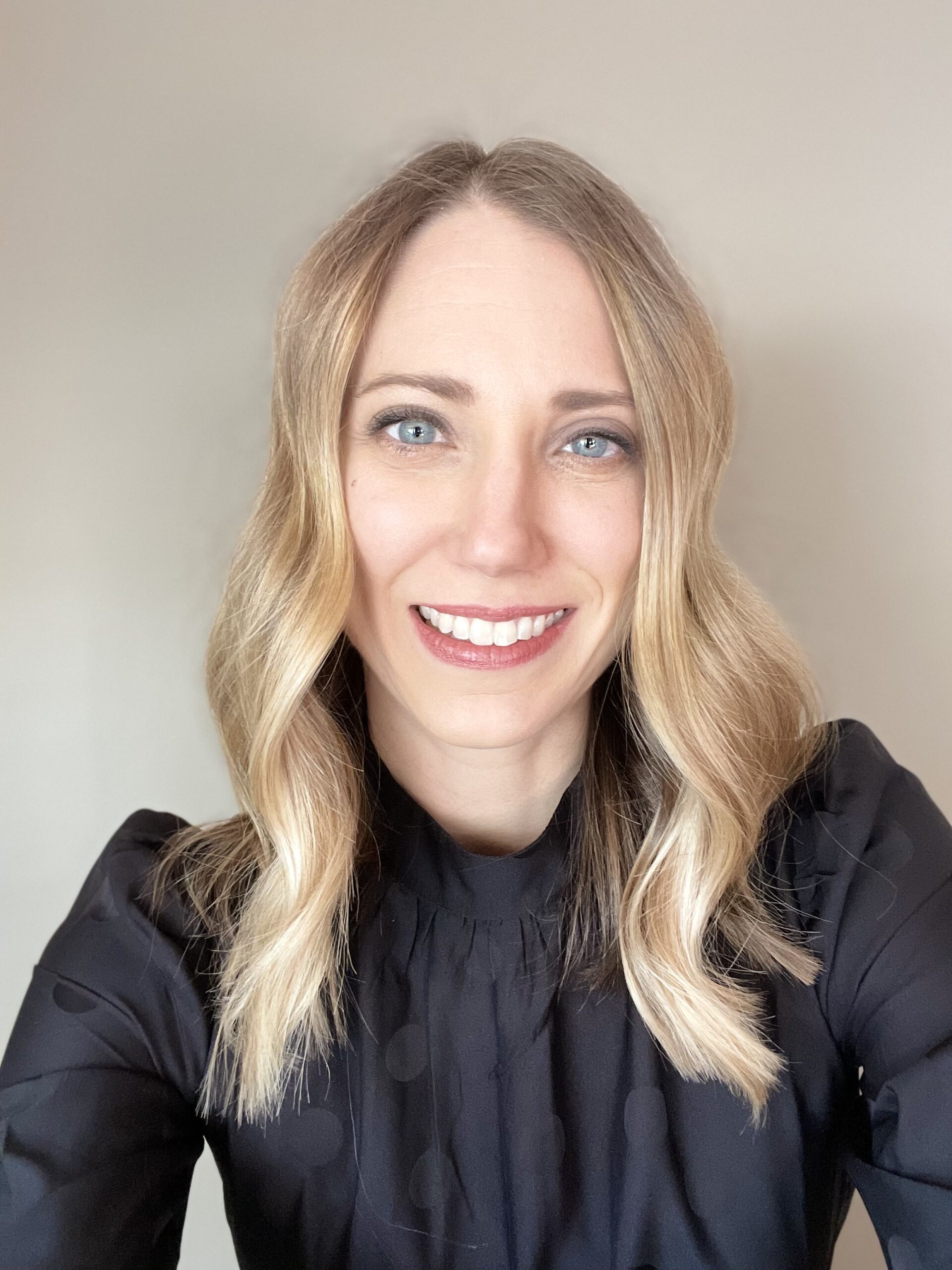
Headshot of JoLynne Lyon

JoLynne J. Lyon

JoLynne J. Lyon is a storyteller for hire who specializes in finding the art in everyday life, making complex subjects understandable to the average person, helping others identify authentic stories that resonate with a target audience, and providing professional words and photos across print, web, radio and social media. Read more of her work on her blog, Mountain Lyon Notes.


    Filed Under: Articles, Productivity Tagged With: career choice, working moms

    April 22, 2025: “The Nuts and Bolts of a Podcast: The Benefits and Struggles of Creating and Producing a LDS Podcast in Today’s World”

    April 8, 2025 By LDSPMA

    With Scott Brandley & Alisha Coakley

    Tuesday, April 22, 2025, 7:00-8:30 pm Mountain Time

    Watch Recording

    Scott Bio: Scott grew up in Southern Alberta, Canada, and made his way to Utah after serving a mission in Cape Town, South Africa. Not long after, he teamed up with his dad to launch an online business selling LDS products before shifting gears to co-found a successful software company. His wife, Darla, isn’t entirely convinced he actually works—but the paychecks seem real enough.

    In 2014, Scott was called to serve as a Bishop in Ogden, a role he dedicated himself to for over five years. During that time, he felt inspired to write a book to help others strengthen their faith. These days, he teaches Gospel Doctrine, perfects his golf swing, and soaks up as much family time as possible with his wife and four kids.

    Alisha Bio:

    Alisha was born in Michigan, raised in Florida, and after some time in Utah and Nevada, finally planted roots in Texas! She’s a proud momma to three cute kiddos, three lazy cats, and one chicken of a dog—all of whom she adores “smothering with her mothering.”

    Passionate about serving others, staying busy, and bringing joy and beauty to the world, Alisha pours her energy into every role she takes on. She is the Owner and Operator of a historic event venue, Co-Host of the Latter-Day Lights Podcast, an aspiring author, a Temple Ordinance Worker, Self-Reliance Facilitator, and Compassionate Services Leader.

    While her self-proclaimed “Shiny Syndrome” keeps things interesting, she’s determined to stay the course—striving every day to become the person Heavenly Father needs her to be.

    Links:

    www.latterdaylights.com

    https://www.facebook.com/latterdaylights

    Filed Under: Monthly Zoom Discussion

    Why You Don’t Want to Get Your Book Done Quickly

    April 4, 2025 By LDSPMA Leave a Comment

    As a coach, speaker, or business owner, you may have heard that being a bestselling author gives you credibility. After all, having a book helps you:

    • Get more speaking gigs
    • Have another revenue stream to support that platform (from online royalties or selling books at the back of the room after a speaking event)
    • Expand your audience tenfold through a lower-priced product (made available worldwide through online stores and libraries)
    • Increase your opportunities to pitch to media and do interviews on radio, TV, podcasts, etc.
    • Connect with clients and potential business partners by showing your expertise (and don’t forget: you can use your book as a gift!)

    Strategies for Fast Book Production

    So, how do you get a book out there quickly? There are lots of ways to approach this process.

    • Pick only one small, focused problem and offer the solution for it in fewer than 10,000 words.
    • Compile all of your blogs, PowerPoint presentations, etc., and roughly organize them around a few key ideas.
    • Turn your signature speech into a book.
    • Get together with other like-minded professionals and do a themed compilation book on your individual stories or on how you each solved a problem.

    But stop a moment.

    What Haven’t You Heard?

    While I’m all for helping authors self-publish and build their platforms with quickly produced books, I have learned a thing or two coming from “behind the curtain” of traditional publishing that I think most new authors learn only in hindsight.

    Traditional publishers understand the long-term results of good branding.

    They won’t take a book that isn’t really compelling in each of these areas:

    • Well organized; each fresh idea builds momentum gracefully and powerfully, convincing the reader of the value and truth of the ideas being proposed (avoiding redundancy, confusing paragraphs, muddy arguments, etc.)
    • Full of emotionally impactful stories that concretely support the ideas the author is developing
    • A strong, unique hook that can get both media and a bookshelf browser’s attention despite all the competition from similar products
    • Good writing—not just mechanically clean writing (with correct grammar, punctuation, spelling, and lack of typos), but prose that captures the stories and ideas with powerful verbs, word economy, precision, and strong voice/compelling style

    A publisher wants to make the deepest possible emotional impact on the broadest possible audience: impressed, moved, excited readers mean repeat buyers for future books, converted clients for the author (which means a bigger platform for future books), and excellent reviews and interview requests (which drive book sales). Publishers don’t want to rely on one-time marketing strategies to sell a single book in the short term. They are investing in something; they want long-term buying conversion to that author’s brand.

    The quality of the book—from its well-edited guts to its cover to the marketing copy on the back (and even the type of paper it’s printed on)—is a publisher’s best chance to convey the brand experience that will convert readers.

    Compromise for the Solution

    So, yes, you can jump on the bandwagon and quickly slap your book together, have only one or two other people give you their thoughts, and hire a proofreader to find the typos (which is different from the type of editor who deals with the items in the good-branding list above, FYI).

    And you can even sell a lot of books at the back of the room and pay for the kind of marketing that will make it a best seller in some Amazon category. But what’s after that? If someone attends your speech and then buys your signature-speech book, what increased value did you give them? Will they be that interested in the next thing you produce, or will they write you off as a one-hit wonder?

    If you want to use your book to grow your business long-term, the smoothest path to success is to have a clear, firm, and impressive book-branding experience in place from the get-go. It will give them more value, more interest in you, and more loyalty as converted clients (and it will be more convincing to any business partners you’re courting). With a higher-quality book, you’ll truly convey the expertise you have.

    Do Now

    It’s never too late to up-level your branding. If you’ve already published a quick book, don’t sweat it. Let it continue to produce what results it can while you consider if you could take it to the next level. If you’re thinking maybe you should redo the cover or the marketing copy, find a professional in the book industry to help you. Find a good developmental editor (and a deep-line editor) to give you that professional edge. That’s the beauty of self-publishing, after all—you control everything.

    If you’re still developing your book, how do you incorporate the lessons of traditional publishing into your plan for quickly producing your book?

    • Get your content together quickly and, by all means, team up with the marketing power of other professionals if that makes sense for you; but in traditional publishing (where quality equals long-term success), that’s called a draft. It’s not what you go to press with.
    • Get lots of feedback—not from close friends, your mom, or a single mentor. Use whatever networks you have (including social media and/or the audience for any online courses you’ve created) to refine your ideas by beta testing them to see what gets engagement and interest. (You’ll want to find readers who are actually facing the problem for which you’re providing a solution.)
    • Hire a professional developmental editor—don’t just get a copyedit or proofread; these latter services are both types of professional editing, but they are final steps. A developmental editor is trained in developing ideas, making sure your book is well organized, and in helping the audience connect with your voice—in short, his/her job is to make sure the market you want to speak to is going to understand your message and be moved by it. If you’re writing a memoir (or a narrative-driven inspirational/how-to), find out if your nonfiction editor also has extensive training in story structure, thematic through-lines, character development, and so on.
    • When you go to self-publish, hire individuals or teams that have experience in the traditional publishing industry so you can apply that experience to producing a quality book—one that will look as good as what the traditional industry produces. For instance, you want a team who knows what makes a good cover and why. Is the marketing copy actually marketable (has a good hook, covers reader pain points and desires, is well-worded), or is it just a general summary of your content? Does the vendor insist your cover, tagline, and image tell a cohesive genre story and hook your ideal target market? (Most won’t.)

    Sound Like This May Take a While? 

    Actually, we’re talking about adding just a couple of months to your timeline if you bring in professionals to help. In the grand scheme of things, adding two to three months to your release date isn’t much of a bump in the publish-quickly road. (If you have a pressing deadline that’s non-negotiable, just get what you have out and then up-level as soon as you can after that; you want the best version of your book available for bigger audiences as your business grows.)

    If speed is your priority, or you’re really starved for time, you can even give your content to a ghostwriter who can spin gold from it, capture your voice, and have it all done within a couple of months.

    Spun gold—that’s the kind of book that’ll have your readers coming back for more. That’s the kind of book a traditional publisher may consider picking up after you’ve made a self-pubbed success of it. That’s the kind of book that can be your legacy.

    In short? Get it done fast, but get it done right.

    This article was written by Angela Eschler and was republished in this condensed form with permission from Eschler Editing. To read the full version, click here.

    Filed Under: Articles, Craft Skills, Professional Skills, Publishing, Writing Tagged With: Editing, marketing, self-publishing

    What’s More Important: The Actor or the Show?

    March 22, 2025 By LDSPMA Leave a Comment

    Today’s article is courtesy of Rebecca Burnham of Summit Stages. You can learn more about this innovative organization by clicking here.

    One of the things I find most challenging about building beloved community through musical theatre is the apparent conflict that inevitably arises between the interests of the show and the needs of the individual.

    I don’t think it’s possible to put on a play that builds community unless you are intentional about prioritizing the people over the product. For example, if the product were the primary goal, auditions would be extremely competitive and only the very best actors would get cast. But if you’re building community, you’re going to give some parts to people who didn’t really shine in auditions but you know they need to be there and they have growth potential. You’re going to take a chance on actors from marginalized backgrounds who need extra, offstage support. You might put an exceptionally talented actor in a supportive role, where they can be an anchor for the entire cast. And then, when the crunch is on and a member of the cast is struggling in a way that may compromise your production, you are going to wonder if it’s time to prioritize the production over a specific individual.

    This happened to me recently and I made the wrong decision. Grace got in the way before I could act, then I got another opportunity to choose better. And the results were beautiful. I want to tell you about it and what I’ve learned.

    There Is a Way to Meet Everybody’s Needs

    Among the community-building decisions we made when we cast Fiddler on the Roof was to include in our ensemble an AuDHD boy who is a newcomer to the stage. It was obvious in auditions that this was important to him, and it was equally apparent that he would need a little extra help to succeed. We put him in a role that we thought would come almost naturally to him, and we expected we’d be able to give him the extra help he needed. But we didn’t realize how big of a task we’d signed up for.

    It wasn’t just his needs that were greater than we’d anticipated. So were the demands of this particular play, which is 1.5 times as long as a standard 2-hour show. Neither my co-director nor I were super familiar with the play (we’d signed onto the job with the understanding that we were doing a different show). The musical tracks provided by the licensor did not match any of the Broadway soundtracks, and we had to create our own rehearsal tracks in order to figure out choreography. We were working as hard as we could just to map choreography and pre-block the scenes before rehearsals, and then to smooth out the glitches during our run-throughs. There was so much going on with our cast of 51 that we just did not find time to work one-on-one with the boy in the ensemble that we’d known would need extra help. We saw some silliness onstage and heard reports about impulsive behavior offstage that needed to be managed. But we had some exceptional actors who were helping out with the offstage behaviors, so we directed the boy to tone down the onstage behavior and thought we had it covered.

    Halfway through our run, it became evident that the problem was getting worse instead of better. We’d gotten to the point that we were worried about being able to provide a safe environment for our actors and the equipment, and we were at our wits’ end. My co-director and I held a quick consultation. We’d tried talking to him multiple times. So had the actress working directly with him. Obviously, it wasn’t connecting. We decided that for the sake of the show and the rest of our cast, he needed a firm talking to, some actual modeling of exactly what we needed from him, and an ultimatum to straighten up or withdraw from the production. We went to take him aside, but we couldn’t find him. He’d already left the building.

    It was maybe twenty minutes later when I got a text from his mom, asking for help to recover an item he’d forgotten at the theatre. It suddenly came to me that I should tell her about the struggle we were having and ask for her ideas. She understood exactly what I was concerned about. She explained what was going on in terms of her son’s development and his meds. Then she offered to come backstage and run him through some breathing and grounding exercises that could help him cope. She even taught those exercises to the adult actress who works most closely with him so she could provide that support when the mom wasn’t able to be there.​

    Our next performance was almost flawless. I was so proud of the entire cast and crew, and especially of the boy who was now performing his part just like we’d envisioned it and honoring the space that other actors needed. And I was so, so grateful that we’d been forestalled from giving him the talking-to that would not have fixed the problem, but would have more likely ruined his experience and undermined his relationship with theatre.

    Here are my takeaways:

    • I believe the economy of heaven is win-win. I believe it’s a myth that sometimes the individual has to be sacrificed in the interest of the production or the community. I believe that if we keep digging, we will be led to a solution that meets the needs of both. I want to clarify that sometimes, that solution may ask a lot of the individual and/or of the community, and achieving it will depend on everybody’s willingness. But if we’re all willing, we can find a way to meet everybody’s needs.
    • If we can’t find a way to meet everybody’s needs, it’s time to broaden the collaborative circle. There is somebody out there with exactly the expertise or insight we need. So, instead of sacrificing the individual or the community, I’m going to trust heaven to help me find them.
    • Next time, I plan to have a member of the production whose whole job is to identify individual needs and care for the community offstage. Stage directors can do a lot to impact cast culture, but they have too much on their plate to give due attention to the specific needs of the individuals and the community. So, if the driving purpose of my work in musical theatre is to build beloved community, I need a community director who can give their full attention to that.

    Summit Stages aims to build a kinder, brighter world… one musical at a time. We’re going to do this in a way that thoroughly entertains and provides funds for our creators to achieve their dreams. But we aren’t all about the money or the entertainment. We’re about impacting lives and communities for good. 

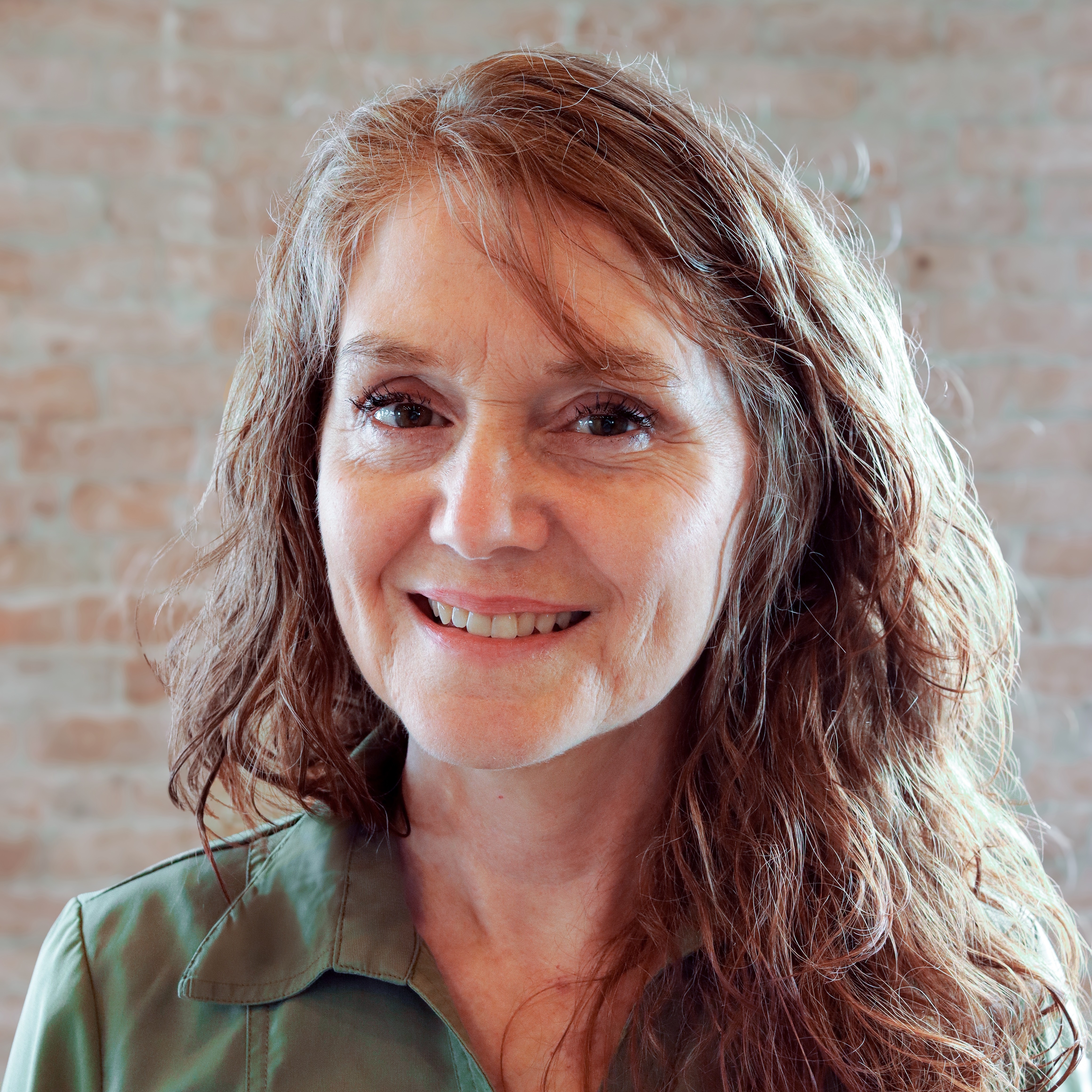
    Headshot of Rebecca Burnham

    Rebecca Burnham

    Rebecca Burnham writes a weekly newsletter about music and theatre that build Zion at SummitStages.org, where she is gathering a collaborative community of creators, producers, performers and playgoers to fill the world with musical theatre that lifts and unites. Her passion for the stage includes acting, directing, producing, and writing musicals which have been performed on various Canadian stages. A reforming veteran of the culture wars (as journalist, award-winning columnist, and pro-family activist), she’s now on a mission to build peace through connection across our divides and the skilful staging of shared stories.

      Filed Under: Articles, Craft Skills, Media, Film & Theater Tagged With: building community, unity

      Time Management Skills: Creating a Life of Order

      March 7, 2025 By LDSPMA Leave a Comment

      With the new year just underway, many creatives may be thinking of how they can improve in 2025. For some, that resolution may be to manage their time better.

      As a self-employed content creator, I know firsthand how hard time management can be. Time is a limited resource, and it can be easy to feel overwhelmed by the number of tasks and to-dos. But time management doesn’t have to be a mighty dragon to fear.

      Here are some lessons I’ve learned on my time-management journey that can help you on your quest.

      Put God First

      God is in the details. He will help us know where to focus our efforts if we put Him first. This definitely isn’t easy, as distractions run rampant, but if you make time for God, He’ll help you accomplish what matters most.

      I grab my scriptures first thing in the morning instead of my phone. I may not always have time for in-depth scripture study, but I try to read at least a chapter if I can, a verse at the bare minimum. I have friends who read a chapter of the Book of Mormon before they do any work. Others kneel in their offices and say a prayer. However you decide to do it, spending time with Him helps make the rest of the day easier.

      As President Benson said, “Men and women who turn their lives over to God will discover that He can make a lot more out of their lives than they can. He can deepen their joys, expand their vision, quicken their minds, strengthen their muscles, lift their spirits, multiply their blessings, increase their opportunities, comfort their souls, . . . and pour out peace” (Ensign December 1988, 4)

      Putting God first will ultimately help you face your day with confidence and assurance that He is with you.

      Prioritize

      Once you’ve sat down with the Lord, it’s time to look at your to-do list. What is the most urgent thing that needs to get done today? Is it to send one specific email? Plan a meeting? Work on that editing, writing, or creative project that’s due soon?

      Brian Tracy coined the phrase “eat the frog” as a cure for procrastination. “Eat the frog” means that the thing you’re most dreading is the thing you should do first. That frog might be a sticky email you don’t want to write, a massive project that’s taking too long, or a phone call you keep putting off. These frogs might be things that take more energy, brain power, or negotiation skills, which makes them daunting. But when you eat them first, you’ll get a boost of dopamine from accomplishing a hard task that will see you through the rest of your day. Your plate will be lighter once the frog is gone.

      As part of prioritizing, it is also important to identify tasks that are not urgent. Things come up—they always do. It might be a last-minute doctor’s visit, a chat with a friend, or a child needing cuddles. You’ll find that your lower priorities will get shuffled around from day to day. Every day has different needs. Eat the frog first so that if the less-urgent things need to get dropped, they can.

      Do Things When You’re Motivated

      Some days, you may not feel like getting out of bed, much less working. Other days, you may have mental or physical health challenges that make work appear as demanding as climbing Mt. Everest. I’ve had days when I’ve stared at my pile of to-dos and felt completely unmotivated to do any work due to the weather, my health, or my emotional state. It’s okay to take occasional break days for your mental or physical health.

      But when the motivation comes fast and thick, that’s the time to work. When I’m motivated, I get more done than just the frog—I clear my inbox, send emails that I’ve been neglecting, and get more chapters written or edited. These days make up for the break days when I need to reset.

      Sometimes all you have to do to get motivated is start with one small task, such as scheduling a Facebook post or drafting an email. Whatever that small task might be, if you set a timer for ten minutes and just start, you’ll often find that more motivation will come.

      Use What Works for You

      There are a bazillion apps, tools, and tricks that can help you manage your time. The number of available options can be intimidating. But all you need to do is find what works for you. Maybe try an online website like Asana or Zoho to help you organize your tasks. Maybe use pen-and-paper planners. Or maybe experiment with a combination of both online and offline tools.

      I’ve fallen in love with sticky notes and paper planners. There’s something oddly satisfying about checking things off. While the piles of sticky notes on my desk seem excessive some days, for me, sticky notes are easy to organize. I simply keep what is necessary in a specific place, and I discard what isn’t necessary at the end of the day.

      Consistency is key; you’ll use what you like, so find what works for you.

      Find Accountability Partners

      Another helpful resource is accountability partners. Video-calling a friend while you work can actually be tremendously motivating.

      Last fall, I was struggling revising one of my books. Between my jobs and other life concerns, revising just wasn’t happening. It spiraled to the point where I wasn’t sure I’d ever finish the book. A friend suggested finding an accountability partner, so I reached out to several friends and scheduled hour-long sessions to write together. To my surprise, weekly writing sessions helped me stay motivated, and I finished up my revisions. I still meet with several of them every week to work on projects because having someone right there on a video call makes it a lot harder to procrastinate!

      LDSPMA is a great way to find friends to encourage you in your pursuits. If you want to find an accountability partner, our social media is a great place to start.

      Give Yourself Grace

      Time management is tricky, especially when you oversee your own schedule. Trust me, I’ve been there. Procrastination is very real, and it can be difficult to overcome. Sometimes we’re going to fall short. And that’s okay.

      The trick is to keep trying. And rely on the Lord when you fall short. Repentance simply means change, which includes changing our habits. None of us are perfect; we’re all trying to be a little better each day.

      As you work on taming the time management dragon, remember that you can do anything you set your mind to. You may struggle from time to time, but that’s okay. Don’t give up. Time management, like anything, is a skill. And it can be mastered—one day at a time.

      Headshot of KaTrina Jackson

      KaTrina Jackson

      KaTrina Jackson loves penguins, cross-stitching, chocolate, and piano music, and spends much of each day trying to fit those loves in around her jobs as a freelance editor and as a project manager for Eschler Editing. She graduated with a degree in editing and publishing from Brigham Young University because she couldn’t get enough stories in her life. She’s also a member of three different writing groups, attends and teaches at multiple writing conferences yearly, volunteers with LDSPMA and has since 2021, and is currently working on publishing her first novel. When she’s not writing, editing, or reading, she can be found practicing yoga, teaching piano lessons or performing with her husband, or watching Disney movies while working on a cross-stitch project. She and her husband live in Olathe, Kansas.


        Filed Under: Articles, Professional Skills Tagged With: organization, time management

        How to Find Your Golden Idea

        February 21, 2025 By LDSPMA Leave a Comment

        One of my favorite quotes comes from business magnate Richard Branson: “The best businesses are built by solving a real problem that people have.” A great place to start is to ponder on this statement and let it brew in your creative mind until you’ve formed a list of problems. Then you can brainstorm potential solutions. Some solutions may ease the problem while others temporarily numb it. The idea that comes closest to completely and permanently fixing the problem is the golden foundation on which to build your business.

        I had a problem effectively keeping a journal while serving an LDS mission in the Philippines. I was having great experiences, but on some days I couldn’t find the motivation, time, or even willingness to record them in my journal. It felt like a very mundane task, so I found ways to make it more fun. I decided to break up my records into several different journals. In one I would record memories about my companions so I wouldn’t forget the small details that made them unique. In another journal, I would dedicate a few pages to each transfer, highlighting the best moments from that area. A tradition on my mission was to give notes and pictures to other missionaries when they went home. I had nowhere to store all these wonderful and creative cards, so I kept a third journal where I would glue or staple them onto the pages. Though it was a lot to store, I soon found joy in journaling. It even became something I looked forward to every day. Fast forward a few years after my mission and I had my idea: to create a journal for missionaries that would allow them to do everything I did all in a single journal.

        Identify Your (Small and Specific) Audience

        Now that you have a potential solution to a problem, you have a business idea. It’s time to figure out who this idea best serves. It may be tempting to assume that the bigger your market, the better, but there’s actually power in starting with a smaller and more specific audience. According to We Can Track, conversion rates for niche e-commerce sites are 29% higher than broad markets, and niche websites experience 53% more user engagement than general topic sites. The more specific your audience, the easier it will be to speak to them and learn from them.

        I asked, Is there real demand for my business/product idea? Before going all in, it’s important to know what the demand level looks like. I wanted to know if other returned missionaries struggled with journaling while they were in the field. How many of them even purchased a journal for their mission? How satisfied were they with their journal? What would make my audience more satisfied?

        Once Identified, Master Your Audience

        You can never know too much about your audience. The better you understand them, the better you’ll be able to serve them. Here are some strategies:

        • Create surveys. Post these surveys on social media groups and send them to friends and anyone else in your small and specific audience. Be prepared to provide an incentive for them to take these surveys. My first survey got me thirty responses. With my second survey, I offered two $10 gift cards to two random participants, and the $20 investment got me over 250 responses. The incentive drove people who took the survey to ask their friends and family to take it as well. Be sure to include questions to verify how well each respondent fits into your audience. I knew to value the answers of respondents who served missions and purchased a journal more than those who didn’t serve missions or didn’t prioritize purchasing a journal, and I couldn’t have distinguished that if I hadn’t asked.
        • Make a focus group. Once I had a sample of my product, I wanted to see my audience’s reaction. The feedback was brutal, but I knew as long as I was growing in knowledge of who my audience was and what they wanted, I was winning. This data taught me to take myself out of the equation and focus on what my audience cared about. The two focus groups I used provided me with the additional information I needed to make a more refined version of my product that my audience overwhelmingly approved. A business or product idea often begins with what you want it to be, but it should then progress and develop into what your audience wants it to be.

        Once Mastered, Build Your Audience

        You don’t have to wait for your business to be off the ground before building an audience. If your business is a landscaping service, try starting a social media page with beautiful before-and-after landscaping photos. If your business is selling a product to an LDS audience, try starting a blog centered on topics that the audience may find engaging. This way, come launch time, you’ve already built a community that you can continue to nurture—hopefully for years to come!

        Build Your Idea and Find a Supplier

        Using the data learned from your audience, begin the building process. I used tools to design journal pages and components such as Adobe, Canva, and other sites to find template inspirations.

        Do your due diligence in finding a good manufacturer. A popular platform that I prefer to use is Alibaba. After speaking with over fifty manufacturers on the app, here are some things I’d recommend you prioritize:

        • Experience. Find their profile or website and ensure they have years of experience working with sellers.
        • Verification. Find suppliers who are verified by third-party companies. This reduces the risk of anything going wrong.
        • Reviews. Find out how others who worked with the supplier felt about the service.

        Many suppliers offer good deals if you order in large quantities. I recommend starting small and then building out. I began with a modest order of 100 copies. This allowed me to test the waters and see if the demand level was accurate without being left with too many extra copies and a nonexistent audience. Once the data in our sales numbers verified the demand level, I ordered a greater quantity.

        Misconceptions That Keep You Stagnant

        • You don’t need a huge team to start. You will need to wear a couple of different hats, but it only takes one person to turn an idea into a business. With the help of services like Fiverr, it’s even easier to start without a big team.
        • You don’t need a lot of money to start. My wife and I used funds from donating plasma to start our small business, and because we started with a smaller supply quantity, it didn’t take much capital to launch.
        • You don’t have to succeed in order to win. The fear of failing or making a stupid mistake is what has previously kept me from giving any business venture a try. But I hope this quote by Henry Ford helps any reader as much as it helped me. It reads, “The only real mistake is the one from which we learn nothing.” Your first business idea may not be the one that brings the most revenue, but as long as you are learning something, you are winning.
        Headshot of Junior Germain.

        Junior Germain

        In addition to operating a small business with his wife, Junior works as the head of the marketing and sales department at a real estate marketing agency based in Utah. He graduated from BYU-Idaho with degrees in Marketing and Communications, and welcomed his first child a few months ago.

          Filed Under: Articles, Business, Professional Skills Tagged With: audience, ideas

          A Conversation with Bonnie Oscarson

          January 24, 2025 By LDSPMA Leave a Comment

          Salt Lake City native Bonnie Oscarson served as the Young Women general president of The Church of Jesus Christ of Latter-day Saints from 2013 to 2018. She and her husband, Paul, served as mission president and companion in the Sweden Gutenberg Mission and later in the Stockholm Sweden Temple as temple president and matron. Together, she and Paul have seven children and 29 grandchildren. Bonnie also authored the book What Makes Us Sisters, which addresses women’s roles to develop and share their talents and gifts. Connie Sokol, who until recently was the host of the LDSPMA podcast Called to Create, interviewed Bonnie about her callings in the Church and her creative pursuits.

          Bonnie recognizes a pattern throughout her life that prepared her to serve as the Young Women general president. Growing up, she developed empathy by living in several different states and attending wards and branches of various sizes. No matter where she was, she found ways to relate to the young women.

          Forty years after first attending BYU, Bonnie returned to earn a bachelor’s degree with an emphasis on British and American literature. Though she has always found writing challenging, she gradually improved her craft through the many essays assigned to her in school. Bonnie hadn’t guessed that writing would become a necessary skill for her, but later, she found herself called upon to write articles for conferences and magazines. She looks back on this and other experiences as evidence that Heavenly Father knows what opportunities lie ahead and places experiences in our paths to prepare us for the future.

          Sometimes, we may wonder why we are having certain experiences and what purpose they serve. At times, it’s only in looking back that we can see how important these lessons were in shaping who we have become. Bonnie feels that choosing to devote oneself to a life of faith allows the Lord to provide some of these experiences. “I think sometimes if we hold back, we may miss a few of them,” she shares.

          Connie adds that as creators, we may be tempted to focus solely on the art we are creating. However, if we shift our focus to creating a meaningful life and allow the Lord to guide our experiences, we will be prepared for the future He has in store. This approach won’t negate any other pursuits we’ve chosen; instead, it will enrich them.

          Bonnie asked multiple stake and ward Young Women leaders, “How do your young women see themselves in this work?” Every answer she received came down to, “We support.” This insight prompted her to focus on shifting the young women’s perspectives from being cheerleaders to becoming fully engaged participants in the gospel of Jesus Christ. She encouraged leaders to step back to allow the young women to teach lessons, to conduct meetings, and to help minister to others.

          Bonnie and Paul now serve in the MTC as ecclesiastical leaders, and she has seen an increase in young women choosing to serve missions. “I just see greater self-confidence [in them] and a belief that [they are] an important part of this work.”

          After Bonnie spoke in a women’s session of general conference, Deseret Book asked her to write a book. She was surprised that they thought so highly of her talk. They referenced her Pinterest board to find images that reflected her personality. Bonnie had gone through her boards to make sure nothing would reflect poorly on her new calling. Connie points out that as creators and Christians, our focus should be on reflecting the Savior’s light, including how we present ourselves on social media. She extends the invitation to review our social media accounts to note whether they reflect that light.

          Bonnie has had many mountain and valley experiences, as we all do, where she chose to let go of something to create a more meaningful life. She met her husband while working on a degree in commercial art, which she loved, but chose a future with him instead of pursuing her education at the time. Upon having children, she repurposed the drawing board her parents had bought her years earlier into a baby-changing table. Though she put aside art in many ways, she feels that raising children is a creative process. Bonnie found fulfillment outside the stereotypes of “Mormon mothers” and taught her children how to use their creativity. When she and her husband moved to Sweden to serve as mission president and companion, she was 25 years old with five small children. Though the experience was difficult, she has no regrets.

          Looking back, Bonnie can see how God prepared her to return to Sweden to serve as temple matron and then to fulfill her calling as Young Women general president. Her experiences helped her guide young women, missionaries, and those learning about the Church to focus not just on the baptismal font but also on the temple.

          As Connie describes it, we may leave our creative projects on the altar as a sacrifice. However, like Bonnie using her drawing board as a changing table, what we sacrifice is recompensed in many different ways because we don’t only gain—we change. We become more capable and effective.

          Bonnie notes that because we are all trying to keep the same commandments and meet the same expectations, we may think we have to be alike in every way. However, as members of The Church of Jesus Christ of Latter-day Saints, we are diverse and should embrace our differences. Living a creative life requires following our unique paths and using our unique gifts rather than trying to fit a mold. We ought to follow those paths confidently, bringing our families along with us.

          This article is based on the Called to Create podcast featured during Season 3, Episode 2o. You can listen to the full podcast here.


          Filed Under: Articles, Called to Create Conversations Tagged With: motherhood, young women

          How to Master the Apostrophe

          January 10, 2025 By LDSPMA Leave a Comment

          Apostrophes are one of the most diverse punctuation marks in the English language. They can be used and placed in various ways to change the meaning of a sentence. You’ll want to make sure you’re using them correctly, so that your writing reads clearly. In this article, we’ll outline simple rules that will bring confidence and accuracy to your apostrophe use in the future.

          This is an apostrophe: ’ It is also known as the right single quotation mark.

          This looks like an apostrophe but is not: ‘ It is the left single quotation mark, which can’t be interchanged with an apostrophe.

          Apostrophes are used for three main reasons: signifying possessives, replacing missing letters or numbers, and—rarely—to form plurals.

          1. Signifying Possessives

          This is the most complicated use of the apostrophe. Possessives have a handful of nuances based on singular or plural form and, in some cases, the pronunciation of the individual word. But don’t let that scare you. We’ll lay out some simple rules you can follow so you’ll get this down in no time.

          Singular Possessive

          This is the easy one. To show that a singular person, place, or thing possesses something or someone else, add an apostrophe and an s to the end of the noun.

          The cat’s paws were as pristine as a white carpet.

          A student’s book was in the street.

          My toddler’s red balloon sailed into the sky.

          The same rule applies to singular nouns that end in s. Add both the apostrophe and the s at the end of the word.

          James’s dog chases Chris’s ball.

          Arkansas’s capital has a booming industry.

          Agnes’s report said that her crocus’s petals were as vibrant as ever.

          Note: Not every style guide agrees on the treatment of singular nouns as possessives. For example, in the Associated Press (AP) style, the noun being proper or common will determine whether to use an apostrophe or the apostrophe s. However, the majority of style guides, including Chicago style (CMOS), American Psychological Association style (APA), and Modern Language Association style (MLA), agree with the rule above.

          Plural Possessive

          Most plural words in the English language end in s or es to show more than one person, place, or thing. For those plural possessives, add only the apostrophe after the end of the word.

          The knives’ sharpness made even the most experienced chefs take precaution.

          My sisters’ shoes always look pristine.

          The boxes’ angles interested the children.

          For plural nouns that don’t end in s or es, we revert back to the original rule. Add an apostrophe and an s.

          The children’s toys were sprawled across the room.

          The mice’s tails whipped behind them as they ran.

          The women’s discussion enlightened each member of the room.

          There are a handful of words in English that end in s both when they are singular and plural. Examples are leggings and politics. For these kinds of words, just add an apostrophe like you would for plural words ending in s, even if they are used in a singular sense.

          The headquarters’ main office had cubicles.

          The crossroads’ intersections both needed to be cleared of debris.

          The tweezers’ prongs were sharper than necessary.

          Similarly, words that have a plural form ending in s but are singular in meaning, like United States, follow the same rule of adding only an apostrophe.

          Beverly Hills’ homes are some of the most expensive in the country.

          Longwood Gardens’ woodlands contain over 100 floral species.

          Portland Academy of Writers’ meetings are extensive and informative.

          Joint Possession

          When a noun is owned by two or more people, this is called joint possession. The placement of the apostrophe (or apostrophes) in joint possession will change the meaning of the sentence. If two or more people own the same item, only one apostrophe is used with the last written owner’s name. If two or more people own separate but similar items, apostrophes are used with each written owner’s name.

          For example, if we wanted to talk about dogs that were owned by both Jim and Pam, we would write, “Jim and Pam’s dogs.” The apostrophe is placed only after Pam’s name to show that Jim and Pam own the same dogs. If we wanted to talk about dogs that were owned separately, some by Jim and some by Pam, we would write, “Jim’s and Pam’s dogs.” The apostrophes after both names signify that Jim and Pam do not own the same dogs but have their own set of dogs.

          Chancy, Noah, and Clara’s parents celebrated their 28th anniversary.

          (Chancy, Noah, and Clara all have the same parents.)

          Emma’s, Anthony’s, and Sawyer’s parents shop at the same grocery store.

          (Emma, Anthony, and Sawyer all have different parents.)

          Halley and Stuart’s bakery is located on the corner.

          (Halley and Stuart own the same bakery.)

          Josie’s and Caleb’s bakeries are across the street from each other.

          (Josie and Caleb own two separate bakeries.)

          Last Names Ending in S

          Here’s a little bonus section for you. Sometimes last names that end in s can make the plural and the possessive complicated. But if you follow the rules stated above, you can figure out the correct way to write each last name in each situation.

          Let’s say the last name is Leavitt. If we want to talk about one Leavitt (singular) in the possessive form, we would add an apostrophe and an s. “Sophie Leavitt’s nails were painted red.”

          If we want to talk about all the people in the Leavitt family (plural), it would be Leavitts. Now, let’s add the possessive form with the plural. Like we mentioned above, for plurals already ending in s, simply add an apostrophe. “The Leavitts’ car is brand new.” Simple enough, right?

          Here’s where the confusion comes in. What if the last name ends in s already? Let’s take the last name Roberts, for example. In the singular possessive form, we would say, “Ignacio Roberts’s house is the quaintest on the block.” Making that last name plural, it’s Robertses. Now, follow the same rule for a plural noun already ending in s: add only an apostrophe. “The Robertses’ cat dashed under our porch.”

          2. Replacing Missing Letters or Numbers

          Sometimes apostrophes stand in for letters or numbers. These are called contractions. For example, in the contraction don’t the apostrophe stands in for the missing o in the phrase do not. Here are more examples:

          won’t for will not

          ’twas for it was

          gov’t for government

          rock ’n’ roll for rock and roll

          cookin’ for cooking

          Apostrophes standing in for numerals have less variations. They are mainly used to signify the year. So, instead of 1994, we could use an apostrophe to replace the numbers 19 and simply write ’94.

          3. Forming Plurals

          This is the least common use of the apostrophe. In fact, it’s pretty rare. An apostrophe can show the plural form only when adding an s or es would make the meaning ambiguous.

          For example, if we’re talking about lowercase letters of the alphabet in the plural form, it would be confusing to read “The teacher wrote xes on the chalkboard.” The reader may not know if the teacher wrote more than one x or xes. Instead, to be very clear, we would use an apostrophe. “The teacher wrote x’s on the chalkboard.” This applies to lowercase letters, but capital letters are pluralized by adding only s. (“She got all As on her report card.”)

          You may also see this same usage being applied to numbers, but it’s not as common. (“The algorithm required we use only 0’s and 1’s.”)

          Apostrophes are diverse, but you can master them if you review the guidelines outlined above. The more you practice using apostrophes, the more confident you’ll be that you’re applying them correctly. To learn more about apostrophes, you can read the Chicago Manual of Style, sections 7.5–30 and 5.20. And if you’re ever confused, you can always refer back to this article.

          We would like to thank Breanna Call and our friends at Ever Editing for allowing us to share this article with you. To read the other great articles they’ve written, click here.


          Filed Under: Articles, Craft Skills, Writing Tagged With: Editing, grammar, punctuation, Writing

          • « Go to Previous Page
          • Page 1
          • Page 2
          • Page 3
          • Page 4
          • Page 5
          • Page 6
          • Interim pages omitted …
          • Page 16
          • Go to Next Page »

          Primary Sidebar

          Write for Us

          Would you like to see your article featured here on LDSPMA?

          We are currently seeking article submissions. Learn what you need to know and submit your article here. 

          Recent Articles

          Two women discuss a written manuscript.

          How to Approach Feedback on Your Writing

          “Feedback is not a critique of your writing abilities but a constructive assessment aimed at elevating your manuscript to its fullest potential.”

          Margaret Blair Young and the Power of Stories that Matter

          “Pray about what kind of work might bring good into the world, then begin. Be open to anything. Trust that when you start doing something that is truly meant to edify and bring greater light into the world, it will be sustained.” -Margaret Blair Young

          A human hand and a robotic hand reaching toward one another.

          Why and How to Recognize AI Writing

          “At the end of the day, readers love, value, cherish, connect with, and pay for books written by humans.” -Amy Guan

          Search the Articles Archive

          Article Topics

          Recent Podcast Episodes

          Footer

          • Email
          • Facebook
          • Instagram
          • LinkedIn
          • YouTube

          Copyright © 2026 LDSPMA. All Rights Reserved. LDSPMA is not endorsed by nor affiliated with The Church of Jesus Christ of Latter-day Saints.