• Skip to main content
  • Skip to primary sidebar
  • Skip to footer

LDSPMA

Empowering Latter-day Saints to spread light and truth by connecting them at the intersection of faith, creativity, and professional skill

  • Conference
    • The 2026 LDSPMA Annual Conference
    • Conference Registration
    • 2026 LDSPMA Anthology Submissions
    • Theme Contests
    • Exhibit, Advertise, or Sell at the LDSPMA Conference
    • Sponsor
    • FAQs
    • Volunteer at the LDSPMA Conference
    • Past Conferences
      • 2025 Conference
        • Sessions
        • Workshops
        • Awards Gala
        • Internship Fair
        • LDSPMA’s Got (Secret) Talent!
      • 2024 Conference
        • Sessions
        • Workshops
        • ZIFF Networking Dinner
        • Schedule
  • Membership
    • Email Sign Up (Free)
    • LDSPMA NextGen
    • University Chapters
    • Facebook Group
  • Programs
    • Digital Summit
    • Mentoring Program
    • Monthly Zoom Discussions (Free)
    • Master Classes (2026)
  • Podcast
    • Watch
    • Listen
      • Listen on Apple Podcasts
      • Listen on Spotify
      • Listen on Buzzsprout
    • Called to Create Conversations
  • Articles
    • All Articles
    • Faith & Mindset
      • Gospel Principles
      • Creativity
      • Productivity
    • Craft Skills
      • Writing
      • Media, Film & Theater
      • Podcasting & Speaking
      • Music
      • Fine Art
    • Professional Skills
      • Editing
      • Publishing
      • Business
      • Cultural Diversity
      • Marketing
  • Awards
    • 2026 Award Nominations
    • Praiseworthy Awards
    • Spark Awards
    • Lifetime Achievement Awards
    • Past Award Winners
    • Apply to Be an Awards Judge
  • About
    • Mission
      • LDSPMA in the Media
      • Success Stories
      • Viewpoint on LDSPMA
    • LDSPMA Leadership
    • Volunteers
      • Volunteer Year-Round
      • Volunteer at the LDSPMA Conference
      • Apply to Be a Presenter
      • Apply to Be an Awards Judge
      • Resources for Current Volunteers
    • Policies
    • Contact US
  • Support LDSPMA
    • Donate
    • Volunteer
    • Sponsor

LDSPMA

A Conversation with Jane Clayson Johnson

May 3, 2024 By LDSPMA 2 Comments

Jane Clayson Johnson is a renowned journalist, author, public speaker, wife and mother, and member of The Church of Jesus Christ of Latter-day Saints. Jane uses her platform to advocate for issues like motherhood and mental health by drawing on personal experiences and helping others share their stories.

Jane’s love for storytelling and conveying information began when she was young. She recalls, “In high school, I devoured Time magazine from cover to cover every week. I just got lost in the stories of journalists in faraway places telling sometimes difficult and sometimes heartwarming stories. And I just thought it was such an interesting venue to share storytelling, get facts, tell the truth, and share that in a meaningful and informative way.”

After receiving a violin performance scholarship, Jane began her college career at Brigham Young University. However, she soon realized she wanted to pursue music as a hobby rather than a profession. She then shifted her focus to journalism and gained experience by writing news cut-ins for the campus TV station KBYU.

While leaving the Harris Fine Arts Center, she stumbled upon an internship opportunity at KSL TV. Despite the tight deadline, she drove to Salt Lake City to submit her application and secured the internship. She eventually transitioned from a part-time position at the station to a full-time role upon graduation.

Jane worked with the KSL Nightbeat newscast team, including Dick Nourse, Shelly Thomas, and Bruce Lindsay, who “took her under their wing.” She learned “to work hard and to be the first one in the door and the last one out,” “to be humble,” and to “respect everyone’s job and to learn from everyone because everyone has something to offer and something to teach you.”

Although Jane was happy working at KSL and had no plans to leave, her perspective shifted when an agent from New York contacted her about an interview opportunity with ABC News. Within a couple of months, she had moved to Los Angeles to work as a correspondent for affiliates around the country. She later became a network correspondent on World News Tonight with Peter Jennings. Her career took her all over the world, including assignments in Kosovo and Macedonia, where she reported on the refugee crisis after the NATO airstrikes. She also covered high-profile cases such as the O.J. Simpson trial and the fall of the Soto government in Jakarta, Indonesia.

Jane prevailed over tough competition when CBS launched a campaign to find Bryant Gumbel’s new morning cohost. Describing the role as a once-in-a-lifetime opportunity, she acknowledges the demanding schedule that required her to be up by 3:30 a.m., arrive at the studio by 4:00 a.m. to read newspapers and meet with producers, then present the news from 7-9:00 a.m. on air before providing updates for the West Coast two hours later. Despite the demands, Jane is grateful for the unforgettable opportunities, including covering major events like 9/11 and interviewing prominent figures such as presidents and First Ladies. She credits this experience for preparing her for the diverse seasons of her life that followed.

When asked how she maintains her composure during difficult broadcasts, like her coverage of 9/11, Jane reveals that she feels deeply and tends to over-empathize with her interview subjects. However, she realizes that a reporter is not the story but a conduit for the story. She adds, “I think in the days of kind of showmanship journalism, where lots of folks are trying to . . . be at the center of it all, I think we have to remember to have humility and to try to understand what another person is going through and to help them describe it.”

Jane relied on her faith to anchor her amidst the shifting responsibilities and challenges of high-profile journalism. In an environment where most people had never met members of the Church, Jane recalls, “I had to . . . stand up for my beliefs, and I always tried to do my best. I always felt like I was a representative for the Church and wanted to be seen as someone who lived the gospel in its purest form, which is to be an example of the Savior.” Jane regards her ability to believe as one of her spiritual gifts, which she attributes to her upbringing. She expresses gratitude for her parents, who taught her gospel principles while allowing her to make her own decisions. Once she developed her own testimony, she says, “I realized how precious it was and I didn’t ever want to do anything that would detract from living a life that would. . . allow me to feel the Spirit.”

Jane chose to transition to a new season of life when she met her future husband. Despite receiving a lucrative offer to return to ABC, Jane, then 36, decided to leave the fast-paced world of network news to start a family. Although this choice was met with skepticism from others, and the transition was difficult, Jane knew the decision was right for her. Reflecting on her journey, she emphasizes that individual circumstances and desires are crucial in life choices. She explains, “After working (at) quite a high level for a lot of years, I knew that I wanted to have a family, and I personally didn’t see how it was going to work to be able to do both. I know a lot of women do, but for me, this was the choice that I made.” She relocated to Boston, and within two and a half years, she and her husband welcomed two children.

While Jane had never planned to be an author, an idea for a book came to her in the early morning hours when she was caring for her newborn. She jotted down her thoughts on a yellow notepad. Before she knew it, a book had taken shape. Of the creative process, Jane says, “Each of us has experiences that we can translate into lessons for others.” Her book I Am a Mother challenges the notion that being a stay-at-home mom is not a meaningful or essential role. Hearing many moms say, “Oh, I’m just a mom,” prompted Jane’s desire to help women recognize the value and significance of their role. Drawing from personal experiences and those shared by other women, she sheds light on the often overlooked but essential role of motherhood.

In her second book, Silent Souls Weeping, Jane delves into her personal experience with debilitating clinical depression. Her struggle to navigate the darkness and isolation of mental illness inspired her to embark on a new journey to catalog stories of over 150 individuals who struggle with depression. As Jane notes, “We all have a weakness. We all have times in our lives where we need help, and we need to acknowledge that we need help.”

Despite initial apprehension about sharing such raw and vulnerable experiences, the overwhelming response from readers reaffirmed Jane’s conviction that openness and understanding are essential in combating the stigma surrounding mental illness. She recalls, “We . . . created a community and a conversation within our faith that hadn’t been had before.”

Jane Clayson Johnson’s remarkable journey can inspire us to have faith in our own creative paths and believe that we are being guided to what we should be doing. She admonishes, “No one should discount the experiences that they’re having, whether they be difficult. Whatever they are, they’re preparing you for the journey ahead.”

This article is based on the Called to Create podcast featured during Season 3, Episode 7. You can listen to the full episode here.

Filed Under: Called to Create Conversations Tagged With: broadcasting, journalism, motherhood

Pitching to Agents

April 19, 2024 By LDSPMA Leave a Comment

As a pitch and query editor at Eschler Editing, I know that in-person pitching can inspire fear in the most stoic of individuals. If pitching to an agent or editor gives you the heebie-jeebies, take comfort that you’re not alone, and then take a deep breath and get ready to shake it off. Because if you prepare, you don’t need to fear!

Up first, writing the pitch. Well in advance of the actual event, you should know the guidelines for your pitch—the duration of the session, the length of the pitch, and so on. Those are the parameters within which you’ll work.

In this article, we’re going to talk about writing and preparing a pitch that you’d deliver in person to an agent or editor in a 10-minute pitch session. Elevator pitches, one-line pitches, Twitter pitches, and other types of pitches can follow this same formula. See below for hints on tweaking for those formats.

So, Let’s Build Your Pitch!

Step One. Write down the following:

  • Title
  • Genre
  • Setting (where)
  • Protagonist (who)
  • Main Conflict (what)

Books are about someone. And they have stakes. You want to include both in your pitch.

Try to:

  • Evoke some emotion
  • Make your character stand out
  • Tell more about your genre without really saying it
  • Use as few words as possible

Step Two. Write down one vivid detail that makes any of the above elements in Step One different from everything else out there.

This is about making your story different. Think “Who, What, Where, and Why Should I Care?” It’s this last part that you’re focusing on here. Why should an agent care about your setting, protagonist, or main conflict? What makes them different? 

Agents/editors read a lot of slush. They hear a lot of pitches at conferences. Why is yours special? That’s what you’re aiming to say here.

Step Three. Answer three questions:

  • What is the barrier between the main character (MC) and what he or she wants?
  • Who is the villain? What is the BIGGEST thing the villain is keeping from the MC that prevents the MC from overcoming the conflict?
  • Does the MC have any special abilities (doesn’t have to be paranormal) that MUST be mentioned?

Answering these questions helps identify the uniqueness of your character and the inherent stakes in your plot. Both are essential to a pitch, no matter its length.

Step Four. Write down three “big” words—evocative words—that relate to your story.

You’re only going to use one of these, and you’re going to put it in the last sentence of your pitch. It’s essentially your curve ball—the thing that makes an agent/editor say, “I need to read your full, stat.”

Step Five. Set a timer for 5 minutes and write:

A one-paragraph pitch for your novel using the information you’ve collected in steps 1–4. In the last sentence, use one of your three “big” words to finish the pitch. This is a cliffhanger pitch. You’re not giving a synopsis of the book. You’re dangling a carrot, enticing the agent or editor to ask for more.

It’s important to note here that the pitch should be about 5 sentences, or about 125 words.

Putting It into Practice—the Example

We’re going to write a pitch based on the movie How to Train Your Dragon, following the steps above.

One sentence from steps one and two: HOW TO TRAIN YOUR DRAGON (title) takes place on the island of Berk, where fifteen-year-old Hiccup (who) lives with his tribe of bloodthirsty Vikings—but he can’t bear to deliver the fatal blow to a dragon (something interesting/unique/vivid—and to make it even better, it’s the conflict).

Three sentences that convey the conflict and stakes from the three questions you answered in step three: Hiccup wants to impress his dad (the “wall”)—the tribe’s chief (more conflict)—with his dragon-slaying talents, so he enrolls in dragon training (bigger “wall”). Every morning he wields a mace and shield while sneaking off in the afternoons to play with the Night Fury he’s befriended. Eventually his weapons are replaced with games as he learns that dragons aren’t the monsters he’s been brought up to believe (minefield of conflict).

A final sentence from step four that has your “big word” and cliffhanger curve ball: Using his quirky sense of loyalty, Hiccup has one shot to prove himself and set a new course for the future of the entire tribe.

That’s it. Something you can easily memorize and recite in a couple of minutes. Make it snappy. Push yourself to write some awesome sentences. And stop at a point that makes the agent or editor have to know more.

Now’s the time to edit your pitch for length if you’re preparing an elevator pitch, a one-line pitch, or a Twitter pitch. See if you can take out the three middle sentences, leaving just your first and last. You might need to do some tweaking, combining, or rearranging. But at least you’ll have a base from which to work. Remember, all pitches should convey a unique MC who has a unique conflict with high stakes.

Step Six. Practice.

Practice in front of the mirror. In the car on the way to work. With a friend at critique group. Over the phone to your mom. Practice. Practice. Practice. You’re going to practice the pitch so much that you’ll have it memorized—which is the goal.

Whew! You’ve written and practiced your pitch.

Next, you’ll prepare for the actual session.

Preparing for the Live Session—a Few Tips

  • Level the playing field. An agent or editor doesn’t hold the key to your entire future happiness or your self-esteem. You weren’t hoping to marry everybody you ever had a date with, and finding the right agent is just the same. You’re both just looking for a good fit. Remember, the agent or editor is just a person. You’re a person. The agent/editor likes watching reruns of Seinfeld. So do you! Shake off the rejection anxiety.
  • Play to win. Research the agent. Know what the agent is looking for, what the agent has sold, and so on. You’ve written, memorized, and practiced your pitch. You’ve got this.
  • Act like the star player. Basically, this is a “fake it till you make it” statement. I’m telling you to pretend. Nervous? Pretend you’re not. Act confident. Act happy and friendly. Smile. Ask them how they are. If they’re enjoying the conference. Act calm, cool, and collected. Act like you’re exactly who they want writing books for them—because you are!
  • Leave time at the end for the agent or editor to talk. Realistically, introducing yourself, settling into the pitch, and pitching should take 3-4 minutes. In a 10-minute session, that leaves plenty of time for you and the agent/editor to talk more about your work.

While a request for the full manuscript is nice, it shouldn’t be your only goal. If you can get an agent or editor to give you feedback about your pitch—which is really feedback about your book—that’s a win.

Now, go write your pitch!

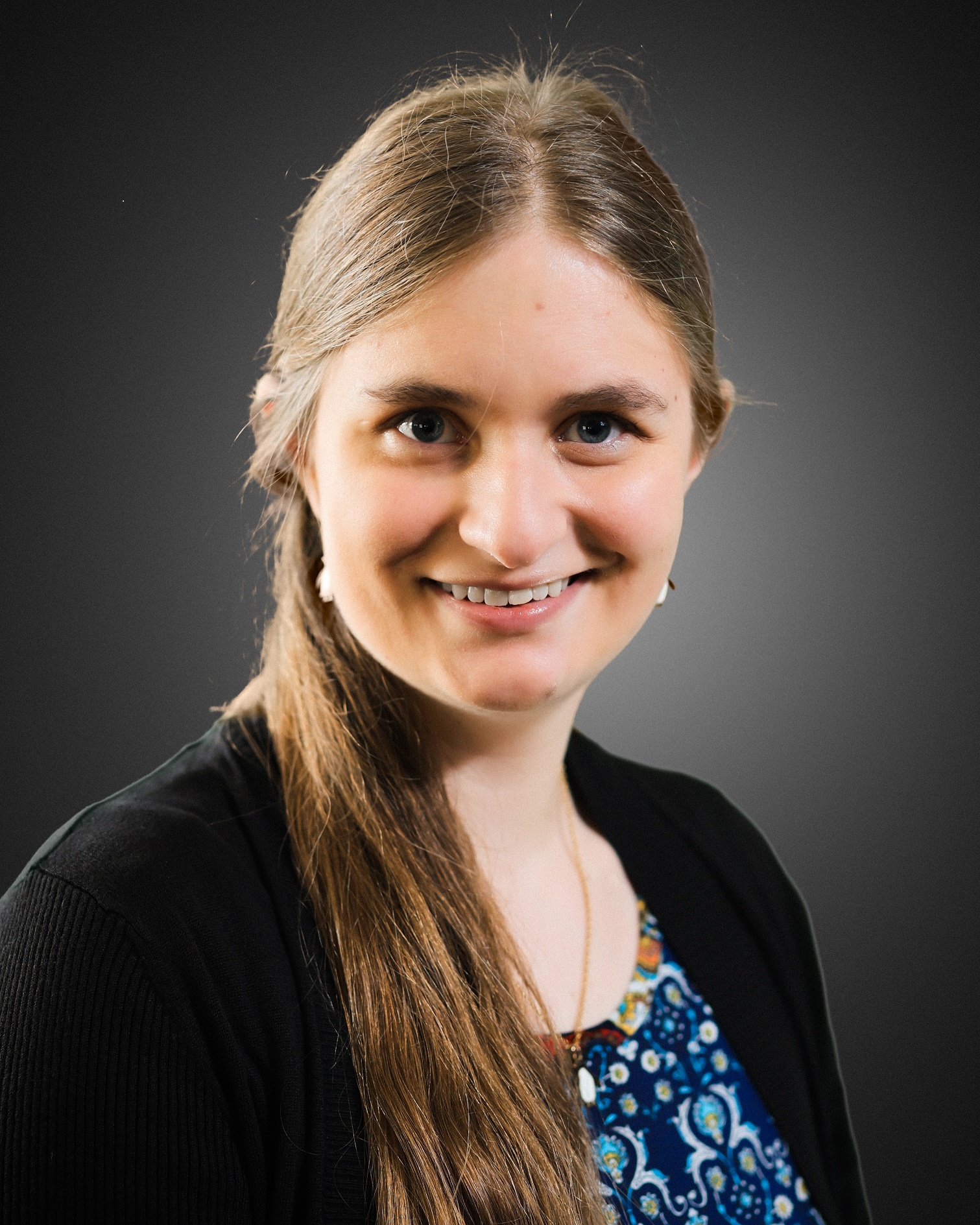
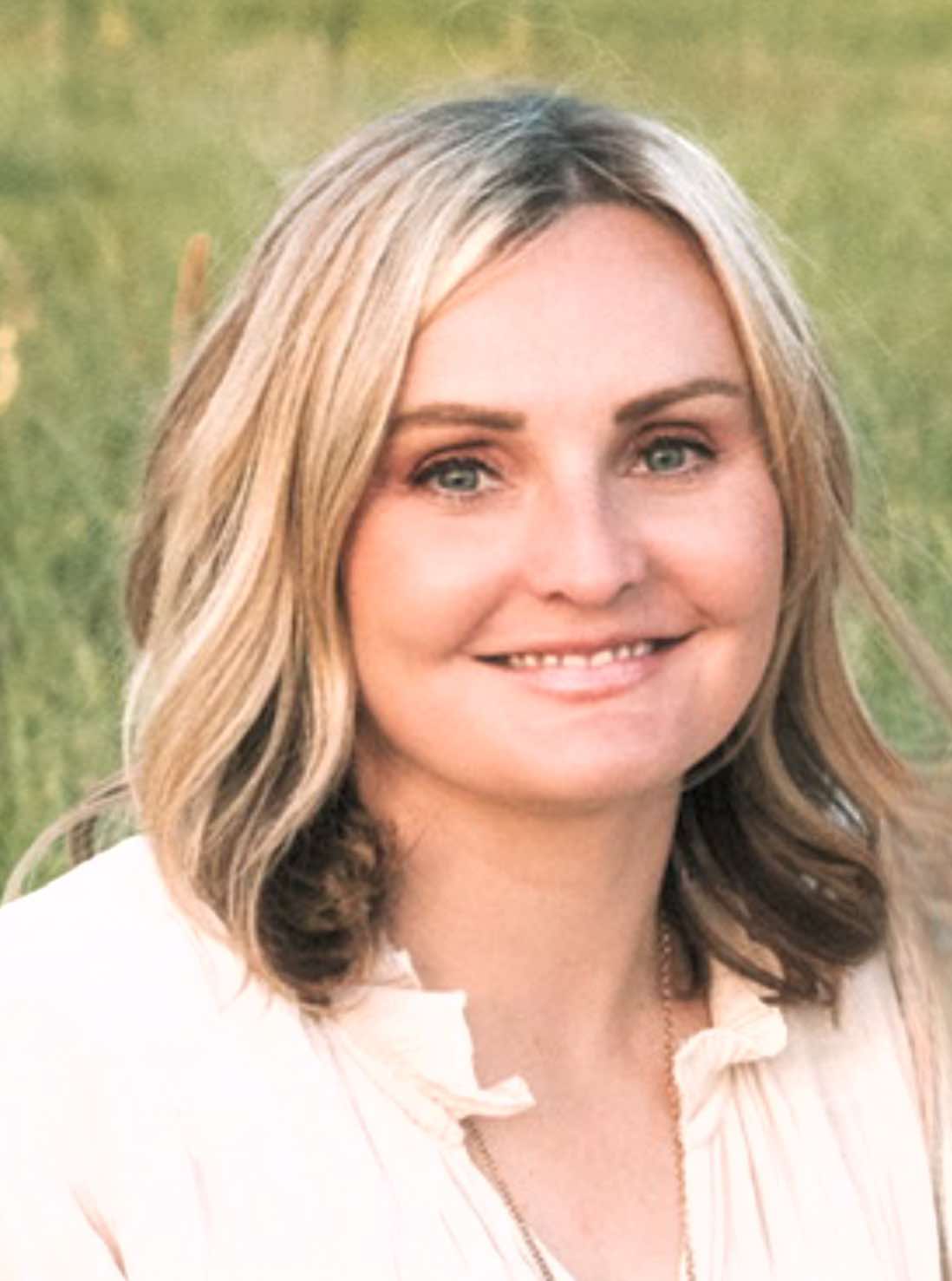
Headshot of Elana Johnson.

Elana Johnson

USA Today Bestselling Author, Top 10 Kindle Unlimited All-Star Author, and #1 Bestselling Author on Nook and Apple Books, Elana Johnson writes clean and wholesome contemporary romance, usually set on the beach or within the vicinity of the beach. Unfortunately, she lives in a landlocked state and must travel to the beach to get her fix, which her husband gladly accompanies her to do a few times each year.

She also writes contemporary Christian cowboy romance as Liz Isaacson and sweet romantic women’s fiction as Jessie Newton, and all of her books are part of the Feel-Good Fiction Books brand.

This article appears courtesy of Eschler Editing.

    Filed Under: Articles, Publishing, Writing Tagged With: agents, pitching

    Making Connections at a Photoshoot

    March 21, 2024 By LDSPMA Leave a Comment

    Early on in my photography business journey, my subjects usually gave me stiff, unnatural-looking smiles. I had to reflect: what was I doing wrong? I knew telling them to smile or asking them to say “cookie” wasn’t the answer. There had to be a better way.

    I read articles, watched videos, and learned how other photographers got natural smiles that made the clients love their photos.

    Making connections and staying positive at the session were key. Keeping the photoshoot light and happy would, in turn, make the photos, and the subjects in them, light and happy. Putting down your subject or making them feel awkward would be the opposite of what to do to get the natural smiles that everyone is hoping for.

    Individual Photos

    Taking the extra step—which is usually just a quick text or two—of asking my client about my subject’s interests makes a huge difference. It’s like going into a photoshoot with 20/20 vision instead of going in blind.

    So when I get to the shoot and ask 12-year-old Billy about his crush, Sally, he’ll wonder how I know that information, cringe at the question, but smile anyway because he’s thinking about her now. That natural smile now makes Mom happy. It replaces the awkward “there’s-a-camera-in-my-face” feeling.

    Maybe Dad has a certain hobby. Asking him about it and letting him talk for a moment can really break the ice and make him more comfortable.

    Maybe 16-year-old Janie is self-conscious about the way she looks in photos. A quick “Wow! You look beautiful!” as you’re sighting through the viewfinder and taking her photos can really bring out that real, natural smile that everyone, even Janie, is looking for. Doing this at the beginning of the session can also build her confidence for the rest of the shoot.

    A session with an uncooperative 4-year-old who would look so cute if he could just put his hands in his pockets, rather than his mouth, could sound something like this: “Okay, but I don’t think John has pockets.” To which he replies, “Yes, I do!” And then he promptly sinks them in his pockets all on his own. When his hands come back out, try a quick, “I’m not sure your pockets are deep enough to hold your hands in there.” He’ll put them right back in to prove to you that they are.

    Group Photos

    After posing everyone, I’ll ask the whole group to do a couple of quick, amusing tasks and then look at me.

    For example, I will say, while taking photos, “Okay, everyone, look at the person who is the best at video games.” 

    click click 

    “Now look at Mom.” 

    click click click  

    “Now look at the youngest.” 

    click click click 

    “Now look at me.”

    Now they’ll all be looking at the camera and click, click, click, I’ve got my photo. Sometimes I have clients who are so serious about getting the task done that they won’t smile while they’re looking at me. I’ll say, “What’s wrong? Is there a monkey on my head?” Then the smiles and laughter ensue.

    Knock-knock jokes are pretty universal. You tell one, then they tell one. Natural smiles usually happen at these moments too.

    Get creative and try different things. Keep conversations open. Be interested in what they like and whatever they want to talk about. Staying positive and keeping the shoot light and happy is ideal for a satisfactory session.

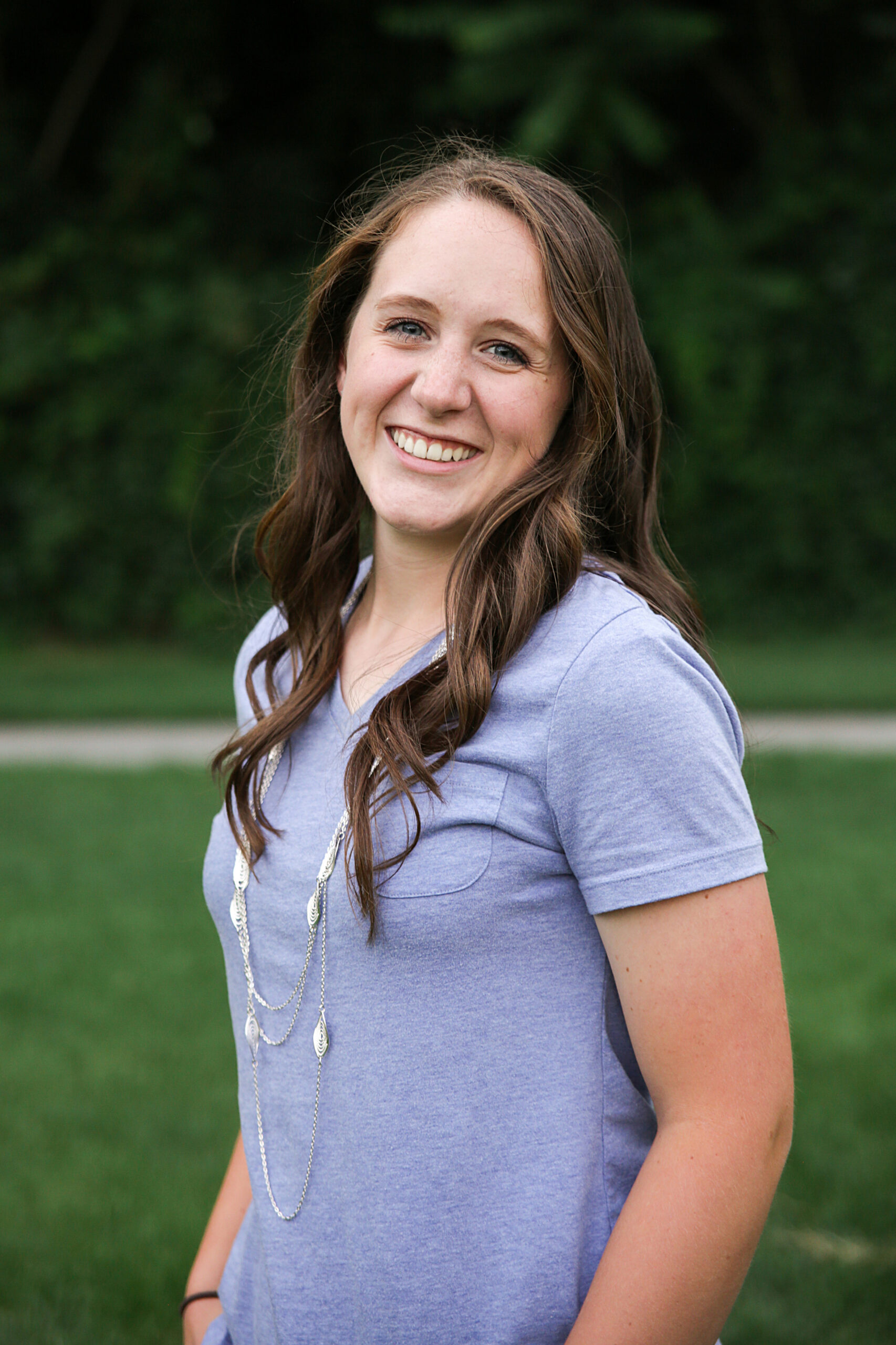
    A headshot of photographer Katie Gee.

    Katie Gee

    Katie Gee is a portrait and commercial photographer based in Utah County. High school seniors and families are her primary clientele. Her love of photography sparked as she started taking pictures of her five kids. Anything that has to do with nature is high on her priority list, so natural light outdoor sessions are her preference. Any hikeable mountain where there’s a view at the top isn’t off limits either.

      Filed Under: Craft Skills, Media, Film & Theater Tagged With: photography

      A Conversation with Reyna Aburto

      March 8, 2024 By LDSPMA Leave a Comment

      Connie Sokol hosted Sister Reyna Aburto on the Called to Create podcast to discuss the beautiful ways the Lord works in our lives. Reyna shared how her experiences have shaped her and given her the personal strength to create.

      Emigrating to the US wasn’t easy for Sister Aburto. Reyna said, “I think that the key when we go through those hard times is to just live one day at a time…do one little thing at a time. And I think that’s what I try to do, just concentrate on one little thing, line by line, precept by precept.” [4:40–5:10]

      Connie agreed and said, “[W]e can feel like we’re constantly learning and in this limbo of.…I don’t know if this is what the Lord exactly wants me to do. When we feel uncertain so much of the time, …we have to draw on those gospel basics whether we realize them or not… Sometimes we negate that this experience is exactly what we need in order to more effectively share what the Lord wants us to share.” [5:18–5:38 and 13:20–13:33]

      They then talked about how important it is to have a community of people to strengthen us. Sister Eubank was part of Reyna’s community when Reyna was serving as the second counselor in the Relief Society General Presidency. Reyna was writing her general conference address and expressed to Sister Eubank that she was trying to sound like other women who had spoken in general conference.

      Sister Eubank told her, “You don’t need to sound like them. You need to find your own voice. The Lord wants you to have your own voice.”

      Reyna knew Sister Eubank was right. She didn’t need to sound like anyone else. [17:45–18:03]

      Reyna went on to say, “We just need to find and develop and increase those gifts that we have been given… And we all have them even if we want to be humble and not…acknowledge them…[W]e also have been given experiences that have shaped us, that give us empathy towards other people. So let’s just use those things that the Lord has given us… I think that if we are trying to glorify our Father in Heaven and our Savior, they will allow us to grow and to learn even more.” [18:11–18:55]

      Reyna and Connie stressed how important it is to support others as well. Reyna said, “Life is worth living. And…we need to just rally around each other and to try to support each other… Every interaction that we have with a human being is an opportunity to build a bridge, to connect, to support, to listen, to love, and we have those opportunities every day of our life.”  [26:48–27:16]

      Connie and Reyna then talked about the importance of vulnerability in creativity. Reyna said, “When we have gone through hard experiences and we are trying to decide if we want to be vulnerable or not, we all have a different pace. And we should not force ourselves to be vulnerable. We need to be ready.” [20:35–20:50]

      Connie and Reyna discussed how the Lord helps us heal through hard experiences. Connie said, “He always is layered. And in the process of you going through these experiences, He gives you opportunities to serve, which helps you heal from those experiences, and then share so that other people can heal from those experiences. The way the Lord works is so gorgeous.” [27:25–27:56]

      In a Relief Society lesson in Connie’s ward, the sisters openly discussed Sister Aburto’s talk “Thru Cloud and Sunshine, Lord, Abide with Me” (October 2019). Connie said, “We were able to open up and connect, and hearts were knitted together in love, just like the scriptures say, because we were able to get real about those experiences and stories in a way that really hadn’t been done on that level yet.” [28:13–28:54]

      Connie said to “Keep showing up, [and] keep taking the next right step.” [6:00–6:03] Connie then asked Sister Aburto if there are any tips she’d share for showing up during hard experiences.

      Reyna said, “I think that prayer is very important… Every day of our life. Because we never know what is gonna come our way… We can start our day with a prayer asking Heavenly Father to protect us and to help us create that day in a way that is pleasing for Him. And then we can also have a prayer in our heart as we go through our days… But also, I think that looking at every experience that we have as a learning experience, even when things don’t go the way we expected. We should not look at them as failures. We should look at them as a learning experience, something that you’re learning that is preparing you for something else… We are always preparing for something else. It doesn’t matter how hard a situation is or an experience is, we can always learn from that and it will always make us stronger.” [29:58–32:32]

      Connie said, “It’s in the daily doing. And it’s the living. The experiences that we’re having and seeing the beauty of it and seeing the purpose in it that then we can turn around and we can channel that and utilize it for good… It’s preparing you to be a more effective instrument…. You’re doing this for him! And it doesn’t matter what part you are, what step you are on that journey, …he’s gonna use it for good. So you don’t have to stress that, you just have to keep showing up for him.” [33:42–35:05]

      Finally, Reyna shared some questions to help creatives learn from their tough experiences. She asked, “What am I learning from this? How is this going to help me in the future? How can I get closer to God with this experience? How can I connect with others? How can I use this experience to fill my heart with empathy toward other people?”

      Reyna then reminded creatives, “[U]se those experiences to make you a better person, to make you a better disciple of Christ, and to glorify God who is in heaven because of all the miracles that you’ve had in your life.” [32:35–33:00]

      This article is based on the Called to Create podcast featured during Season 3, Episode 21. You can listen to the full episode here.

      A headshot of Sister Reyna Aburto.

      Reyna Aburto

      Reyna Aburto was born in Nicaragua and studied Industrial Engineering there. She holds a degree in Computer Science from Utah Valley University and has worked in the language industry for more than 30 years. Reyna and her husband own a translation business. She has served as Relief Society General Presidency Second Counselor and as a member of the Primary General Board for The Church of Jesus Christ of Latter-day Saints. She currently serves on the Correlation Committee in Church Headquarters. She is the author of Reaching for the Savior (Acudamos al Salvador, in Spanish), and co-host of the Consecrating Your Life podcast (@consecratingpod) with her daughter Elena.

        Filed Under: Articles, Called to Create Conversations

        How “Save the Cat” Can Save Your Story – Part Three

        February 23, 2024 By LDSPMA Leave a Comment

        Previous Parts
        How “Save the Cat” Can Save Your Story – Part One
        How “Save the Cat” Can Save Your Story—Part Two

        In my last article, we talked about Save the Cat’s “Transformation Machine.” In this article, we’ll learn about the next three plot beats that draw on your hero’s want while planting subtext about their emotional wound and true need. If you know your hero’s background, you can infuse the story with that rich resonance we want to create with our readers. Studies have shown that most readers will read about 25% of a story before giving up, so these next beats are all the more important. Resonance is the key to hooking your reader and keeping their interest.

        The first three beats—Opening Image, Theme, and Set-up—established our world, the main characters, and the hero’s essential problem. Now it’s time for the plot to come crashing into the hero’s life in a very big way.

        Beat 4: Catalyst

        The Catalyst is a single-beat scene that hits around the 10% mark of your story. Think of this event like a bomb going off in your hero’s life—it’s unexpected (to them, though the reader may anticipate it), upsets everything, and can’t be ignored. If you can honestly say that the hero could ignore the Catalyst—you know, if he weren’t in the book you’re writing—then chances are good it’s not a sufficiently disruptive event. While the hero will spend the following few chapters debating what to do in response to the Catalyst, the truth is they have no choice but to act.

        Pro Tip #1: Imagine your hero going about their day—same-old, same-old—when a bomb smashes their house to bits, leaving them alive, but suddenly living a very different life. That’s the kind of impact your Catalyst should have.

        Beat 5: Debate

        When writers feel like something is “off” with their manuscript, I always review the Catalyst and Debate. Getting these two beats wrong will mess with the book’s flow. In these cases, I find the Catalyst is almost never life-changing enough, and the Debate is never (I mean, never) long (or deep) enough.

        The Debate should be 10% of your book!

        If you’re writing a 100,000-word long book, the Debate alone will cost you 10,000 words. That’s a lot of words! My chapters tend to be 2,000 words long, so I’d need to write five chapters of Debate. That’s 10% of your story spent on boring stuff.

        Or is it?

        The Debate is only boring if you write it that way.

        Imagine that Beat 4’s bomb lands on your hero’s house and everything goes up in flames. It’s a total loss.

        Beat 5 asks, “What now?”

        If (as is common for many writers when they first come to me) your answer is, “Then she moves in with her boyfriend, and it’s awesome, and they live happily ever after!” then, well, you have a problem. That’s not interesting, and it’s not real life.

        The Debate beat allows you to lean into what you know about your hero and the internal journey you want to take them on.

        In real life, if a bomb randomly blew up someone’s house, the victim wouldn’t stop talking about the event. They’d have a hard time working, sleeping, eating, or doing anything. Their mind would be on a constant loop of “A bomb just destroyed my house!”

        First, they’d freak out a bit. (Understatement.) Then they’d call the fire department, police, and a friend—because where are they gonna sleep? And what will they wear/do/think? Everything they owned was just destroyed. (More freaking out.)

        They’d talk to the police and insurance people. And talk to them again. The place where they spent their first night might not be where they want to stay long term, so they’ll talk to more people and make more arrangements.

        They must pick through what’s left of their life, which will be so hard. Lean into that pain.

        This is an opportunity to make a change. Maybe they work from home, so really, do they want to rebuild on the same lot? Or do they want to follow their lifelong dream of living and working in Belize? Do they even want to build another house? Maybe they want to move downtown into a trendy condo. The options are endless, challenging, and ultimately, revealing. They might even find themselves thankful for that bomb because the misfortune will allow them to fix everything that’s wrong with their life.

        That hope, that belief that they’re in control and know what they’re doing is exactly where you want your hero to be as they Break into Two (Beat 6).

        Pro Tip #2: If your Catalyst doesn’t yield this kind of life-altering dilemma, it’s not big enough or radical enough.

        Pro Tip #3: Make a list of everything that needs to happen because of the Catalyst, then build your Debate. You’ll discover plenty of material to fill that 10% of your book, and it will inform Act 2 in powerful ways.

        Pro Tip #4: If you’re writing a “Call to Adventure” story, the Debate can be a preparation beat—but should be no less demanding of your hero.

        Beat 6: Break into Two

        The Break into Two beat is a single scene showing your hero choosing to move into Act 2. The event should be physical and occur entirely of their own volition.

        This shift from the set-up phase isn’t Harry Potter going to Hogwarts. It’s Harry running head-first into a brick column, believing it’s a magical gateway to wizarding school.

        It’s not Katniss volunteering to be Tribute. It’s Katniss boarding the train from District 12 and stepping off into the completely different world of the Capitol.

        A bold decision or action provides the perfect lead-in to Act 2—otherwise known as the Upside-Down World. But you’ll have to wait for the next installment to learn how to solve that whole “messy middle” business.

        Here’s a hint: With Save the Cat, there’s no such thing as a “messy middle.”

        A headshot of Ali Cross.

        Ali Cross

        Ali Cross is a USA Today bestselling author, motivational speaker, and story development coach who loves to help writers level up both professionally and personally. A happiness enthusiast and believer in hope and magic, Ali’s a sucker for underdogs, redemption stories, and happily-ever-afters. She explores the concept of joy and where it can be found in her YouTube show and podcast, Write4Joy. She lives in Utah with her hacker husband where they collaborate on stories, artificial intelligence, and their plan for virtual world domination.

        Find Ali at her website or @thealicross online.

          Filed Under: Articles, Craft Skills, Writing Tagged With: fiction writing, Plotting, Writing

          March 12: Clearing the Pathway to Artistic Inspiration Using Emotional Freedom Techniques (EFT)

          February 13, 2024 By LDSPMA

          With Andrea Withers

          Tuesday, March 12, 2024, 7:00–8:00 pm Mountain Time

          Learn how to overcome creative blocks, stress, and anxiety using Emotional Freedom Techniques (EFT), an empirically-validated form of acupressure tapping. Whether you are feeling overwhelmed from life’s stresses, struggling with self-worth issues, or feeling anxious, depressed, or blocked from your normal creative flow, EFT is a highly effective, body-based, healing modality that can empower you to clear the blocks from your pathway and help you get back on track.

          Bio: Andrea Withers is a Certified Emotional Freedom Techniques Practitioner with over 16 years of experience. She has a bachelor’s degree in family science from BYU. She has a passion for helping people heal and loves to see the light come back into their eyes as they process and release trapped emotions, limiting beliefs, and other blocks to healing and progression. She and her wonderful husband, Jeff, live in Utah and have been married for 30 years. They love to spend time together in the mountains and on beaches with each other and their grown children. Andrea’s favorite hobby is nature photography.

          Watch the Zoom Recording

          Filed Under: Monthly Zoom Discussion

          February 20: Secrets of a Kids Publisher: Q&A with David Miles, Co-Founder of Award-Winning Press Bushel & Peck

          February 13, 2024 By LDSPMA

          David Miles

          With David Miles

          Tuesday, February 20, 2024, 7:00–8:00 pm Mountain Time

          Join us for an engaging Zoom Q&A with David Miles, co-founder of the children’s book publishing company Bushel & Peck. This interactive session will feature a Q&A session where you can ask your burning questions about the world of children’s publishing, like “How do you break into the industry?” “What are publishers looking for?” “Should you get your own illustrator?” “What’s trending?” and “Why do I keep getting rejected?” Get ready to dive into the creative process, the storytelling, and the magic behind bringing captivating stories to life for young readers and get a leg up on your own publishing journey. Questions can be submitted ahead of time when you register for the Zoom meeting.

          Bio: David Miles, along with his wife Stephanie, is the founder of Bushel & Peck, a children’s publisher based in California. In just a few years since launching its first titles, Bushel & Peck has become one of the fastest-growing independent publishers in America, with their titles winning starred reviews and accolades up and down the industry. Today, their authors now include some of the most recognizable names in the industry, including Jane Yolen, Suzanne Slade, Irene Latham, Nancy Kerrigan, David Archuleta, and others. In addition to their growing list of award-winning books, Bushel & Peck is growing a social mission: for every book they sell, they pledge to donate one to kids in need, with that pledge now reaching over a half-million books. David himself is the author or illustrator of dozens of children’s books that have sold hundreds of thousands of copies. He graduated from BYU in business and was named the general business Outstanding Graduate of his class. Originally from Pennsylvania, he now lives in California with his wife, son, and too many beagles.

          Watch the recording

          Filed Under: Monthly Zoom Discussion

          Getting Started with Cosplay

          February 9, 2024 By LDSPMA Leave a Comment

          I’m a major nerd and have been my whole life. Watching shows like the animated X–Men series in the nineties and collecting Pokémon cards in my youth formed my true self and strengthened my enthusiasm for all things nerdy. I first experienced what it was like to be fully immersed in geek culture at the Salt Lake Comic Convention (FanX) in 2013. I loved the smell of the boxes of comic books waiting to be perused, watching vendors sell beautiful prints of my favorite characters, and discovering random collectible items I didn’t need but had to have. I was thrilled to meet the celebrities I grew up watching in my beloved movies and shows. I loved the panels where fellow nerds analyzed different films and TV shows and theorized about future plotlines. I also enjoyed listening to creators share the behind-the-scenes process of how my favorite movies came to be. Three days of that, and I was in heaven.

          And then there was the cosplay aspect. I wasn’t too well-versed in what cosplay was or its purpose, but seeing all the people dressed up as their favorite characters showed me that cosplay is pretty much whatever you want it to be.

          I decided to dress up the following year. I brought out my old Princess Jasmine and Pocahontas costumes from Halloween to wear for the first two days. I created my Pocahontas necklace using clay. For the third day, I made a poor attempt at painting a Wolverine shirt. I used puffy paint instead of fabric paint, causing the shirt to be stiff. Cosplaying that year showcased my love for my fandoms and allowed me to express myself in ways I wouldn’t get to do on a day-to-day basis. I had been bitten by the cosplay bug.

          From then on, my cosplay skills evolved. There are many skills I have yet to master, but the journey has taught me patience and an even greater appreciation for what goes on in costume and prop work for television and movies.

          If you’re new to the world of cosplay and don’t know where to begin, here are some steps to help you get started.

          Consider the Logistics

          When I have my heart set on a character I want to cosplay, I think of the logistics of making it happen. I consider whether a costume will be feasible based on time, finances, skill set, and managing my responsibilities as a wife and mom. A few costume plans have fallen through the cracks in past years. I plan to go back to some of those ideas, and some I’ll let go. I also decide what materials will be needed to create all the pieces and how much they’ll cost. Then I consider when the convention will take place and calculate how far in advance I should start working on my cosplay.

          Decide How You Will Assemble Your Costume

          Buying a costume or most of the pieces from places like Amazon or Halloween stores is totally okay. Cosplay is made up of whatever components you feel work best for your budget and time. Is the wig available to buy online? Buy it! Often some pieces aren’t available to buy, so that’s when I dive into the process of making them.

          Design Your Build

          When I first decide I want to go all-in on a build, I draw the character and list all the components that will go into it from head to toe. I find as many reference pictures of the character as I can. I even look at photos of the figurine because a lot of times they’ll show the textures and a design I might want to incorporate into my costume. YouTube is my best friend for tutorials on how to create certain pieces. Looking at the costume plan can be very overwhelming. I recommend just starting with a small element, such as a piece of armor, or things you can buy online.

          Put It All Together

          To create my Death Metal Wonder Woman arm bracer, I first looked at the reference photo of the bracer I wanted to recreate. Then I patterned it by wrapping my arm in plastic wrap and then duct tape. I drew the design on the duct tape and cut myself out of the wrap. Utilize friends and family for help because you don’t want to hurt yourself! Then I cut out the duct tape wrap into separate design pieces, traced those onto cardstock, and cut those pieces out. I traced those pieces onto foam sheets and cut them out. I made a few adjustments and taped the foam pieces onto my arm to see if I liked the shape and look. Then I glued the pieces together to form the bracer to my arm using a heat gun. I then covered the whole segment in a thermoplastic material called Worbla, which is moldable when hot and sturdy when cooled. This material really helps to make the piece durable, especially when bumping into people at the convention. I added some details to bring out the design, then primed, sanded, painted, and shaded it. A lot easier said than done, but well worth it in the end!

          Be Patient and Take Breaks

          There have been many times when I was in tears or felt so stressed and frustrated when something wasn’t going my way. The best thing to do is to take a step back and either work on something else or just not work on the cosplay at all for a little bit. Starting on the costume well in advance will allow you the luxury of taking a rest. After giving myself a little break, I’m ready to try again and can look at the problem with fresh eyes.

          Be True to Yourself

          Cosplay has become a way of self-expression for me. It may seem weird to others, but when I learned not to care about what people thought of me and my fun hobbies, I started living my life and becoming my true self. I’ve also had opportunities to dress as characters for little girls’ princess parties or for charities. I feel truly delighted watching little kids’ faces light up when they see their favorite characters. I hope to teach my kids not to hide who they are as I did most of my life and to really embrace their passions!

          Headshot of Alyssa Caldwell.

          Alyssa Caldwell

          Alyssa Caldwell is originally from Charles Town, West Virginia, and now lives in Stansbury Park, Utah. She’s been a lifelong member of The Church of Jesus Christ of Latter-day Saints and loves crafting, dressing up, reading, sleeping, snacks, and all things Disney. She met her husband, Brett, at BYU-Idaho. They have three children. 

            Filed Under: Articles, Media, Film & Theater Tagged With: cosplay, costumes, FanX

            • « Go to Previous Page
            • Page 1
            • Interim pages omitted …
            • Page 5
            • Page 6
            • Page 7
            • Page 8
            • Page 9
            • Interim pages omitted …
            • Page 17
            • Go to Next Page »

            Primary Sidebar

            Write for Us

            Would you like to see your article featured here on LDSPMA?

            We are currently seeking article submissions. Learn what you need to know and submit your article here. 

            Recent Articles

            A closeup of a writer's hands, one holding a pen and the other holding a tissue.

            Writing: A Tool to Process Grief

            “I believe that we are each blessed with a creative gift not only to beautify the world and to uplift those around us, but as a method of releasing the hurts and the anxieties we feel because of our struggles.” -Tristi Pinkston

            A woman sleeps on a sofa, cocooned in a blanket

            When Life Says NO: How to Recover from Major Unexpected Events

            “It may not be pleasant or easy, but sometimes life’s challenges turn out to be life-changing, helping us become who God always meant for us to be.” -KaTrina Jackson

            Two women discuss a written manuscript.

            How to Approach Feedback on Your Writing

            “Feedback is not a critique of your writing abilities but a constructive assessment aimed at elevating your manuscript to its fullest potential.”

            Search the Articles Archive

            Article Topics

            Recent Podcast Episodes

            Footer

            • Email
            • Facebook
            • Instagram
            • LinkedIn
            • YouTube

            Copyright © 2026 LDSPMA. All Rights Reserved. LDSPMA is not endorsed by nor affiliated with The Church of Jesus Christ of Latter-day Saints.