• Skip to main content
  • Skip to primary sidebar
  • Skip to footer

LDSPMA

Empowering Latter-day Saints to spread light and truth by connecting them at the intersection of faith, creativity, and professional skill

  • Conference
    • The 2026 LDSPMA Annual Conference
    • Conference Registration
    • 2026 LDSPMA Anthology Submissions
    • Theme Contests
    • Exhibit, Advertise, or Sell at the LDSPMA Conference
    • Sponsor
    • FAQs
    • Volunteer at the LDSPMA Conference
    • Past Conferences
      • 2025 Conference
        • Sessions
        • Workshops
        • Awards Gala
        • Internship Fair
        • LDSPMA’s Got (Secret) Talent!
      • 2024 Conference
        • Sessions
        • Workshops
        • ZIFF Networking Dinner
        • Schedule
  • Membership
    • Email Sign Up (Free)
    • LDSPMA NextGen
    • University Chapters
    • Facebook Group
  • Programs
    • Mentoring Program
    • Monthly Zoom Discussions (Free)
    • Master Classes (2026)
  • Podcast
    • Watch
    • Listen
      • Listen on Apple Podcasts
      • Listen on Spotify
      • Listen on Buzzsprout
    • Called to Create Conversations
  • Articles
    • All Articles
    • Faith & Mindset
      • Gospel Principles
      • Creativity
      • Productivity
    • Craft Skills
      • Writing
      • Media, Film & Theater
      • Podcasting & Speaking
      • Music
      • Fine Art
    • Professional Skills
      • Editing
      • Publishing
      • Business
      • Cultural Diversity
      • Marketing
  • Awards
    • 2026 Award Nominations
    • Praiseworthy Awards
    • Spark Awards
    • Lifetime Achievement Awards
    • Past Award Winners
    • Apply to Be an Awards Judge
    • Mali McKenzie Award
  • About
    • Mission
      • LDSPMA in the Media
      • Success Stories
      • Viewpoint on LDSPMA
    • LDSPMA Leadership
    • Volunteers
      • Volunteer Year-Round
      • Volunteer at the LDSPMA Conference
      • Mali McKenzie Award Nominations
      • Apply to Be a Presenter
      • Apply to Be an Awards Judge
      • Resources for Current Volunteers
    • Policies
    • Contact US
  • Support LDSPMA
    • Donate
    • Volunteer
    • Sponsor
    • Shop LDSPMA

Craft Skills

loading...

Making Connections at a Photoshoot

March 21, 2024 By LDSPMA Leave a Comment

Early on in my photography business journey, my subjects usually gave me stiff, unnatural-looking smiles. I had to reflect: what was I doing wrong? I knew telling them to smile or asking them to say “cookie” wasn’t the answer. There had to be a better way.

I read articles, watched videos, and learned how other photographers got natural smiles that made the clients love their photos.

Making connections and staying positive at the session were key. Keeping the photoshoot light and happy would, in turn, make the photos, and the subjects in them, light and happy. Putting down your subject or making them feel awkward would be the opposite of what to do to get the natural smiles that everyone is hoping for.

Individual Photos

Taking the extra step—which is usually just a quick text or two—of asking my client about my subject’s interests makes a huge difference. It’s like going into a photoshoot with 20/20 vision instead of going in blind.

So when I get to the shoot and ask 12-year-old Billy about his crush, Sally, he’ll wonder how I know that information, cringe at the question, but smile anyway because he’s thinking about her now. That natural smile now makes Mom happy. It replaces the awkward “there’s-a-camera-in-my-face” feeling.

Maybe Dad has a certain hobby. Asking him about it and letting him talk for a moment can really break the ice and make him more comfortable.

Maybe 16-year-old Janie is self-conscious about the way she looks in photos. A quick “Wow! You look beautiful!” as you’re sighting through the viewfinder and taking her photos can really bring out that real, natural smile that everyone, even Janie, is looking for. Doing this at the beginning of the session can also build her confidence for the rest of the shoot.

A session with an uncooperative 4-year-old who would look so cute if he could just put his hands in his pockets, rather than his mouth, could sound something like this: “Okay, but I don’t think John has pockets.” To which he replies, “Yes, I do!” And then he promptly sinks them in his pockets all on his own. When his hands come back out, try a quick, “I’m not sure your pockets are deep enough to hold your hands in there.” He’ll put them right back in to prove to you that they are.

Group Photos

After posing everyone, I’ll ask the whole group to do a couple of quick, amusing tasks and then look at me.

For example, I will say, while taking photos, “Okay, everyone, look at the person who is the best at video games.” 

click click 

“Now look at Mom.” 

click click click  

“Now look at the youngest.” 

click click click 

“Now look at me.”

Now they’ll all be looking at the camera and click, click, click, I’ve got my photo. Sometimes I have clients who are so serious about getting the task done that they won’t smile while they’re looking at me. I’ll say, “What’s wrong? Is there a monkey on my head?” Then the smiles and laughter ensue.

Knock-knock jokes are pretty universal. You tell one, then they tell one. Natural smiles usually happen at these moments too.

Get creative and try different things. Keep conversations open. Be interested in what they like and whatever they want to talk about. Staying positive and keeping the shoot light and happy is ideal for a satisfactory session.

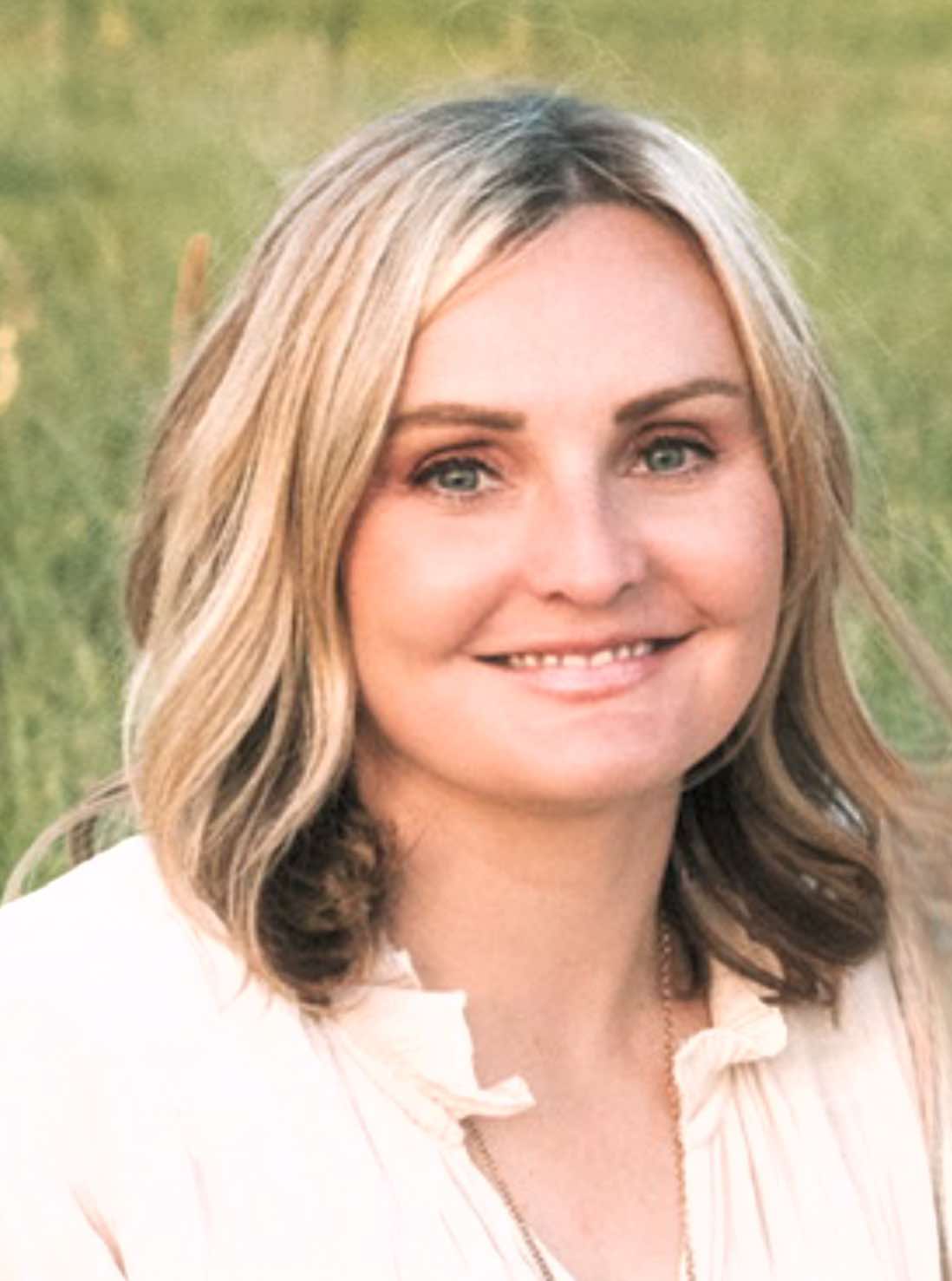
A headshot of photographer Katie Gee.

Katie Gee

Katie Gee is a portrait and commercial photographer based in Utah County. High school seniors and families are her primary clientele. Her love of photography sparked as she started taking pictures of her five kids. Anything that has to do with nature is high on her priority list, so natural light outdoor sessions are her preference. Any hikeable mountain where there’s a view at the top isn’t off limits either.

    Filed Under: Craft Skills, Media, Film & Theater Tagged With: photography

    How “Save the Cat” Can Save Your Story – Part Three

    February 23, 2024 By LDSPMA Leave a Comment

    Previous Parts
    How “Save the Cat” Can Save Your Story – Part One
    How “Save the Cat” Can Save Your Story—Part Two

    In my last article, we talked about Save the Cat’s “Transformation Machine.” In this article, we’ll learn about the next three plot beats that draw on your hero’s want while planting subtext about their emotional wound and true need. If you know your hero’s background, you can infuse the story with that rich resonance we want to create with our readers. Studies have shown that most readers will read about 25% of a story before giving up, so these next beats are all the more important. Resonance is the key to hooking your reader and keeping their interest.

    The first three beats—Opening Image, Theme, and Set-up—established our world, the main characters, and the hero’s essential problem. Now it’s time for the plot to come crashing into the hero’s life in a very big way.

    Beat 4: Catalyst

    The Catalyst is a single-beat scene that hits around the 10% mark of your story. Think of this event like a bomb going off in your hero’s life—it’s unexpected (to them, though the reader may anticipate it), upsets everything, and can’t be ignored. If you can honestly say that the hero could ignore the Catalyst—you know, if he weren’t in the book you’re writing—then chances are good it’s not a sufficiently disruptive event. While the hero will spend the following few chapters debating what to do in response to the Catalyst, the truth is they have no choice but to act.

    Pro Tip #1: Imagine your hero going about their day—same-old, same-old—when a bomb smashes their house to bits, leaving them alive, but suddenly living a very different life. That’s the kind of impact your Catalyst should have.

    Beat 5: Debate

    When writers feel like something is “off” with their manuscript, I always review the Catalyst and Debate. Getting these two beats wrong will mess with the book’s flow. In these cases, I find the Catalyst is almost never life-changing enough, and the Debate is never (I mean, never) long (or deep) enough.

    The Debate should be 10% of your book!

    If you’re writing a 100,000-word long book, the Debate alone will cost you 10,000 words. That’s a lot of words! My chapters tend to be 2,000 words long, so I’d need to write five chapters of Debate. That’s 10% of your story spent on boring stuff.

    Or is it?

    The Debate is only boring if you write it that way.

    Imagine that Beat 4’s bomb lands on your hero’s house and everything goes up in flames. It’s a total loss.

    Beat 5 asks, “What now?”

    If (as is common for many writers when they first come to me) your answer is, “Then she moves in with her boyfriend, and it’s awesome, and they live happily ever after!” then, well, you have a problem. That’s not interesting, and it’s not real life.

    The Debate beat allows you to lean into what you know about your hero and the internal journey you want to take them on.

    In real life, if a bomb randomly blew up someone’s house, the victim wouldn’t stop talking about the event. They’d have a hard time working, sleeping, eating, or doing anything. Their mind would be on a constant loop of “A bomb just destroyed my house!”

    First, they’d freak out a bit. (Understatement.) Then they’d call the fire department, police, and a friend—because where are they gonna sleep? And what will they wear/do/think? Everything they owned was just destroyed. (More freaking out.)

    They’d talk to the police and insurance people. And talk to them again. The place where they spent their first night might not be where they want to stay long term, so they’ll talk to more people and make more arrangements.

    They must pick through what’s left of their life, which will be so hard. Lean into that pain.

    This is an opportunity to make a change. Maybe they work from home, so really, do they want to rebuild on the same lot? Or do they want to follow their lifelong dream of living and working in Belize? Do they even want to build another house? Maybe they want to move downtown into a trendy condo. The options are endless, challenging, and ultimately, revealing. They might even find themselves thankful for that bomb because the misfortune will allow them to fix everything that’s wrong with their life.

    That hope, that belief that they’re in control and know what they’re doing is exactly where you want your hero to be as they Break into Two (Beat 6).

    Pro Tip #2: If your Catalyst doesn’t yield this kind of life-altering dilemma, it’s not big enough or radical enough.

    Pro Tip #3: Make a list of everything that needs to happen because of the Catalyst, then build your Debate. You’ll discover plenty of material to fill that 10% of your book, and it will inform Act 2 in powerful ways.

    Pro Tip #4: If you’re writing a “Call to Adventure” story, the Debate can be a preparation beat—but should be no less demanding of your hero.

    Beat 6: Break into Two

    The Break into Two beat is a single scene showing your hero choosing to move into Act 2. The event should be physical and occur entirely of their own volition.

    This shift from the set-up phase isn’t Harry Potter going to Hogwarts. It’s Harry running head-first into a brick column, believing it’s a magical gateway to wizarding school.

    It’s not Katniss volunteering to be Tribute. It’s Katniss boarding the train from District 12 and stepping off into the completely different world of the Capitol.

    A bold decision or action provides the perfect lead-in to Act 2—otherwise known as the Upside-Down World. But you’ll have to wait for the next installment to learn how to solve that whole “messy middle” business.

    Here’s a hint: With Save the Cat, there’s no such thing as a “messy middle.”

    A headshot of Ali Cross.

    Ali Cross

    Ali Cross is a USA Today bestselling author, motivational speaker, and story development coach who loves to help writers level up both professionally and personally. A happiness enthusiast and believer in hope and magic, Ali’s a sucker for underdogs, redemption stories, and happily-ever-afters. She explores the concept of joy and where it can be found in her YouTube show and podcast, Write4Joy. She lives in Utah with her hacker husband where they collaborate on stories, artificial intelligence, and their plan for virtual world domination.

    Find Ali at her website or @thealicross online.

      Filed Under: Articles, Craft Skills, Writing Tagged With: fiction writing, Plotting, Writing

      Getting Started with Cosplay

      February 9, 2024 By LDSPMA Leave a Comment

      I’m a major nerd and have been my whole life. Watching shows like the animated X–Men series in the nineties and collecting Pokémon cards in my youth formed my true self and strengthened my enthusiasm for all things nerdy. I first experienced what it was like to be fully immersed in geek culture at the Salt Lake Comic Convention (FanX) in 2013. I loved the smell of the boxes of comic books waiting to be perused, watching vendors sell beautiful prints of my favorite characters, and discovering random collectible items I didn’t need but had to have. I was thrilled to meet the celebrities I grew up watching in my beloved movies and shows. I loved the panels where fellow nerds analyzed different films and TV shows and theorized about future plotlines. I also enjoyed listening to creators share the behind-the-scenes process of how my favorite movies came to be. Three days of that, and I was in heaven.

      And then there was the cosplay aspect. I wasn’t too well-versed in what cosplay was or its purpose, but seeing all the people dressed up as their favorite characters showed me that cosplay is pretty much whatever you want it to be.

      I decided to dress up the following year. I brought out my old Princess Jasmine and Pocahontas costumes from Halloween to wear for the first two days. I created my Pocahontas necklace using clay. For the third day, I made a poor attempt at painting a Wolverine shirt. I used puffy paint instead of fabric paint, causing the shirt to be stiff. Cosplaying that year showcased my love for my fandoms and allowed me to express myself in ways I wouldn’t get to do on a day-to-day basis. I had been bitten by the cosplay bug.

      From then on, my cosplay skills evolved. There are many skills I have yet to master, but the journey has taught me patience and an even greater appreciation for what goes on in costume and prop work for television and movies.

      If you’re new to the world of cosplay and don’t know where to begin, here are some steps to help you get started.

      Consider the Logistics

      When I have my heart set on a character I want to cosplay, I think of the logistics of making it happen. I consider whether a costume will be feasible based on time, finances, skill set, and managing my responsibilities as a wife and mom. A few costume plans have fallen through the cracks in past years. I plan to go back to some of those ideas, and some I’ll let go. I also decide what materials will be needed to create all the pieces and how much they’ll cost. Then I consider when the convention will take place and calculate how far in advance I should start working on my cosplay.

      Decide How You Will Assemble Your Costume

      Buying a costume or most of the pieces from places like Amazon or Halloween stores is totally okay. Cosplay is made up of whatever components you feel work best for your budget and time. Is the wig available to buy online? Buy it! Often some pieces aren’t available to buy, so that’s when I dive into the process of making them.

      Design Your Build

      When I first decide I want to go all-in on a build, I draw the character and list all the components that will go into it from head to toe. I find as many reference pictures of the character as I can. I even look at photos of the figurine because a lot of times they’ll show the textures and a design I might want to incorporate into my costume. YouTube is my best friend for tutorials on how to create certain pieces. Looking at the costume plan can be very overwhelming. I recommend just starting with a small element, such as a piece of armor, or things you can buy online.

      Put It All Together

      To create my Death Metal Wonder Woman arm bracer, I first looked at the reference photo of the bracer I wanted to recreate. Then I patterned it by wrapping my arm in plastic wrap and then duct tape. I drew the design on the duct tape and cut myself out of the wrap. Utilize friends and family for help because you don’t want to hurt yourself! Then I cut out the duct tape wrap into separate design pieces, traced those onto cardstock, and cut those pieces out. I traced those pieces onto foam sheets and cut them out. I made a few adjustments and taped the foam pieces onto my arm to see if I liked the shape and look. Then I glued the pieces together to form the bracer to my arm using a heat gun. I then covered the whole segment in a thermoplastic material called Worbla, which is moldable when hot and sturdy when cooled. This material really helps to make the piece durable, especially when bumping into people at the convention. I added some details to bring out the design, then primed, sanded, painted, and shaded it. A lot easier said than done, but well worth it in the end!

      Be Patient and Take Breaks

      There have been many times when I was in tears or felt so stressed and frustrated when something wasn’t going my way. The best thing to do is to take a step back and either work on something else or just not work on the cosplay at all for a little bit. Starting on the costume well in advance will allow you the luxury of taking a rest. After giving myself a little break, I’m ready to try again and can look at the problem with fresh eyes.

      Be True to Yourself

      Cosplay has become a way of self-expression for me. It may seem weird to others, but when I learned not to care about what people thought of me and my fun hobbies, I started living my life and becoming my true self. I’ve also had opportunities to dress as characters for little girls’ princess parties or for charities. I feel truly delighted watching little kids’ faces light up when they see their favorite characters. I hope to teach my kids not to hide who they are as I did most of my life and to really embrace their passions!

      Headshot of Alyssa Caldwell.

      Alyssa Caldwell

      Alyssa Caldwell is originally from Charles Town, West Virginia, and now lives in Stansbury Park, Utah. She’s been a lifelong member of The Church of Jesus Christ of Latter-day Saints and loves crafting, dressing up, reading, sleeping, snacks, and all things Disney. She met her husband, Brett, at BYU-Idaho. They have three children. 

        Filed Under: Articles, Media, Film & Theater Tagged With: cosplay, costumes, FanX

        Basic Whittling Techniques

        January 12, 2024 By LDSPMA Leave a Comment

        Whittling vs. Woodcarving

        Both whittling and woodcarving are distinct art forms in which the finished product is made of wood. Whittling requires a small, sharp blade and a piece of softwood. Woodcarving includes the whole universe of wood creations and incorporates various hand tools like gouges, skews, and chisels. Artists might also opt for rotating, handheld power tools with changeable burrs and a vacuum system to remove dust. Power carving tools work best with hardwoods like cherry, walnut, oak, and ebony.

        Tools and Supplies

        Many pocketknives come with a sheepsfoot blade that has a straight edge and a back that curves down to the tip. However, these knives can be difficult to hold while whittling and often are not strong enough to sustain a sharp edge. Whittling knives have longer, rounded handles for better control and fixed blades that retain their sharpness. I use a bench knife—those come in several shapes and sizes. You might wish to use a thumb guard to ensure you don’t cut yourself while carving. Carving gloves may also be helpful for beginners. Last, you will need a sharpening stone and leather strop to keep the blade honed.

        Types of Wood

        Whittling requires dry, soft, and even-grained wood like white pine, sugar pine, basswood, or aspen. Extremely soft woods such as balsa or tupelo can collapse under pressure from the blade. Also, they don’t take detail well and tend to fuzz when sanded. I prefer basswood, though I have whittled with random pieces of wood from crates, pallets, and tree branches. Avoid using green, uncured wood, which can warp or crack when drying. Basswood blanks are available from online suppliers, local cabinet shops, and stores specializing in woodworking supplies.

        Planning and Design

        Whittling Christmas ornaments and other decorations can be a fun and relaxing activity. Start with a small piece of wood about three to five inches long, and visualize your desired result. The design possibilities are endless. Woodworkers can carve anything from Santa Claus to bells, whistles, chains, sleighs, balls in cages, elves, animals, teddy bears, etc. You can find ideas in catalogs, on Pinterest, or in woodcarving magazines. Begin by using a pencil to mark the approximate size and dimensions of your design. Remove large portions of wood with a coping saw, then keep whittling until you achieve your desired result.

        Basic Cuts and Techniques

        When you give most people a piece of wood and a knife without instructions, they will often make a spear tip by pressing the blade against the wood and carving away from their body in an outward thrusting movement. Instead, you should hold the wood in your hand and make precise cuts using a squeezing motion with your fingers. Never pull or push the blade with your arm.

        There are three basic cuts used in whittling:

        • Stop Cut – This cut demarcates where you want the opposing cuts to end. You can create this cut by repeatedly dragging the blade’s tip to carve straight or curving lines that indicate a difference in wood thickness. After, reposition the wood and make pull cuts toward the line by squeezing your hand to remove wood chips up to that point. Repeat this movement as often as you wish until you have cut to the desired depth. An alternate method is to make multiple V-cuts in opposite directions to create a valley or depression in the wood, then cut toward it. Do not try to remove large portions of wood with a single cut, as this could cause the piece to crack.
        • Pull Cut – You can make this cut by wearing a leather thumb guard and pulling the knife blade toward your thumb. Use a squeezing motion to remove wood chips or slices in a controlled manner.
        • Push Cut – To make this cut, face the blade of the knife away from you and use your thumb to push against the back of the blade and remove small pieces of wood in a forward motion. Again, you are pushing with your thumb, not your arm.

        Finishing

        When you finish whittling, the piece will bear cut marks and small ridges from the knife blade. Though the result isn’t perfectly smooth, I prefer this rough look because it indicates that the piece has been hand-whittled. Of course, you may use sandpaper to smooth out these telltale signs.

        Once you finish creating an ornament or decoration, you’ll want to devise a way to hang it if required. Find the balance point and drill a 3/16 inch hole about 1/4 inch deep and fill it with wood glue. Then, cut a piece of twine or decorative cord to an inch long, double it, and place the ends in the hole with the glue. In a few hours, the loop will dry and can be attached to a hook for hanging.

        Add color, definition, and depth by painting your decoration. Depending on the design, you might need to paint in stages, allowing each layer to dry before applying more paint. After the paint is dry, you may apply a brown wash. Rub off the excess wash to mute the colors underneath, create depth, and add an antiqued look. Finally, spray with a fast-drying clear lacquer to protect the finish.

        As in most creative endeavors, some people are unable to visualize the end result or simply have no desire to create art in the first place. Some may feel that whittling is a hobby they just can’t do. Even if you fall into one of these categories, we all have gifts to share. Those gifts differ greatly across the range of interests and activities in which we all participate.

        A headshot of Bob Manning.

        Bob Manning

        Bob Manning was raised in northern Utah. As a teenager, he worked in his family’s orchards growing cherries, peaches, and apricots. He began whittling after seeing someone carve a “ball in a cage” from a piece of broom handle. Bob wore out a couple of pocketknives before purchasing a fixed blade whittling knife. He first decided to try whittling ornaments when his friend invited him to an annual Christmas ornament party, and later continued to create whimsical ornaments for family and friends.

          Filed Under: Articles, Craft Skills, Fine Art Tagged With: carving, woodworking

          Selecting the Right Song for the Right Time

          December 28, 2023 By LDSPMA Leave a Comment

          As a musician or music leader, choosing music is an exciting and daunting task. You know you can’t please everyone, but that’s no reason not to try your best. The right song or song grouping can be the linchpin that holds a meeting together and makes a good gathering great, but selecting something inappropriate can have the opposite effect. 

          So, what factors should you consider? They might vary depending on your situation, but here are a few. 

          Doctrine, Doctrine, Doctrine 

          When determining whether a song is appropriate for a church meeting, you should always consider the question, “Is this song completely doctrinally correct?” Songs from official Church publications, such as the hymnbook or Church magazines, have already been vetted for doctrinal soundness. Doctrine is taught frequently by prophets and leaders and is confirmed by the united voice of the Quorum of the Twelve Apostles and the First Presidency. It is not hidden in obscure corners or given by a solitary voice. 

          This means that when you bring in an original work or a hymn from another Christian tradition, you must be careful. Some deviations are small, some more major, but any deviation from the truth can drive out the Spirit. When you read or listen to the lyrics of a song, pay close attention to how it makes you feel. If there’s something off, it might be the Spirit’s prompting. 

          For example, there is a lovely Christian hymn called “Holy, Holy, Holy” that is widely used in other churches. While the song is mostly doctrinally sound, its refrain highlights the doctrine of the Trinity, that God is one being Who manifests as three different people. The lyrics say, “God in three persons, blessed Trinity.” Without some adaptation, this would not be appropriate for a church meeting. When the Tabernacle Choir performs this song, they use the alternate version, “God in Thy glory through eternity.” 

          Consider a popular “feel-good” song like “This Little Light of Mine.” It has a general message about being a good example, but it could just as easily be sung in a secular setting. If being a good example is your topic, consider other hymns, such as “Come, Follow Me” or “The Lord Is My Light.” These focus on the example of the Savior and would be more appropriate for a church meeting. 

          Find the Focus 

          When choosing a song for a church setting, ask yourself, “Will this song put the focus on the Savior?” Music that is too showy or that draws too much attention to the technical aspects of the song can detract from the message of the meeting. Perform with genuine emotion without doing anything to draw extra attention to yourself.

          The Savior saw beauty in simple things. In Matthew 6:28-29, He says, “And why take ye thought for raiment? Consider the lilies of the field, how they grow; they toil not, neither do they spin: And yet I say unto you, that even Solomon in all his glory was not arrayed like one of these.” King Solomon had riches and a mighty empire. He built opulent palaces and buildings and wore the finest clothing. The Savior says, however, that the simple lily possesses a simple, humble beauty that surpasses all the pomp of King Solomon. It would be good to remember this principle in the music we perform as well. 

          Inviting the Spirit 

          When truth is spoken or sung, the Holy Ghost can be present to testify of that truth. When selecting music, ask yourself if the song is presenting doctrinal truths that the Spirit can confirm. Songs should not only be selected to elicit strong emotions, but should also strive to underscore the message of the rest of the meeting. Work closely with local leaders to coordinate your efforts and invite the Holy Ghost to participate in the selection process. If you are set apart with a musical calling, you have access to the keys you need to accomplish your work. This means that you are entitled to revelation about the musical decisions you make. Do not discount the power of the spiritual gifts you are given in the scope of your calling, even if you have never held this calling before. 

          Clear, Competent Writing 

          Not every song text needs to be a Shakespearean masterpiece, but there are certain aspects of the craft that should be present so the writing does not detract from the message. For example, hymn texts have a set meter, which is a pattern of the number of syllables per line. A hymn with an 8 6 8 6 meter will have eight syllables in the first line, six syllables in the second line, and so on. Many hymn texts will also follow a rhyme scheme, which means that the last words in certain lines will rhyme with each other according to a pattern. Selecting texts that have employed sound poetic principles can help the message shine through and be more memorable for the listener. 

          The Right Song at the Right Time

          A song you choose one time for a church meeting might not be the best choice in another time and place. Seek the gift of discernment to know what message the Lord wants His children to hear and how that message should be presented. Study the options and the guidelines out in your mind as the scriptures direct, and then choose with confidence, knowing that the Lord will magnify your efforts as you strive to serve Him through music.

          Michael D. Young

          Though Michael grew up traveling the world with his military father, he now lives in Utah with his wife, Jen, and their three children. He played for several years with the handbell choir Bells on Temple Square and is now a member of the Tabernacle Choir at Temple Square. He is the author of the novels in The Canticle Kingdom Series, The Last Archangel Series, the Chess Quest Series, and the Penultimate Dawn Cycle (The Hunger), as well as several non-fiction works, including An Advent Carols Countdown, The Song of the Righteous and As Saints We Sing.  Visit his website to learn more.

            Filed Under: Articles, Music Tagged With: chorister, hymns, music

            Art Can Make You a Better Writer

            December 15, 2023 By LDSPMA Leave a Comment

            I am a visual learner. Images help me remember and understand things more thoroughly. Art has helped me become a better writer as well. Here are four ways to harness the creative power of art in your writing.

            Turn to Art for Mental Respite

            Art can inspire creativity by activating the part of your brain that is responsible for contemplation and daydreaming. Your brain isn’t designed to stay in work mode constantly. Giving your mind a break from structured assignments allows it to relax—it’s like a brain vacation. When my kids were small, they once sent me to my room for a time-out. It made for the best day ever! Sometimes your brain just needs a break.

            Reflect on Art to Inspire Your Writing

            Slow down and take time to analyze artwork or an interesting photo. Give yourself a moment to ponder about the details and reflect on your impressions. Doing this can lead to new ideas and give you insights that will spark your writing.

            A painting called Pirates by Ned Young, an artist from Brigham City, Utah, hangs on our living room wall. It depicts two young boys standing atop a haystack next to a barn. One boy holds a sword and wears an eye patch, while the other boy looks through a telescope. Beside them, a skull-and-crossbones flag waves on a pole. When I look at that painting, it takes me to a place in my childhood. I can smell the hay. I can feel the summer heat. It makes me wonder if cats live in the barn. Are the boys looking for a place to hide treasure, or are they escaping from hungry cannibals? I get all these impressions from a watercolor painted in Utah.

            Art isn’t just displayed in galleries—it’s all around us. You can find artistry in the way leaves overlap and create interesting compositions. Cloud formations are one of my favorite works of art. Look closely at a spider web or ripple patterns in the water. Find music in the sounds around you. Our Father in Heaven is the ultimate artist.

            If you make art appreciation part of your life, your observation skills will grow. Your ability to write accurate descriptions will improve as you increase your awareness of the world around you.

            Cultivate Empathy through Art

            Elevating your awareness of the creativity around you can increase empathy toward others. As you pay more attention to the subjects in art and how they are portrayed, you may notice details that evoke an emotional response. For example, The Child’s Bath by Mary Cassat holds a special place in my heart because it depicts a woman bathing a toddler, and it elicits feelings of comfort, love, and contentment.

            The Child’s Bath by Mary Cassat

            On the flip side, The Scream by Edvard Munch also reminds me of motherhood, particularly when my kids haven’t picked up their Legos, and I step on one.  

            The Scream by Edvard Munch

            Find Story Ideas in Art

            When you ask questions about what you’re seeing and why the artist portrayed the image in the way they did, it can kickstart your creativity. You can explore even further by inserting yourself into the picture and asking questions from a new perspective. What made the artist choose this subject? If you were the person in the painting, why are you in that setting? What is your story? Engage your senses as you ask these questions. What might you taste, smell, or hear in this situation? Use your enhanced focus to sharpen the way you write your descriptions.

            Take the opportunity for an art break, whether it’s enjoying a painting, a sculpture, or the intrinsic beauty of nature. Art will stimulate your mind, boost your creativity, and help you become a better writer.

            A headshot of Cathy Witbeck

            Cathy Witbeck

            Cathy Witbeck is a Canadian-born author-illustrator transplanted to the USA. She remembers writing and drawing ever since she could pick up a pencil. She did an especially lovely piece of artwork on the side of the septic tank with house paint at a very young age. Perhaps that’s when it was discovered that she was gifted, or maybe it’s why she was sent to the USA.
            She has five grown kids and one grown husband. When she isn’t writing and illustrating, she is chasing after grandkids intent on making their own artwork.

              Filed Under: Articles, Craft Skills, Fine Art, Writing Tagged With: art, Creativity, Inspiration

              Four Steps to a Page-Turner

              December 1, 2023 By LDSPMA Leave a Comment

              Forget the old adages you’ve heard. In a real race between a tortoise and a hare, the hare would win every time. It’s biology. And what applies to biology applies to writing as well: no one wants to write at tortoise speed or produce a book that would make a tortoise yawn—especially when all the hares out there are rushing to compete for today’s readers (and their short attention spans). Here are a few steps to transfigure your fictional tortoise into a hare.

              Step 1. Offer your tortoise a carrot. Every character needs a reason to press forward with increased purpose. Without a goal, we flounder then wallow in the comfortable couch of laziness. Long-term goals are vital to a plot, but short-term goals are the steps to get there. Without them, your story will lag and your audience will drift off to sleep. If you want a title to study, Robison Wells offers lots of carrots in his book Variant. First, he establishes an environment that makes his character uncomfortable. Because the character is not the type to ignore an itch, he feels compelled to set short-term goals along the way—to find out more about what makes his environment tick. The more he discovers, the more unsettled he becomes.

              Step 2. Remove distractions. If you’re going to offer your tortoise a carrot, you’d better make sure he doesn’t already have lettuce to nosh on. There are times when distractions are appropriate and interesting, but if your story is dragging and you need to speed things up, your character needs to focus. Remember the importance of short-term goals: write less thought and more action. If your character is focused on beating that rival, delivering that package, or sending that life-changing letter, the inherent conflict is more immediate and important, and your character has to fight harder to accomplish his goal. Without pesky thoughts to distract him, your character is free to follow his gut, which inevitably leads to mistakes, loss, and increased tension—all things that speed up your prose and force your reader to pay attention. In Divergent, Tris’s survival frequently depends on her ability to focus on the task at hand.

              Step 3. Turn your tortoise on its back. It may be difficult to watch him struggle with his legs flailing in the air, but this struggle springs from his primal desire to survive, and it ultimately strengthens him. The writhing tortoise is in danger and may lose everything. This vulnerability is something with which every reader empathizes. Empathy ties your reader to your character’s fate, making every kick of every limb more important. If your readers cheer for your character, they won’t want to walk away in the middle of the race. In most contemporary novels, the inciting incident that puts your character’s physical, emotional, social, or spiritual world in danger usually happens in the first chapter of the book. The resulting vulnerability and struggle carry the reader to the novel’s end. Any time your character discovers the reality he has long believed is riddled with lies or half-truths or realizes the depth of his personal flaws or challenges, your character has essentially been turned on his back and is forced to set his life—or his understanding of it—aright.

              Step 4. Use magic words. Active verbs and descriptive nouns illustrate everything your reader needs to witness without wasting time or crowding the page with heavy blocks of text. Experienced authors not only know which words to include, but which words to cut. Remove the words that slow your prose to a clunky, awkward creature carrying its house on its back. Twist passive phrases into active voice. Precision wordsmithing sculpts a lithe, muscular machine built for speed. One of the best wordsmiths I’ve ever read is Jerry Spinelli. He magically tells an emotional, intricate story with a few precise words. Maniac Magee is still one of my favorite novels, and it is practically poetry—every word in this book counts.

              Do This Now

              • If you haven’t read Jack M. Bickham’s Scene and Structure, read it, mark it up, and memorize as much as your brain can hold. Bickham’s amazing explanation of the importance of goals and how to create believable conflict will change the way you approach fiction writing and will give a nice backbone to your creative content.
              • Read through your manuscript and break it down into goals. Do this either through highlighting or by writing a few words in the margin describing each goal. If you go a page or two without making any marks, odds are you’ve hit a lull in your story.
              • Play the what-if game. This little game is one of my favorite plot/character developing techniques, and it’s a game that Orson Scott Card recommends in his book Characters and Viewpoint.  Let your imagination run wild, asking what-if questions that put your character in different situations, have him come from different backgrounds, or challenge him with different types of conflict. Follow through on these questions and imagine where the changes would lead your character. This process has revealed some fantastic plot twists for many authors.

              What techniques have you developed to keep your novel moving?

              A headshot of Amy Maida Wadsworth.

              Amy Maida Wadsworth

              Amy Maida Wadsworth published three novels with Covenant Communications, which are available for Kindle and Nook. Amy started teaching fiction writing in 2006 and has been a writing coach ever since. She works as a freelance editor and blogger for Eschler Editing and is pursuing her master’s in human development and social policy. This article appears courtesy of Eschler Editing.

                Filed Under: Articles, Craft Skills, Writing Tagged With: Plotting, Writing

                How “Save the Cat” Can Save Your Story—Part Two

                November 5, 2023 By LDSPMA Leave a Comment

                In Part One of our article series, we introduced “Save the Cat” (STC) Acts as a guide to help you understand the purpose of each part of your story. Each act is broken down into “beats”—essential story parts. It’s entirely up to you how detailed you plan out each beat prior to writing, making STC completely customizable. As a rebel myself, I thoroughly enjoy things I can make entirely my own—and I suspect many of you feel the same too.

                The Transformation Machine

                Consider your hero’s transformation before outlining, and especially before you write. Knowing the hero’s wound (flaw or problem), their want (what they think will solve their problem or make them feel better), and their need (what you as the creator of their story know they truly need) will inform how your hero behaves at each beat. The Transformation Machine is about creating resonance between your reader and your hero by making the hero relatable. The more your readers can see themselves in the hero’s problem or flaw, the more readers will want to read about them.

                Enough chatting. Let’s get plotting!

                Thesis—or the World as It Currently Is

                Where we show our readers who the main character is, what’s lacking in the character’s life, and create that resonant bond between the reader and the hero.

                You need to establish a resonant connection to deliver on your story’s promises. The first three beats of Act 1—Opening Image, Theme, and Setup—are particularly      designed to do just that.

                Beat 1: Opening Image

                Beat 1 is a snapshot of the hero’s current life. You’ve heard the advice to start with action. A conflict reveals what’s wrong in their life, which captures the reader’s attention and builds resonant bonds. However, avoid so much action that the hero’s plight is lost beneath the action.

                Pro Tip: Imagine the ending and make your beginning the mirror opposite. If it ends with a happily ever after, then start the story with a breakup or with a character who can’t get a date.

                Plantser Tip: If you know the beginning and ending, you can happily draft knowing you’re heading in the right direction.

                Beat 2: Theme

                Beat 2 is “scheduled” for the 5% mark in a novel, but it’s very flexible. I like it during the first 10% of a book because it sets the tone for the character arc, but you can place it wherever makes sense to you—even at the beginning of Act 2. Later than that, however, and it loses its power.

                Imagine this beat as a conversation with your mom in which she says something wise and meaningful, but you brush it off because “she doesn’t understand.” The thing about moms, though, is that they usually do understand. You can substitute any kind of mentor/authority figure here. Deliver this advice or warning any way you see fit—a prayer, a song, a poem, an old wives’ tale. However it’s delivered, the hero needs to reject it, creating that resistance humans are so familiar with. By the end of the book, they’ll embrace the theme and grow—and perhaps inspire some positive change in your reader as well.

                Pro Tip: The theme is directly related to your character’s need. Knowing this need will help you craft the best rewards and punishments for your hero.

                Beat 3: Setup

                Beat 3 encapsulates up to 10% of the novel. Its purpose is to introduce the hero, the world, and hint at what’s wrong with the hero’s life. It reveals how the hero behaves at home, at work, and at play, which increases your opportunities to create resonance with your readers.

                Pro Tip: Don’t get hung up on “at home, at work, at play.” What’s important is to show how the hero’s problem affects their family relationships, their success at work (or school), and their friendships.

                Failing to establish these early beats is like trying to change a light bulb while standing on a cardboard box. You’re more likely to crash through the box than brighten your room.    

                -Ali Cross

                Examples of the Beats    

                In the opening scenes of The Hunger Games, Katniss struggles to do all the things under the worst circumstances. Poverty, oppression, and hopelessness are familiar conditions everyone fears. No wonder the book was so universally loved.

                In The Lion King, young Simba wants his father to teach him how to be a leader and a warrior, but his father never has time—another relatable problem. None of us have ever been lion cubs, but we’ve all experienced the sting of an absent or distracted parent.

                As we move into Beat 4, Catalyst, and Beat 5, Debate, we’ll be grateful we put hard work into those first three beats. I promise it’ll be worth it, whether you’re a Plotter or Pantser or something in between.

                See you next time as we explore “Fireballs, House Fires, and Other Disasters That Move You”—otherwise known as Catalyst, Debate, and Break into Act 2.


                A headshot of Ali Cross.

                Ali Cross

                Ali Cross is a USA Today bestselling author, motivational speaker, and story development coach who loves to help writers level up both professionally and personally. A happiness enthusiast and believer in hope and magic, Ali’s a sucker for underdogs, redemption stories, and happily-ever-afters. She explores the concept of joy and where it can be found in her YouTube show and podcast, Write4Joy. She lives in Utah with her hacker husband where they collaborate on stories, artificial intelligence, and their plan for virtual world domination.
                Find Ali at her website or @thealicross online.

                  Filed Under: Articles, Craft Skills, Uncategorized, Writing Tagged With: drafting, Plotting, Story Structure

                  • « Go to Previous Page
                  • Page 1
                  • Interim pages omitted …
                  • Page 3
                  • Page 4
                  • Page 5
                  • Page 6
                  • Page 7
                  • Interim pages omitted …
                  • Page 12
                  • Go to Next Page »

                  Primary Sidebar

                  Write for Us

                  Would you like to see your article featured here on LDSPMA?

                  We are currently seeking article submissions. Learn what you need to know and submit your article here. 

                  Recent Articles

                  A young boy ponders what to write, notebook and pencil in hand.

                  Author Voice: Why AI Can’t Replace It

                  “Author voice … comes from the truest, most authentic heart of you. Your voice began to be formed even before you were born, and it has been shaped increment by increment by every single circumstance and element of your life since…” -Tiffany Yates Martin

                  Four people attempt to get two vehicles out of deep mud in a forested area.

                  Getting Unstuck from a Creative Rut

                  “Personally, I don’t believe in writer’s block. I’m always able to put words on a page, even if they aren’t very good words. But, having struggled with motivation for certain projects, I do believe in creative ruts.” -KaTrina Jackson

                  Releasing Your Inner Poet: Five Steps to Writing A Poem

                  “If you’re a budding writer—or an experienced one—looking for ways to deepen imagery or strengthen your character’s emotions and senses, try creating your own poetry… Maybe you’ll discover you’ve been a poet all along and just didn’t know it.” -KaTrina Jackson

                  Search the Articles Archive

                  Article Topics

                  Recent Podcast Episodes

                  Footer

                  • Email
                  • Facebook
                  • Instagram
                  • LinkedIn
                  • YouTube

                  Shop the LDSPMA Store

                  Support LDSPMA with branded merch, including shirts, hats, water bottles, notebooks, stickers and more! Every purchase helps fund LDSPMA programs.

                  Shop Now!

                  Copyright © 2026 LDSPMA. All Rights Reserved. LDSPMA is not endorsed by nor affiliated with The Church of Jesus Christ of Latter-day Saints.