• Skip to main content
  • Skip to primary sidebar
  • Skip to footer

LDSPMA

Empowering Latter-day Saints to spread light and truth by connecting them at the intersection of faith, creativity, and professional skill

  • Conference
    • The 2026 LDSPMA Annual Conference
    • Conference Registration
    • 2026 LDSPMA Anthology Submissions
    • Theme Contests
    • Exhibit, Advertise, or Sell at the LDSPMA Conference
    • Sponsor
    • FAQs
    • Volunteer at the LDSPMA Conference
    • Past Conferences
      • 2025 Conference
        • Sessions
        • Workshops
        • Awards Gala
        • Internship Fair
        • LDSPMA’s Got (Secret) Talent!
      • 2024 Conference
        • Sessions
        • Workshops
        • ZIFF Networking Dinner
        • Schedule
  • Membership
    • Email Sign Up (Free)
    • LDSPMA NextGen
    • University Chapters
    • Facebook Group
  • Programs
    • Mentoring Program
    • Monthly Zoom Discussions (Free)
    • Master Classes (2026)
  • Podcast
    • Watch
    • Listen
      • Listen on Apple Podcasts
      • Listen on Spotify
      • Listen on Buzzsprout
    • Called to Create Conversations
  • Articles
    • All Articles
    • Faith & Mindset
      • Gospel Principles
      • Creativity
      • Productivity
    • Craft Skills
      • Writing
      • Media, Film & Theater
      • Podcasting & Speaking
      • Music
      • Fine Art
    • Professional Skills
      • Editing
      • Publishing
      • Business
      • Cultural Diversity
      • Marketing
  • Awards
    • 2026 Award Nominations
    • Praiseworthy Awards
    • Spark Awards
    • Lifetime Achievement Awards
    • Past Award Winners
    • Apply to Be an Awards Judge
  • About
    • Mission
      • LDSPMA in the Media
      • Success Stories
      • Viewpoint on LDSPMA
    • LDSPMA Leadership
    • Volunteers
      • Volunteer Year-Round
      • Volunteer at the LDSPMA Conference
      • Apply to Be a Presenter
      • Apply to Be an Awards Judge
      • Resources for Current Volunteers
    • Policies
    • Contact US
  • Support LDSPMA
    • Donate
    • Volunteer
    • Sponsor
    • Shop LDSPMA

Craft Skills

loading...

Using Music, Dance, and Drama to Combat Gangs and Criminality

September 19, 2025 By LDSPMA Leave a Comment

In a world that is increasingly filled with chaos, participation in the arts can be a valuable resource to maintain positive relationships, combat mental health issues, and give a sense of belonging. Our friend Rebecca Burnham from Summit Stages shares an interview she conducted with Jerry (J.J.) First Charger Jr. about his work with at-risk youth. We redacted some paragraphs for space, but you can read the full article here.

Jerry (J.J) First Charger Jr. is a Blackfoot man from Kainai who is a hero to many young people, including some of my own children. I first met Jerry when I was helping in a community-building collaboration between Blackfoot and settler high schoolers in our area. Jerry was great with the kids, and enthusiastically helped them develop confidence in themselves and each other. I was also wowed by the breadth of his talents and his willingness to share them with us. He competently taught break-dancing, stage-combat, Indigenous singing, improv, acting and more.

More recently, Jerry’s dance crew, the Westwind Thunders, made Global News (a Canadian network) on a dance tour where they mixed breakdancing and Indigenous styles of dance, (including hoop, fancy, grass, chicken and jingle dress and fancy shawl). I was able to attend one of their performances and was almost brought to tears. I was taken aback by the skill and stamina of the dancers, the joy I saw on the faces of the kids, and the beauty of the dances, especially those performed by Indigenous students in full regalia. My son, who had carried water for the Thunders working as an EA, said it was just as impressive to see how Jerry worked with the kids, that he “leads through pure rapport. The kids would do anything for him, and because of him they know they can do anything.”

I was surprised and moved by the spiritual roots of Jerry’s approach to teaching and the degree to which personal experience has helped him relate and help so many young people and communities who have endured generations of persecution and personal trauma. Here is his story.

Jerry was twenty-two years old when he woke up in a drunk tank in Cardston, Alberta. This was not a first-time experience. He didn’t remember what brought him there–but that wasn’t new either. Only a few months earlier, he’d gotten drunk to the point of black out at a family wedding and wound up severely beating up his little brother, only to wake up the next day with no memory of the conflict. It terrified and deeply shamed him that his brother could have died at his hands. Not knowing how to cope, he’d retreated even further into drugs and alcohol.

Jerry asked the guard what had happened and learned that he’d been at the home of some friends who had wound up calling the police and did not want him coming back. He didn’t know what he’d done, but it was once again threatening his relationships. Why did he keep messing up like this?

He had tried to get help and only gotten more alienated. He felt abandoned and angry at his family, friends and society. All of this had brought him here, sitting on the cold, hard floor of a drunk tank, scared and hopeless. In his distress, he prayed, and he heard an answer, an invitation to change his life. That wasn’t happening. He’d seen friends and family go to treatment, only to relapse as soon as they came out, a month, or even a year later.

He thought about how his life seemed like a waste to this point. He wanted to be remembered as a good person, who helped others out, not as a menace to society, leaving wreckage in his wake. But he knew he couldn’t do it. He was too weak and he would fail.

The Creator said, “You can change. Trust me.”

“But how?” he asked.

Again, he heard, “It can be done. Just trust me.”

He had no arguments left. He agreed he would change, but only if the Creator agreed to never leave him. “Because if you do, I will fail.”

“J.J., I will never leave you. I will always be there for you.”

A few hours later, Jerry walked out of the drunk tank, never to return, “because of the love of the Creator and because I called my spirit back,” he says. He returned to church and the Creator, true to His promise, has been with him ever since.

Seven years of sobriety later, Jerry got a call from a friend who said the Young Offenders Centre in Lethbridge was looking for a youth mentor to run a drumming and dance program for young inmates. He taught the youth inmates to sing, drum and dance. He found this to be a gateway to connection. He noticed that the youth came to trust him first as their music and movement mentor with whom they had fun, and that opened the door to honest discussions about personal responsibility and the power to change. Drumming, he has since learned, is correlated with resilience among war-torn people in Africa. He didn’t know that then, but he started seeing that same burgeoning resilience in the youth with whom he was working.

Music, dance and drama gave him a natural way to teach the inmates that making mistakes is not a good reason to be beaten down. “Everybody makes mistakes. That’s how you learn and grow.” This allowed him to teach about choice and consequence as a learning rather than a punitive experience. Instead of using language like “good and evil” that tended to activate inmates’ shame and their fear of rejection, he taught about choosing between positive energy and negative energy. Jerry told the inmates that, “before you can help your children, you better fix yourself, take on some personal responsibility for your actions, be mindful and accountable.”

Inmates loved it. They told him that his program was a sharp contrast to the rest of their prison experience. Among the things they said were, “We love coming to your programs because you make us think,” “You made me feel like I was not in jail. You took the walls away from me,” and “You helped me enjoy myself and learn that life can be fun again.” It was a novel approach to correction, but Jerry believed the system should be focused on rehabilitation, not punitive measures.

Jerry began to work with kids who were struggling to cope with chaotic home lives, and with parents who feared having their battles with addiction, anger, and so forth revealed to a counselor in a system that they didn’t trust. Once again, music and dance were the gateway he needed to get into a position of trust from which he could help.

One of the key tools he uses now is BBoying and BGirling (breakdancing). He has learned that it helps kids self-regulate. Breakdancing and hip hop were popularized as an antidote to violence in the Bronx, New York, when gang violence was so pervasive that you could get killed for crossing the street wearing the wrong colors. Former gang leader African Bambaataa persuaded other leaders to embrace the creative expression offered by hip hop as a way of pulling back from the brink of annihilation. Gang members started settling turf wars with dance battles instead of weapons. It allowed them to flex their muscles and show off how tough they were, but in a way that left them alive to better themselves and compete again another day. “The old school BBoys said that they were [so] busy practicing for the next battle that they did not have time to do criminal activities.”

He speaks about one struggling student whose family would not let their boy anywhere near counseling. But they were happy to let Jerry teach him breakdancing and that helped the boy develop the supports he needed and the self-regulation skills to cope better at school.

Jerry cites new understanding of the therapeutic power of play. “The experts in the field of therapy are pointing out that dance, art and play are effective tools for dealing with trauma. That is where the healing happens.”

Filed Under: Articles, Cultural Diversity, Dance, Music Tagged With: dance, mental health, youth

Twenty of the Most Confused Grammatical Terms

September 5, 2025 By LDSPMA Leave a Comment

We love English. Twenty percent of the world’s population speaks it, with about 400 million native speakers and 1.5 billion learning it as a second language. English blends and borrows words from many cultures and languages. It’s a linguistic melting pot. 

English is fascinating! But let’s face it—it’s also really complicated. English is one of the languages with the most complex grammatical structures. And when you throw in spelling . . . well, English can be rough to nail down.

But no worries! We’ve collected a list of some of the most confused grammatical terms in the English language. If you learn these, you’ll be speaking and writing English better in no time.

A lot, Alot, Allot

A lot is an adverb that means “much” or “frequent.”

I go to the gym a lot.

That is a lot of ice cream. 

Alot is not a word. Don’t write it.

Allot is a verb that means “to distribute” or “to assign a portion.”

I will allot half of the posters to my business partner to hang up.

After her speech, Dimitria will allot ten minutes for questions.

Affect, Effect

This one is tricky, but the main rule is affect is used as a verb and effect is used as a noun.

The new machinery will affect the productivity of the plant.

The effect of the lights is stunning.

Among, Between

Among is used for relationships of three or more items. Between is used for relationships of only two items.

I can’t choose which among all my shoes to wear.

I often stand between the stop sign and the fire hydrant when waiting for the bus.

Assure, Ensure, Insure

All three of these words are verbs that mean “to make sure.”  Though some of their definitions cross over, there are a few rules of thumb you can remember that will help you place the correct word in the right context.

Assure removes doubt and suspense from someone’s mind. Ensure can be replaced with guarantee. And insure is mainly used for financial risk. Refer to Merriam-Webster’s dictionary for more examples and definitions.

I assure my pets I will be home no later than 3:00.

David ensures he has next week off work.

Gemma will need to insure her new car. 

Complement, Compliment

Complement means “to complete.” Compliment means “to say something nice to or about someone.”

Her red heels complement her shade of lipstick.

Jane complimented Michael on his choice of tie for the evening.

Every day, Everyday

Every day is a noun or adverb. Everyday is an adjective and is used only before a noun.

Erika teaches yoga classes every day.

Erika’s everyday yoga classes will keep you invigorated.

Farther, Further

Farther refers to literal distances. Further means “more.”

Jenna runs farther than Jared every time they jog.

The team decided they needed to discuss the concept further.

Fewer, Less

If you can count it, use fewer. If you can’t count it, use less.

The fewer pets  you own, the less hair you’ll find on the floor.

The less flour Halley uses in the mix, the fewer pancakes she’ll be able to make.

In to, Into

Into refers to movement and is attached to a noun. When separated with a space, the in and to in in to are normally attached to other parts of the sentence than to each other. For example, in the phrase “call in to order food,” call in and to order go together more than in and to.

Chloe stepped into the car.

Please sign in to your computer.

Its, It’s

Its is a possessive pronoun showing ownership. It’s is a contraction meaning “it is.”

The dog lazily gnawed at its bone.

Kiana assures Luz that it’s happening sooner than she would think. 

I.E., E.G.

I.E. means “in other words.” E.G. means “for example.”

When decorating my home, I prefer to use earth tones (e.g., greens, browns, and tans).

When decorating my home, I prefer to use earth tones (i.e., warm and muted

shades found in nature).

Lay, Lie

Lay can be replaced with “place.” Lie can be replaced with “recline.”

After a long day, Noah wants only to lie in his bed.

I lay six eggs in the carton.

Like, Such as

Like is used to give a comparison. Such as is used for specific examples.

I have read many novels like Dracula, Twilight, and Carmilla. (This sentence implies that the reader has read novels similar to these but not necessarily these novels.)

I have read many novels, such as Dracula, Twilight, and Carmilla. (This sentence implies that the reader has read these specific novels.)

Lose, Loose

These words are mainly mixed up because they are spelled so similarly. Loose is something that is not tight. Lose means “to be deprived of.”

I lose my keys constantly.

Stella has a loose tooth.

Peak, Peek, Pique

These words can be confusing because they are all pronounced the same. But they each have different meanings. Peak is the “top or apex of something.” Peek is “to take a quick glance.” And pique is “to excite or irritate.”

Did you see the snow at the peak of the mountain?

Jill peeked around the corner.

That topic always piques my interest.

That, Which

These words are used pretty interchangeably in speech and writing, but here is the correct grammatical rule: Use that if information that follows is important and should not be taken out of the sentence. Use which if the information that follows can be taken out without changing the meaning of the sentence.

The peach that is sitting on the end of the table is Gabe’s.

My favorite fruit, which is a peach, is sitting at the end of the table.

Their, There, They’re

These are common words in English and are often confused because they are all pronounced the same. Here’s the difference in their meaning: Their is a possessive pronoun showing that more than one person or thing owns something. There is the opposite of here. (You can remember that because they are almost spelled the same.) They’re is a contraction for “they are.”

The new car is their blue Subaru.

You won’t find the blue ball over there.

They’re as tall as my sister.

Than, Then

Here’s another set of words that gets confused because they are often pronounced the same way. Then is linked to a sequence, normally “if . . . then” or “first . . . then.” Than is used for comparisons. 

If you think you can beat me, then give it your best shot.

Peter is faster than Sam.

To, Too

These words are pronounced the same way and almost spelled the same way too! The difference is that too means “also” or “an excessive amount,” while to is used in every other instance. We won’t list those because there are a lot of them. 

Vanilla Coke is my go-to drink.

Do you want to come to my house a quarter to one?

Annelise is wearing red too.

That is too much ice cream to eat in one sitting.

Your, You’re

These words are pronounced the same but have different usages. Your is a possessive pronoun showing that you own something. You’re is a contraction meaning “you are.”

You’re going to your grandmother’s tomorrow after lunch.

Your sweater you’re wearing obviously shrunk in the dryer.

The examples above are just some of the many grammatical terms that are commonly confused in the English language. But now you have a succinct list to look back on if you get confused. Keep practicing your grammar, and with the help of this tip, you’ll be a grammar master in no time!

We would like to thank Breanna Call and our friends at Ever Editing for allowing us to share this article with you. To read the other great articles they’ve written, click here.

Filed Under: Articles, Craft Skills, Writing Tagged With: grammar, Writing

Supporting Your Community Theater

August 22, 2025 By Tristi Pinkston Leave a Comment

I grew up back in the day when the Church was still producing road shows and stage plays (yes, that does date me). As a ten-year-old, I was cast as the doctor’s daughter in our stake’s rendition of Carol Lynn Pearson’s The Order Is Love, and I got to be onstage for every large group musical number. I had no lines and they could just as easily have done without me, but that didn’t matter—I was thrilled to be involved.

That’s when I was first bitten by the theater bug, but I wouldn’t get another chance to perform until years later when my family and I moved to our current home in Montpelier, Idaho. On a whim, I auditioned for The Music Man and was cast as Alma Hix, a principal pick-a-little lady. My two sons joined me—Benjamin as Marcellus Washburn, and Joseph as the sheriff. We had such a great experience during that production. I’m now volunteering as the chair of the Bear Lake Arts Council and have participated in several more plays with my sons. We were even joined once by my husband, who played Dr. Einstein in our performance of Arsenic and Old Lace.

L-R: Benjamin Pinkston, Tristi Pinkston, and Joseph Pinkston on the set of The Music Man.

I participate in the theater not only because it’s super fun and it gives me a chance to share something special with my family, but also because I believe in the arts. Things that are beautiful and uplifting feed our souls, and the theater reaches us through all the senses. Whether it’s a huge Broadway production with famous actors or a humble community endeavor operating on a shoestring budget, there’s something about the theater that’s simply magical.

Every community program depends on the involvement of the locals to stay afloat, and a theater program is no different. Through my participation with the Bear Lake Arts Council, I’ve seen how an enthusiastic audience can make all the difference. Here are some ways you can support the theater in your own community and help keep the magic alive.

Audition

Maybe you’ve had a lot of stage experience, or maybe you don’t feel as though you’re talentedenough to perform, but regardless of your skills, come on down and participate Maybe you’ve had a lot of stage experience, or maybe you don’t feel as though you’re talented. It’s worth the investment of your time, and if you’re new to the stage, the director will work with you until you’re confident in what you’re doing. Being in a play is an experience like no other—you will have opportunities to bond with your fellow actors and make friends for life, and that’s worth the time spent.

Donate

Many community theaters are nonprofit organizations or operate on a small budget. Every little bit matters, and that donation is tax deductible! 

Come See the Show

The ticket you purchase will help fund the next production. Plus, it’s absolutely thrilling for the cast to look down from the stage and see rows and rows of friendly faces. Empty chairs have quite the opposite effect.

Be an Active Audience

Laugh at the funny parts, cheer at the victories, and clap for the songs. It gives the actors extra adrenaline and makes the performance even better. I’ve experienced both sides of the coin—performing for a quiet audience and performing for an interactive audience—and the difference is astonishing. Show the actors your appreciation for their hard work!

Spread the Word

Tell your friends and neighbors to come see the play too. The best advertising is word of mouth, after all. Even if circumstances prevent you from attending yourself, you can help ensure that everyone knows it’s taking place.

Give Feedback

Let the theater program know how much you appreciated their hard work and dedication. If you feel the production could have been improved, tell the director and offer concrete and supportive ideas. Keep in mind that in most cases, the crew and cast are volunteers who have donated their time and talents to the community. 

Become a Volunteer Yourself

There are many ways to get involved, even if you have no desire to act. You can volunteer to help build sets, sew costumes, do hair and makeup, bake concession items, take tickets, run the concession booth, or clean up the auditorium after the audience leaves. A successful theater experience is made up of many moving parts, and you can lend a hand in many different ways.

No matter which of these options you choose—or perhaps you’ll find a way to help that’s not included on this list—your involvement is appreciated, and it’s invaluable. It does come with a caution, though: you might get bitten by the theater bug too!

Filed Under: Articles, Media, Film & Theater Tagged With: community theater, plays, Theater

Creating When It’s Hard

July 25, 2025 By LDSPMA Leave a Comment

It started off like any typical June day. I drove the one-hour commute to Salt Lake City, worked my eight-hour day proofreading planners, and drove two hours home in rush-hour traffic. By then, I wasn’t feeling too good. I called in sick the next day, put on a comforting movie, and prepared to spend the next two days just recovering from the first long months of a new job.

Halfway through the movie, my brother video-called me in a panic.

“It’s Dad,” he said. “He’s fallen. And he’s not breathing.”

Immediately, all my senses went on alert. I texted everyone in my family, trying to figure out what was going on and trying—but failing—to keep myself calm.

Less than thirty minutes later, my mother gave me the most devastating news of my life. “He’s gone. Dad just passed away.”

As creators, we feel driven to put our pen to paper, our brush to canvas, our fingers to our instruments, or to create in our chosen way. This passion drives us and is a part of our very natures.

But what do you do when everything comes crashing down?

That June day three years ago, my world fell apart. I’d experienced loss and grief before. I’d had grandparents and an uncle pass away, but losing my dad hit harder. I staggered, reeling from the loss. My dad was my biggest supporter. He believed in me even when I didn’t believe in myself. His laugh and his voice were my favorite sounds in the world.

And now I’d never get to hear them again.

I fell into a deep depression that summer. I didn’t even touch my writing projects, even though I had several I needed to work on. I could barely cook, much less create.

But throughout that experience and other hard experiences in my life, I have learned that there are ways you can help yourself create when life gets hard.

Take Care of Yourself

Creating is difficult when you don’t feel well—whether that’s physically, emotionally, or spiritually. When I’ve been depressed or severely ill, putting my pen to paper feels as daunting as climbing Mount Everest. You need to prioritize feeling well again.

For some of us, this may mean that we write or paint or compose purely emotional pieces that are healing for us. Steven Sharp Nelson spoke at LDSPMA two years ago about how Beethoven’s best pieces came right after he had suffered a major trial in his life. One example is the famous Symphony No. 9—Beethoven wrote it after he’d completely lost his hearing, and “Ode to Joy” is one of the most recognized pieces of music in the world. Sometimes getting the emotions out is how you take care of yourself.

But for some of us, creating when our hearts are aching is the biggest challenge in the universe. If you’re suffering and need a break from creativity, give yourself permission to focus on yourself. When you are well again, you can get back to creating.

Fill Up Your Creative Well

During the rest of that awful summer, I filled my days with reading. It soothed my soul to take comfort in other stories. I read more books that summer than I had in a long time, and it was healing. When I did finally attempt to write again, the words I had consumed fueled me.

Filling up your creative well looks different for different people. Writers might be reading a whole bunch of books—whether in their genre or outside of it. Artists may go to a museum or a craft fair to see what others have done. Musicians may spend all their time listening to new music or going to concerts. Whatever your medium is, spend time consuming it.

But also spend time doing things outside your medium. Watch some films with your family and analyze the story or appreciate the stunning effects. Go on a trip with some friends to experience things you’ve never done before—even if that trip is only as far as the local escape room. Try a meal you’ve never had before. Think outside the box. You might be surprised what ends up sparking an idea.

Talk to Other Creatives

Many creatives work in solitude. It can be part of the process or just part of the creative’s personality—I’ve met many writers and artists who identify as introverts. But even introverts need friends. I love attending conferences and meeting other writers and fellow creatives. It’s cathartic to talk through troublesome issues with people who get it. Other creatives can share their views and enrich how you see and interact with the world.

A great conference for any Latter-day Saint creator is, of course, the annual LDSPMA conference held in Orem, Utah. For me, this conference is an amazing opportunity to fill up my creative well and talk to other creatives. I always leave LDSPMA feeling spiritually edified and ready to create more.

But conferences can be expensive. Another great, yet inexpensive, way to talk to other creatives is to find fellow artistic friends in social media groups. Painters could paint together once a week or meet over lunch to discuss techniques. Musicians can ask for advice on composing from other musicians. Writers can do online writing sessions with other authors to help get words on the page. Finding other creatives helps you feel less alone in your journey and can help you heal when it is hard to create.

Go at Your Own Pace

You don’t have to write your novel in one day. Nor do you have to paint your whole painting in one sitting. While we’ve all seen images of the inspired creative frantically working through the night, many work very slowly on their projects. Some might only finish one painting in a year. Others might make one hundred in a year. Some authors take ten years to write one book. Others publish four a year.

It doesn’t matter how long it takes. Take breaks when you need to. Refill your creative well so you have more to give. Remember, creating is a journey, not a destination.

Give Yourself Grace

Above all, give yourself grace. King Benjamin says, “it is not requisite that [anyone] should run faster than [they have] strength” (Mosiah 4:27). Life is hard. It has been three years since my dad’s passing, and I still have days when it’s difficult to make breakfast, much less create. But as Father Lehi said, we are here to have joy (see 2 Nephi 2:25).

So, do what brings you joy. Sometimes that might mean that your writing gets put on hold as you spend time with your children, and their smiles bring you joy and help your heart heal. Sometimes that might mean you spend an entire summer on vacation and don’t get a single painting done, but your soul feels alive and rejuvenated. Sometimes that might mean you pick up a new hobby that doesn’t require as much creative power. Whatever it may be, remember that you are a creative—even when you aren’t creating. Give yourself time to heal.

And who knows? That time you spend caring for yourself, filling up your well, talking to other creatives, going at your own pace, and giving yourself grace may lead to your next masterpiece that impacts generations. You’ve got this. Just take it one day at a time.

KaTrina Jackson

KaTrina Jackson loves penguins, cross-stitching, chocolate, and piano music, and spends much of each day trying to fit those loves in around her jobs as a freelance editor and as a project manager for Eschler Editing. She graduated with a degree in editing and publishing from Brigham Young University because she couldn’t get enough stories in her life. She’s also a member of three different writing groups, attends and teaches at multiple writing conferences yearly, volunteers with LDSPMA and has since 2021, and is currently working on publishing her first novel. When she’s not writing, editing, or reading, she can be found practicing yoga, teaching piano lessons or performing with her husband, or watching Disney movies while working on a cross-stitch project. She and her husband live in Olathe, Kansas.

    Filed Under: Articles, Craft Skills, Creativity, Faith & Mindset Tagged With: depression, perseverance

    Understanding Life by Studying the Craft

    June 27, 2025 By Kami Pehrson Leave a Comment

    In my master’s program in English and creative writing, I took a class called “Studying the Craft.” The coursework explored how elements of dramatic narrative create tension and reveal a character’s inner conflicts. By learning the mechanics of plot and character development, I discovered parallels to our earthly journeys.

    Here are five storytelling insights that can help us understand life.

    1. Themes Shape Our Perspectives

    We can interpret our life stories by reflecting on how external experiences reshape our internal perspectives. Tracing the connections between our challenges and growth helps us find purpose in our suffering, transform limiting beliefs, deepen spiritual understanding, and strengthen our connection to our Creator.

    In Les Misérables, Victor Hugo’s main character, Jean Valjean, is a convict embittered by years of unjust imprisonment. His foil, Inspector Javert, relentlessly pursues Valjean, driven by a strict sense of justice. In contrast, a saintly bishop, representing the story’s moral archetype, forgives Valjean for stealing silver candlesticks and offers him mercy. This act helps Valjean feel God’s love and serves as his catalyst for transformation. Applying the themes of mercy and justice to his story deepens Valjean’s understanding of Christ’s atonement and grace.

    Similarly, we can recognize eternal truths by looking beneath the surface to find the themes in our lives. Our trials often contain lessons for spiritual growth. People who enter our lives may serve as instruments of divine instruction. Even ordinary experiences can reveal extraordinary spiritual teachings when approached with faithful contemplation and an open heart.

    2. Everyone Has a Growth Arc

    Like our favorite literary characters, our motivations drive our actions and shape our personalities. We can’t fairly judge a person unless we read their complete story.

    Take, for instance, Jane Austen’s Emma. If we, by chance, turn to the page where Emma advises Harriet to refuse Robert Martin’s marriage proposal, we might dismiss Emma as snobbish, pushy, and selfish. And while there’s truth to this view, we don’t understand the whole picture. Emma is also bright, witty, a devoted daughter, imaginative (sometimes overly so), a doting aunt, and a philanthropist, though her privileged upbringing makes her naive to the world’s complexities beyond her small social circle.

    When we understand her character within the context of Regency England, with its emphasis on advantageous marriages, we can judge her actions with more empathy. Through her struggles, Emma recognizes flaws in her thinking and evolves. She becomes the woman Jane Austen intended her to be—humble, open to wise counsel, and striving to improve.

    This literary growth mirrors our own lives. We are here to learn from experience, but it’s up to us to change. Austen didn’t want a static heroine. Likewise, God wants us to learn, grow, change, and expand our perspectives continually.

    Sometimes we get so caught up in our character development that we forget others are in the middle of their own arcs. Recognizing this truth reminds us not to condemn people for their actions. Emma wounded many people on her journey to become a better person. Similarly, we will hurt others on our paths to become more Christlike. We hope for their forgiveness, just as we extend grace and love to those who might harm us along the way.

    3. Conflict Makes Our Stories Interesting

    A story where nothing bad happens to the main character would have no purpose. As we read in the scriptures, all things must have opposition (see 2 Nephi 2:11). Without darkness, we can’t appreciate light; without defeats, we can’t understand triumphs. Suffering gives our existence meaning. This knowledge doesn’t make the hard times easy. However, we can endure them well, learn from them, and view them as essential parts of our journey. Often, the most challenging chapters lead to the most significant change.

    Consider the choice faced by Hercules as he stood at a crossroads. In the story, a goddess representing Vice entices him with comfort and pleasure while a goddess representing Virtue offers him a life of challenge and struggle. Hercules chooses the second path because he knows he is destined for greatness.

    Instead of blaming God, we might ask who we will become by conquering our trials. We can trust that the divine Author knows our story’s details intimately. He understands our motivations, the purpose behind our afflictions, and the lessons we will learn through each plot twist. Then, after the crisis has passed, we can look around for others we can serve.

    4. All Is Never Lost

    There comes a time in every story—and in life—when it seems like giving up is the only option. The protagonist alienates their friends, makes countless mistakes, and fails in some significant way. But these challenging moments aren’t meant to be avoided—they’re meant to be experienced. The beautiful truth of narratives and life is that things always get better.

    For example, when Jane Eyre leaves Mr. Rochester and Thornfield Hall, she is alone, penniless, and on the brink of starvation. The reader fears there is no hope for her. She might have remained safe if she had stayed to marry Mr. Rochester despite his attic-bound wife, but she would have sacrificed her sense of self, her independence, and her moral integrity.

    These challenging moments are catalysts. They force characters—and people—to find reserves of strength they didn’t know they possessed. Jane’s hardship was not a punishment, but a means to discover her true character, establish her moral compass, and ultimately return to Mr. Rochester as his equal.

    We will all face similar moments when hope seems distant and the path is unclear. But we can always turn the page. President Nelson’s repeated counsel to “Let God Prevail,” “Hear Him,” and “Think Celestial” reminds us that we’re part of a larger narrative. Each day is a fresh chapter waiting to be written. When darkness approaches, we can turn to our divine Creator for mercy, comfort, and peace because He knows the next plot beat and is carefully guiding us back to Him.

    5. Find Symbolism in Experiences

    Symbols convey meanings that extend beyond their literal representations, helping readers connect with the story on a deeper level. They convey truths, help us remember essential concepts, and enrich our spiritual insight. By recognizing and interpreting the symbols in our lives, we will gain a deeper understanding of ourselves and the world.

    In The Scarlet Letter by Nathaniel Hawthorne, Hester Prynne suffers the injustices of Puritan society. For the sin of committing adultery, religious authorities force her to wear a scarlet letter A as a public symbol of shame. Hester adopts this symbol by elaborately embroidering the A onto her clothing and dressing her child in red even after the law no longer requires her to do so. She reclaims her identity by transforming the emblem of shame into one of goodness and strength.

    By carefully examining our experiences, we reveal the meanings of symbols in our own lives. Often, symbols can only be understood retrospectively as we revisit our lives, pray, and ponder God’s messages to us. He promises that if we approach Him with humility and faith, He will strengthen our weaknesses. Like Hester Prynne, we are imperfect beings marked by sin, but no symbol of shame is beyond redemption. We can grow stronger and overcome our challenges by acknowledging the lessons we’ve learned.

    The art of storytelling echoes the truths of human existence. Elements that shape our favorite stories are the same forces that form our lives. The gospel of Jesus Christ assures us that no conflict is insurmountable and no failure is final. We are not static characters, but protagonists in an eternal work. Every day, we write and rewrite our stories with courage, humility, and trust in the divine Author, who sees the whole arc of our potential.

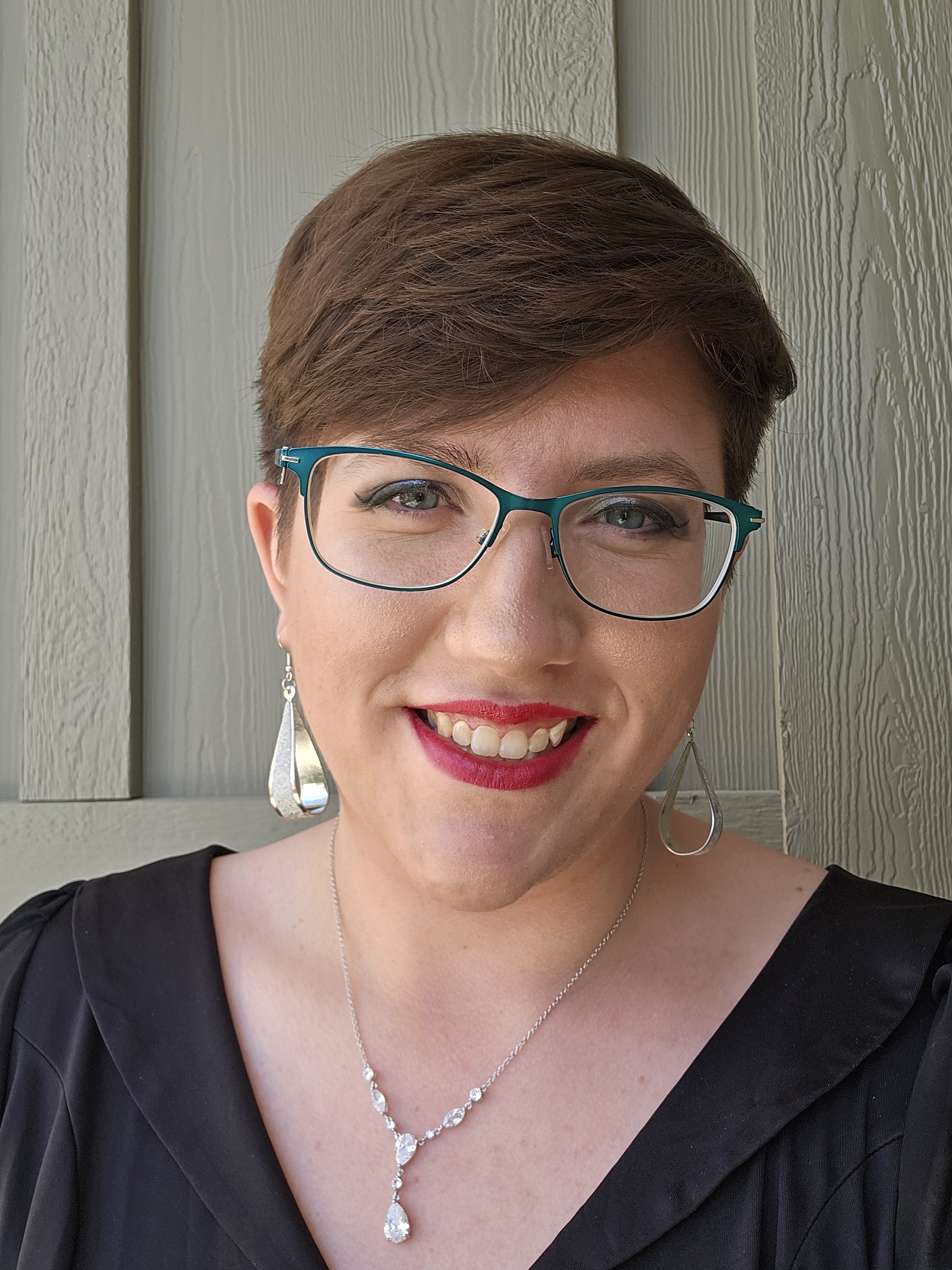
    Headshot of Kami Pehrson.

    Kami Pehrson

    Kami Pehrson lives with her husband and five teenage children in Stansbury Park, Utah. She recently finished her master’s degree in English and creative writing and has written three novels—but is still trying to figure out what to do with them. She loves editing, reading, and playing word games on her phone. She also enjoys listening to audiobooks while half-heartedly doing Pilates in the living room.


      Filed Under: Articles, Craft Skills, Gospel Principles, Writing Tagged With: story

      How I Learned Not to Loathe Revisions

      June 12, 2025 By LDSPMA Leave a Comment

      We’ve all been there. We just put the finishing touches on our creative piece. After hours of work (and perhaps a few tears), we submit it to a professional for review. Often, we receive feedback that requires considerable revision and makes us question whether we should be engaging in this work at all.

      I write historical romance novels, so this feedback usually comes in the form of substantial content edits from an editor. Unfortunately, I haven’t had the best mindset when it comes to editing my work. In fact, the word I often associate with editing is “loathing.”

      My first novel will be published by a small publisher this September. The first thing I wanted to do when I received the content edits? Cry. I had already hired a developmental editor and made significant changes based on her feedback and input from other readers. I even rewrote the entire ending! And still more edits? 

      I know, I know. I should be open to feedback that helps me grow and improve as a writer. But still, I couldn’t get my brain on board with that idea until I applied a few simple principles to my thought process. You might already be familiar with them because they align with the counsel we receive in the gospel. Here are a few simple ways I’ve found to shift my mindset and develop a healthier attitude toward feedback.

      Recognize the True Potential in My Work

      At least fifty—that’s the number of “no’s” I received from agents and editors when querying my manuscript for almost a year. I didn’t handle the rejection well. Remember those tears mentioned above? Yes, there were lots during this phase.

      I had the idea for my novel for more than a decade, but I put off writing it until three summers ago. My degrees and licenses in business and law don’t exactly translate to writing love stories, but I couldn’t ignore the prompting to embark on this creative journey. My work is not what I’d consider gospel centered. I write clean historical romances that don’t typically include characters with a faith arc. I like to call them “kissing books.”

      So, why did every attempt to put that work out into the world lead to a dead end? Even now, despite a contract with a small publisher (the only one who said “yes” instead of “no”), these doubts still manifest themselves. Why isn’t anyone buying or rating my self-published novella? Why do I have fewer than 200 followers on my social media accounts after eighteen months of effort? Why did 2% of my newsletter subscribers unsubscribe after my latest message? The list goes on.

      When “numbers” and “quantities” start niggling at my mind, it helps to view my work’s potential the way Heavenly Father views us—with an eternal perspective.

      Focusing on the quality of connections I make in this industry realigns my perspective. Reaching one person with my writing is far more important than earning ninety-nine likes on my latest Instagram post.

      Removing the “worldly lens” when valuing my work helps me recommit to this creative calling, especially when critiques (and the doubts that accompany them) follow.

      Speak with My Heavenly Father

      After I received the content edits for my first book, I tried to sit and write part of my current book. No words flowed. It was my worst attempt at writing. I doubted each word, erased more than I wrote, and ended up frustrated, discouraged, and dejected—never a good combination, especially when trying to create.

      This pity party lasted far longer than I care to admit. But I had a deadline to meet, so after hoisting myself up by my bootstraps, I decided to act on a thought that had come during the wallowing—pray.

      Perhaps it’s even more embarrassing to admit that I hadn’t really prayed much in my writing career. Again, these are just kissing books. Why would I need inspiration about romantic interactions like brushing hands and flushing cheeks?

      I gave prayer a go, however, because the idea wouldn’t leave me alone. Did I mention I was stubborn, too? I prayed each time I sat down to edit. I prayed to be open to the editor’s comments and recommendations. I prayed for guidance and inspiration as I selected the right words and phrases while rewriting. I prayed that I would complete tasks by the deadlines. And I prayed for help with my other responsibilities, including being a wife and mom of two, holding down a part-time job, and managing other volunteer roles, such as serving as one of the new vice presidents of LDSPMA.

      I’m not suddenly spitting out a masterpiece akin to Jane Austen’s work or tripling my word count, but I can set aside the emotions telling me my work isn’t good enough. I’ve also overcome the feeling of overwhelm that plagued me during the rewriting process. I meet my deadlines, too (I even met one five days early!).

      Most importantly, prayer changed my perspective. I now see revision as a way to ensure that my work is the best it can be. I feel the loving support of Heavenly Father, even if the process isn’t easy.

      Strive to Do Better Each Day

      Through what other process do we try to improve little by little and day by day? Repentance. We are often counseled that repentance should be a joyful process. While I still pray to find true joy in editing, I can safely say I’ve made it to the “not loathing” stage. I see the true potential in my work by speaking with Heavenly Father through prayer.

      And the best part? I can strive to elevate the gift Heavenly Father has given me every day, even after receiving feedback that requires yet another rewrite. I hope that you, too, continue to strive for true joy in your creative journey.

      Headshot of Casey Cline

      Casey Cline

      Casey Cline collects hobbies and pursuits as quickly as she reads books. She likes to believe her degrees and licenses in business, law, and real estate aren’t entirely incongruous with writing historical stories about the ultimate adventure in life—love. Casey is one of the vice presidents of the Latter-day Saints in Publishing Media and the Arts organization and is a member of the Nebraska Writers Guild. She lives in Nebraska with her husband, two daughters, and three cats. You can connect with her at www.caseycline.com.


        Filed Under: Articles, Craft Skills, Editing, Writing Tagged With: Editing, revisions, Writing

        Why We Should Pay Better Attention to the Pattern for a Musical

        May 30, 2025 By LDSPMA Leave a Comment

        Today’s article is courtesy of Rebecca Burnham of Summit Stages. You can learn more about this innovative organization by clicking here.

        How does one create a great musical? 

        That’s a question that composers and librettists have been struggling to answer conclusively for more than a hundred years.  And nobody has quite nailed the exact recipe, at least, not in a way that can be replicated again and again by others. Partly because “great” is a subjective evaluation that we don’t all agree on. And partly, because even if we did agree, there’s often a mysterious element that makes the difference between a solid, entertaining show and a great one.

        But there is one thing we do know – a great musical rests on a solid foundation. And the vast majority of musicals that have been widely embraced and celebrated share a common framework at their root. So, if you want to appreciate the art form of the musical, and especially if you want to tell a great story within it, it’s a good idea to learn about the basic framework. 

        Broadway Offers Mixed Inspiration

        This [article] is inspired by Jack Viertell’s Secret Life of the American Musical: How Broadway Shows Are Built, a 336-page book that explores an overarching framework and how various famous shows have applied it, from Oklahoma to The Book of Mormon. I’m deeply indebted to it for all that it’s teaching me. But I also need to be honest. I don’t find Viertel’s book very accessible. It’s not that there was anything tricky about his prose. It’s that our values are so far out of sync that I find his musings frequently wearing, and I don’t even plan to watch many of the musicals on which he bases his examples. There’s wide agreement that they are masterpieces. But I can’t get past the outsized role that uncommitted sex plays in many of the storylines.

        By my values, sexual relations outside of a committed partnership aren’t just inappropriate, they’re actively damaging, and I’m irritated by a story that celebrates them. Furthermore, for me the message is the cake while artistic excellence is just the frosting. I experience watching a musical that’s missing a powerful, edifying message as something like eating straight frosting. If sexual promiscuity or hedonistic values are thrown into the mix, I tend to see the show as something like gorgeously frosted dog food. 

        Why does the craft matter? If the message is the cake and the artistic tricks surrounding it are just the frosting, then am I trying to focus attention on the fluff instead of the substance? 

        It matters because oftentimes, it’s the frosting that draws you to the cake.

        Cake-Decorating Analogy

        As an amateur baker, I learned this important principle when I made a cake for my eldest son’s 7th birthday party. We were all Harry Potter fans, and he wanted a marble cake that looked like a cauldron. That seemed reasonably doable. I had a vision in my head, but no pattern, not even an Pinterest model or tutorial of what I was trying to achieve (although you can now find a good one here). And once it was baked, well… you kind of had to use your imagination to recognize the shape as a cauldron. I frosted it with chocolate buttercream and just a little black food coloring – not too much because too much of those gel food colorings can make your frosting taste like chemicals. So, it was brown-hued, not cast-iron black. I figured it was close enough. Then, I added some “magical potion” in its bowl: butterscotch pudding colored slightly green with some gummy worms floating on top. 

        My son’s friends arrived for the party, and we had a great time. Then I brought out the cake, lit the candles, and we sang “Happy Birthday.” To my surprise, each of those 7-year-old guests politely declined their piece of cake. It just didn’t look right, and they didn’t dare try it. My five kids and I devoured it after they left. It was the best cake we’d ever tasted, but the guests hadn’t been willing to even take a bite. 

        If I’d found and followed a pattern for that cauldron cake, I bet the guests would have devoured it in one sitting. If I’d used enough food coloring to make it look right, they would have all at least taken a piece, even if they’d have left half of it on their plates. 

        Six years later, I made a glorious-looking cake for my youngest son’s 8th birthday. It featured a stream crafted from blue-colored candy melts and lined with rock candies. But I hadn’t checked the flavor of the blue “chocolate” before adding it to the cake. The finished product was beautiful. I cheerfully dished it up to our guests, who were eager for their pieces. And then I tasted it and discovered it was a disaster. We threw half of it away. 

        You Don’t Have to Choose Between Enticing and Tasty

        For a while after that, it seemed to my family that we had to choose between ugly cakes that were delicious, or gorgeous ones you could barely eat. We had learned that fondant frosting makes a professional-looking cake but tastes terrible. Buttercream looks more rough, but is edible for the first few bites until it becomes too much sugar. 

        It didn’t seem like a reasonable trade-off, so we kept looking for better options until we learned about marshmallow fondant (which tastes many times better than the store-bought kind) and stabilized whipped cream (which can be piped like buttercream but isn’t sickeningly sweet) and sweetened, whipped cream cheese (pipeable and just plain delicious). Now the daughter who did all this research is the queen of making cakes that look too good to eat and taste too good to stop at one piece. 

        A Great Show Is Both Enticing and Good for You

        What does this have to do with the craft of musical theater? This: If you want to change the world with musicals that lift and unite, you want people to feel like they need to partake. You probably won’t win over the crowds you’re trying to reach by baking up a great story with some ho-hum tunes, functional dialogue, and a couple spots for choreography. 

        It’s true that Broadway tends to use titillating content in order to gild a show and draw a crowd. That content is like store-bought fondant, poor quality candy melts, and food coloring that makes your frosting taste like chemicals. They’ll draw audiences and leave them with an aftertaste that robs your show of its healing power. But those aren’t the only tools for making a show supremely entertaining. They’re just the lazy ones. And if you can use better ingredients with more creativity while following a tried-and-true pattern, you can both fill the seats with eager audiences and reach their hearts. 

        Rebecca Burnham

        Rebecca Burnham writes a weekly newsletter about music and theatre that build Zion at SummitStages.org, where she is gathering a collaborative community of creators, producers, performers and playgoers to fill the world with musical theatre that lifts and unites. Her passion for the stage includes acting, directing, producing, and writing musicals which have been performed on various Canadian stages. A reforming veteran of the culture wars (as journalist, award-winning columnist, and pro-family activist), she’s now on a mission to build peace through connection across our divides and the skillful staging of shared stories.

          Filed Under: Articles, Craft Skills, Media, Film & Theater Tagged With: musicals, stage, Theater

          Sprint Writing for the Win

          May 2, 2025 By LDSPMA Leave a Comment

          As a writer, I have so many stories I want to share with the world, but I also have time constraints. I’m a wife, a mother to ten, and a nana to thirteen. I currently serve as a seminary teacher, so I devote a lot of time to reading, researching, pondering, and preparing lessons. Then there’s personal scripture study, temple attendance, school activities, community service, sporting events, and family gatherings. And then I try to exercise, cook, do laundry, shop for groceries, and stay on top of cleaning my house. Some days, it feels like I need at least fifty hours to accomplish everything.

          So, what’s to be done about all the stories I want to write? I have notebooks filled with ideas, bits of dialogue, characters, and plot pieces. Trying to find time to create worlds and fill them with realistic, compelling characters can feel daunting, if not impossible, with so many other things to do.

          There is no one-size-fits-all for writing a novel—or any book, for that matter. We all must figure out what works for us. Once we do this, we can use our allotted time in the best way possible to produce the books that reside in our hearts and heads to fulfill our innate desires to share and create. As Elder Uchtdorf says, “The desire to create is one of the deepest yearnings of the human soul. No matter our talents, education, backgrounds, or abilities, we each have an inherent wish to create something that did not exist before.”

          I like to have a general idea of the plot and characters in my novel before I start writing. I’m a planner because I feel it saves time when I sit down to write. Even with advance planning, I’ve sometimes found it difficult to meet my word count goal, especially when I’m running from one activity to another.

          Sprinting

          During PE back in the day, I would audibly groan when the teacher told us we’d be running, especially if we were racing. Running fast, or sprinting, never appealed to me. Though I enjoyed sports, running wasn’t my vibe—and still isn’t.

          When I heard about sprint writing, I was intrigued. I’d never considered the idea of combining something I loved (writing) with something I loathed (sprinting).

          Applying sprinting to writing required suspending my disbelief. Writing fast appealed to me abstractly, but concretely, I didn’t believe it was possible.

          Until I tried it.

          Once I discovered sprinting, everything changed. I found that some days I could get 3000 words or more in an hour, broken into blocks.

          How Sprinting Works

          The idea behind sprint writing is to write as many words as quickly as possible.

          The first step is to determine the amount of time you want to sprint. I prefer twenty minutes because I feel like that is manageable—I can do anything for twenty minutes. Fifteen or thirty minutes may work better for you. Experiment until you find your magic number, but don’t go beyond thirty, or writing fatigue may set in before the timer goes off.

          Next, set up a document or spreadsheet to track your sprints. Include the time of day, how many minutes you spent writing, word count, and running word count for the novel (it’s a great feeling to see the word count continue to increase). Knowing these details will help you see when you are most productive and can give you motivation to keep going. Try to plan your sprinting sessions for when you are most productive and your creativity is flowing.

          Now it’s time to sit down and write. I like to do a little pre-writing so I know what scenes I’ll be working on. For me, this usually involves thinking about where I want the story to go for that particular writing session. I write a lot in my head while I do dishes, take a shower, fold laundry, or run errands. Sometimes I’ll jot down a few notes or even a paragraph before I start sprinting. If it’s been a few days, I’ll review the last couple of pages to get back in the flow of the story. If you are a discovery writer, skip this step or modify it.

          Try to eliminate distractions. Consider leaving your phone in another room if it will distract you. Turn off the TV, use the bathroom, get a snack for your child, and make sure you’re in comfy clothes and do all you can to “get in the zone.”

          Set a timer (on your phone if you must) and write. Don’t edit or worry about details. Just write. Allow yourself to get as many words down as you can. Write whatever falls out of your brain without any judgment. Think of this as the “word vomit” step while your inner editor is bound and gagged in another room. Honestly, the words may not be great—some may even be awful—but you can always edit words on the page. You cannot edit empty space.

          Once the timer goes off, stop writing. Get up, take a walk, do an errand, eat a snack, make a phone call, play a game with your child—whatever you need to do.

          Repeat this process as often as you can throughout the day. I’ve found that three times is the sweet spot for me. I can generally write 1000 words in twenty minutes if I’m using the sprinting technique. However, I absolutely cannot write 3000 words if I sit and try to write for a solid hour. Go figure.

          I’ve found that sprint writing has helped me focus on my writing and use my time much more wisely. As I’ve practiced sprinting, I’ve been able to strengthen my writing muscles, and the more I sprint, the more words I can write in my time block.

          Here’s a recap:

          • Do some pre-writing if needed          
          • Eliminate distractions    
          • Set a timer for 20 minutes (or a time block you feel would work best)    
          • Write, write, write—no editing and no judgment    
          • When the timer goes off, go do something else    
          • Repeat

          Try it for a week or two and see if it helps you increase your word count. You might be surprised by how many more words you can write in a day. The trick is to find what works for you. Maybe sprinting won’t be your thing, but it sure is fun to try!

          Headshot of Rebecca Talley.

          Rebecca Talley

          Rebecca Talley is the mom of ten children and nana of thirteen of the world’s most adorable grandkids. She lives with her family and her husband, Del, in Houston, TX, where she tries to avoid the heat and humidity by living in the pool.

          She has published thirteen novels/novellas, a children’s picture book, a chapter book, a writing resource guide, and numerous children’s stories and articles for both online and print magazines. When she isn’t writing, Rebecca likes to date her husband, play with her kids and grandkids, swim in the ocean, crochet, and dance to disco music while she cleans the house.

          You can find Rebecca’s websites here and here.

            Filed Under: Articles, Craft Skills, Writing Tagged With: productivity, sprint writing

            • « Go to Previous Page
            • Page 1
            • Page 2
            • Page 3
            • Page 4
            • Interim pages omitted …
            • Page 12
            • Go to Next Page »

            Primary Sidebar

            Write for Us

            Would you like to see your article featured here on LDSPMA?

            We are currently seeking article submissions. Learn what you need to know and submit your article here. 

            Recent Articles

            Releasing Your Inner Poet: Five Steps to Writing A Poem

            “If you’re a budding writer—or an experienced one—looking for ways to deepen imagery or strengthen your character’s emotions and senses, try creating your own poetry… Maybe you’ll discover you’ve been a poet all along and just didn’t know it.” -KaTrina Jackson

            A closeup of a writer's hands, one holding a pen and the other holding a tissue.

            Writing: A Tool to Process Grief

            “I believe that we are each blessed with a creative gift not only to beautify the world and to uplift those around us, but as a method of releasing the hurts and the anxieties we feel because of our struggles.” -Tristi Pinkston

            A woman sleeps on a sofa, cocooned in a blanket

            When Life Says NO: How to Recover from Major Unexpected Events

            “It may not be pleasant or easy, but sometimes life’s challenges turn out to be life-changing, helping us become who God always meant for us to be.” -KaTrina Jackson

            Search the Articles Archive

            Article Topics

            Recent Podcast Episodes

            Footer

            • Email
            • Facebook
            • Instagram
            • LinkedIn
            • YouTube

            Shop the LDSPMA Store

            Support LDSPMA with branded merch, including shirts, hats, water bottles, notebooks, stickers and more! Every purchase helps fund LDSPMA programs.

            Shop Now!

            Copyright © 2026 LDSPMA. All Rights Reserved. LDSPMA is not endorsed by nor affiliated with The Church of Jesus Christ of Latter-day Saints.