• Skip to main content
  • Skip to primary sidebar
  • Skip to footer

LDSPMA

Empowering Latter-day Saints to spread light and truth by connecting them at the intersection of faith, creativity, and professional skill

  • Conference
    • Propose a Session or Workshop for the 2026 LDSPMA Conference
    • 2025 Conference Recordings
      • Purchase Recordings Access
      • Grid Schedule
    • Exhibitors & Sponsors
    • FAQs
    • Volunteer
    • Past Conferences
      • 2025 Conference
        • Sessions
        • Workshops
        • Awards Gala
        • Internship Fair
        • LDSPMA’s Got (Secret) Talent!
      • 2024 Conference
        • Sessions
        • Workshops
        • ZIFF Networking Dinner
        • Schedule
  • Membership
    • Email Sign Up (Free)
    • LDSPMA NextGen
    • University Chapters
    • Facebook Group
  • Programs
    • Master Classes (2026)
    • Monthly Zoom Discussions (Free)
    • Mentoring Program
  • Podcast
    • Watch
    • Listen
      • Listen on Apple Podcasts
      • Listen on Spotify
      • Listen on Buzzsprout
    • Called to Create Conversations
  • Articles
    • All Articles
    • Faith & Mindset
      • Gospel Principles
      • Creativity
      • Productivity
    • Craft Skills
      • Writing
      • Media, Film & Theater
      • Podcasting & Speaking
      • Music
      • Fine Art
    • Professional Skills
      • Editing
      • Publishing
      • Business
      • Cultural Diversity
      • Marketing
  • Awards
    • 2026 Award Nominations
    • Praiseworthy Awards
    • Spark Awards
    • Lifetime Achievement Awards
    • Apply to Be an Awards Judge
  • About
    • Mission
      • LDSPMA in the Media
      • Success Stories
      • Viewpoint on LDSPMA
    • LDSPMA Leadership
    • Volunteers
      • Volunteer Year-Round
      • Volunteer at the Conference
      • Apply to Be a Presenter
      • Apply to Be an Awards Judge
      • Resources for Current Volunteers
    • Policies
    • Contact US
  • Support LDSPMA
    • Donate
    • Volunteer

Media, Film & Theater

The Art of the Interview

November 14, 2025 By LDSPMA Leave a Comment

As creators, one of the greatest tools we have is the ability to listen carefully and ask meaningful questions. The art of interviewing can help us open doors to understanding, build trust, and draw out authentic stories that uplift and inspire others.

When I was going through BYU’s journalism program in the late 1990s, I was surprised to discover there wasn’t a class specifically on interviewing. Which seemed strange, because interviewing is half the job!

So, I learned it on the job. Over the years, writing for a variety of publications, I’ve interviewed people from all walks of life: farmers, CEOs, investors, first responders, city officials, cancer patients, etc. I’ve interviewed people over the phone, through email, video calls, or in person; sometimes in a tractor or in a hallway after a city council meeting. Each format comes with its quirks, but the heart of interviewing is always the same: helping people share their authentic stories.

For those of us who create—whether it’s articles, books, podcasts, or films—interviewing is a sacred opportunity to really see someone, listen with care, and draw out their inner truths. Here are a few lessons I’ve learned along the way.

Making It Happen

Tracking down an interviewee and getting them to commit can be the biggest hurdle because people are busy or hesitant. The key? Be flexible. Offer multiple times, be willing to adjust, and show that you respect their schedule. That first impression will help build trust.

I’ve used a go-between person to contact my interviewee many times. For example, when I worked for an agriculture magazine, I found it hard to get in touch with farmers. As a farm girl myself, I knew that most farmers just wanted to be left alone. So, I’d usually have the dairy association or another trusted contact reach out first to vouch for me. They were much easier to get ahold of after that.

Also consider mode of contact. Some people prefer email, others text, others a phone call. Be open to trying different methods depending on the person—it shows respect for their preferences and increases your chances of connecting.

Set the Stage with Clarity and Trust

People get nervous in interviews. They don’t want to be misrepresented or say something wrong about a topic that matters deeply to them. That’s why I start by sharing my goals: “I’m writing about X, and I hope readers will come away with Y.” My hope is to reassure them that the experience will be positive and that I want the same outcome they do.

Once, I had to contact someone for a tragic story. As I spoke to the interviewee, I told them, “Readers want to know what happened. Take your time. Our goal is to help readers understand.” That moment reminded me that interviews offer a safe space for someone to share something deeply personal, even painful.

A little transparency and compassion reassures people that you’re not trying to “catch” them      and that you’re on their side. Trust begins before the first question.

Send Your Questions in Advance

I don’t always do this, but in cases where I sense the person is apprehensive, it works wonders. When someone has time to think beforehand, they’re able to dig deeper. Instead of surface-level responses, they’ll share insights that come from reflection. That’s often where the most meaningful and memorable stories come out.

Try not to send too many questions, however, as that can feel overwhelming. I usually tell people, “I’ll send a few questions to get your mind going, but I’ll also have some follow-ups as we go.” That balance gives them confidence without making the process feel daunting.

Create a Safe Space for Conversation

My interview style is very conversational. I always begin with small talk.
I’ll ask about where they grew up or comment on something interesting in their background, whether it relates to the story or not. It helps them relax and feel like they’re talking to a friend rather than facing an interrogation.

From there, I generally don’t talk a lot. I ask questions in a natural way (rather than sounding like they come from a list), and then I listen and react. “Really? That must have been amazing!” That connection sparks something between myself and the person I’m interviewing. In those moments, we are on the same team and have the same goal. And that feels good.

When people sense that you genuinely care about them—not just their quotes—they open up. Their answers become longer, warmer, and more personal.

Ask Open-Ended Questions—and Really Listen

There’s a time and place for yes-or-no questions, like the courtroom. Many people equate that line of questioning as negative and aggressive. Plus, their answers don’t tell you much. Open-ended questions invite people to tell stories, and follow-up questions show that you’re paying attention.

If someone apologizes for “sharing too much,” I always tell them, “The more, the better.” Giving them permission to share more allows them room to add details and even emotion. Sometimes the added information helps give the story more heart, or leads to stories in the future. That simple reassurance often unlocks beautiful details they might have held back otherwise.

Note-Taking vs. Recording

I started my career when note-taking was the norm, and it took practice to master. Through countless interviews, I learned to pick out important information. Over time, you develop a knack for what should be quoted (such as key points expressed in interesting ways) and what can be summarized (such as basic background details).

These days, recording conversations and using AI to transcribe them is a game changer! Always make sure to ask permission before recording. Even when recording, I still take notes during the interview. It keeps me engaged, helps me stay focused, and provides direction when it comes time to write the story.

Always Offer Your Appreciation

Many people want to share their stories, but it’s not required. Your interviewee offered their valuable time and a piece of themselves. Follow up and let them know how much you valued their time, and when appropriate, share the finished piece. Gratitude also helps build relationships for future interviews and collaborations.

The Takeaway

I feel strongly as a journalist that the Lord wants me to learn from each person I talk to. And I have. Every conversation is an opportunity to learn and understand perspectives we might never have considered. For us creators, interviewing is a chance to practice empathy, patience, and kindness. When we combine diligence with heart in our interviews, we open doors to truth, understanding, and the power of shared human experiences.

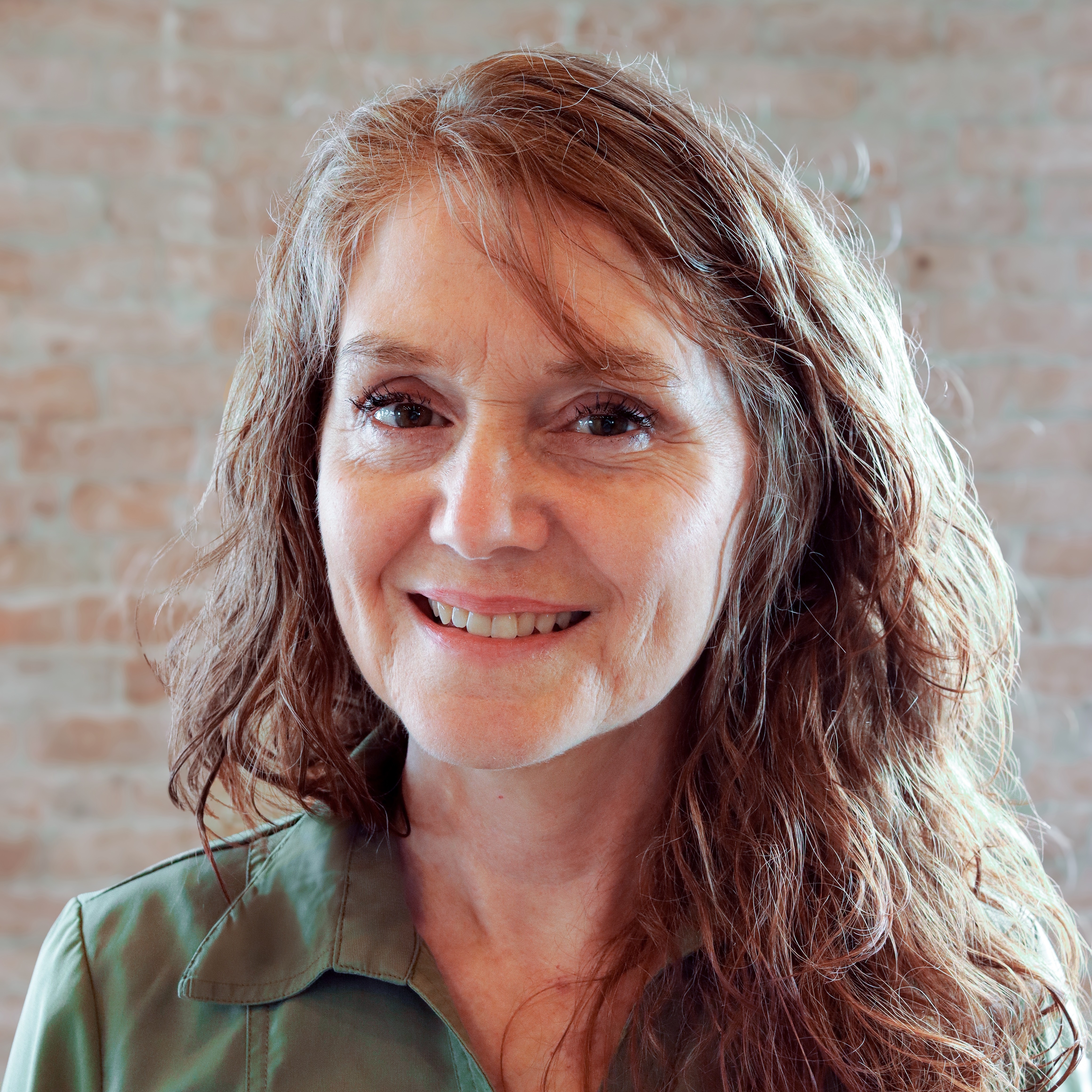
Carrie K. Snider

Carrie K. Snider is a Phoenix-based writer. She grew up on a dairy farm and graduated with a degree in journalism from BYU. She has reported for the Deseret News, EastIdahoNews.com, Good News Utah, and others. Several of her articles have received Praiseworthy Awards from LDSPMA. Carrie enjoys hiking, swimming, and watching musicals with her husband and four kids.
    Filed Under: Articles, Craft Skills, Media, Film & Theater, Professional Skills Tagged With: asking questions, finding stories, interviewing

    Supporting Your Community Theater

    August 22, 2025 By Tristi Pinkston Leave a Comment

    I grew up back in the day when the Church was still producing road shows and stage plays (yes, that does date me). As a ten-year-old, I was cast as the doctor’s daughter in our stake’s rendition of Carol Lynn Pearson’s The Order Is Love, and I got to be onstage for every large group musical number. I had no lines and they could just as easily have done without me, but that didn’t matter—I was thrilled to be involved.

    That’s when I was first bitten by the theater bug, but I wouldn’t get another chance to perform until years later when my family and I moved to our current home in Montpelier, Idaho. On a whim, I auditioned for The Music Man and was cast as Alma Hix, a principal pick-a-little lady. My two sons joined me—Benjamin as Marcellus Washburn, and Joseph as the sheriff. We had such a great experience during that production. I’m now volunteering as the chair of the Bear Lake Arts Council and have participated in several more plays with my sons. We were even joined once by my husband, who played Dr. Einstein in our performance of Arsenic and Old Lace.

    L-R: Benjamin Pinkston, Tristi Pinkston, and Joseph Pinkston on the set of The Music Man.

    I participate in the theater not only because it’s super fun and it gives me a chance to share something special with my family, but also because I believe in the arts. Things that are beautiful and uplifting feed our souls, and the theater reaches us through all the senses. Whether it’s a huge Broadway production with famous actors or a humble community endeavor operating on a shoestring budget, there’s something about the theater that’s simply magical.

    Every community program depends on the involvement of the locals to stay afloat, and a theater program is no different. Through my participation with the Bear Lake Arts Council, I’ve seen how an enthusiastic audience can make all the difference. Here are some ways you can support the theater in your own community and help keep the magic alive.

    Audition

    Maybe you’ve had a lot of stage experience, or maybe you don’t feel as though you’re talentedenough to perform, but regardless of your skills, come on down and participate Maybe you’ve had a lot of stage experience, or maybe you don’t feel as though you’re talented. It’s worth the investment of your time, and if you’re new to the stage, the director will work with you until you’re confident in what you’re doing. Being in a play is an experience like no other—you will have opportunities to bond with your fellow actors and make friends for life, and that’s worth the time spent.

    Donate

    Many community theaters are nonprofit organizations or operate on a small budget. Every little bit matters, and that donation is tax deductible! 

    Come See the Show

    The ticket you purchase will help fund the next production. Plus, it’s absolutely thrilling for the cast to look down from the stage and see rows and rows of friendly faces. Empty chairs have quite the opposite effect.

    Be an Active Audience

    Laugh at the funny parts, cheer at the victories, and clap for the songs. It gives the actors extra adrenaline and makes the performance even better. I’ve experienced both sides of the coin—performing for a quiet audience and performing for an interactive audience—and the difference is astonishing. Show the actors your appreciation for their hard work!

    Spread the Word

    Tell your friends and neighbors to come see the play too. The best advertising is word of mouth, after all. Even if circumstances prevent you from attending yourself, you can help ensure that everyone knows it’s taking place.

    Give Feedback

    Let the theater program know how much you appreciated their hard work and dedication. If you feel the production could have been improved, tell the director and offer concrete and supportive ideas. Keep in mind that in most cases, the crew and cast are volunteers who have donated their time and talents to the community. 

    Become a Volunteer Yourself

    There are many ways to get involved, even if you have no desire to act. You can volunteer to help build sets, sew costumes, do hair and makeup, bake concession items, take tickets, run the concession booth, or clean up the auditorium after the audience leaves. A successful theater experience is made up of many moving parts, and you can lend a hand in many different ways.

    No matter which of these options you choose—or perhaps you’ll find a way to help that’s not included on this list—your involvement is appreciated, and it’s invaluable. It does come with a caution, though: you might get bitten by the theater bug too!

    Filed Under: Articles, Media, Film & Theater Tagged With: community theater, plays, Theater

    Why We Should Pay Better Attention to the Pattern for a Musical

    May 30, 2025 By LDSPMA Leave a Comment

    Today’s article is courtesy of Rebecca Burnham of Summit Stages. You can learn more about this innovative organization by clicking here.

    How does one create a great musical? 

    That’s a question that composers and librettists have been struggling to answer conclusively for more than a hundred years.  And nobody has quite nailed the exact recipe, at least, not in a way that can be replicated again and again by others. Partly because “great” is a subjective evaluation that we don’t all agree on. And partly, because even if we did agree, there’s often a mysterious element that makes the difference between a solid, entertaining show and a great one.

    But there is one thing we do know – a great musical rests on a solid foundation. And the vast majority of musicals that have been widely embraced and celebrated share a common framework at their root. So, if you want to appreciate the art form of the musical, and especially if you want to tell a great story within it, it’s a good idea to learn about the basic framework. 

    Broadway Offers Mixed Inspiration

    This [article] is inspired by Jack Viertell’s Secret Life of the American Musical: How Broadway Shows Are Built, a 336-page book that explores an overarching framework and how various famous shows have applied it, from Oklahoma to The Book of Mormon. I’m deeply indebted to it for all that it’s teaching me. But I also need to be honest. I don’t find Viertel’s book very accessible. It’s not that there was anything tricky about his prose. It’s that our values are so far out of sync that I find his musings frequently wearing, and I don’t even plan to watch many of the musicals on which he bases his examples. There’s wide agreement that they are masterpieces. But I can’t get past the outsized role that uncommitted sex plays in many of the storylines.

    By my values, sexual relations outside of a committed partnership aren’t just inappropriate, they’re actively damaging, and I’m irritated by a story that celebrates them. Furthermore, for me the message is the cake while artistic excellence is just the frosting. I experience watching a musical that’s missing a powerful, edifying message as something like eating straight frosting. If sexual promiscuity or hedonistic values are thrown into the mix, I tend to see the show as something like gorgeously frosted dog food. 

    Why does the craft matter? If the message is the cake and the artistic tricks surrounding it are just the frosting, then am I trying to focus attention on the fluff instead of the substance? 

    It matters because oftentimes, it’s the frosting that draws you to the cake.

    Cake-Decorating Analogy

    As an amateur baker, I learned this important principle when I made a cake for my eldest son’s 7th birthday party. We were all Harry Potter fans, and he wanted a marble cake that looked like a cauldron. That seemed reasonably doable. I had a vision in my head, but no pattern, not even an Pinterest model or tutorial of what I was trying to achieve (although you can now find a good one here). And once it was baked, well… you kind of had to use your imagination to recognize the shape as a cauldron. I frosted it with chocolate buttercream and just a little black food coloring – not too much because too much of those gel food colorings can make your frosting taste like chemicals. So, it was brown-hued, not cast-iron black. I figured it was close enough. Then, I added some “magical potion” in its bowl: butterscotch pudding colored slightly green with some gummy worms floating on top. 

    My son’s friends arrived for the party, and we had a great time. Then I brought out the cake, lit the candles, and we sang “Happy Birthday.” To my surprise, each of those 7-year-old guests politely declined their piece of cake. It just didn’t look right, and they didn’t dare try it. My five kids and I devoured it after they left. It was the best cake we’d ever tasted, but the guests hadn’t been willing to even take a bite. 

    If I’d found and followed a pattern for that cauldron cake, I bet the guests would have devoured it in one sitting. If I’d used enough food coloring to make it look right, they would have all at least taken a piece, even if they’d have left half of it on their plates. 

    Six years later, I made a glorious-looking cake for my youngest son’s 8th birthday. It featured a stream crafted from blue-colored candy melts and lined with rock candies. But I hadn’t checked the flavor of the blue “chocolate” before adding it to the cake. The finished product was beautiful. I cheerfully dished it up to our guests, who were eager for their pieces. And then I tasted it and discovered it was a disaster. We threw half of it away. 

    You Don’t Have to Choose Between Enticing and Tasty

    For a while after that, it seemed to my family that we had to choose between ugly cakes that were delicious, or gorgeous ones you could barely eat. We had learned that fondant frosting makes a professional-looking cake but tastes terrible. Buttercream looks more rough, but is edible for the first few bites until it becomes too much sugar. 

    It didn’t seem like a reasonable trade-off, so we kept looking for better options until we learned about marshmallow fondant (which tastes many times better than the store-bought kind) and stabilized whipped cream (which can be piped like buttercream but isn’t sickeningly sweet) and sweetened, whipped cream cheese (pipeable and just plain delicious). Now the daughter who did all this research is the queen of making cakes that look too good to eat and taste too good to stop at one piece. 

    A Great Show Is Both Enticing and Good for You

    What does this have to do with the craft of musical theater? This: If you want to change the world with musicals that lift and unite, you want people to feel like they need to partake. You probably won’t win over the crowds you’re trying to reach by baking up a great story with some ho-hum tunes, functional dialogue, and a couple spots for choreography. 

    It’s true that Broadway tends to use titillating content in order to gild a show and draw a crowd. That content is like store-bought fondant, poor quality candy melts, and food coloring that makes your frosting taste like chemicals. They’ll draw audiences and leave them with an aftertaste that robs your show of its healing power. But those aren’t the only tools for making a show supremely entertaining. They’re just the lazy ones. And if you can use better ingredients with more creativity while following a tried-and-true pattern, you can both fill the seats with eager audiences and reach their hearts. 

    Rebecca Burnham

    Rebecca Burnham writes a weekly newsletter about music and theatre that build Zion at SummitStages.org, where she is gathering a collaborative community of creators, producers, performers and playgoers to fill the world with musical theatre that lifts and unites. Her passion for the stage includes acting, directing, producing, and writing musicals which have been performed on various Canadian stages. A reforming veteran of the culture wars (as journalist, award-winning columnist, and pro-family activist), she’s now on a mission to build peace through connection across our divides and the skillful staging of shared stories.

      Filed Under: Articles, Craft Skills, Media, Film & Theater Tagged With: musicals, stage, Theater

      What’s More Important: The Actor or the Show?

      March 22, 2025 By LDSPMA Leave a Comment

      Today’s article is courtesy of Rebecca Burnham of Summit Stages. You can learn more about this innovative organization by clicking here.

      One of the things I find most challenging about building beloved community through musical theatre is the apparent conflict that inevitably arises between the interests of the show and the needs of the individual.

      I don’t think it’s possible to put on a play that builds community unless you are intentional about prioritizing the people over the product. For example, if the product were the primary goal, auditions would be extremely competitive and only the very best actors would get cast. But if you’re building community, you’re going to give some parts to people who didn’t really shine in auditions but you know they need to be there and they have growth potential. You’re going to take a chance on actors from marginalized backgrounds who need extra, offstage support. You might put an exceptionally talented actor in a supportive role, where they can be an anchor for the entire cast. And then, when the crunch is on and a member of the cast is struggling in a way that may compromise your production, you are going to wonder if it’s time to prioritize the production over a specific individual.

      This happened to me recently and I made the wrong decision. Grace got in the way before I could act, then I got another opportunity to choose better. And the results were beautiful. I want to tell you about it and what I’ve learned.

      There Is a Way to Meet Everybody’s Needs

      Among the community-building decisions we made when we cast Fiddler on the Roof was to include in our ensemble an AuDHD boy who is a newcomer to the stage. It was obvious in auditions that this was important to him, and it was equally apparent that he would need a little extra help to succeed. We put him in a role that we thought would come almost naturally to him, and we expected we’d be able to give him the extra help he needed. But we didn’t realize how big of a task we’d signed up for.

      It wasn’t just his needs that were greater than we’d anticipated. So were the demands of this particular play, which is 1.5 times as long as a standard 2-hour show. Neither my co-director nor I were super familiar with the play (we’d signed onto the job with the understanding that we were doing a different show). The musical tracks provided by the licensor did not match any of the Broadway soundtracks, and we had to create our own rehearsal tracks in order to figure out choreography. We were working as hard as we could just to map choreography and pre-block the scenes before rehearsals, and then to smooth out the glitches during our run-throughs. There was so much going on with our cast of 51 that we just did not find time to work one-on-one with the boy in the ensemble that we’d known would need extra help. We saw some silliness onstage and heard reports about impulsive behavior offstage that needed to be managed. But we had some exceptional actors who were helping out with the offstage behaviors, so we directed the boy to tone down the onstage behavior and thought we had it covered.

      Halfway through our run, it became evident that the problem was getting worse instead of better. We’d gotten to the point that we were worried about being able to provide a safe environment for our actors and the equipment, and we were at our wits’ end. My co-director and I held a quick consultation. We’d tried talking to him multiple times. So had the actress working directly with him. Obviously, it wasn’t connecting. We decided that for the sake of the show and the rest of our cast, he needed a firm talking to, some actual modeling of exactly what we needed from him, and an ultimatum to straighten up or withdraw from the production. We went to take him aside, but we couldn’t find him. He’d already left the building.

      It was maybe twenty minutes later when I got a text from his mom, asking for help to recover an item he’d forgotten at the theatre. It suddenly came to me that I should tell her about the struggle we were having and ask for her ideas. She understood exactly what I was concerned about. She explained what was going on in terms of her son’s development and his meds. Then she offered to come backstage and run him through some breathing and grounding exercises that could help him cope. She even taught those exercises to the adult actress who works most closely with him so she could provide that support when the mom wasn’t able to be there.​

      Our next performance was almost flawless. I was so proud of the entire cast and crew, and especially of the boy who was now performing his part just like we’d envisioned it and honoring the space that other actors needed. And I was so, so grateful that we’d been forestalled from giving him the talking-to that would not have fixed the problem, but would have more likely ruined his experience and undermined his relationship with theatre.

      Here are my takeaways:

      • I believe the economy of heaven is win-win. I believe it’s a myth that sometimes the individual has to be sacrificed in the interest of the production or the community. I believe that if we keep digging, we will be led to a solution that meets the needs of both. I want to clarify that sometimes, that solution may ask a lot of the individual and/or of the community, and achieving it will depend on everybody’s willingness. But if we’re all willing, we can find a way to meet everybody’s needs.
      • If we can’t find a way to meet everybody’s needs, it’s time to broaden the collaborative circle. There is somebody out there with exactly the expertise or insight we need. So, instead of sacrificing the individual or the community, I’m going to trust heaven to help me find them.
      • Next time, I plan to have a member of the production whose whole job is to identify individual needs and care for the community offstage. Stage directors can do a lot to impact cast culture, but they have too much on their plate to give due attention to the specific needs of the individuals and the community. So, if the driving purpose of my work in musical theatre is to build beloved community, I need a community director who can give their full attention to that.

      Summit Stages aims to build a kinder, brighter world… one musical at a time. We’re going to do this in a way that thoroughly entertains and provides funds for our creators to achieve their dreams. But we aren’t all about the money or the entertainment. We’re about impacting lives and communities for good. 

      Headshot of Rebecca Burnham

      Rebecca Burnham

      Rebecca Burnham writes a weekly newsletter about music and theatre that build Zion at SummitStages.org, where she is gathering a collaborative community of creators, producers, performers and playgoers to fill the world with musical theatre that lifts and unites. Her passion for the stage includes acting, directing, producing, and writing musicals which have been performed on various Canadian stages. A reforming veteran of the culture wars (as journalist, award-winning columnist, and pro-family activist), she’s now on a mission to build peace through connection across our divides and the skilful staging of shared stories.

        Filed Under: Articles, Craft Skills, Media, Film & Theater Tagged With: building community, unity

        Making Connections at a Photoshoot

        March 21, 2024 By LDSPMA Leave a Comment

        Early on in my photography business journey, my subjects usually gave me stiff, unnatural-looking smiles. I had to reflect: what was I doing wrong? I knew telling them to smile or asking them to say “cookie” wasn’t the answer. There had to be a better way.

        I read articles, watched videos, and learned how other photographers got natural smiles that made the clients love their photos.

        Making connections and staying positive at the session were key. Keeping the photoshoot light and happy would, in turn, make the photos, and the subjects in them, light and happy. Putting down your subject or making them feel awkward would be the opposite of what to do to get the natural smiles that everyone is hoping for.

        Individual Photos

        Taking the extra step—which is usually just a quick text or two—of asking my client about my subject’s interests makes a huge difference. It’s like going into a photoshoot with 20/20 vision instead of going in blind.

        So when I get to the shoot and ask 12-year-old Billy about his crush, Sally, he’ll wonder how I know that information, cringe at the question, but smile anyway because he’s thinking about her now. That natural smile now makes Mom happy. It replaces the awkward “there’s-a-camera-in-my-face” feeling.

        Maybe Dad has a certain hobby. Asking him about it and letting him talk for a moment can really break the ice and make him more comfortable.

        Maybe 16-year-old Janie is self-conscious about the way she looks in photos. A quick “Wow! You look beautiful!” as you’re sighting through the viewfinder and taking her photos can really bring out that real, natural smile that everyone, even Janie, is looking for. Doing this at the beginning of the session can also build her confidence for the rest of the shoot.

        A session with an uncooperative 4-year-old who would look so cute if he could just put his hands in his pockets, rather than his mouth, could sound something like this: “Okay, but I don’t think John has pockets.” To which he replies, “Yes, I do!” And then he promptly sinks them in his pockets all on his own. When his hands come back out, try a quick, “I’m not sure your pockets are deep enough to hold your hands in there.” He’ll put them right back in to prove to you that they are.

        Group Photos

        After posing everyone, I’ll ask the whole group to do a couple of quick, amusing tasks and then look at me.

        For example, I will say, while taking photos, “Okay, everyone, look at the person who is the best at video games.” 

        click click 

        “Now look at Mom.” 

        click click click  

        “Now look at the youngest.” 

        click click click 

        “Now look at me.”

        Now they’ll all be looking at the camera and click, click, click, I’ve got my photo. Sometimes I have clients who are so serious about getting the task done that they won’t smile while they’re looking at me. I’ll say, “What’s wrong? Is there a monkey on my head?” Then the smiles and laughter ensue.

        Knock-knock jokes are pretty universal. You tell one, then they tell one. Natural smiles usually happen at these moments too.

        Get creative and try different things. Keep conversations open. Be interested in what they like and whatever they want to talk about. Staying positive and keeping the shoot light and happy is ideal for a satisfactory session.

        A headshot of photographer Katie Gee.

        Katie Gee

        Katie Gee is a portrait and commercial photographer based in Utah County. High school seniors and families are her primary clientele. Her love of photography sparked as she started taking pictures of her five kids. Anything that has to do with nature is high on her priority list, so natural light outdoor sessions are her preference. Any hikeable mountain where there’s a view at the top isn’t off limits either.

          Filed Under: Craft Skills, Media, Film & Theater Tagged With: photography

          Getting Started with Cosplay

          February 9, 2024 By LDSPMA Leave a Comment

          I’m a major nerd and have been my whole life. Watching shows like the animated X–Men series in the nineties and collecting Pokémon cards in my youth formed my true self and strengthened my enthusiasm for all things nerdy. I first experienced what it was like to be fully immersed in geek culture at the Salt Lake Comic Convention (FanX) in 2013. I loved the smell of the boxes of comic books waiting to be perused, watching vendors sell beautiful prints of my favorite characters, and discovering random collectible items I didn’t need but had to have. I was thrilled to meet the celebrities I grew up watching in my beloved movies and shows. I loved the panels where fellow nerds analyzed different films and TV shows and theorized about future plotlines. I also enjoyed listening to creators share the behind-the-scenes process of how my favorite movies came to be. Three days of that, and I was in heaven.

          And then there was the cosplay aspect. I wasn’t too well-versed in what cosplay was or its purpose, but seeing all the people dressed up as their favorite characters showed me that cosplay is pretty much whatever you want it to be.

          I decided to dress up the following year. I brought out my old Princess Jasmine and Pocahontas costumes from Halloween to wear for the first two days. I created my Pocahontas necklace using clay. For the third day, I made a poor attempt at painting a Wolverine shirt. I used puffy paint instead of fabric paint, causing the shirt to be stiff. Cosplaying that year showcased my love for my fandoms and allowed me to express myself in ways I wouldn’t get to do on a day-to-day basis. I had been bitten by the cosplay bug.

          From then on, my cosplay skills evolved. There are many skills I have yet to master, but the journey has taught me patience and an even greater appreciation for what goes on in costume and prop work for television and movies.

          If you’re new to the world of cosplay and don’t know where to begin, here are some steps to help you get started.

          Consider the Logistics

          When I have my heart set on a character I want to cosplay, I think of the logistics of making it happen. I consider whether a costume will be feasible based on time, finances, skill set, and managing my responsibilities as a wife and mom. A few costume plans have fallen through the cracks in past years. I plan to go back to some of those ideas, and some I’ll let go. I also decide what materials will be needed to create all the pieces and how much they’ll cost. Then I consider when the convention will take place and calculate how far in advance I should start working on my cosplay.

          Decide How You Will Assemble Your Costume

          Buying a costume or most of the pieces from places like Amazon or Halloween stores is totally okay. Cosplay is made up of whatever components you feel work best for your budget and time. Is the wig available to buy online? Buy it! Often some pieces aren’t available to buy, so that’s when I dive into the process of making them.

          Design Your Build

          When I first decide I want to go all-in on a build, I draw the character and list all the components that will go into it from head to toe. I find as many reference pictures of the character as I can. I even look at photos of the figurine because a lot of times they’ll show the textures and a design I might want to incorporate into my costume. YouTube is my best friend for tutorials on how to create certain pieces. Looking at the costume plan can be very overwhelming. I recommend just starting with a small element, such as a piece of armor, or things you can buy online.

          Put It All Together

          To create my Death Metal Wonder Woman arm bracer, I first looked at the reference photo of the bracer I wanted to recreate. Then I patterned it by wrapping my arm in plastic wrap and then duct tape. I drew the design on the duct tape and cut myself out of the wrap. Utilize friends and family for help because you don’t want to hurt yourself! Then I cut out the duct tape wrap into separate design pieces, traced those onto cardstock, and cut those pieces out. I traced those pieces onto foam sheets and cut them out. I made a few adjustments and taped the foam pieces onto my arm to see if I liked the shape and look. Then I glued the pieces together to form the bracer to my arm using a heat gun. I then covered the whole segment in a thermoplastic material called Worbla, which is moldable when hot and sturdy when cooled. This material really helps to make the piece durable, especially when bumping into people at the convention. I added some details to bring out the design, then primed, sanded, painted, and shaded it. A lot easier said than done, but well worth it in the end!

          Be Patient and Take Breaks

          There have been many times when I was in tears or felt so stressed and frustrated when something wasn’t going my way. The best thing to do is to take a step back and either work on something else or just not work on the cosplay at all for a little bit. Starting on the costume well in advance will allow you the luxury of taking a rest. After giving myself a little break, I’m ready to try again and can look at the problem with fresh eyes.

          Be True to Yourself

          Cosplay has become a way of self-expression for me. It may seem weird to others, but when I learned not to care about what people thought of me and my fun hobbies, I started living my life and becoming my true self. I’ve also had opportunities to dress as characters for little girls’ princess parties or for charities. I feel truly delighted watching little kids’ faces light up when they see their favorite characters. I hope to teach my kids not to hide who they are as I did most of my life and to really embrace their passions!

          Headshot of Alyssa Caldwell.

          Alyssa Caldwell

          Alyssa Caldwell is originally from Charles Town, West Virginia, and now lives in Stansbury Park, Utah. She’s been a lifelong member of The Church of Jesus Christ of Latter-day Saints and loves crafting, dressing up, reading, sleeping, snacks, and all things Disney. She met her husband, Brett, at BYU-Idaho. They have three children. 

            Filed Under: Articles, Media, Film & Theater Tagged With: cosplay, costumes, FanX

            Representing the Savior on Stage

            June 3, 2023 By Tristi Pinkston 1 Comment

            Photo from the 2019 Hill Cumorah Pageant.

            The theater has been an important part of Latter-day Saint culture from the very beginning. One of the most prominent buildings erected in Nauvoo was the cultural hall, where the Saints would gather to enjoy concerts, plays, and other performing arts that celebrated the life of the Savior and taught other important gospel concepts. Visitors to Nauvoo can still attend events held in the cultural hall to this day, and it’s a marvelous experience.

            As Latter-day Saint creators today, we frequently feel a pull to use our talents for the same objective—to honor the Savior and to convey our love for Him to others. I personally feel this is the most important use of our talents, and perhaps even why we were given them in the first place. As with all gifts, however, there are ways to use them appropriately, and this is especially true when it comes to depicting the Savior in our dramatic works.

            Several years ago, I had the opportunity to serve on the Church’s music and cultural arts committee. We had the task of reading over scripts and musical compositions submitted by Church members to determine whether they were appropriate to be performed within our meetings. This committee no longer exists, but I certainly did enjoy my time there.

            As part of our process, we evaluated each piece for the following criteria, which you can use as well in examining your own work.

            Is the Savior Depicted on Stage?

            Great care should be taken in how we show the Savior in our theatrical productions. We should demonstrate reverence in every respect, including how the actor is costumed and who is chosen to play that role. As per the Church Handbook, the Savior may be portrayed by a man “of wholesome personal character” (Chapter 20: Activities 20.5.6). Additionally, the Primary may portray the Savior in Nativity scenes, but should not depict Heavenly Father or the Holy Ghost (See Chapter 12: Primary 12.5.5).

            Is the Savior Quoted Correctly?

            While other characters in our play may be fictional and we might use our imaginations to create dialogue for them, the actor portraying the Savior should only speak lines taken directly from the scriptures, without adding anything extra. It’s best to check the script carefully to make sure we have quoted the Savior’s words as accurately as possible. An excellent example is found in the Bible and Book of Mormon videos the Church has produced over the last several years. As I watch them, I feel as though the scriptures have come to life before my eyes, which helps me understand and appreciate them more. Attending a play that reverently features the words of the Savior can likewise be a testimony-building experience.

            Is a Testimony of the Savior the Prevailing Message?

            If you ever had the opportunity to see the Manti Pageant or the Hill Cumorah Pageant, you’ll remember how those productions made Christ the focus of the story. While they depicted the difficulties experienced by the early Saints (in the case of the Manti Pageant) and the wars between the Lamanites and Nephites (both the Manti Pageant and the Hill Cumorah Pageant), the message was brought back to the hope that Jesus Christ gives to all of us. Depictions of sin, war, and conflict should be kept in careful balance, and the audience should be left with feelings of hope, joy, and reverence.

            Our Personal Preparation

            I can think of no subject more daunting than writing about the Savior. Because the subject is so immense, no author could truly write something that adequately conveys everything that He is, but this does not mean we shouldn’t try. Again, we were given our talents so that we might share our testimonies with others, and our attempts don’t have to be perfect.

            I suggest that as we embark on these projects, we prepare ourselves in the following ways:

            1. Study the life of the Savior and His actual words as found in the New Testament and the Book of Mormon.
            2. Look up conference talks and other addresses that focus on the Savior and His mission.
            3. Pray earnestly for inspiration so that we may be guided in what to say and how to present it.
            4. Attend the temple when location and circumstances permit and seek guidance there.
            5. Seek out positive examples of the type of art we wish to create and study them to determine why they are successful in conveying their themes.

            The most important element in our preparation is our willingness to humble ourselves and allow the Spirit to teach us how to create. It’s far too easy to let our artistic egos take the upper hand, but when we’re seeking to write something that truly has the power to carry messages to the hearts of our viewers, we should step back and let the Spirit take the lead, for that is the true way people are touched.

            Theater is just one medium through which we can teach others about the Savior, but it’s certainly powerful. It not only touches the audience, but the cast as well. When we choose such an uplifting topic and show it the reverence it deserves, the experience can change lives.

            A headshot of Tristi Pinkston.

            Tristi Pinkston

            Tristi Pinkston is the mother of four, the wife of one, the author of one hundred and seventy-five, and the editor of oodles. She serves as the chairman of the board for the Bear Lake Arts Council and participates enthusiastically (if not with utmost skill) in their theatrical productions. She is currently the editor-in-chief for the resource library here on the LDSPMA website. You can learn more about her on her website.

              Filed Under: Articles, Craft Skills, Faith & Mindset, Gospel Principles, Media, Film & Theater Tagged With: acting, Jesus Christ, Theater

              Using YouTube and Social Media to Inspire and Help Others Grow Spiritually

              May 5, 2023 By LDSPMA 2 Comments

              The social media community can be overwhelming, negative, suffocating, and even toxic, but it doesn’t always have to be this way. If we remember we are all children of God with the light of Christ in our souls, social media can become a connecting, encouraging, and uplifting place.

              Almost every person I know is somehow involved in this online world. Some people thrive on posting about their lives while others are bystanders who just like to consume content. When I decided I wanted to build my own space on YouTube, I had two goals in mind:

              1. Inspire people to start living life to the fullest.
              2. Share my testimony with the world.

              That is how Never Ends Now, my YouTube channel, was created.

              My husband and I were driving from Utah County to our home in St. George. This drive was very familiar to us, and we often used the time to talk about how we wanted our channel to go. I told him how I wanted to take the fear out of living and persuade people to find the good in their current situations. I wanted us to be unique and adventurous and take full advantage of our time on earth. That’s when my husband suggested that we do things we have never done and call the channel Never Ends Now. I fell in love with the concept, and now, that is what we do weekly!

              YouTube started out as a fun way to document our growing family, but when our channel took off, we decided to make a career out of creating and publishing videos of our experiences. Our platform consists of us starting a family, traveling the world, and everything in between. Our biggest hope is that others will go out and try things they’ve never done and appreciate the joy in life.

              Staying Grounded

              The more engagement you receive, the more profit you make, and so it’s easy to get caught up in the numbers when you’re relying on your social media income. I often find myself consumed by questions like, “How many views did I get?”, “Why didn’t people like this post as much as the other one?”, or “What’s trending, and how can I follow along?” Remembering my two goals keeps me grounded when I find myself wandering down those paths. As long as I’ve inspired people and shared my testimony in every video, I’ve learned to be satisfied with whatever the resulting numbers may be.

              Shining Authentic Light

              I’m an all-or-nothing kind of person, so I tend to get carried away sometimes. In the beginning, I would try extremely hard to bring up God or a principle of the gospel in any way that I could. I wanted to make sure I shared my testimony with the world. My pure intention was there, but honestly, it didn’t feel authentic. I felt like a child being told what to say in a fast and testimony meeting. I came to realize that I don’t necessarily have to speak my testimony for others to hear, but I can show my testimony where others will see. I stopped trying to force it and just shared my beliefs through the way I lived. This understanding brought me joy and creativity instead of pressure.

              Showing Your Testimony

              When my daughter was born, I remember editing the video and feeling so anxious about posting it to the world. Her birth was one of my most sacred experiences, and I wasn’t sure if I was ready to share something so personal. I didn’t want to pollute it by letting the world have access. After praying about my decision, I decided to move forward and upload it. It became one of our highest-viewed videos. I received comments and messages from complete strangers about how much the video impacted them. I realized that the Spirit was able to testify to everyone watching without me even opening my mouth. I believe in eternal families. I believe that bringing life into this world is a sacred thing. I believe that the veil is open, and heaven is so close when a child is born. None of my beliefs were spoken aloud, yet the Spirit was able to touch people’s hearts about these truths.

              You don’t need a formal testimony to be a light on social media. God magnifies efforts and the Spirit always testifies of truth in any form. Living a life patterned after the Savior’s example is testament enough for the world to notice.

              A headshot of Aspen Bailey.

              Aspen Bailey

              Aspen Bailey and her husband, Drake, are popular YouTube creators documenting their lives as Latter-Day Saints, parents of their daughter, Rainee, and having new adventures. You can see their channel here.

                Filed Under: Articles, Craft Skills, Faith & Mindset, Gospel Principles, Marketing, Media, Film & Theater, Professional Skills Tagged With: Social Media, YouTube

                • Page 1
                • Page 2
                • Go to Next Page »

                Primary Sidebar

                Recent Articles

                A father and child read a book.

                Book of Mormon Picture Books for Young Families

                By Kami Pehrson – “We’re all busy, but starting a business together has been so meaningful, and we’re all in it together.” – Kenzie Kofford

                Young woman writes with a quill.

                Working Through Creative Block

                By Mariah K. Porter – “Being stuck doesn’t mean I’m failing. It only means I have more to learn and new ways to collaborate with the Divine.”

                Five Ways to Get Your Scrooge on This Christmas

                By KaTrina Jackson – “Be like Scrooge and let go of your past this Christmas.”

                Recent Podcast Episodes

                Popular Articles

                A senior couple walking down a quiet lane

                Sometimes Things Do Work Out

                By Steve Dunn Hanson – We can choose how any situation or circumstance we find ourselves in will ultimately affect us. We can literally shape the results of all our experiences.

                Cussing & Creating: 3 Reasons Why You Shouldn’t (& Should!) Use Profanities in Your Writing

                By Lizzy Pingry – Writers must evaluate the way they express themselves: how does our use of language and its profanities build or destroy our stories? 

                Portrait of a Painter: The Journey of Latter-day Saint Artist Dan Wilson

                By Howard Collett – “God is in the very details of our work. That doesn’t just apply to Christian artists working on temple paintings, but it applies to anyone in any career. God can answer specific questions to help us be better providers, better employees, better employers, better husbands or wives, or wherever we need help.” – Artist, Dan Wilson

                More Articles

                Basic Whittling Techniques

                By Bob Manning – We all have gifts to share.

                A singer and producer work on a song.

                Getting Started in Music Production

                By Becky Willard – “Reverse engineering trains your ear to hear the detail in every sound that makes up the song.”

                A clock on a desk.

                Time Management Skills: Creating a Life of Order

                By KaTrina Jackson – “Time is a limited resource, and it can be easy to feel overwhelmed by the number of tasks and to-dos. But time management doesn’t have to be a mighty dragon to fear.”

                Footer

                • Email
                • Facebook
                • Instagram
                • LinkedIn
                • YouTube

                Copyright © 2026 LDSPMA. All Rights Reserved. LDSPMA is not endorsed by nor affiliated with The Church of Jesus Christ of Latter-day Saints.