As creators, one of the greatest tools we have is the ability to listen carefully and ask meaningful questions. The art of interviewing can help us open doors to understanding, build trust, and draw out authentic stories that uplift and inspire others.
When I was going through BYU’s journalism program in the late 1990s, I was surprised to discover there wasn’t a class specifically on interviewing. Which seemed strange, because interviewing is half the job!
So, I learned it on the job. Over the years, writing for a variety of publications, I’ve interviewed people from all walks of life: farmers, CEOs, investors, first responders, city officials, cancer patients, etc. I’ve interviewed people over the phone, through email, video calls, or in person; sometimes in a tractor or in a hallway after a city council meeting. Each format comes with its quirks, but the heart of interviewing is always the same: helping people share their authentic stories.
For those of us who create—whether it’s articles, books, podcasts, or films—interviewing is a sacred opportunity to really see someone, listen with care, and draw out their inner truths. Here are a few lessons I’ve learned along the way.
Making It Happen
Tracking down an interviewee and getting them to commit can be the biggest hurdle because people are busy or hesitant. The key? Be flexible. Offer multiple times, be willing to adjust, and show that you respect their schedule. That first impression will help build trust.
I’ve used a go-between person to contact my interviewee many times. For example, when I worked for an agriculture magazine, I found it hard to get in touch with farmers. As a farm girl myself, I knew that most farmers just wanted to be left alone. So, I’d usually have the dairy association or another trusted contact reach out first to vouch for me. They were much easier to get ahold of after that.
Also consider mode of contact. Some people prefer email, others text, others a phone call. Be open to trying different methods depending on the person—it shows respect for their preferences and increases your chances of connecting.
Set the Stage with Clarity and Trust
People get nervous in interviews. They don’t want to be misrepresented or say something wrong about a topic that matters deeply to them. That’s why I start by sharing my goals: “I’m writing about X, and I hope readers will come away with Y.” My hope is to reassure them that the experience will be positive and that I want the same outcome they do.
Once, I had to contact someone for a tragic story. As I spoke to the interviewee, I told them, “Readers want to know what happened. Take your time. Our goal is to help readers understand.” That moment reminded me that interviews offer a safe space for someone to share something deeply personal, even painful.
A little transparency and compassion reassures people that you’re not trying to “catch” them and that you’re on their side. Trust begins before the first question.
Send Your Questions in Advance
I don’t always do this, but in cases where I sense the person is apprehensive, it works wonders. When someone has time to think beforehand, they’re able to dig deeper. Instead of surface-level responses, they’ll share insights that come from reflection. That’s often where the most meaningful and memorable stories come out.
Try not to send too many questions, however, as that can feel overwhelming. I usually tell people, “I’ll send a few questions to get your mind going, but I’ll also have some follow-ups as we go.” That balance gives them confidence without making the process feel daunting.
Create a Safe Space for Conversation
My interview style is very conversational. I always begin with small talk.
I’ll ask about where they grew up or comment on something interesting in their background, whether it relates to the story or not. It helps them relax and feel like they’re talking to a friend rather than facing an interrogation.
From there, I generally don’t talk a lot. I ask questions in a natural way (rather than sounding like they come from a list), and then I listen and react. “Really? That must have been amazing!” That connection sparks something between myself and the person I’m interviewing. In those moments, we are on the same team and have the same goal. And that feels good.
When people sense that you genuinely care about them—not just their quotes—they open up. Their answers become longer, warmer, and more personal.
Ask Open-Ended Questions—and Really Listen
There’s a time and place for yes-or-no questions, like the courtroom. Many people equate that line of questioning as negative and aggressive. Plus, their answers don’t tell you much. Open-ended questions invite people to tell stories, and follow-up questions show that you’re paying attention.
If someone apologizes for “sharing too much,” I always tell them, “The more, the better.” Giving them permission to share more allows them room to add details and even emotion. Sometimes the added information helps give the story more heart, or leads to stories in the future. That simple reassurance often unlocks beautiful details they might have held back otherwise.
Note-Taking vs. Recording
I started my career when note-taking was the norm, and it took practice to master. Through countless interviews, I learned to pick out important information. Over time, you develop a knack for what should be quoted (such as key points expressed in interesting ways) and what can be summarized (such as basic background details).
These days, recording conversations and using AI to transcribe them is a game changer! Always make sure to ask permission before recording. Even when recording, I still take notes during the interview. It keeps me engaged, helps me stay focused, and provides direction when it comes time to write the story.
Always Offer Your Appreciation
Many people want to share their stories, but it’s not required. Your interviewee offered their valuable time and a piece of themselves. Follow up and let them know how much you valued their time, and when appropriate, share the finished piece. Gratitude also helps build relationships for future interviews and collaborations.
The Takeaway
I feel strongly as a journalist that the Lord wants me to learn from each person I talk to. And I have. Every conversation is an opportunity to learn and understand perspectives we might never have considered. For us creators, interviewing is a chance to practice empathy, patience, and kindness. When we combine diligence with heart in our interviews, we open doors to truth, understanding, and the power of shared human experiences.
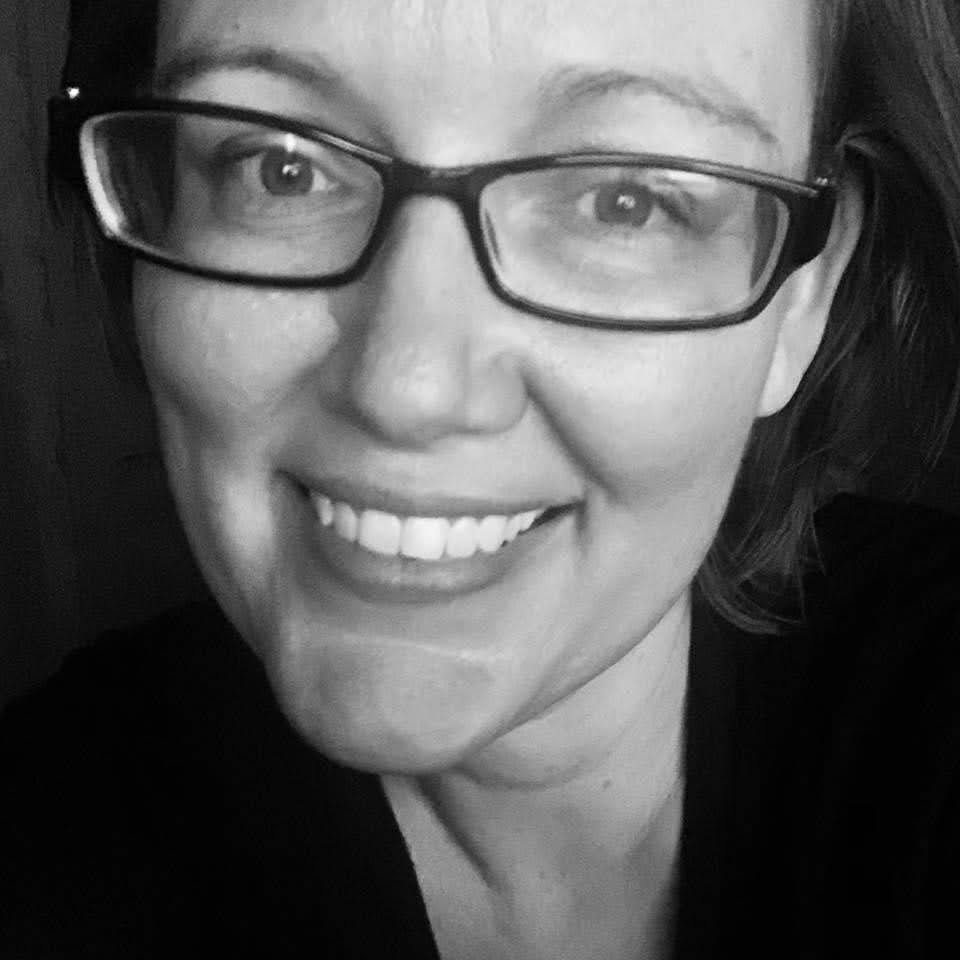
Carrie K. Snider
Carrie K. Snider is a Phoenix-based writer. She grew up on a dairy farm and graduated with a degree in journalism from BYU. She has reported for the Deseret News, EastIdahoNews.com, Good News Utah, and others. Several of her articles have received Praiseworthy Awards from LDSPMA. Carrie enjoys hiking, swimming, and watching musicals with her husband and four kids.